
An in-depth comparison of Cultural Safari vs Wildlife Safari to help you choose the perfect safari experience. Explore the pros, cons, and key differences to ma
Cultural Safari vs Wildlife Safari
Planning a safari involves many important decisions, and understanding cultural safari vs wildlife safari is one of the most critical. This comprehensive guide draws on years of field experience to help you navigate this aspect of safari travel with confidence.
Understanding the Fundamentals
Experienced safari operators emphasize that preparation is the single most important factor in cultural safari vs wildlife safari. This means doing your research well in advance, consulting with knowledgeable advisors, and being willing to adapt your plans based on current conditions. The best safari experiences come from travelers who approach their journey with both enthusiasm and informed flexibility.
The foundation of cultural safari vs wildlife safari begins with understanding the basic principles. Safari environments across Africa present unique conditions that differ significantly from what most travelers are accustomed to. In East Africa, the vast savannas of Kenya and Tanzania create one set of considerations, while the dense forests of Uganda and Rwanda present entirely different challenges. Southern African destinations like Botswana and South Africa add yet another dimension.
Still researching? Let us help.
Our advisory team has planned safaris across 9 African countries. We can turn your research into a real plan.
Talk to an AdvisorSafety and Health Considerations
Safety is paramount when it comes to cultural safari vs wildlife safari on safari. Reputable operators maintain strict safety protocols and employ experienced guides who are trained to handle a wide range of situations. Always verify that your chosen operator has proper licensing, insurance, and safety certifications.
Health preparation is an essential component of cultural safari vs wildlife safari. Consult with a travel medicine specialist at least six weeks before your departure to discuss vaccinations, malaria prophylaxis, and other health precautions specific to your destinations.
Regional Considerations Across Africa: Cultural Safari vs Wildlife Safari
Central and West African destinations, including Uganda, Rwanda, and the Congo, offer specialized experiences like gorilla trekking that bring their own set of requirements. These destinations often involve more challenging terrain and different logistical considerations compared to the classic savanna safari.
East African safaris, particularly in Kenya and Tanzania, have their own distinct approach to cultural safari vs wildlife safari. The Serengeti-Mara ecosystem, which hosts the Great Migration, requires specific planning considerations that differ from destinations like Amboseli or Ngorongoro. Understanding these regional differences is crucial for optimizing your experience.
Seasonal Factors and Timing
The timing of your safari significantly impacts cultural safari vs wildlife safari. Dry season months, typically June through October in most East African destinations, offer different conditions than the green season months of November through May. Each period has distinct advantages and considerations.
Weather patterns across Africa are becoming less predictable due to climate change, which adds another layer of consideration to cultural safari vs wildlife safari. Working with operators who have current, on-the-ground knowledge of conditions is more important than ever.
Done Reading? Let's Build Your Safari.
Skip the guesswork. Work with an advisor who has been on the ground across East and Southern Africa.
Plan With UsWhat Defines a Wildlife-Focused Safari?
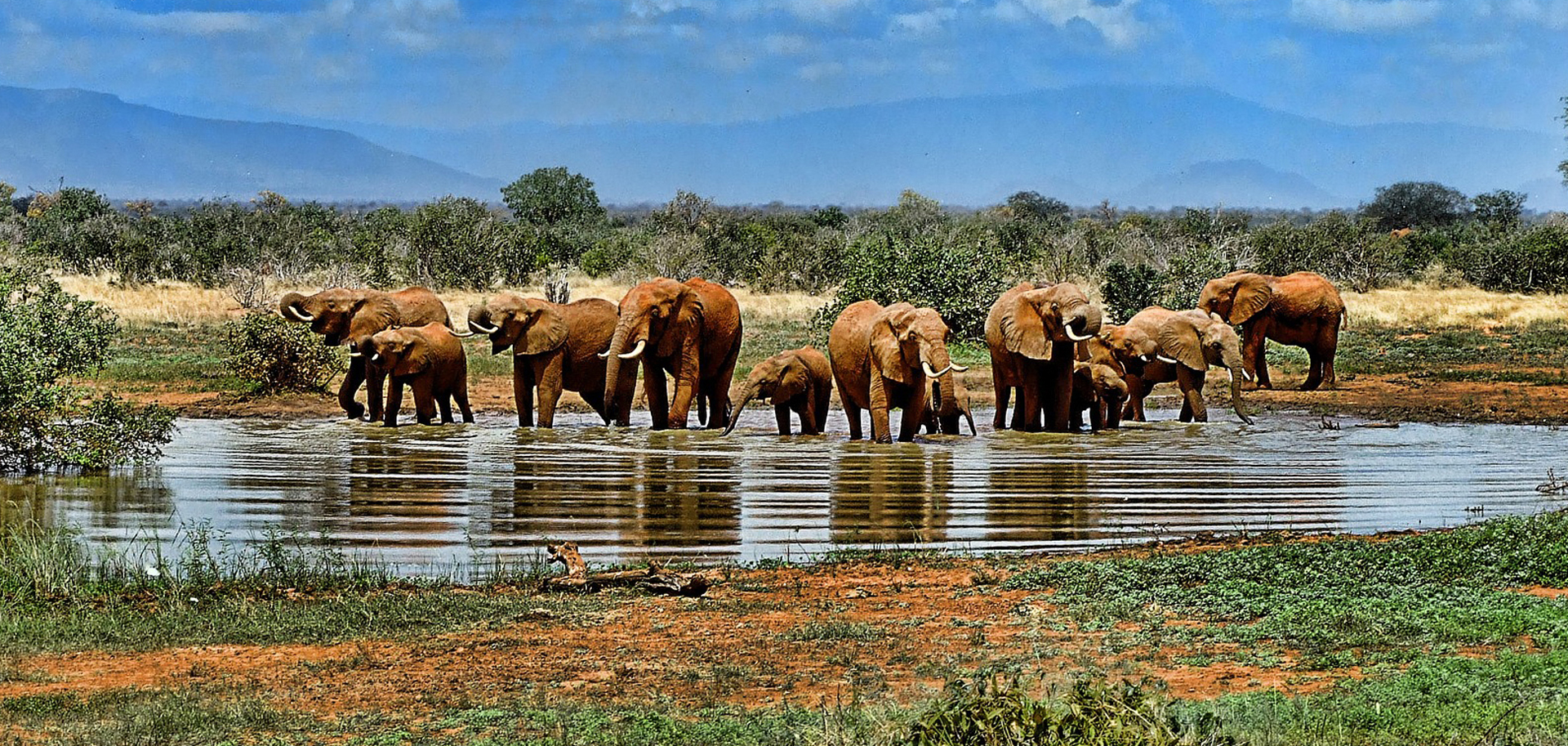
A wildlife safari is centered primarily on observing animals in their natural habitats. The core activities are designed to maximize wildlife sightings and immerse travelers in the wilderness. This typically includes early morning and late afternoon game drives in specialized 4x4 vehicles, guided bush walks to learn about tracking and smaller ecosystems, and sometimes boat or canoe safaris on rivers and lakes. The ultimate goal is to witness Africa's iconic fauna, from the celebrated "Big Five" (lion, leopard, elephant, rhino, and buffalo) to the vast diversity of birdlife, antelope, and smaller predators.
Example Destination: The Maasai Mara National Reserve in Kenya is a quintessential wildlife destination. Here, the experience is almost entirely focused on game viewing across its vast, rolling grasslands. A typical day is structured around long game drives in search of cheetahs on the hunt, prides of lions, and the massive herds of wildebeest during the Great Migration season (typically July to October). The success of the safari is measured by the quality and diversity of the wildlife encounters.
What Constitutes a Cultural Safari?
A cultural safari, on the other hand, prioritizes authentic and respectful engagement with local communities and their living traditions. It offers a deeper understanding of the human element of the African landscape, providing context to the history and daily life of the people who coexist with the wildlife. Activities are interactive and educational, such as visiting a Maasai or Samburu village in Kenya to learn about their semi-nomadic pastoralist lifestyle, participating in a traditional beading workshop, or learning about medicinal plants from a community elder.
Case Study: Integrating Culture in Northern Tanzania: A prime example of a meaningful cultural experience is a visit to the Hadzabe and Datoga communities near Lake Eyasi in Tanzania. After a classic wildlife safari in the Serengeti and Ngorongoro Crater, travelers can spend a day with the Hadzabe, one of the last remaining hunter-gatherer tribes in Africa. The experience involves joining them on a morning hunt, learning about their unique click language, and gaining profound insight into their ancient way of life. This provides a powerful contrast to the wildlife-focused portion of the trip and creates a more holistic understanding of the region.
Related Resources
For more information on planning your safari, explore our destination guides, browse the safari operator directory, or connect with an experienced safari planning guide for personalized guidance.
Key Differences: A Comparative Framework
To make an informed decision, it helps to see a direct comparison. While many modern safaris offer a blend of both experiences, understanding their core distinctions is key to aligning the trip with your priorities. The best itineraries often weave elements of both, but your primary focus will shape the daily flow, locations, and accommodations.
| Feature | Wildlife-Focused Safari | Cultural Safari | | :--- | :--- | :--- | | Primary Goal | To observe and photograph animals in their natural habitat. Success is often measured by the diversity and quality of wildlife sightings. | To engage with and learn from local communities. Success is measured by the authenticity and depth of the human connection. | | Typical Activities | Early morning and late afternoon game drives, guided bush walks, bird watching, boat safaris. | Village visits, participating in daily chores, visiting local markets and schools, storytelling with elders, traditional craft workshops. | | Pacing | Dictated by animal behavior. Expect early starts (pre-dawn) and activities centered around times when wildlife is most active. | More flexible and fluid, scheduled around community activities and opportunities for spontaneous interaction. | | Prime Destinations | Serengeti National Park (Tanzania), Kruger National Park (South Africa), Okavango Delta (Botswana), Maasai Mara (Kenya). | Omo Valley (Ethiopia), Northern Kenya (Samburu & Himba communities), Lake Eyasi (Tanzania for Hadzabe encounters), Namibia. | | Accommodation | Classic safari lodges and tented camps located in or near national parks, such as &Beyond Ngorongoro Crater Lodge or Singita Boulders Lodge. | Community-owned lodges (e.g., Il Ngwesi Lodge in Kenya), mobile camps that move with pastoralist groups, or lodges with deep community partnerships like Sarara Camp. | | Ethical Focus | Supporting conservation initiatives, anti-poaching units, and habitat preservation. Adhering to park rules and respectful wildlife viewing distances. | Ensuring respectful, non-exploitative interactions. Supporting community-owned enterprises and ensuring tourism benefits the local people directly. |
Choosing the Right Safari for You: Real-World Scenarios
Your personal travel style and goals are the most important factors. Consider these scenarios:
- Scenario 1: The First-Time Visitor. A family is planning their first trip to Africa and their primary dream is to see elephants, lions, and giraffes. They have a limited timeframe of 7-10 days.
- Recommendation: A wildlife-focused safari is the ideal choice. A trip to Tanzania's Northern Circuit (Serengeti, Ngorongoro) or a private reserve adjacent to Kruger National Park in South Africa will maximize their chances of seeing the "Big Five" and other classic African animals. The itinerary would be built around game drives and classic safari lodges.
- Scenario 2: The Return Traveler or Anthropologist. A couple has been on safari before in Kenya and Botswana. They loved the wildlife but left feeling they only scratched the surface of the continent's human diversity.
- Recommendation: A cultural safari would be deeply rewarding. They could consider a trip to Namibia to spend time with the semi-nomadic Himba people or a journey to Ethiopia's Omo Valley, a region of incredible cultural diversity. The focus would be on immersive experiences, not just observation.
- Scenario 3: The Holistic Explorer. A solo traveler wants to see incredible wildlife but also desires a meaningful connection with the place and its people. They want to understand the full picture of conservation, where wildlife and communities coexist.
- Recommendation: A hybrid safari that balances both elements. A great option is a trip to a community conservancy in Northern Kenya, such as the Namunyak Wildlife Conservancy. Here, they can stay at a lodge like Sarara Camp, which is owned by the Samburu community. Days can be spent tracking elephants and leopards, but also visiting the local Samburu village, learning about their ancient traditions, and seeing how conservation directly benefits the community. This approach provides a more complete and impactful journey, and you can find operators specializing in this through our safari operator directory.
Need Expert Safari Guidance?
Get expert advisory support from a firm founded by a former safari guide — with real operational knowledge across 9 African countries and full-journey accountability.
Related Planning Guides
Recommended Reading
 Safari Comparison Articles
Birding Safari vs Wildlife Safari
An in-depth comparison of Birding Safari vs Wildlife Safari to help you choose the perfect safari experience. Explore the pros, cons, and key differences to mak
 Safari Comparison Articles
Predator-Focused Safari vs General Wildlife Safari
An in-depth comparison of Predator-Focused Safari vs General Wildlife Safari to help you choose the perfect safari experience. Explore the pros, cons, and key d
 Safari Comparison Articles
Rwanda Gorilla vs Akagera Wildlife Safari
Compare two of Rwanda\
 Safari Safety
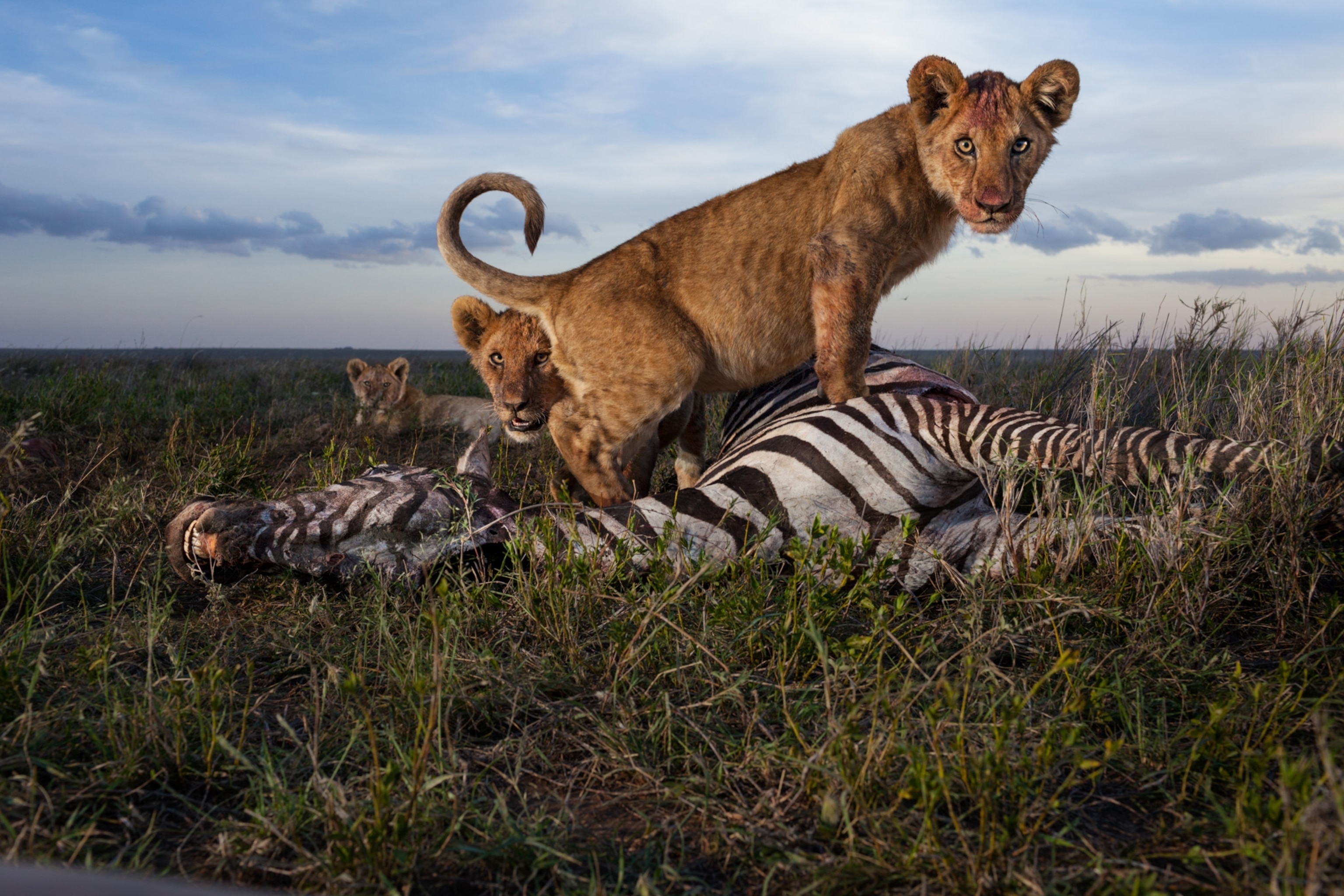
Wildlife Safety on Safari
Planning an African safari? Our guide to wildlife safety provides essential tips for staying safe around wild animals, from game drives to walking safaris.
 Expert Safari Knowledge
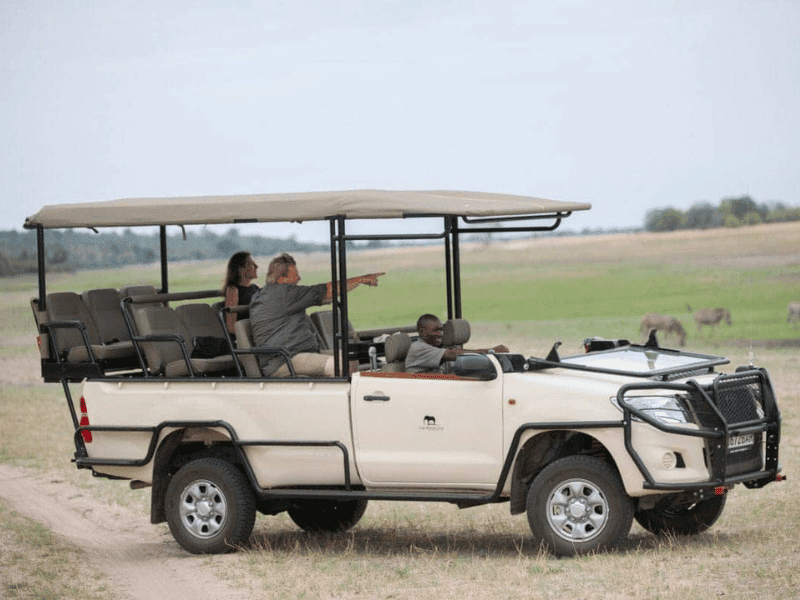
Cultural Experiences on Safari
Go beyond the wildlife. Learn how to plan a safari that includes authentic cultural encounters with local communities for a more meaningful journey.
 Safari Planning Guides
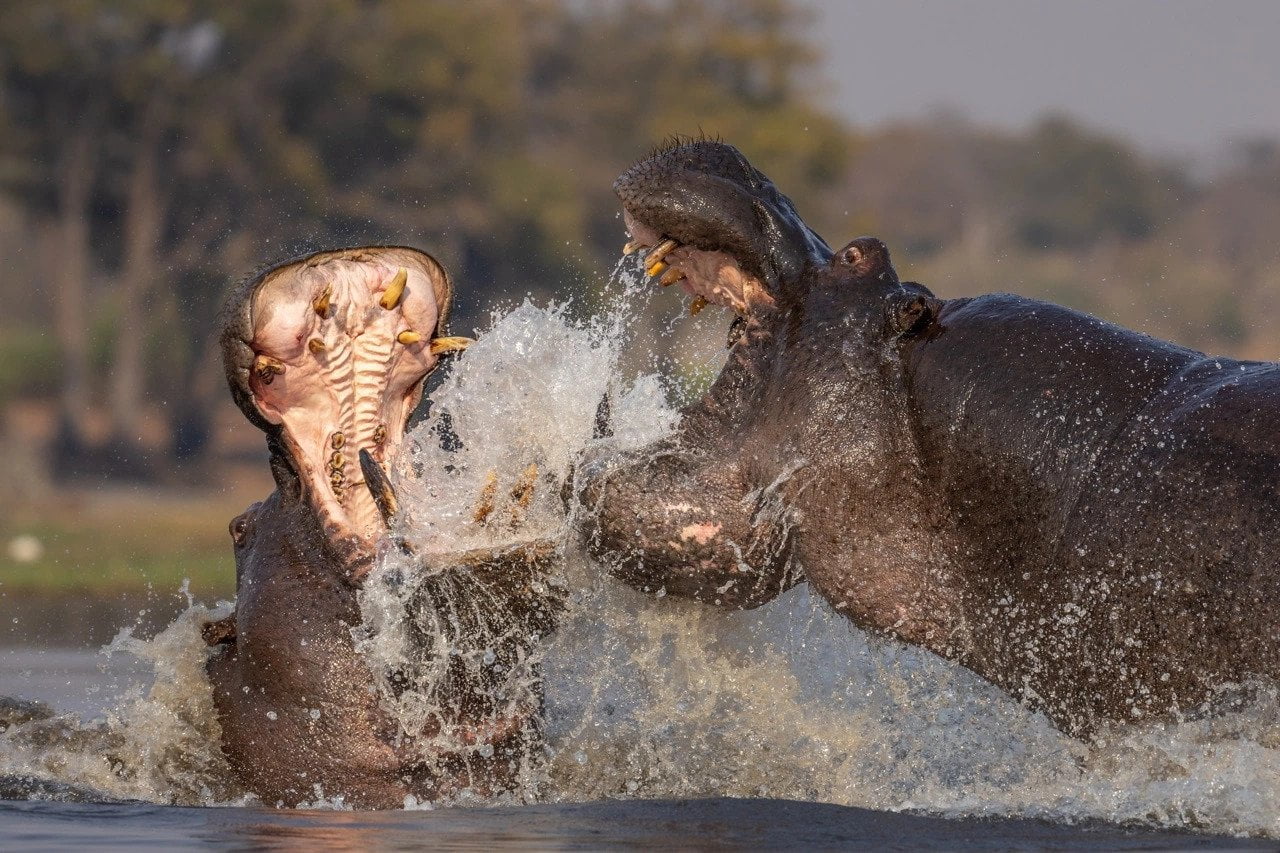
How to Plan a Safari With Cultural Experiences
Discover how to plan your dream safari with our expert guide on How to Plan a Safari With Cultural Experiences. Get tips on destinations, costs, and more.