
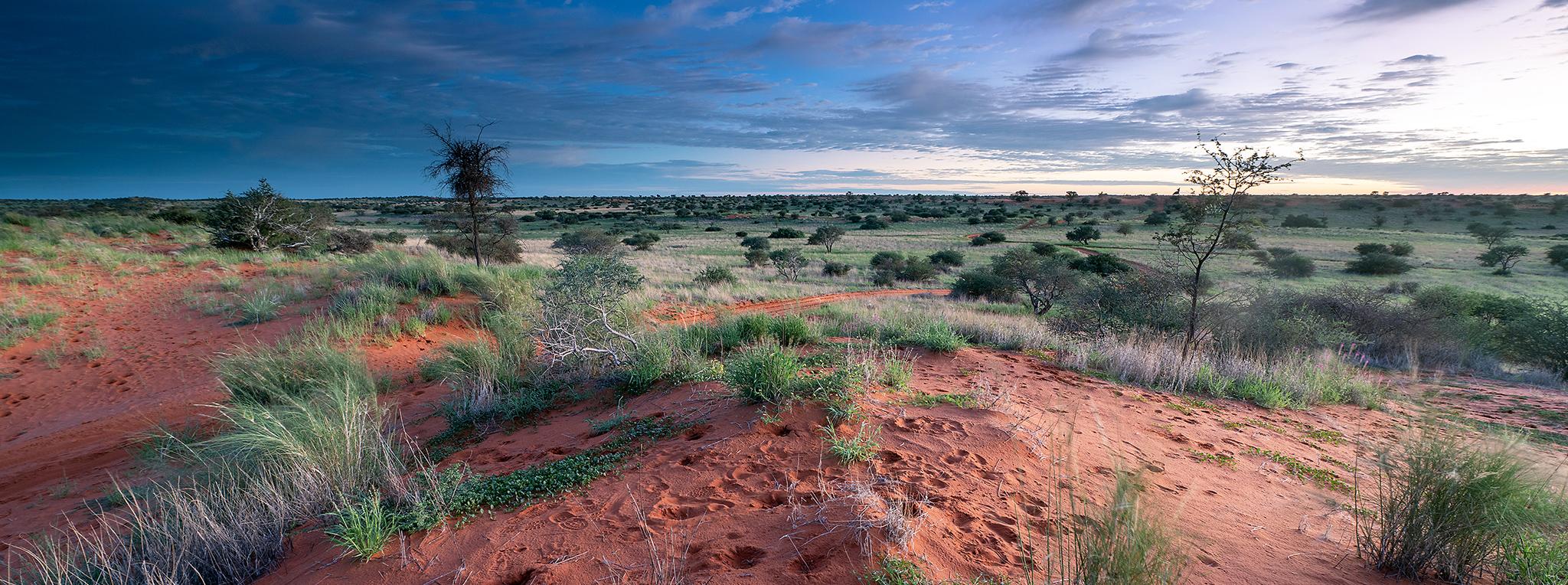
Learn all about Safari Cultural Sensitivity Preparation in this comprehensive guide.
Understanding the Climate and Terrain in Africa
When packing for a safari in Africa, it's essential to consider the local climate and terrain. Africa has a diverse landscape, from vast plains to dense forests. Temperatures can fluctuate significantly, with warm days and cool evenings. Lightweight, breathable fabrics are your best friend. For more on planning your trip, see our destination guide for Africa.
Essential Clothing Items
Neutral-colored clothing is highly recommended to blend in with the environment and avoid startling the wildlife. Think khaki, olive, and brown. You'll want to pack a mix of short-sleeved shirts and long-sleeved shirts for sun protection. A lightweight waterproof jacket is also a must, as rain showers can be unpredictable. For personalized packing advice, consider consulting with one of our safari operators.
Still researching? Let us help.
Our advisory team has planned safaris across 9 African countries. We can turn your research into a real plan.
Talk to an AdvisorFootwear for All Activities
Comfortable, broken-in walking shoes are non-negotiable. Whether you're on a walking safari or just exploring your lodge, you'll be on your feet a lot. A pair of sandals or flip-flops is also great for relaxing at the lodge. If you're planning any strenuous hikes, be sure to bring appropriate hiking boots. Our safari cost calculator can help you budget for any specialized gear you may need to purchase.
Sun and Insect Protection
A wide-brimmed hat, sunglasses, and high-SPF sunscreen are crucial for protecting yourself from the African sun. Insect repellent is also a must, especially in the evenings. Look for a repellent containing DEET for the most effective protection against mosquitoes and other biting insects. For more health and safety tips, visit our knowledge base.
Evening and Lodge Attire
Evenings on safari can be a mix of casual and smart-casual. Most lodges have a relaxed dress code, but it's always a good idea to pack a slightly nicer outfit for dinner. A pashmina or wrap is perfect for adding a touch of warmth and style. Before you book, be sure to research safari operators in Africa to understand the specific dress codes at their lodges.
Done Reading? Let's Build Your Safari.
Skip the guesswork. Work with an advisor who has been on the ground across East and Southern Africa.
Plan With UsDeepening Your Cultural Understanding
Beyond just what you wear, true cultural sensitivity on safari is about your mindset and interactions. It involves a genuine desire to learn, respect, and engage with the local cultures you encounter. Many travelers find these interactions to be as memorable as the wildlife sightings. A key part of this is understanding that you are a guest in someone's home country, and your actions can have a lasting impact, both positive and negative. Engaging with local communities is a privilege, and approaching it with humility and respect is paramount for a meaningful experience. For more insights on planning a responsible trip, our safari operators are an excellent resource.
Greetings and Basic Phrases
Learning a few basic words in the local language can go a long way in building rapport and showing respect. In East Africa, particularly Kenya and Tanzania, knowing some Swahili is greatly appreciated.
- Jambo: A friendly, all-purpose "Hello."
- Asante (sana): "Thank you (very much)."
- Karibu: "Welcome."
- Tafadhali: "Please."
> Traveler's Tip: Don't worry about perfect pronunciation. The effort to speak the local language is what matters and is almost always met with a warm smile. Your guide can be a great resource for learning a few key phrases during your drives between destinations.
Social Etiquette and Non-Verbal Communication
Gestures and social norms can vary significantly. For instance, in many African cultures, it is considered polite to greet with your right hand, as the left hand is traditionally reserved for personal hygiene. Pointing with your index finger can be seen as rude; instead, use an open hand to gesture. When in doubt, observe how your guide and other locals interact. This observational approach is often the best way to learn and adapt gracefully.
Ethical Photography and Community Interactions
Photographing people can be a sensitive issue. While it's tempting to capture every moment, it's crucial to remember that you are in someone else's community, not a human zoo. The goal should always be to capture memories respectfully.
Asking for Permission
Always ask for permission before taking a photograph of an individual, especially children. Hold up your camera and gesture with a questioning look—it's a universal sign. If they decline, respect their wishes and put your camera away. Some people may ask for a small payment in exchange for a photo. While this is a personal decision, be aware that it can sometimes encourage a transactional dynamic rather than a genuine interaction. A better approach is to engage in conversation first, showing genuine interest in their life and culture.
> Expert Insight: Instead of paying individuals for photos, consider supporting the community in a more sustainable way. Purchase locally made crafts, contribute to a community project recommended by your safari operator, or visit a market. This ensures your financial contribution has a broader, more positive impact.
Tipping on Safari: A Guide to Gratuity
Tipping is a customary and significant part of the safari economy, providing a vital source of income for guides, trackers, and lodge staff. Knowing the proper etiquette can feel daunting, so preparation is key. While tipping is discretionary, it is highly expected for good service.
How Much to Tip
Guidelines can vary by country and by the level of luxury of the lodge. It's often best to consult our comprehensive safari cost calculator or speak with your advisor when you plan your safari. However, here are some general figures to help you budget (per person, per day):
- Safari Guide: $15 - $25 USD
- Tracker (if applicable): $10 - $15 USD
- General Lodge Staff (in a communal tip box): $15 - $20 USD
- Transfer Drivers/City Guides: $5 - $10 USD per transfer
How to Tip
Most lodges will have a communal tip box at the reception for general staff (kitchen, housekeeping, security). This is the fairest way to ensure everyone who made your stay comfortable is rewarded. For your guide and tracker, it is more personal and appropriate to tip them directly on your final day with them. Prepare cash in envelopes for this purpose. US dollars are widely accepted, but local currency is also fine. Ensure you have a mix of smaller and larger bills.
> Traveler's Tip: Carry enough cash for tips, as ATMs are scarce in remote safari areas. It's wise to budget for this before you travel and set the cash aside. This avoids any awkwardness at the end of your incredible journey and ensures you can properly thank the team who made it so special.
Need Expert Safari Guidance?
Get expert advisory support from a firm founded by a former safari guide — with real operational knowledge across 9 African countries and full-journey accountability.
Related Planning Guides
Recommended Reading
 Packing & Preparation
Safari Fitness Preparation Guide
Learn all about Safari Fitness Preparation Guide in this comprehensive guide.
 Packing & Preparation
Walking Safari Fitness Preparation
Learn all about Walking Safari Fitness Preparation in this comprehensive guide.
 Packing & Preparation
Mountain Safari Fitness Preparation
Learn all about Mountain Safari Fitness Preparation in this comprehensive guide.
 Safari Comparison Articles
Cultural Safari vs Wildlife Safari
An in-depth comparison of Cultural Safari vs Wildlife Safari to help you choose the perfect safari experience. Explore the pros, cons, and key differences to ma
 Expert Safari Knowledge
Cultural Experiences on Safari
Go beyond the wildlife. Learn how to plan a safari that includes authentic cultural encounters with local communities for a more meaningful journey.
 Safari Planning Guides
How to Plan a Safari With Cultural Experiences
Discover how to plan your dream safari with our expert guide on How to Plan a Safari With Cultural Experiences. Get tips on destinations, costs, and more.