
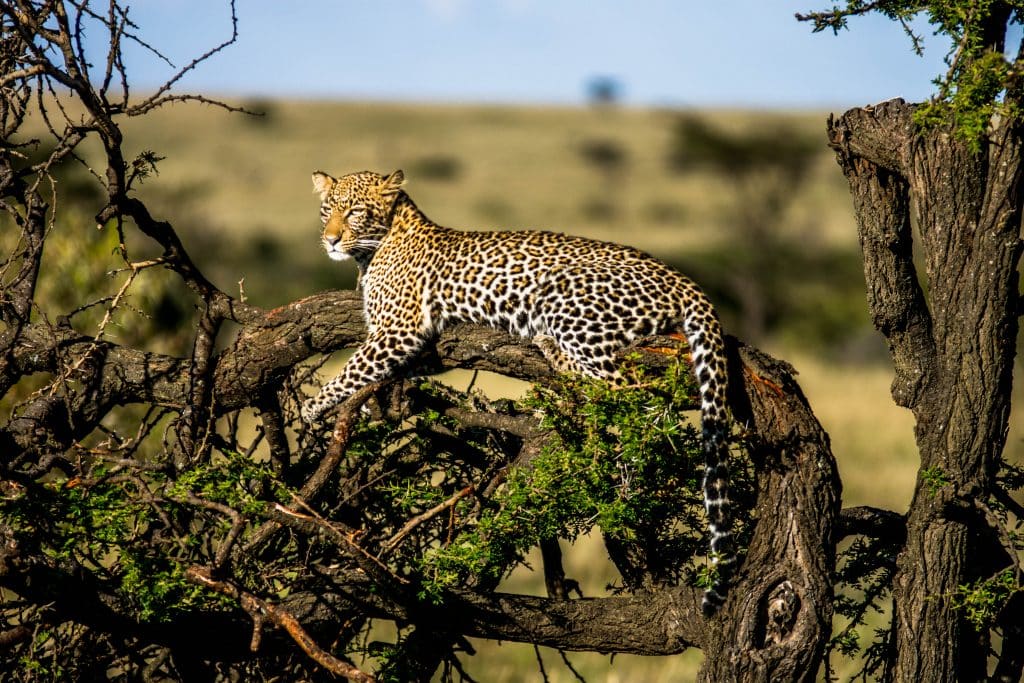
A comprehensive guide to Complete Guide to Butterfly Species on Safari. Learn about its habitat, behavior, diet, and conservation status.
Complete Guide to Butterfly Species on Safari
Planning a safari involves many important decisions, and understanding complete guide to butterfly species on safari is one of the most critical. This comprehensive guide draws on years of field experience to help you navigate this aspect of safari travel with confidence.
Practical Planning Steps
Step two involves researching your options thoroughly. Compare different destinations, operators, and approaches to complete guide to butterfly species on safari. Read reviews from verified travelers, consult with safari operators, and cross-reference information from multiple sources.
Step one in addressing complete guide to butterfly species on safari is to clearly define your priorities and expectations. Are you focused on specific wildlife sightings, cultural experiences, photography opportunities, or a combination? Your answer will shape every subsequent decision.
Still researching? Let us help.
Our advisory team has planned safaris across 9 African countries. We can turn your research into a real plan.
Talk to an AdvisorMaking the Most of Your Experience: Complete Guide to Butterfly Species on Safari
To truly optimize complete guide to butterfly species on safari, approach your safari with an open mind and realistic expectations. Africa has a way of surprising even the most experienced travelers, and some of the best moments come from unexpected encounters and unplanned detours.
Finally, remember that a safari is more than just wildlife viewing. The cultural experiences, landscapes, and personal connections you make along the way are equally valuable. Approaching complete guide to butterfly species on safari with this broader perspective will enrich your entire journey.
Photography enthusiasts should pay special attention to complete guide to butterfly species on safari as it relates to their equipment and technique. The lighting conditions, distances, and movement patterns of African wildlife create unique challenges and opportunities that benefit from advance preparation.
Regional Considerations Across Africa: Complete Guide to Butterfly Species on Safari
Southern Africa presents a different landscape for complete guide to butterfly species on safari. Countries like Botswana, South Africa, Namibia, and Zimbabwe each have established infrastructure and practices that reflect their unique environments. The Okavango Delta, for instance, requires water-based considerations that land-based safaris in Kruger National Park do not.
East African safaris, particularly in Kenya and Tanzania, have their own distinct approach to complete guide to butterfly species on safari. The Serengeti-Mara ecosystem, which hosts the Great Migration, requires specific planning considerations that differ from destinations like Amboseli or Ngorongoro. Understanding these regional differences is crucial for optimizing your experience.
Central and West African destinations, including Uganda, Rwanda, and the Congo, offer specialized experiences like gorilla trekking that bring their own set of requirements. These destinations often involve more challenging terrain and different logistical considerations compared to the classic savanna safari.
Common Mistakes to Avoid
Underestimating the importance of complete guide to butterfly species on safari is perhaps the biggest mistake of all. Travelers who give this aspect of their safari proper attention consistently report more satisfying experiences than those who treat it as an afterthought.
One of the most frequent mistakes travelers make with complete guide to butterfly species on safari is waiting too long to start planning. Popular safari destinations and lodges book up months in advance, especially during peak season. Last-minute planning often results in limited options and higher costs.
Done Reading? Let's Build Your Safari.
Skip the guesswork. Work with an advisor who has been on the ground across East and Southern Africa.
Plan With UsSeasonal Factors and Timing
Weather patterns across Africa are becoming less predictable due to climate change, which adds another layer of consideration to complete guide to butterfly species on safari. Working with operators who have current, on-the-ground knowledge of conditions is more important than ever.
The timing of your safari significantly impacts complete guide to butterfly species on safari. Dry season months, typically June through October in most East African destinations, offer different conditions than the green season months of November through May. Each period has distinct advantages and considerations.
Related Resources
For more information on planning your safari, explore our destination guides, browse the safari operator directory, or connect with an experienced safari planning guide for personalized guidance.
Butterfly Hotspots: Top Parks for Lepidoptera Lovers
While the Big Five often steal the spotlight, Africa's national parks are teeming with smaller, equally fascinating creatures. For the avid lepidopterist, certain destinations offer an unparalleled butterfly-watching experience. These hotspots are characterized by diverse habitats, abundant floral resources, and favorable microclimates that support a rich diversity of butterfly species.
Nyungwe Forest National Park, Rwanda
Nyungwe Forest is an Albertine Rift montane rainforest, a biodiversity hotspot that is home to over 275 butterfly species, many of which are endemic to the region. The park's high-altitude rainforest, with its dense canopy and network of hiking trails, provides an immersive environment for butterfly enthusiasts.
> Expert Insight: Look for the stunning Blue-headed Sapphire (Iolaus diaeus) and the Forest Mother-of-Pearl (Salamis parhassus) along the forest edges and in sunny clearings. The best time to visit for butterfly watching is during the rainy seasons (March to May and September to November) when the forest is lush and butterfly activity is at its peak.
Arabuko-Sokoke Forest, Kenya
Located on the Kenyan coast, the Arabuko-Sokoke Forest is the largest remaining fragment of the East African coastal forests. This unique ecosystem supports an incredible diversity of life, including over 230 butterfly species. The forest's varied habitats, from dense cynometra woodland to open grasslands, contribute to its rich lepidopteran fauna.
A visit to Arabuko-Sokoke can be easily combined with a beach holiday in Malindi or Watamu. For a truly specialized experience, consider hiring a local guide who can help you identify the forest's unique species, such as the Sokoke Scops Owl and the Golden-rumped Elephant Shrew, in addition to its butterflies. For more information on custom itineraries, plan your safari with one of our experts.
Seasonal Butterfly Watching: A Tale of Two Seasons
The timing of your safari can have a significant impact on your butterfly-watching experience. The wet and dry seasons each offer distinct opportunities and challenges for the lepidopterist.
The Wet Season: A Time of Abundance
The wet season (typically November to May in East Africa) is generally considered the best time for butterfly watching. The rains trigger the growth of flowering plants, providing an abundant source of nectar for adult butterflies. This is also the time when many species emerge from their pupal stage, resulting in a noticeable increase in butterfly numbers and diversity.
> Traveler's Tip: During the wet season, focus your search on the edges of forests, along riverbanks, and in areas with a high concentration of flowering shrubs. Be prepared for muddy conditions and have waterproof gear for yourself and your camera equipment.
The Dry Season: A Time of Concentration
While the wet season boasts higher numbers, the dry season (June to October) offers its own unique advantages. As water sources become scarce, butterflies and other wildlife tend to congregate around the remaining rivers and waterholes, making them easier to spot. The reduced vegetation also improves visibility, allowing for clearer views and better photographic opportunities.
Some species, particularly those in the Nymphalidae family, are more active during the dry season. Look for them basking in the sun on exposed rocks and branches. For more detailed seasonal information, explore our knowledge center.
Photographing Butterflies on Safari: A Practical Guide
Photographing butterflies requires a different approach than capturing images of larger game. Their small size, rapid movements, and delicate nature present a unique set of challenges. Here are a few tips to help you get the perfect shot:
- Use a macro lens: A dedicated macro lens with a focal length of at least 100mm is essential for capturing detailed, frame-filling images of butterflies.
- Choose a fast shutter speed: To freeze the motion of a butterfly's wings, you'll need a shutter speed of at least 1/500s. In lower light conditions, you may need to increase your ISO to achieve this.
- Approach slowly and cautiously: Butterflies are easily startled. Move slowly and avoid making any sudden movements. Try to approach them from the side rather than from above.
- Pay attention to the background: A cluttered or distracting background can ruin an otherwise great photo. Position yourself to capture the butterfly against a clean, out-of-focus background.
For more advanced photographic advice, consider connecting with one of our safari operators who specializes in photographic safaris.
Need Expert Safari Guidance?
Get expert advisory support from a firm founded by a former safari guide — with real operational knowledge across 9 African countries and full-journey accountability.
Related Planning Guides
Explore Related Topics
Recommended Reading
 Wildlife Guides
Complete Guide to Safari Ant Species
A comprehensive guide to Complete Guide to Safari Ant Species. Learn about its habitat, behavior, diet, and conservation status.
 Wildlife Guides
Complete Guide to Giraffe Species and Subspecies
Learn all about Complete Guide to Giraffe Species and Subspecies in this comprehensive guide. Discover the best time to go, what to see, and how to plan your trip.
 Wildlife Guides
Complete Guide to Vulture Species of Africa
Learn all about Complete Guide to Vulture Species of Africa in this comprehensive guide. Discover the best time to go, what to see, and how to plan your trip.
 Destination Guides
Complete Guide to Garden Route Safari Options
A complete guide to Complete Guide to Garden Route Safari Options. Learn about the wildlife, activities, and best time to visit this amazing destination.
 Country Guides
Complete Safari Guide to Tanzania
Your complete guide to Complete Safari Guide to Tanzania. Find the best destinations, planning tips, and more for your next safari adventure.
 Country Guides
Complete Safari Guide to Kenya
Your complete guide to Complete Safari Guide to Kenya. Find the best destinations, planning tips, and more for your next safari adventure.