
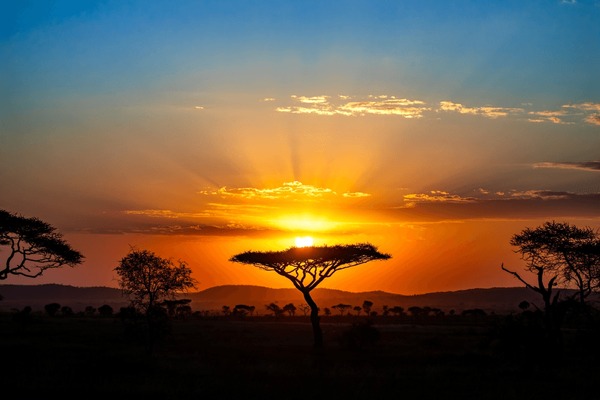
Discover the wonders of Ruaha National Park, Tanzania\
Tanzania's largest national park, Ruaha, is a vast and remote wilderness that promises an authentic and exclusive safari experience. A place of untamed beauty, where dramatic landscapes meet exceptional wildlife, this guide will take you through everything you need to know to plan your adventure to this remarkable destination, from its incredible predator populations to the best time to visit and the unique experiences that await.
Ruaha's Wildlife: A Predator's Paradise
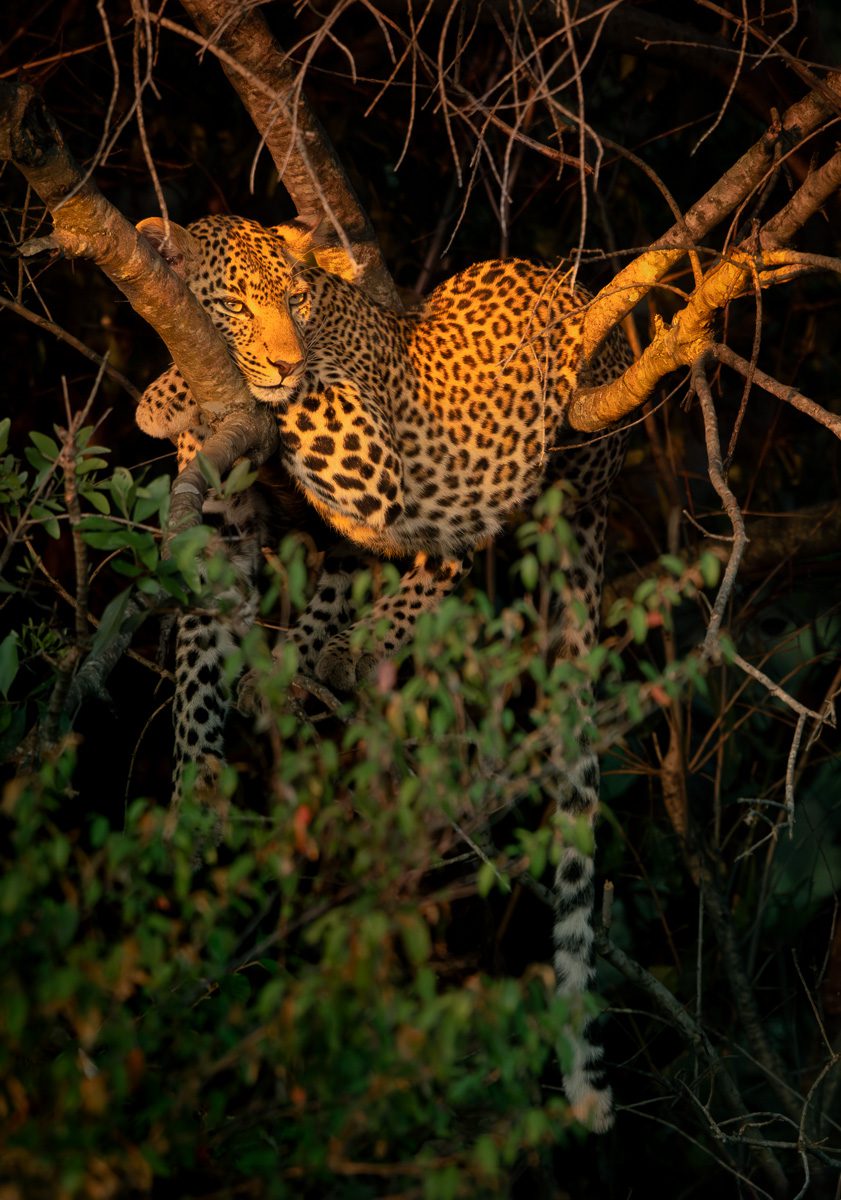
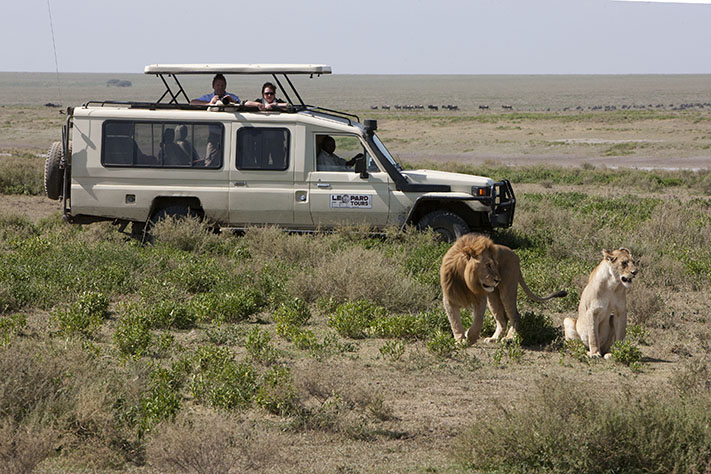
Ruaha National Park is renowned for its exceptional predator concentrations, boasting one of the largest lion populations in the world. It is estimated that 10% of the world's lions roam this vast wilderness, offering unparalleled opportunities to witness their social dynamics and hunting behaviors. The prides in Ruaha are known for their large size and their skill in taking down large prey like buffalo and even young elephants. Beyond lions, Ruaha is a stronghold for other formidable predators, including leopards, which are often seen lounging in the branches of sausage trees, and cheetahs, which stalk the open plains. The park is also one of the last remaining havens for the endangered African wild dog, with several large packs denning in the area.
Big Game and Unique Antelope Species
The park is not only about predators; it is also home to massive herds of elephants and Cape buffalo. The Great Ruaha River acts as a lifeline, attracting a rich diversity of wildlife, especially during the dry season. As the river shrinks, it creates a theater of survival, with large concentrations of giraffe, zebra, and various antelope species gathering at the remaining waterholes. Notably, Ruaha is one of the few places where you can find both greater and lesser kudu, as well as the majestic sable and roan antelope. This unique combination of species makes every game drive an exciting and unpredictable adventure. The park's baobab-studded landscapes provide a stunning backdrop for wildlife photography.
A Birder's Haven
With over 570 recorded bird species, Ruaha is a paradise for avian enthusiasts. The park's location at the convergence of eastern and southern African ecosystems contributes to its incredible bird diversity. From the striking colors of the lilac-breasted roller to the impressive size of the ostrich, the birdlife in Ruaha is as captivating as its mammal population. The Usangu wetlands, in particular, are a hotspot for waterbirds, attracting large flocks of storks, herons, and egrets. Keep an eye out for the endemic Ruaha red-billed hornbill and the rare Eleonora's falcon.
The Best Time to Visit Ruaha
The best time to visit Ruaha National Park for wildlife viewing is during the dry season, which runs from June to October. During these months, the vegetation is sparse, and animals congregate around the Great Ruaha River and other water sources, making them easier to spot. The weather is pleasant, with sunny days and cool nights, creating ideal conditions for game drives and walking safaris.
The Green Season: A Different Perspective
While the dry season is the most popular time to visit, the green season, from November to May, offers a different but equally rewarding experience. The landscape transforms into a lush, green paradise, and it's the best time for birdwatching as migratory birds arrive. Although wildlife can be harder to spot in the dense vegetation, you'll be rewarded with beautiful scenery, fewer crowds, and the sight of newborn animals. The "short rains" of November and December bring new life to the park, while the "long rains" of March to May can make some roads impassable.
Still researching? Let us help.
Our advisory team has planned safaris across 9 African countries. We can turn your research into a real plan.
Talk to an AdvisorGetting to Ruaha National Park
Ruaha National Park is located in southern Tanzania, making it more remote and less crowded than the northern circuit parks. The most convenient way to reach Ruaha is by a scheduled or chartered flight from Dar es Salaam, Arusha, or the Serengeti. Several local airlines, such as Coastal Aviation and Auric Air, operate daily flights to the park's two main airstrips, Msembe and Jongomero. The flight from Dar es Salaam takes approximately two hours, offering stunning aerial views of the Tanzanian landscape.
Overland Travel
For the more adventurous traveler, it is possible to drive to Ruaha from Dar es Salaam or other nearby towns. However, the journey is long and can be challenging, especially during the rainy season. The drive from Dar es Salaam can take up to ten hours, so it's best to break up the journey with an overnight stop in Mikumi National Park. While it requires more time and effort, an overland trip allows you to experience the changing landscapes and rural life of Tanzania.
Things to Do in Ruaha
Game Drives
The primary activity in Ruaha is, of course, game drives. The park's vast and varied landscapes offer a wide range of experiences, from tracking lions on the open plains to searching for leopards in the riverine forests. The sheer size of the park means you can often enjoy wildlife sightings without another vehicle in sight, providing a truly exclusive safari experience. A typical game drive lasts for about three to four hours, in the early morning and late afternoon when the animals are most active.
Walking Safaris
For a more intimate and immersive experience, a walking safari is a must-do in Ruaha. Accompanied by an armed ranger and an expert guide, you'll have the opportunity to explore the bush on foot, learning about the smaller creatures, tracking animals, and interpreting the signs of the wild. It's a thrilling way to connect with nature on a deeper level. A walking safari is not about covering long distances, but about paying attention to the details you would miss from a vehicle.
Night Game Drives
Some camps in Ruaha offer night game drives, which provide a unique opportunity to see the park's nocturnal animals. With the help of a powerful spotlight, you can search for elusive creatures like genets, civets, and porcupines, as well as predators on the hunt. It's a completely different and exciting way to experience the African bush. The sounds of the night and the thrill of spotting a pair of eyes in the darkness make for an unforgettable experience.
Where to Stay in Ruaha
Ruaha offers a range of accommodation options to suit different budgets and preferences, from luxury lodges to rustic tented camps. Most of the lodges and camps are situated along the Great Ruaha River, offering stunning views and excellent wildlife viewing opportunities right from your doorstep.
Luxury Lodges
For those seeking a high-end safari experience, Ruaha has several luxurious lodges that offer exceptional comfort, service, and guiding. Lodges like Jabali Ridge and Ikuka Safari Camp offer stunning architecture, private plunge pools, and gourmet dining. They also offer a wide range of activities, including game drives, walking safaris, and bush dinners under the stars.
Tented Camps
For a more authentic and adventurous safari experience, a tented camp is an excellent choice. These camps offer comfortable and well-equipped tents with en-suite bathrooms, providing a close-to-nature experience without sacrificing comfort. Camps like Mwagusi Safari Camp and Kichaka Untamed are known for their excellent guiding and prime locations. Many of the tented camps in Ruaha are small and intimate, offering a personalized and exclusive safari experience.
Ruaha National Park is a hidden gem that offers a wild and authentic safari experience. Its remote location, vast landscapes, and incredible wildlife concentrations make it the perfect destination for the discerning safari enthusiast. Whether you're a first-time visitor or a seasoned safari-goer, Ruaha will captivate you with its raw beauty and untamed wilderness.
Need Expert Safari Guidance?
Get expert advisory support from a firm founded by a former safari guide — with real operational knowledge across 9 African countries and full-journey accountability.
Related Planning Guides
Explore Related Topics
Recommended Reading
 National Park Guides
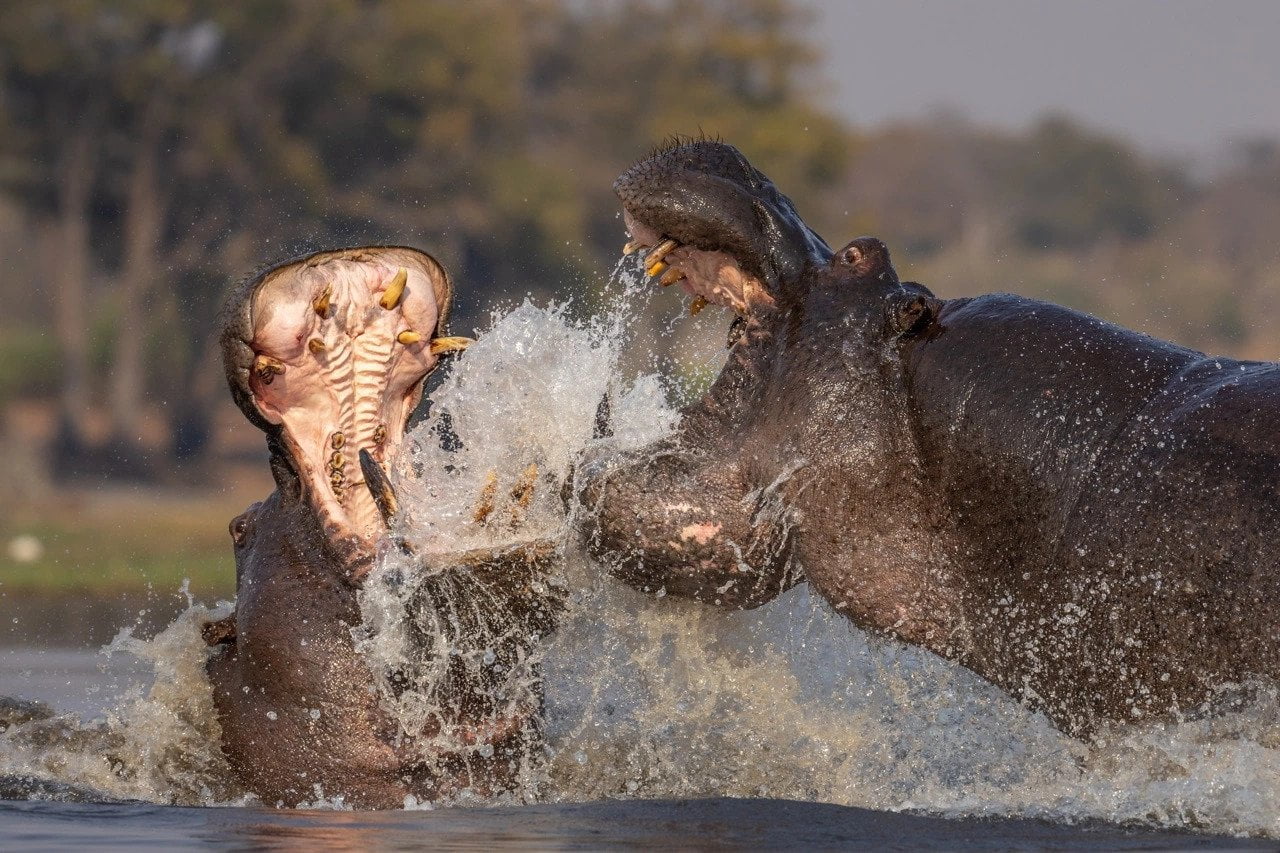
Serengeti National Park Guide
Explore the wonders of Serengeti National Park with our expert guide. Learn about the Great Migration, wildlife, and planning your unforgettable Tanzanian safari.
 National Park Guides
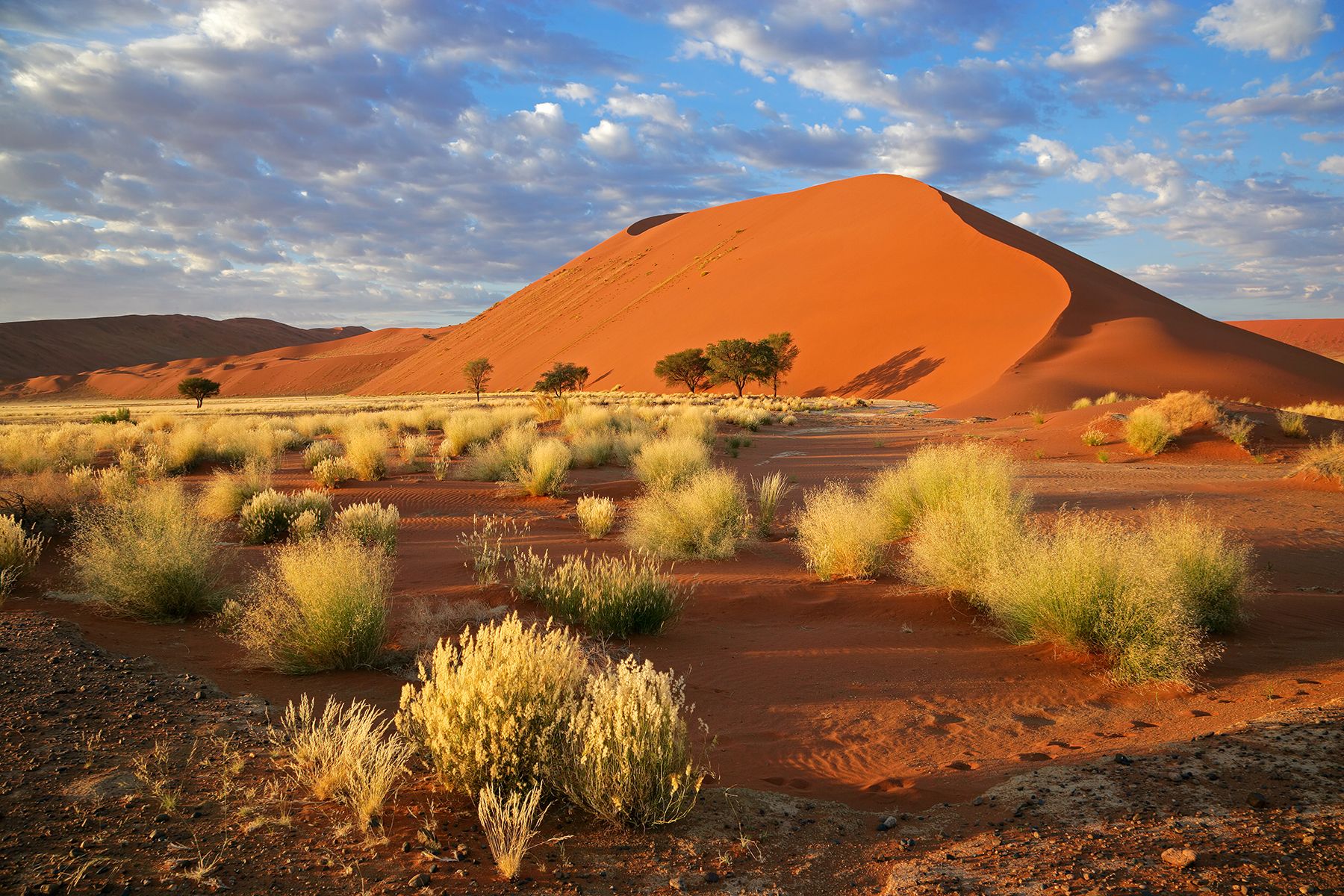
Kruger National Park Guide
Discover the ultimate guide to Kruger National Park. Learn about its incredible wildlife, the best time to visit, and how to plan your dream safari adventure.
 National Park Guides
Chobe National Park Guide
Discover the ultimate guide to Chobe National Park, Botswana\
 Destination Guides
Complete Guide to Table Mountain National Park
A complete guide to Complete Guide to Table Mountain National Park. Learn about the wildlife, activities, and best time to visit this amazing destination.
 Destination Guides
Complete Guide to Nyerere National Park
Learn about complete guide to nyerere national park in this comprehensive safari guide.
 Destination Guides
Complete Guide to Loango National Park Gabon
Discover everything you need to know about Complete Guide to Loango National Park Gabon. From wildlife and landscapes to lodges and activities, this guide cover