
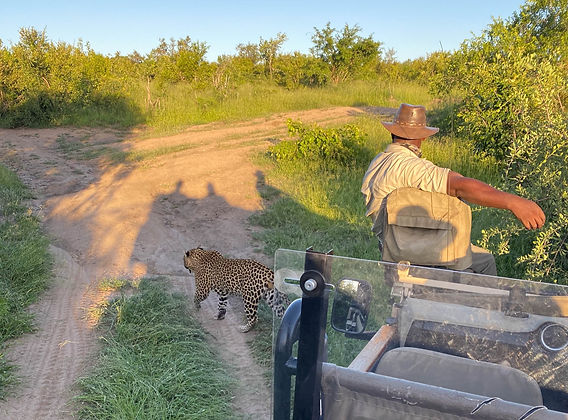
Discover how you can participate in vital wildlife conservation on a safari research program. Learn how to contribute to protecting Africa\
For many travelers, an African safari is the culmination of a lifelong dream. The thrill of seeing iconic wildlife in its natural habitat is an unforgettable experience. But what if you could go beyond the traditional game drive? What if your journey could contribute directly to the preservation of the very ecosystems and animals you've come to admire? Welcome to the world of safari research programs, a transformative style of travel that bridges the gap between tourism and conservation, offering you a hands-on role in protecting Africa's natural heritage.
These unique itineraries invite you to step behind the scenes and work alongside biologists, researchers, and conservationists. Instead of just observing wildlife, you become an active participant in the vital work being done to study and protect it. From tracking endangered species to setting up camera traps and assisting in anti-poaching efforts, a research safari offers a level of immersion and purpose that a standard vacation simply cannot match. It's an opportunity to leave a positive legacy, ensuring that these wild places continue to thrive for generations to come.
What Are Safari Research Programs?
Safari research programs, often called conservation safaris or citizen science trips, are specialized travel experiences designed to directly support wildlife conservation and scientific research. They move beyond passive wildlife viewing and actively involve travelers in the data collection and fieldwork that underpins effective conservation strategies. This approach creates a powerful symbiosis: researchers gain much-needed funding and manpower, while you get an unparalleled, in-depth understanding of the complexities of the African bush.
Beyond the Game Drive: A Deeper Connection
While a traditional safari provides incredible wildlife sightings, a research-focused trip offers a different kind of reward. The experience is less about ticking off a checklist of animals and more about understanding their behavior, their environment, and the threats they face. You'll learn to identify individual animals, understand pack dynamics, and recognize the subtle signs of the bush that guides and researchers use to track wildlife. This deeper engagement fosters a profound connection to the animals and the landscape, transforming your perspective from that of a visitor to that of a temporary custodian.
From Tourist to Conservation Contributor
The core principle of a research safari is that your presence has a purpose. The financial contribution from your trip directly funds the conservation organization's work, but your personal involvement is just as valuable. By assisting with daily research tasks, you become part of a dedicated team. Whether you're recording GPS coordinates, identifying animals in camera trap images, or helping to clear invasive plant species, your efforts provide crucial data and support that allows scientists to focus on high-level analysis and conservation action. You are no longer just a tourist; you are a citizen scientist contributing to a larger cause.
How You Can Participate in Wildlife Research
The specific activities on a research safari vary depending on the organization, location, and the conservation priorities of the area. However, most programs involve a set of core tasks that are essential for long-term wildlife monitoring and management.
Endangered Species Monitoring
One of the most common and critical activities is the monitoring of endangered or threatened species. This often involves tracking animals like African wild dogs, cheetahs, lions, and rhinos. Using telemetry equipment, you'll help researchers locate collared animals, record their location, observe their behavior, and document group composition. This data is vital for understanding their spatial ecology, social dynamics, and survival rates, which in turn informs conservation strategies like anti-poaching patrols and habitat management.
Camera Trapping and Data Analysis
Camera traps are a non-invasive tool used to study elusive, nocturnal, or wide-ranging species like leopards. As a participant, you might help set up and position these cameras in strategic locations. Later, you'll assist in the equally important task of sorting through the thousands of images captured, identifying the species, and recording the data. This work helps researchers establish population densities, understand habitat use, and monitor long-term wildlife trends across vast, unfenced landscapes.
Specialized Projects: Rhino Dehorning and Big Cat Collaring
Some programs offer the rare opportunity to participate in highly specialized conservation interventions. Under the supervision of veterinary staff and experienced conservationists, you may be able to witness and assist in procedures like rhino dehorning—a drastic but effective measure to deter poachers—or the collaring of a lion or leopard for research purposes. These are intense, powerful experiences that provide a stark, unforgettable look at the front lines of conservation and the difficult decisions required to protect these magnificent animals.
Still researching? Let us help.
Our advisory team has planned safaris across 9 African countries. We can turn your research into a real plan.
Talk to an AdvisorTop Destinations for Conservation-Focused Safaris
While conservation work is happening all across Africa, several countries and regions have become hubs for reputable safari research programs that welcome traveler participation.
South Africa: A Hub for Rhino and Leopard Research
South Africa is a leader in conservation travel, with numerous private reserves, particularly in KwaZulu-Natal and the Greater Kruger area, offering hands-on experiences. Many of these programs focus on the intensive monitoring of rhinos in the face of the poaching crisis. It is also a key destination for leopard research, using extensive camera trapping surveys to monitor populations in protected areas.
Botswana: Supporting Predator Conservation in the Delta
The vast, wild landscapes of the Okavango Delta and surrounding concessions are critical habitats for large predators. Research programs here often focus on mitigating human-wildlife conflict and studying the population dynamics of lions, leopards, and African wild dogs. Participating in a program in Botswana gives you access to some of the most pristine and remote wilderness areas on the continent.
Tanzania and Kenya: Citizen Science in the [Serengeti](/destinations/tanzania) and Mara
The iconic Serengeti-Mara ecosystem is home to a wealth of long-term research projects, some of which have been running for decades. While opportunities for direct, hands-on participation can be more limited here, some safari operators partner with organizations like the Serengeti Lion Project or the Mara Predator Conservation Programme to offer specialized "citizen science" departures. These trips are often led by a resident researcher who provides in-depth lectures and insights during your game drives.
Choosing an Ethical Research Program
As the popularity of conservation travel grows, it's essential to do your homework to ensure you're supporting a legitimate and ethical organization. A true research program is driven by scientific goals and conservation outcomes, not by the desire to sell a "feel-good" experience.
Questions to Ask Before You Book
- What specific research questions is the project trying to answer? A reputable program will have clear, measurable objectives.
- How is the data you collect being used? Ask if their findings are published or shared with national wildlife authorities.
- What are the qualifications of the lead researchers? Look for programs led by qualified biologists with a track record in the field.
- Can they provide a clear breakdown of how your fees are used? Transparency is a key sign of a legitimate operation.
Red Flags to Watch Out For
Be wary of any program that guarantees hands-on contact with predators or other dangerous animals, especially cubs. Ethical conservation projects prioritize animal welfare and minimize human habituation. Unregulated "sanctuaries" that allow petting or walking with lions are often linked to the unethical canned hunting industry and should be avoided at all costs.
In conclusion, a safari research program offers an extraordinary opportunity to transform your passion for wildlife into meaningful action. It allows you to step beyond the role of a spectator and become an ally to the dedicated individuals working to protect Africa's wild spaces. By choosing to travel with purpose, you not only gain a richer, more profound safari experience but also become part of the solution, helping to ensure a future where both people and wildlife can flourish.
Need Expert Safari Guidance?
Get expert advisory support from a firm founded by a former safari guide — with real operational knowledge across 9 African countries and full-journey accountability.
Related Planning Guides
Explore Related Topics
Recommended Reading
 Additional Safari Topics
Safari Conservation Programs
Discover how your African safari directly supports wildlife conservation, from funding anti-poaching units to empowering local communities. Learn how to travel with purpose.
 Safari Intelligence Insights
Safari Planning for Researchers
Planning a research safari in Africa? Our guide covers everything from defining objectives and securing permits to choosing a site and engaging with communities.
 Safari Planning Guides
How to Plan a Safari for Wildlife Research
Discover how to plan your dream safari with our expert guide on How to Plan a Safari for Wildlife Research. Get tips on destinations, costs, and more.
 Safari Planning Guides
How to Plan a Safari With Carbon Offset Programs
Learn about how to plan a safari with carbon offset programs in this comprehensive safari guide covering key insights and practical advice.
 Luxury Safari Content
Luxury Safari Loyalty Programs
Discover the essentials of luxury safari loyalty programs for an unforgettable African safari adventure.
 Expert Safari Knowledge
Evolution of Safari Tourism
Trace the evolution of safari tourism from colonial hunting trips to modern conservation-led adventures. Learn how to plan a responsible and ethical safari.