
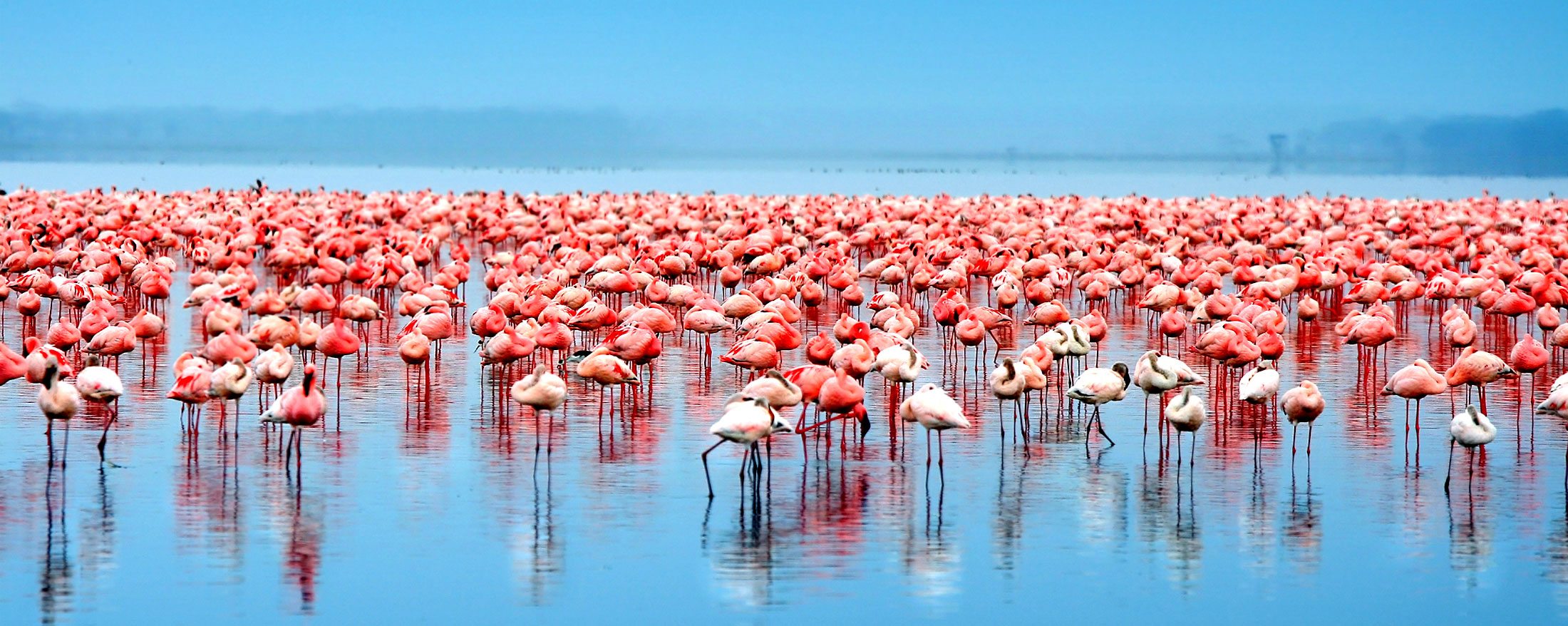
Planning a research safari in Africa? Our guide covers everything from defining objectives and securing permits to choosing a site and engaging with communities.
''' Planning a safari as a researcher requires a different approach than planning a typical tourist trip. While the allure of Africa's wildlife and landscapes is a shared motivation, your objectives are fundamentally scientific. This means your itinerary, logistics, and on-the-ground activities must be meticulously designed to support your research goals. Whether you are a seasoned field biologist or a graduate student embarking on your first African expedition, this guide will provide a framework for planning a successful research safari.
Defining Your Research Objectives
Before you can even think about booking flights or packing your bags, you need to have a crystal-clear understanding of your research objectives. This is the foundation upon which your entire expedition will be built. Vague goals will lead to a disorganized and unproductive trip. Take the time to define what you want to achieve, how you will measure success, and what data you need to collect.
Formulating a Research Question
Your research question should be specific, measurable, achievable, relevant, and time-bound (SMART). For example, instead of a broad topic like "studying elephants," a better research question would be: "How does the movement of elephant herds in Botswana's Chobe National Park vary between the wet and dry seasons?" This question is specific, measurable (through GPS tracking), achievable within a defined timeframe, relevant to conservation efforts, and time-bound.
Identifying Key Variables and Data
Once you have a research question, you need to identify the key variables you will be studying and the data you will need to collect. This could include animal behavior, population demographics, habitat characteristics, or environmental factors. Make a detailed list of all the data points you need to gather and the methods you will use to collect them. This will help you determine the equipment you need, the permits you must obtain, and the expertise required for your team.
Choosing the Right Location and Partners
The success of your research safari will depend heavily on choosing the right location and collaborating with the right partners. Africa is a vast continent with a diverse range of ecosystems and wildlife. Your choice of location should be guided by your research question and the specific species or habitats you are studying.
Selecting a Research Site
Different countries and parks offer unique research opportunities. For primate research, you might consider Uganda's Bwindi Impenetrable Forest for mountain gorillas or Kibale Forest for chimpanzees. If you are studying predators, Tanzania's Serengeti or South Africa's Kruger National Park are excellent choices. For desert-adapted wildlife, Namibia's Etosha National Park or the Kalahari Desert offer unparalleled opportunities. Research the protected areas that are most relevant to your work and consider factors like accessibility, infrastructure, and existing research facilities.
Collaborating with Local Institutions
Partnering with local universities, research institutions, or conservation organizations can be invaluable. These partners can provide logistical support, access to research permits, and local expertise that you would not have on your own. They can also help you navigate the cultural and political landscape of the country you are working in. Building strong relationships with local collaborators is essential for long-term research success.
Still researching? Let us help.
Our advisory team has planned safaris across 9 African countries. We can turn your research into a real plan.
Talk to an AdvisorLogistics and Permits
Navigating the logistics and bureaucracy of a research safari can be one of the most challenging aspects of the planning process. It is crucial to start this process well in advance of your intended travel dates, as it can often take several months to secure the necessary permits and approvals.
Securing Research Permits
Every country has its own set of regulations for conducting scientific research. You will likely need to obtain permits from the national wildlife authority, the relevant government ministries, and any specific parks or reserves you plan to work in. These applications often require a detailed research proposal, a list of team members, and proof of funding. Start this process early and be prepared for a significant amount of paperwork.
Arranging Transportation and Accommodation
Depending on your research site, you may need to arrange for specialized transportation, such as a 4x4 vehicle or a chartered bush plane. Your accommodation could range from a fully-equipped research station to a rustic tented camp. Consider the proximity of your lodging to your study area, the availability of electricity and internet access, and the safety and security of your team and equipment.
Data Collection and Equipment
Your data collection methods and equipment will be determined by your research objectives. It is essential to have the right tools for the job and to be proficient in their use before you arrive in the field. This will ensure that you can collect high-quality data efficiently and effectively.
Essential Field Gear
In addition to your specialized research equipment, there is some essential field gear that every researcher should have. This includes a good pair of binoculars, a GPS unit, a comprehensive first-aid kit, and appropriate clothing for the climate and terrain. Make a detailed packing list and check it twice before you leave.
Data Management and Backup
Data is the currency of research, and it is essential to have a robust system for managing and backing it up. This should include a clear protocol for data entry, a system for organizing your files, and a plan for backing up your data regularly. Consider using a combination of external hard drives and cloud-based storage to ensure that your data is safe and secure.
Ethical Considerations and Community Engagement
Conducting research in a foreign country comes with a set of ethical responsibilities. It is crucial to be respectful of the local culture, to minimize your impact on the environment, and to ensure that your research benefits the local community in some way.
Minimizing Your Environmental Impact
As a researcher, you have a responsibility to minimize your impact on the wildlife and habitats you are studying. This includes following all park regulations, disposing of your waste properly, and avoiding any activities that could disturb or harm animals. Leave no trace of your presence and strive to be a model of responsible environmental stewardship.
Engaging with Local Communities
Your research should not happen in a vacuum. Take the time to engage with the local communities that live alongside the wildlife you are studying. Share your research findings with them, hire local staff whenever possible, and look for opportunities to support local conservation and development initiatives. Building positive relationships with local communities is not only the right thing to do, but it can also enhance the quality and impact of your research.
Done Reading? Let's Build Your Safari.
Skip the guesswork. Work with an advisor who has been on the ground across East and Southern Africa.
Plan With UsFunding and Budgeting
A research safari can be a significant financial undertaking. It is essential to have a detailed budget and to secure adequate funding before you embark on your expedition. There are a variety of funding sources available for scientific research, including government grants, private foundations, and conservation organizations.
Creating a Detailed Budget
Your budget should include all of the anticipated costs of your expedition, including travel, accommodation, permits, equipment, and salaries for local staff. Be sure to include a contingency fund for unexpected expenses. A well-thought-out budget will not only help you secure funding but will also be an invaluable tool for managing your finances in the field.
Seeking Funding Opportunities
There are many organizations that provide funding for wildlife research in Africa. These include the National Science Foundation, the National Geographic Society, the Wildlife Conservation Society, and the African Wildlife Foundation. Research the funding opportunities that are most relevant to your work and submit compelling grant proposals that clearly articulate the scientific merit and conservation value of your research.
Planning a research safari is a complex but rewarding endeavor. By carefully defining your objectives, choosing the right partners, and meticulously planning your logistics, you can ensure that your expedition is both scientifically productive and personally fulfilling. The knowledge you gain will not only advance your own career but will also contribute to the conservation of Africa's precious wildlife and wild places. '''
Need Expert Safari Guidance?
Get expert advisory support from a firm founded by a former safari guide — with real operational knowledge across 9 African countries and full-journey accountability.
Related Planning Guides
Explore Related Topics
Recommended Reading
 Safari Planning Guides
How to Plan a Safari for Wildlife Research
Discover how to plan your dream safari with our expert guide on How to Plan a Safari for Wildlife Research. Get tips on destinations, costs, and more.
 Safari Intelligence Insights
Safari Planning for Photographers
Planning a photo safari? Our guide covers the best destinations, essential camera gear, and photography tips to help you capture stunning wildlife images in Africa.
 Safari Intelligence Insights
Safari Planning for Luxury Travelers
Plan the ultimate luxury safari with our expert guide. Discover top destinations, essential planning tips, and what defines a truly exclusive African adventure.
 Safari Planning
Step-by-Step Guide to Planning an African Safari
Learn how to plan your first African safari with our step-by-step guide. We cover everything from choosing a destination to booking your trip and packing.
 Expert Safari Knowledge
Safari Research Programs
Discover how you can participate in vital wildlife conservation on a safari research program. Learn how to contribute to protecting Africa\
 Advanced Safari Planning
Multi-Destination Safari Planning
Learn how to plan an unforgettable multi-destination African safari. Our expert guide covers popular country combinations, travel logistics, and itinerary tips.