
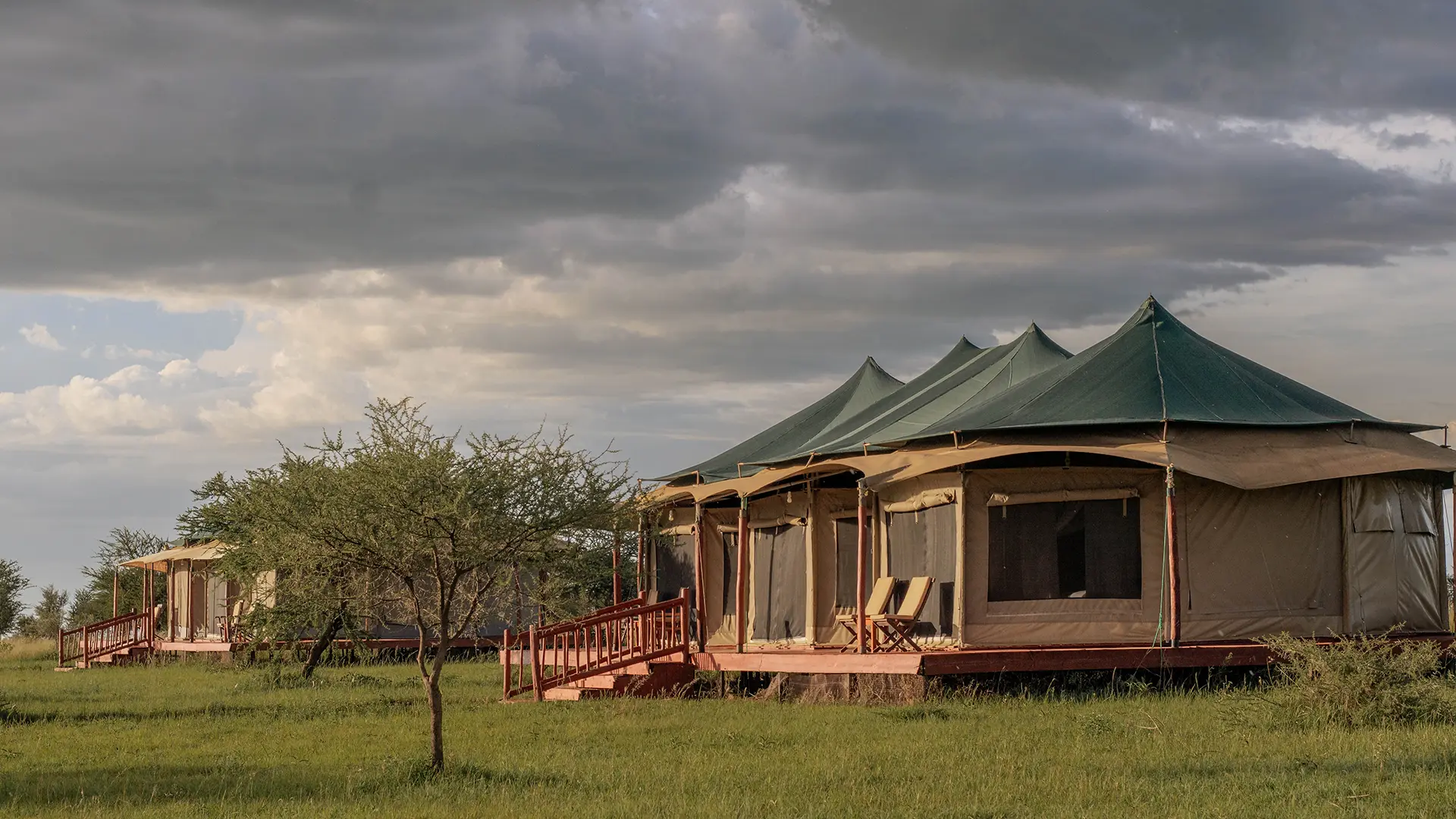
Learn about how to plan a safari with carbon offset programs in this comprehensive safari guide covering key insights and practical advice.
Overview
Planning a safari involves many moving parts, and how to plan a safari with carbon offset programs is one of the most important considerations. Whether you're a first-time visitor or a seasoned Africa traveler, this guide provides the practical knowledge you need to make informed decisions and create an unforgettable experience.
What You Need to Know
The nuances of how to plan a safari with carbon offset programs become apparent when you consider the range of experiences available across Africa's safari destinations. From the iconic Serengeti to the remote wilderness of Zambia's South Luangwa, each location brings its own perspective to this topic. Consulting with experienced safari operators helps you understand which options best match your preferences and expectations.
Still researching? Let us help.
Our advisory team has planned safaris across 9 African countries. We can turn your research into a real plan.
Talk to an AdvisorPractical Considerations
From a practical standpoint, how to plan a safari with carbon offset programs requires attention to both the big picture and the small details. Start by establishing your priorities: what matters most to you on safari? Is it the wildlife, the landscape, the cultural experience, or the level of comfort? Once you've clarified your goals, use our cost calculator to understand the financial implications and our operator directory to find companies that specialize in your preferred type of experience.
Expert Perspective
The safari industry's leading voices agree that how to plan a safari with carbon offset programs is an area where knowledge truly makes a difference. As conservation challenges evolve and tourism patterns shift, staying informed helps travelers make choices that benefit both their experience and the destinations they visit. Browse our operator directory to connect with companies that share this commitment to informed, responsible travel.
Next Steps
Whether you're in the early stages of dreaming about an African safari or actively finalizing your plans, understanding how to plan a safari with carbon offset programs contributes to a more rewarding experience. Use the resources available on Safari Intelligence, including our cost calculator, operator directory, and destination library, to build confidence in your planning decisions.
Done Reading? Let's Build Your Safari.
Skip the guesswork. Work with an advisor who has been on the ground across East and Southern Africa.
Plan With UsWhy Carbon Offsetting Matters for African Safaris
An African safari is a profound travel experience, connecting you with pristine wilderness and extraordinary wildlife. However, the long-haul flights required to reach these destinations carry a significant carbon footprint. A round-trip flight from New York to Nairobi, for example, can generate over 2.5 metric tons of CO2 per passenger. This is where carbon offsetting becomes a crucial component of responsible travel. By investing in carbon offset programs, you can help neutralize your travel-related emissions and contribute to a more sustainable tourism model.
Offsetting is more than just a gesture; it is a direct investment in projects that actively reduce greenhouse gases. These initiatives often have far-reaching benefits beyond carbon reduction, including community development, habitat restoration, and the protection of endangered species. For the conscious traveler, it transforms a safari from a passive experience into an active contribution to the preservation of the natural wonders you have come to see. It aligns your journey with the principles of conservation that are at the heart of every ethical safari.
> Expert Insight: Carbon offsetting should be viewed as a final step after making every effort to reduce your travel footprint. This includes choosing airlines with more efficient fleets, packing light, and selecting eco-conscious lodges and operators on the ground. Offsetting what you cannot eliminate is a powerful way to take full responsibility for your environmental impact.
How to Choose a Reputable Carbon Offset Program
With a growing number of carbon offset providers, selecting a credible and effective program is essential. Not all offsets are created equal, and the quality of the project is paramount to ensuring your contribution makes a genuine impact. Here are key factors to consider when evaluating carbon offset programs for your safari:
1. Third-Party Verification and Standards
The most critical indicator of a high-quality offset program is third-party verification. Look for projects certified by internationally recognized standards, which ensure that the carbon reductions are real, measurable, and permanent. The leading standards include:
- Gold Standard: Widely regarded as the benchmark for quality, Gold Standard projects not only deliver verified carbon reductions but also contribute to at least three of the UN’s Sustainable Development Goals (SDGs). Their focus on community co-benefits makes them a top choice for impactful offsetting.
- Verified Carbon Standard (VCS): Managed by Verra, the VCS is the world’s most widely used greenhouse gas crediting program. It provides a robust framework for verifying and monitoring carbon reduction projects.
- Climate Action Reserve: This standard is known for its rigorous and transparent approach to carbon accounting, ensuring the environmental integrity of offset projects.
When a project is certified under one of these standards, you can be confident that it has undergone a thorough vetting process.
2. Project Type and Location
Carbon offset projects come in many forms, from reforestation and renewable energy to community-based energy efficiency initiatives. For an African safari, you might consider supporting projects located on the continent to create a more direct link between your travel and your contribution. Examples of impactful projects in Africa include:
- Reforestation and Afforestation: The Humbo Ethiopia Assisted Natural Regeneration Project is a Gold Standard project that has restored thousands of hectares of native forest, creating a vital carbon sink while improving livelihoods.
- Clean Cookstove Programs: In many rural communities, inefficient cookstoves contribute to deforestation and indoor air pollution. Projects like the one in Siaya, Kenya, replace traditional stoves with cleaner, more efficient models, reducing carbon emissions and improving community health.
- Water Purification Projects: Providing access to clean water through boreholes or purification systems can eliminate the need to boil water, which in turn reduces carbon emissions from burning wood or charcoal. These projects also have significant health and social benefits.
3. Transparency and Traceability
A reputable offset provider will be transparent about its projects, methodologies, and finances. You should be able to find detailed information on their website, including project descriptions, verification reports, and a public registry where your specific carbon credits are retired. This ensures that your offset is not double-counted or sold to another buyer. Look for a serial number or a retirement certificate for your purchase.
> Traveler's Tip: Before purchasing offsets, explore the project's page on the verifier's website (e.g., the Gold Standard or Verra registry). This allows you to see the project's documentation and confirm its status. For more guidance on planning a sustainable journey, connect with our safari operators.
Calculating Your Safari's Carbon Footprint
To effectively offset your safari, you first need to estimate its total carbon footprint. This calculation should include all major components of your journey, from international flights to on-the-ground activities. While it's impossible to get a perfect figure, a detailed estimate allows for a more meaningful and accurate offset.
1. International and Domestic Flights
Air travel is typically the largest contributor to a safari's carbon footprint. You can use online carbon calculators to estimate emissions from your flights. The ICAO (International Civil Aviation Organization) Carbon Emissions Calculator is a widely respected tool that provides standardized estimates. When calculating, be sure to include:
- Your departure and arrival airports for all long-haul international flights.
- Any regional or domestic flights within Africa, such as from Nairobi to the Maasai Mara.
- The class of travel (economy, business, first), as premium classes have a larger footprint due to lower passenger density.
2. Accommodations
The environmental impact of your lodging varies significantly. A luxury lodge with air conditioning and private plunge pools will have a higher energy consumption than a simple, eco-friendly tented camp. While it is difficult for a traveler to calculate this precisely, you can make an informed choice by selecting properties that are transparent about their sustainability practices. Many eco-certified lodges measure their own carbon footprint and may even include it in your stay or offer direct offsetting options.
3. Ground Transportation and Activities
Your footprint on the ground includes emissions from 4x4 safari vehicles, airport transfers, and any other motorized transport. An average safari vehicle consumes a significant amount of fuel, especially when driving through challenging terrain. Some forward-thinking operators are beginning to introduce electric safari vehicles, which dramatically reduce emissions. The Maasai Mara in Kenya and parts of South Africa are seeing the first fleets of these innovative vehicles. When choosing an operator, ask about their vehicle fleet and fuel efficiency practices.
Our safari cost calculator provides a preliminary estimate of your travel footprint, helping you budget for your offset contribution as part of your overall trip planning.
Case Study: Offsetting a 10-Day Safari in Tanzania
Let's walk through a practical example of how a traveler might offset a 10-day safari to Tanzania, one of Africa's premier safari destinations. This case study will break down the process from calculation to contribution.
The Itinerary:
- Travelers: A couple from London, UK.
- Flights: Round-trip from London Heathrow (LHR) to Kilimanjaro International Airport (JRO). Includes a short domestic flight from Arusha to the Serengeti.
- Destinations: Tarangire National Park, Ngorongoro Crater, and the Serengeti National Park.
- Accommodations: A mix of eco-lodges and semi-permanent tented camps.
Step 1: Calculating the Carbon Footprint
The couple uses an online calculator to estimate their flight emissions:
- International Flights (LHR-JRO-LHR): Approximately 3.2 metric tons of CO2 for two passengers in economy class.
- Domestic Flight (Arusha-Serengeti): Approximately 0.3 metric tons of CO2.
- Ground Activities: They estimate their share of vehicle emissions for 10 days of game drives and transfers to be around 0.5 metric tons of CO2.
Total Estimated Footprint: 4.0 metric tons of CO2.
Step 2: Choosing an Offset Project
The couple wants to support a project in Tanzania to connect their offset directly to the country they are visiting. They browse the Gold Standard marketplace and find the Uchindile and Mapanda Forest Conservation Project, which works to protect forests from deforestation in southern Tanzania. The project is certified for its carbon reductions and its benefits to local communities, which aligns with their values.
Step 3: Purchasing the Offsets
On the provider's website, they enter their total footprint of 4.0 metric tons. The cost per ton for this project is $15. Their total offset contribution is calculated as:
4.0 tons * $15/ton = $60
They complete the purchase and receive a certificate confirming the retirement of 4 carbon credits on their behalf. This certificate includes a unique serial number, ensuring their contribution is tracked and not re-sold.
By taking these simple steps, the couple has successfully neutralized the primary environmental impact of their safari. Their $60 investment not only helps mitigate climate change but also supports forest conservation and community livelihoods in the very country that provided them with an unforgettable travel experience. This thoughtful approach to travel planning is a core principle we champion at Safari Intelligence. For personalized help in planning your own responsible safari, we invite you to plan your safari with our expert team.
Need Expert Safari Guidance?
Get expert advisory support from a firm founded by a former safari guide — with real operational knowledge across 9 African countries and full-journey accountability.
Related Planning Guides
Recommended Reading
 Safari Planning Guides
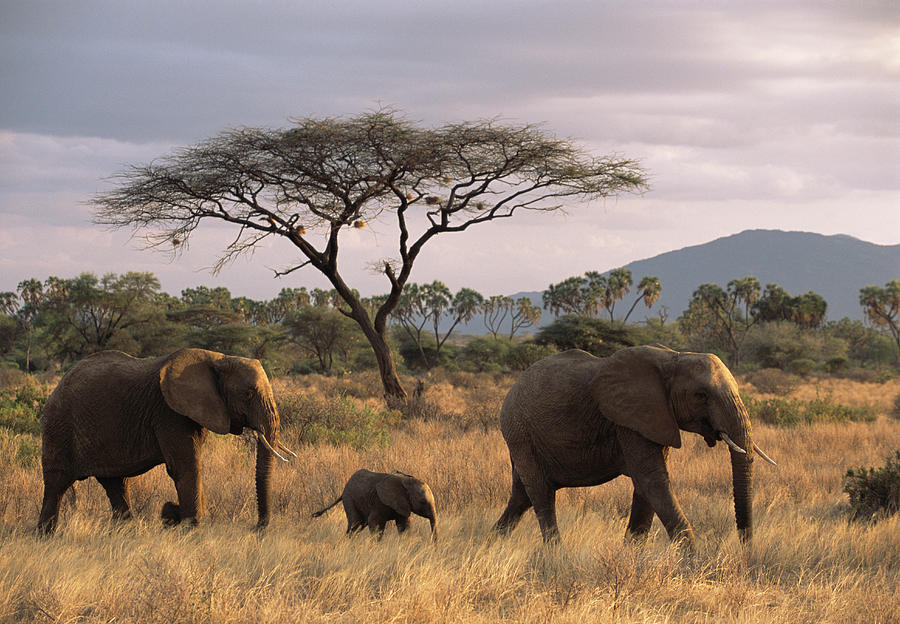
Safari Planning Guide for First-Time Travelers
Discover how to plan your dream safari with our expert guide on Safari Planning Guide for First-Time Travelers. Get tips on destinations, costs, and more.
 Safari Planning Guides
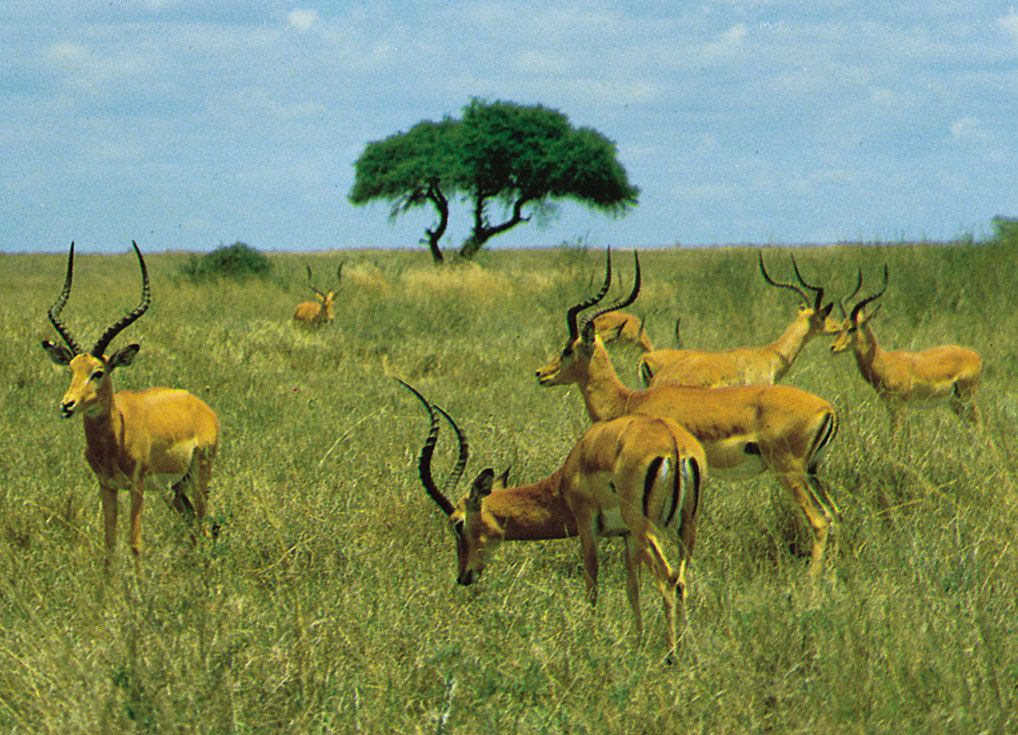
Safari Planning Guide for Returning Travelers
Discover how to plan your dream safari with our expert guide on Safari Planning Guide for Returning Travelers. Get tips on destinations, costs, and more.
 Safari Planning Guides
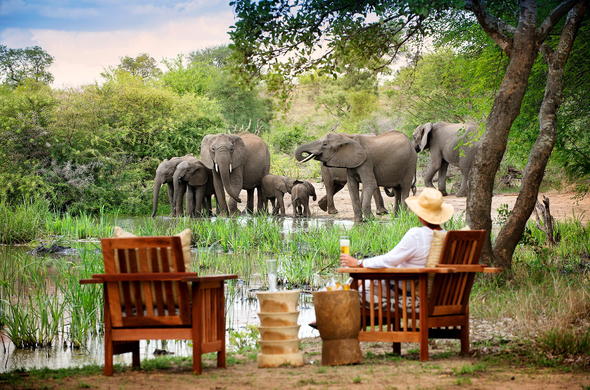
Safari Planning Guide for Luxury Travelers
Discover how to plan your dream safari with our expert guide on Safari Planning Guide for Luxury Travelers. Get tips on destinations, costs, and more.
 Safari Planning
Step-by-Step Guide to Planning an African Safari
Learn how to plan your first African safari with our step-by-step guide. We cover everything from choosing a destination to booking your trip and packing.
 Additional Safari Topics
Safari Conservation Programs
Discover how your African safari directly supports wildlife conservation, from funding anti-poaching units to empowering local communities. Learn how to travel with purpose.
 Expert Safari Knowledge
Safari Research Programs
Discover how you can participate in vital wildlife conservation on a safari research program. Learn how to contribute to protecting Africa\