
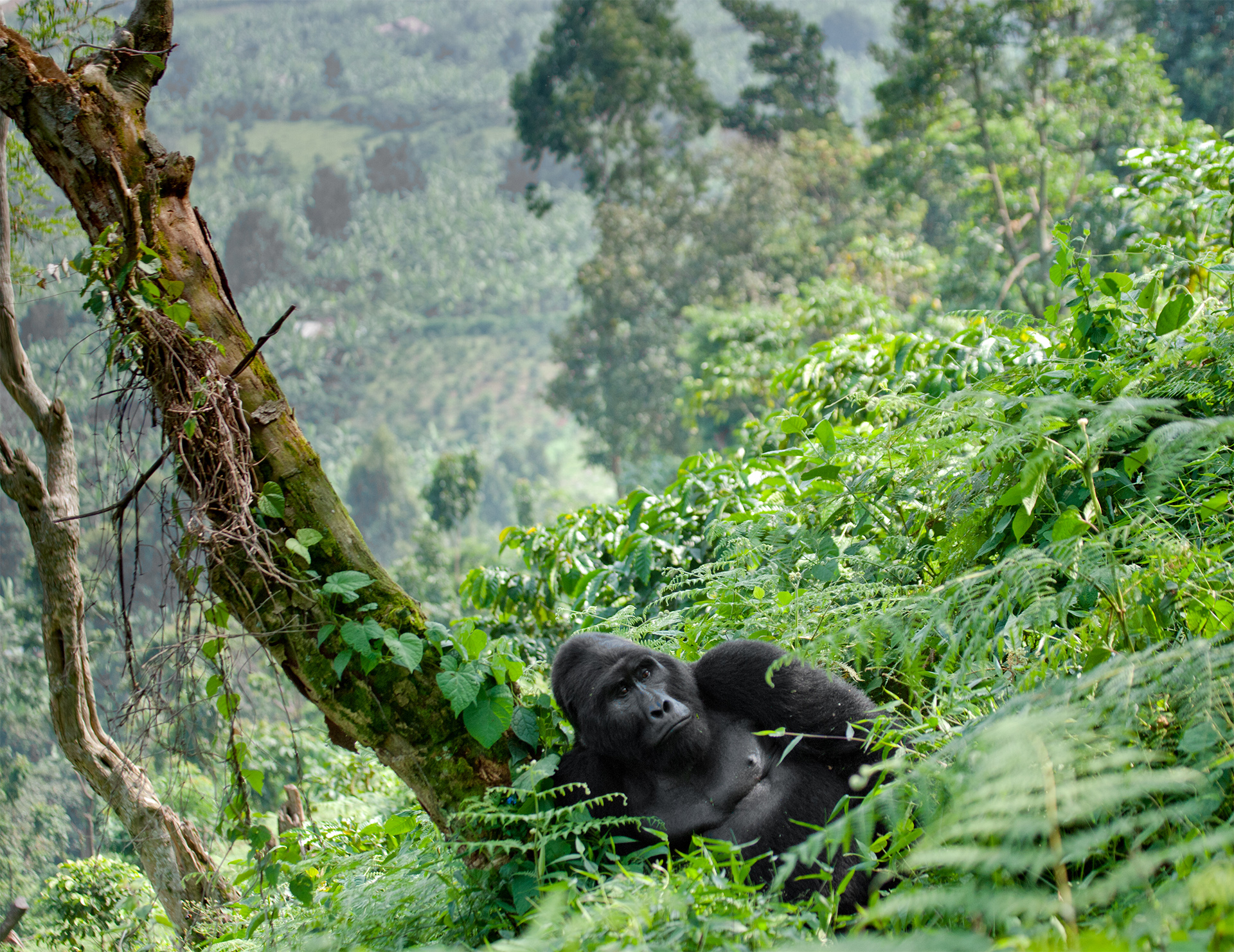
Discover the wonders of Queen Elizabeth National Park with our comprehensive travel guide. Learn about its unique wildlife, including the famous tree-climbing lions.
Queen Elizabeth National Park is Uganda's most popular and biodiverse savanna park, a sprawling expanse of grasslands, forests, and wetlands nestled between Lake Edward and Lake George. It's a place where the classic African safari comes to life, offering a rich tapestry of wildlife encounters, stunning landscapes, and unique ecological features. From the iconic tree-climbing lions of Ishasha to the vibrant birdlife along the Kazinga Channel, the park provides an unforgettable safari experience for both first-time visitors and seasoned travelers. This guide will walk you through everything you need to know to plan your adventure in this remarkable corner of Uganda.
An Introduction to Queen Elizabeth National Park
Established in 1952 as Kazinga National Park, it was renamed two years later to commemorate a visit by Queen Elizabeth II. The park covers an impressive 1,978 square kilometers (764 square miles) in western Uganda and is part of a larger conservation area that includes the Kyambura Game Reserve, Kigezi Game Reserve, and Maramagambo Forest. This extensive ecosystem creates a sanctuary for a remarkable diversity of flora and fauna.
A Landscape of Contrasts
The park's landscape is incredibly varied, featuring sprawling savannas, shady forests, sparkling lakes, and fertile wetlands. This diversity of habitats is one of the key reasons for its rich biodiversity. The park is also known for its volcanic features, including volcanic cones and deep craters, many of which are now filled with water to form crater lakes, such as the salt-producing Lake Katwe.
Conservation and Community
Queen Elizabeth National Park is managed by the Uganda Wildlife Authority (UWA), which works to protect the park's precious wildlife and natural resources. Conservation efforts are ongoing, with a focus on anti-poaching patrols, wildlife monitoring, and community engagement. The park's existence is intertwined with the local communities, and tourism plays a vital role in supporting both conservation and local livelihoods.
Wildlife and Biodiversity
Queen Elizabeth National Park is a wildlife haven, boasting an impressive 95 mammal species and over 600 bird species. This makes it one of the most biodiverse parks in all of Africa and a top destination for wildlife enthusiasts.
The Big Game
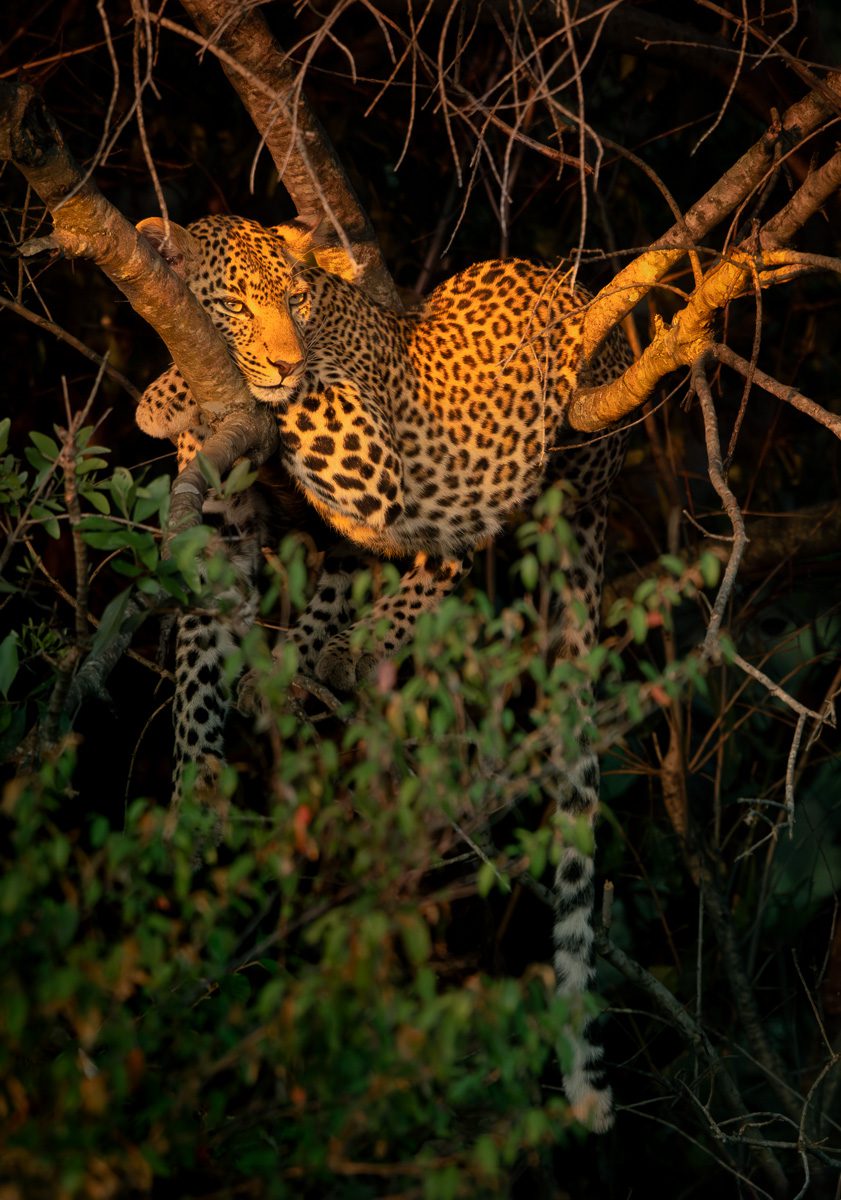
The park is home to four of the "Big Five": lions, leopards, elephants, and buffalo. While rhinos are absent, the sheer abundance of other wildlife more than makes up for it. Large herds of elephants and buffalo are a common sight, as are Ugandan kob, waterbuck, and warthogs. The elusive giant forest hog can also be spotted in the park's forested areas.
The Famous Tree-Climbing Lions
One of the park's most famous attractions is the population of tree-climbing lions found in the southern Ishasha sector. These lions have a unique habit of lounging in the branches of fig and acacia trees, a behavior that is not commonly seen in other lion populations. Seeing these magnificent predators perched in a tree is a truly unforgettable safari experience.
Primates and Other Mammals
In addition to the big game, Queen Elizabeth National Park is home to ten species of primates, including chimpanzees, black-and-white colobus monkeys, and olive baboons. The Kyambura Gorge, a deep, forested canyon within the park, is a particularly good place to track chimpanzees. Other mammals you might encounter include spotted hyenas, topis, and various mongoose species.
Still researching? Let us help.
Our advisory team has planned safaris across 9 African countries. We can turn your research into a real plan.
Talk to an AdvisorKey Attractions and Activities
Queen Elizabeth National Park offers a wide range of activities that allow you to explore its diverse landscapes and get up close to its incredible wildlife.
[Game Drive](/knowledge/safari-game-drive-etiquette)s
Game drives are the classic way to experience the park's savannas and woodlands. The Kasenyi Plains are a popular area for game drives, known for their large herds of Ugandan kob and the lions that prey on them. Early morning and late afternoon are the best times for game drives, as this is when the animals are most active.
Boat Cruise on the Kazinga Channel
A boat cruise along the Kazinga Channel is a must-do activity in Queen Elizabeth National Park. This natural channel connects Lake Edward and Lake George and is a magnet for wildlife. You'll have the opportunity to see large pods of hippos, Nile crocodiles basking on the banks, and a variety of water birds. Elephants, buffalo, and other animals also come to the channel to drink, providing fantastic photo opportunities.
Chimpanzee Tracking in Kyambura Gorge
For a different kind of wildlife experience, you can go chimpanzee tracking in the Kyambura Gorge. This "Valley of Apes" is a lush, green oasis in the middle of the savanna and is home to a habituated community of chimpanzees. Tracking these intelligent and playful primates through the forest is a thrilling and rewarding experience.
Birdwatching
With over 600 bird species, Queen Elizabeth National Park is a birdwatcher's paradise. The park's diverse habitats attract a wide variety of birds, from the majestic martial eagle to the colorful African skimmer. The Kazinga Channel is a particularly good spot for birdwatching, with its abundance of water birds.
Best Time to Visit
Queen Elizabeth National Park can be visited year-round, but the best time for wildlife viewing is during the dry seasons, from January to February and June to September. During these months, the vegetation is less dense, and animals congregate around water sources, making them easier to spot. The wet seasons, from March to May and October to December, are the best time for birdwatching, as migratory birds are present.
Getting There and Accommodation
Queen Elizabeth National Park is located in western Uganda, approximately a 6-7 hour drive from Kampala, the capital city. The park can also be reached by a short domestic flight from Entebbe International Airport to the nearby Kasese or Mweya airstrips.
The park offers a wide range of accommodation options to suit all budgets and preferences, from luxury lodges and tented camps to budget-friendly guesthouses and campsites. Many of the lodges are located in scenic areas with stunning views of the park and its wildlife.
In conclusion, Queen Elizabeth National Park is a truly special place that offers a classic African safari experience with a unique Ugandan twist. Its diverse landscapes, abundant wildlife, and wide range of activities make it a top destination for any traveler looking to explore the wonders of the "Pearl of Africa."
Need Expert Safari Guidance?
Get expert advisory support from a firm founded by a former safari guide — with real operational knowledge across 9 African countries and full-journey accountability.
Related Planning Guides
Explore Related Topics
Recommended Reading
 National Park Guides
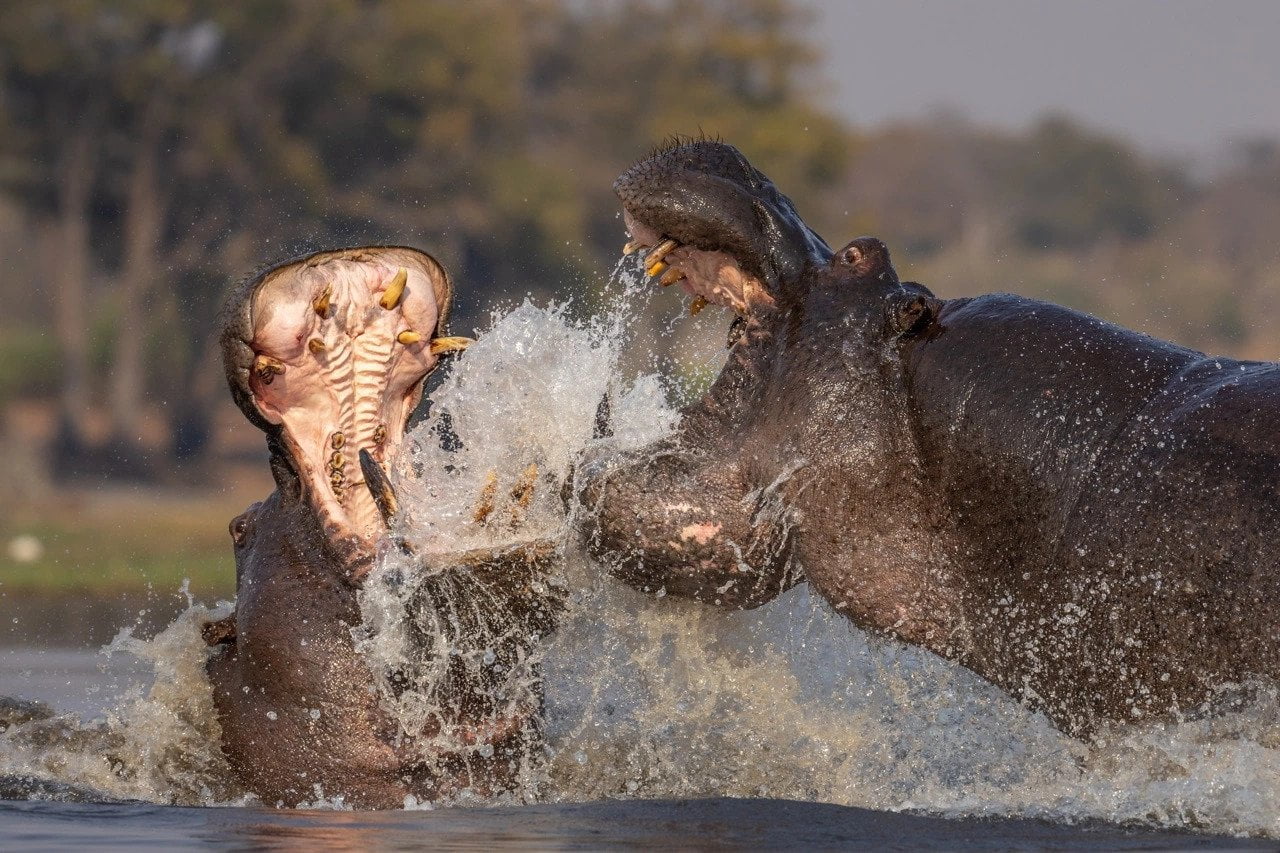
Serengeti National Park Guide
Explore the wonders of Serengeti National Park with our expert guide. Learn about the Great Migration, wildlife, and planning your unforgettable Tanzanian safari.
 National Park Guides
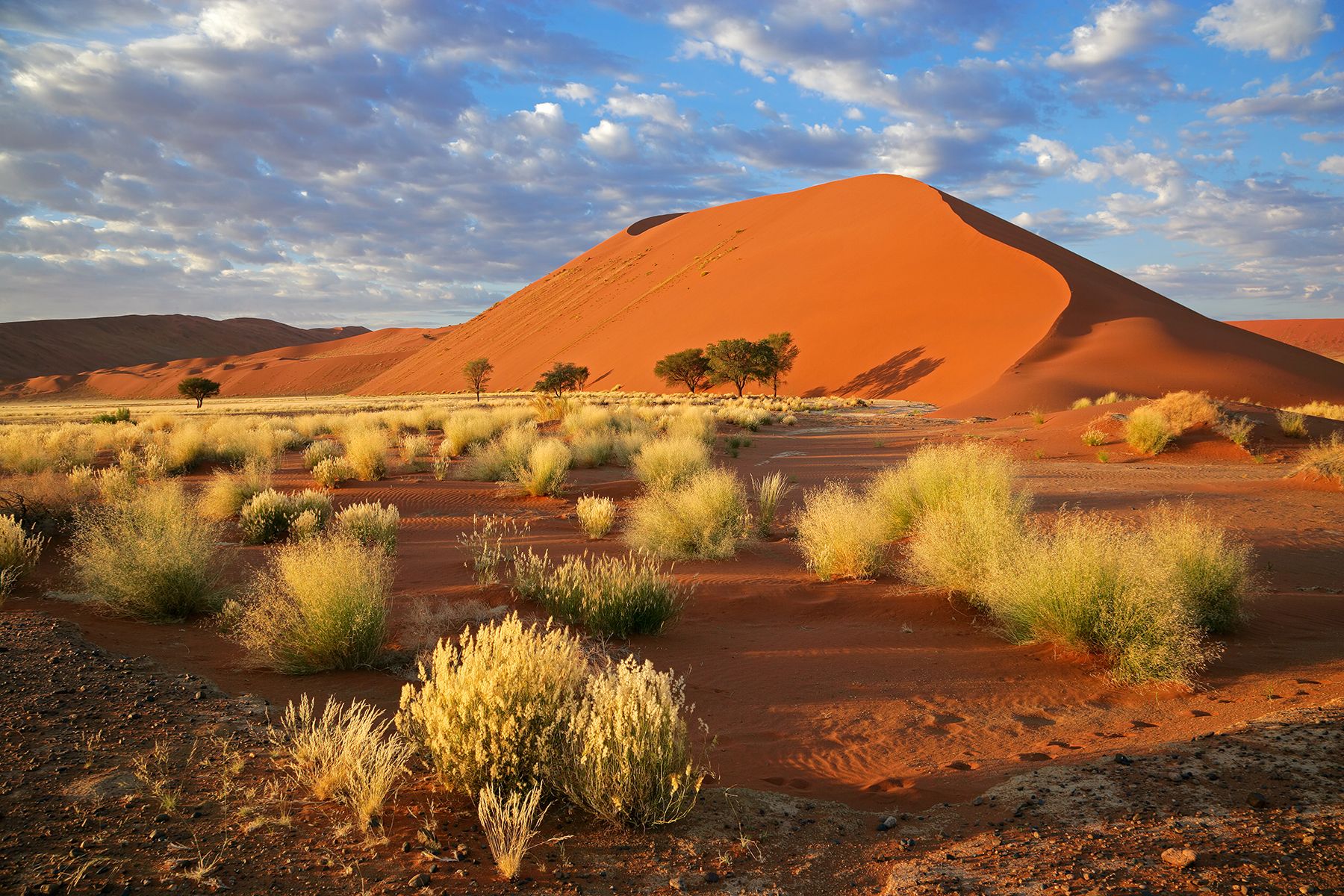
Kruger National Park Guide
Discover the ultimate guide to Kruger National Park. Learn about its incredible wildlife, the best time to visit, and how to plan your dream safari adventure.
 National Park Guides
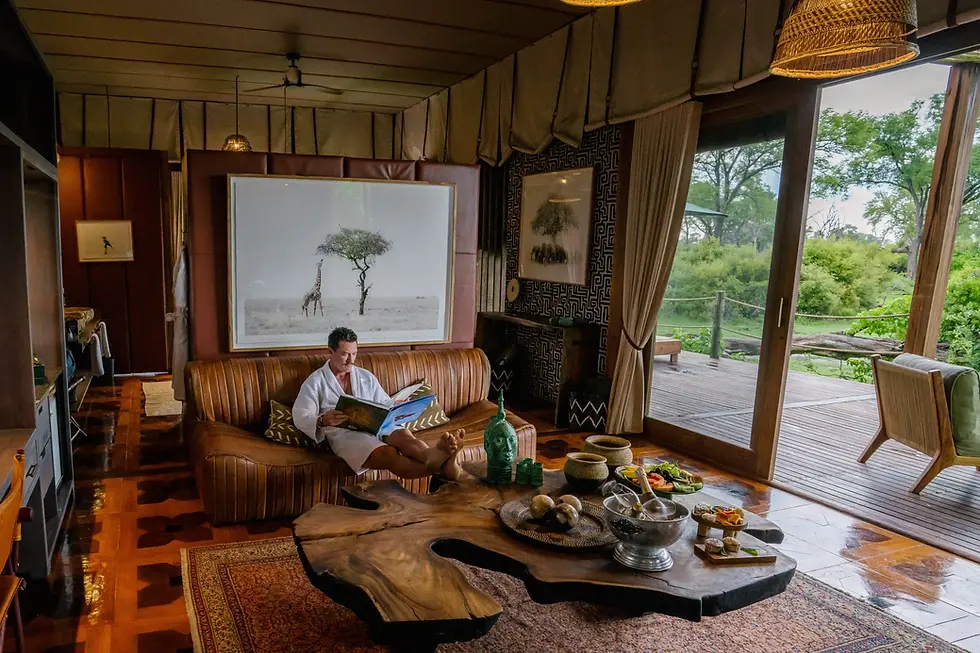
Chobe National Park Guide
Discover the ultimate guide to Chobe National Park, Botswana\
 Destination Guides
Complete Guide to Table Mountain National Park
A complete guide to Complete Guide to Table Mountain National Park. Learn about the wildlife, activities, and best time to visit this amazing destination.
 Destination Guides
Complete Guide to Nyerere National Park
Learn about complete guide to nyerere national park in this comprehensive safari guide.
 Destination Guides
Complete Guide to Loango National Park Gabon
Discover everything you need to know about Complete Guide to Loango National Park Gabon. From wildlife and landscapes to lodges and activities, this guide cover