
Learn how to stay safe around elephants on your African safari. This guide covers elephant behavior, safari vehicle etiquette, and practical tips for self-drivers.
''' Elephants are among Africa's most intelligent, emotionally complex, and awe-inspiring animals. Seeing them in the wild is a profound experience, whether you witness a breeding herd silently moving through the bush in Tanzania's Ruaha National Park or a massive bull elephant drinking from a waterhole in Botswana's Chobe National Park. However, their immense size and power demand respect. While elephant encounters on safari are overwhelmingly safe, understanding their behavior and following proper safety protocols is essential for ensuring a positive and secure experience for both you and the animals.
Most safari vehicles are designed to accommodate close wildlife viewing, and guides are highly trained in interpreting animal behavior. Incidents are rare, but they often occur when tourists in self-drive vehicles get too close, misinterpret warning signs, or behave in a way that makes an elephant feel threatened. By learning to recognize the signs of a relaxed versus a stressed elephant and always listening to your guide, you can enjoy these magnificent creatures without putting yourself or them at risk. This guide will walk you through everything you need to know to stay safe around elephants on your African safari.
Understanding Elephant Behavior
To stay safe, you must first understand how elephants see the world. They are highly social animals with deep family bonds and sophisticated communication methods. Their behavior is driven by their need for safety, food, and water, as well as their desire to protect their young. An elephant that feels its space is being invaded or its family is threatened will act defensively.
The Mock Charge vs. The Real Charge
One of the most important distinctions to understand is the difference between a mock charge and a real charge. A mock charge is a warning—a bluff designed to intimidate you into backing away. A real charge, while extremely rare, is an attack.
- Mock Charge: During a mock charge, the elephant will make itself look as large as possible. Its ears will be fanned out wide, its trunk may be raised, and it will often trumpet loudly. It may kick up dust and run towards you, but it will typically stop before making contact. The key sign is that the elephant's ears are spread wide open, like two large sails.
- Real Charge: A real charge is far more dangerous and committed. The elephant's ears will be pinned back against its head, and its trunk may be curled inward for protection. It will run at full speed with the intent to make contact. This is a true attack, and it is critical to have an experienced guide who can navigate this situation.
Recognizing these differences is crucial. A mock charge is a signal to give the elephant space, while a real charge requires an immediate and expert response from your guide.
Signs of a Relaxed Elephant
A relaxed elephant is a joy to watch. It may be gently flapping its ears to cool down, swishing its tail, or feeding calmly. Its posture will be loose, and it will likely ignore your vehicle. Young elephants might be playing nearby, a sure sign the herd feels secure. In places like Amboseli National Park in Kenya, you can often watch relaxed family herds for hours as they go about their day.
Signs of Stress or Agitation
A stressed elephant will give you clear signals that it is uncomfortable. Learning these signs will help you and your guide know when to back away.
- Temporal Gland Secretions: Elephants have temporal glands between their eyes and ears. When they are excited, stressed, or in musth (a period of high testosterone in males), these glands secrete a dark, oily substance. While this isn't always a sign of aggression, it indicates a heightened emotional state.
- Head Shaking and Ear Spreading: An elephant that is shaking its head, spreading its ears wide, or kicking at the ground is showing its agitation. It is trying to intimidate you.
- Trunk Position: A trunk held high in the air is often used to catch scents and assess a situation. A trunk curled under the body can be a sign of submission or fear, but in a tense situation, it can also precede a charge.
Safari Vehicle Etiquette
How you behave in your safari vehicle is the single most important factor in staying safe around elephants. Professional safari guides are experts in this, but it is important for you to understand the rules they follow.
Trust Your Guide
Your safari guide is your most valuable safety asset. They have spent years, if not decades, in the bush and can read animal behavior with incredible accuracy. Always listen to their instructions without question. If they tell you to be quiet, to sit down, or that it is time to move away, do so immediately. Their primary job is to keep you safe, and they will not take unnecessary risks.
Maintain a Safe Distance
Getting too close is the most common mistake people make. While it is tempting to get that perfect photo, encroaching on an elephant's personal space is a recipe for disaster. A good guide will position the vehicle at a respectful distance, allowing the elephants to behave naturally. In a self-drive situation, as is common in South Africa's Kruger National Park, always give elephants a wide berth and never block their path.
Stay in the Vehicle
Never, under any circumstances, get out of your safari vehicle when elephants are nearby unless your guide has explicitly deemed it safe to do so (for example, at a designated viewpoint). Elephants see the vehicle as a single, large entity that is not a threat. If you step out, you become a small, vulnerable figure that can easily be seen as a danger.
Keep Noise to a Minimum
Loud noises can startle and agitate elephants. Speak in low voices and avoid sudden movements. Ensure your phone is on silent and that your camera shutter is as quiet as possible. The goal is to be a passive observer, not an active participant in the scene.
Still researching? Let us help.
Our advisory team has planned safaris across 9 African countries. We can turn your research into a real plan.
Talk to an AdvisorSafety on Walking Safaris and at Camp
While most elephant encounters happen from a vehicle, it is also possible to see them on a walking safari or even in your safari camp.
On a Walking Safari
Walking safaris, popular in destinations like Zambia's South Luangwa National Park and Zimbabwe's Mana Pools National Park, offer an incredibly intimate way to experience the bush. They are always led by highly trained and armed guides. When on foot, the rules are different.
- Stay Single File: Always walk in a single file line behind your guide. This minimizes your group's profile and makes you appear as a single, cohesive unit.
- Use the Wind: Your guide will use the wind to your advantage, keeping you downwind from elephants so they cannot smell you.
- Heed Your Guide's Commands: If you encounter elephants, your guide will give you clear instructions. This may involve freezing, crouching down, or slowly backing away. Never run, as this will trigger a chase response.
In an Unfenced Safari Camp
Many of the best safari camps in prime wildlife areas like the Okavango Delta in Botswana are unfenced, meaning wildlife can and does wander through. It is a magical experience to see an elephant feeding on a tree just outside your tent, but it requires you to be vigilant.
- Never Walk Alone at Night: Always be escorted by a staff member when moving around camp after dark. Use the flashlight or walkie-talkie provided.
- Keep Your Tent Zipped: Keep your tent flaps zipped up at all times to prevent curious animals from entering.
- Do Not Store Food in Your Tent: Food smells attract animals, so never keep snacks or any scented items in your tent.
Special Considerations for Self-Drivers
If you are on a self-drive safari in a place like Kruger National Park or Namibia's Etosha National Park, the responsibility for your safety rests entirely on your shoulders.
Give Elephants the Right of Way
Always give elephants the right of way on the road. If you see them approaching, pull over to the side and turn off your engine. If they are crossing the road, stop at a safe distance and wait for them to pass. Never try to drive through a breeding herd.
Never Get Caught Between a Mother and Calf
An elephant mother is fiercely protective of her young. Never position your vehicle between a mother and her calf. This is one of the most dangerous situations you can create.
Have an Escape Route
When you stop to view elephants, always be aware of your surroundings and ensure you have a clear path to drive away if necessary. Do not get boxed in by other vehicles.
Elephants are a cornerstone of the African safari experience, and seeing them in their natural habitat is a privilege. By treating them with the respect they deserve, understanding their behavior, and following the guidance of trained professionals, you can ensure your encounters are safe, magical, and memorable. A knowledgeable and cautious approach is the key to coexisting peacefully with these gentle giants. '''
Need Expert Safari Guidance?
Get expert advisory support from a firm founded by a former safari guide — with real operational knowledge across 9 African countries and full-journey accountability.
Related Planning Guides
Explore Related Topics
Recommended Reading
 Safari Safety
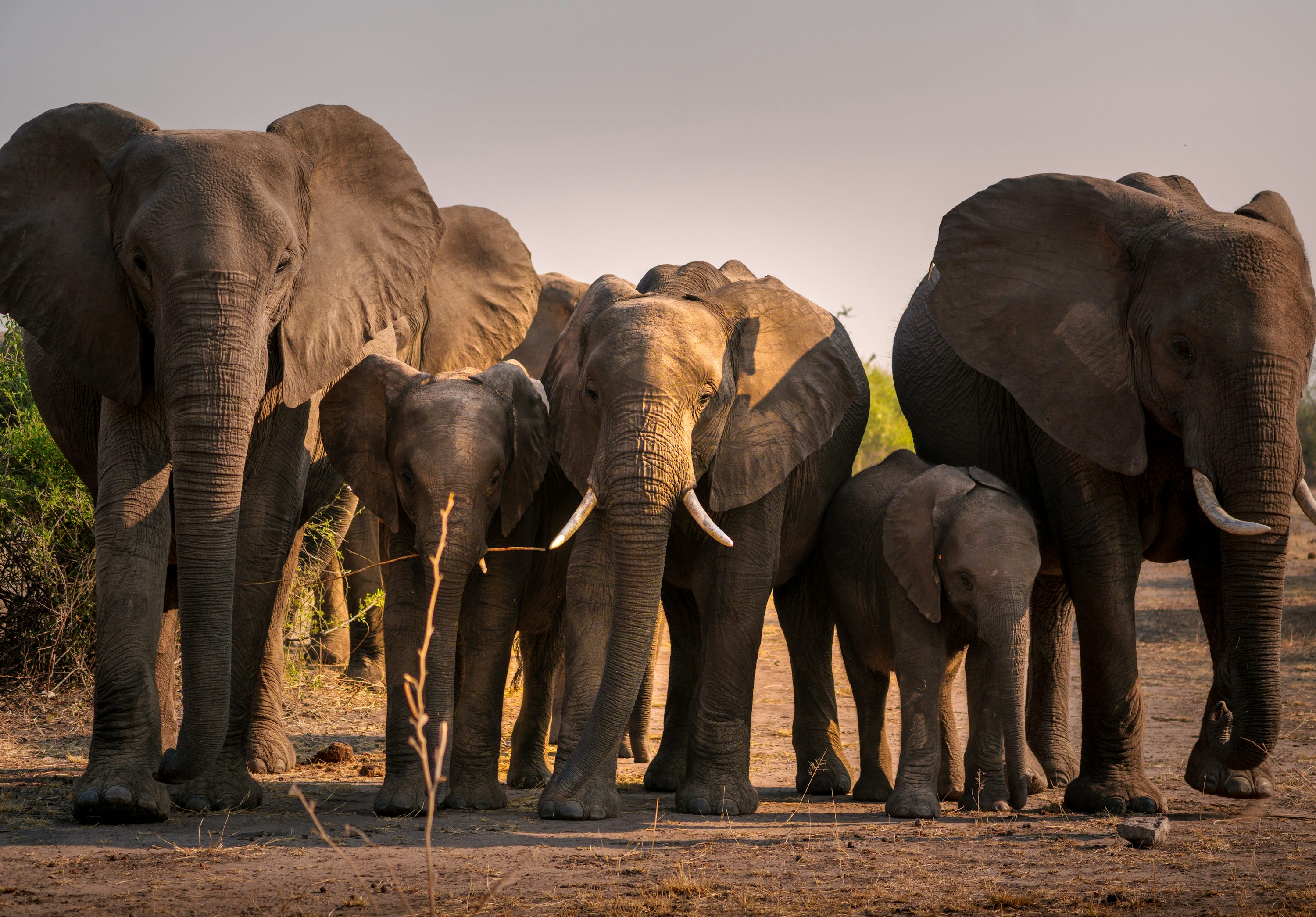
How to Stay Safe Around Lions
Learn how to stay safe around lions on your African safari. Our expert guide covers lion behavior, safari etiquette, and how to choose a safe operator.
 Safari Safety
How to Stay Safe Around Hippos
Learn how to stay safe around hippos, one of Africa\
 Safari Safety
Is African Safari Safe for Travelers?
Is an African safari safe? Our expert guide covers the real risks, safety measures, and practical advice to help you plan a secure and unforgettable journey.
 Wildlife Guides
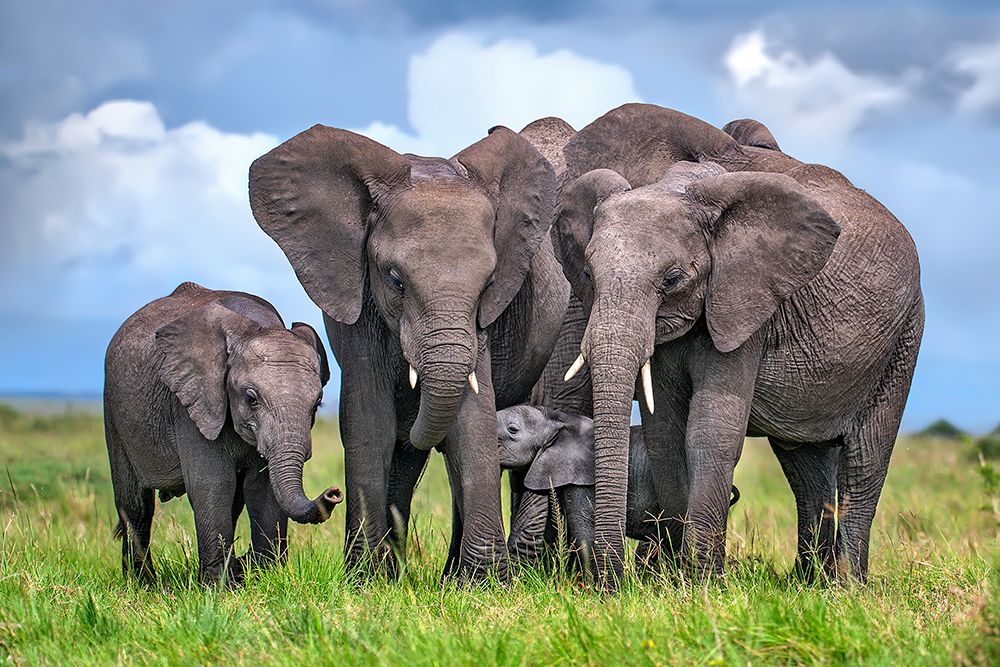
Complete Guide to African Elephant Social Structure
Learn about complete guide to african elephant social structure in this comprehensive safari guide.
 Wildlife Guides
African Elephants – Where to See Them
Discover the best places in Africa to see elephants on safari. Our expert guide details top destinations like Chobe, Amboseli, and Tarangire for incredible encounters.
 Safari Travel Tips
Staying Comfortable on Safari
Stay comfortable on your African safari with our expert tips on what to wear, how to manage the heat, and what to pack for a memorable and enjoyable adventure.