
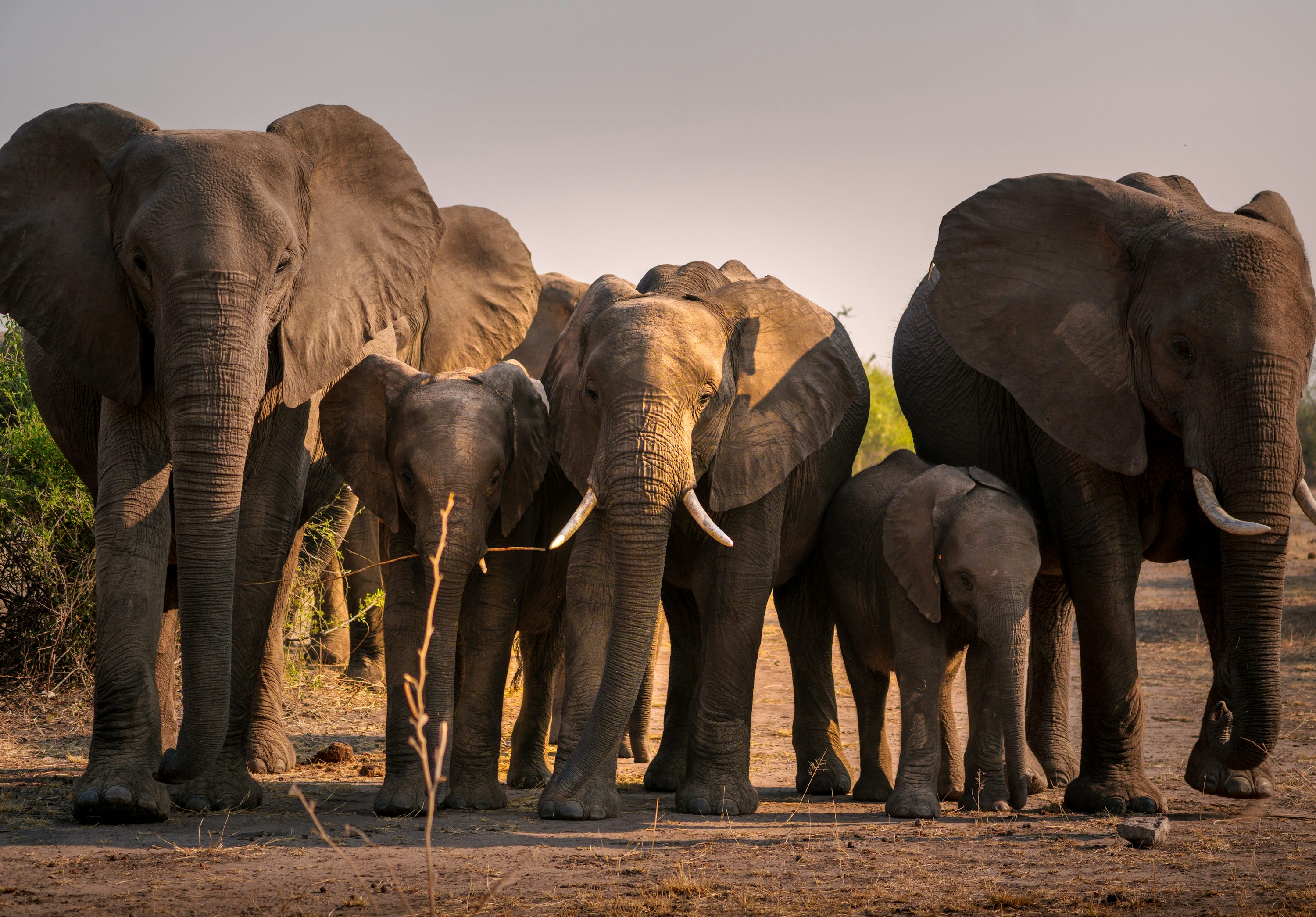
Learn how to stay safe around lions on your African safari. Our expert guide covers lion behavior, safari etiquette, and how to choose a safe operator.
Encountering a lion in its natural habitat is one of the most breathtaking experiences an African safari can offer. The raw power and majestic presence of these apex predators are what draw many of us to the savanna. But with that excitement comes a natural and healthy dose of respect—and for some, a little fear. You might be wondering, "Is it truly safe to be so close to these wild animals?" The answer is a resounding yes, provided you understand their behavior and follow the essential safety protocols that have been developed over decades of responsible tourism.
This guide is designed to replace fear with knowledge. We'll explore the principles of lion behavior, the unbreakable rules of safari etiquette, and how to choose an operator that prioritizes your safety above all else. By the end, you'll understand not only how to stay safe around lions but also how your responsible presence contributes to their conservation.
Understanding Lion Behavior: The Key to Coexistence
The foundation of safari safety lies in a fascinating behavioral phenomenon: lions, and most other wild animals, do not perceive a safari vehicle as a threat or a source of food. To them, the vehicle is like a large, noisy, and uninteresting rock. It's a single, solid entity that is part of the landscape, not a collection of individual people. This is a concept known as habituation, where animals have grown accustomed to the presence of vehicles over many years and have learned that they pose no danger.
This peaceful coexistence, however, depends entirely on you and your fellow travelers respecting the integrity of that "rock." The moment someone stands up, hangs a limb out of the window, or makes a loud, sudden noise, the illusion is shattered. The vehicle's silhouette is broken, and you may suddenly be perceived as an individual—a potential threat or, in the worst-case scenario, prey. This is why the rules your safari guide gives you are not just suggestions; they are the bedrock of a safe and unforgettable wildlife encounter.
The Psychology of a Predator
Lions are hardwired to hunt, but they are also intelligent and cautious animals. They typically hunt familiar prey like wildebeest, zebra, and buffalo. An open-top Land Cruiser full of camera-clicking tourists doesn't fit their search image for a meal. They are also risk-averse and will generally not engage with something large, unknown, and potentially dangerous unless provoked. By remaining a passive, predictable part of the environment, you allow them to go about their natural behaviors undisturbed, which is the ultimate goal of an ethical safari.
The Golden Rules of Safari Vehicle Etiquette
Your safari guide is your most important safety asset. Their instructions are based on extensive training and an intimate understanding of animal behavior. Following their lead is paramount, but here are the universal rules that apply on any game drive in lion country, from the Serengeti in Tanzania to South Africa's Kruger National Park.
Remain Seated and Inside the Vehicle
This is the most critical rule of all. Standing up, leaning out, or dangling arms and legs outside the vehicle breaks its solid shape. This can startle a lion and trigger its predatory instincts. Remember, you are part of the "rock." Don't detach yourself from it. This is especially important in open-sided vehicles, which are common in Southern African destinations like Botswana and Zambia. The animals are accustomed to the shape of the vehicle, and altering it can have serious consequences.
Keep the Noise Down
Lions have exceptional hearing, and loud, unnatural noises can be perceived as a threat. Speak in a low, calm voice, and avoid shouting or making sudden noises. Ensure your phone is on silent, and be mindful of camera shutter sounds. The quieter you are, the more likely the animals are to remain relaxed, allowing for a more intimate and extended viewing.
No Food, No Feeding
Never, under any circumstances, should you eat or feed animals on a game drive. Feeding wild animals is one of the most dangerous things you can do. It habituates them to humans as a food source, which can lead to aggressive behavior and ultimately necessitates the animal being put down. It is not only dangerous but also deeply unethical and detrimental to conservation efforts.
Follow Your Guide's Instructions
Your guide is a trained professional with years of experience in the bush. They can read subtle cues in an animal's body language that you would never notice—a flick of the tail, a flattening of the ears, or a low growl. If they tell you to be quiet, to sit down, or that it's time to move away from a sighting, they are doing so for your safety. Trust their judgment without question.
Still researching? Let us help.
Our advisory team has planned safaris across 9 African countries. We can turn your research into a real plan.
Talk to an Advisor[Walking Safari](/knowledge/walking-safaris-explained)s: A Different Set of Rules
A walking safari is an incredibly immersive way to experience the African bush, but it comes with a different and elevated level of risk. Without the protective shell of a vehicle, you are on foot in the territory of apex predators. For this reason, walking safaris are conducted with the strictest safety protocols.
The Importance of an Armed Guide
Walking safaris are always led by a highly qualified and experienced guide, who is accompanied by an armed ranger. These professionals have undergone rigorous training in tracking, animal behavior, and, most importantly, how to handle dangerous wildlife encounters. The firearm is a last resort, and its presence is primarily to ensure your safety in a worst-case scenario. A good walking guide's primary skill is avoiding dangerous encounters in the first place through their intimate knowledge of the terrain and animal movements.
How to Behave on Foot
When on a walking safari, you will be instructed to walk in single file, with the lead guide at the front and the armed ranger at the back. This minimizes your group's profile and makes you appear as a single, larger unit. You will be told to walk quietly, to be constantly aware of your surroundings, and never to run. Running can trigger a predator's chase instinct. If you encounter a lion on foot, you must stand your ground, follow your guide's instructions to the letter, and never show fear.
Choosing a Safe and Ethical [Safari Operator](/knowledge/how-to-choose-a-safari-operator)
Your safety is directly linked to the quality and ethics of the safari operator you choose. A reputable company will never compromise on safety for the sake of a closer photograph or a more thrilling encounter. They invest in highly trained guides, well-maintained vehicles, and adhere to strict park regulations.
What to Look for in a Reputable Operator
When researching safari companies, look for evidence of their commitment to safety. Do they highlight the qualifications of their guides? Are they members of recognized professional associations? Do their reviews mention a focus on responsible and ethical wildlife viewing? A good operator will be transparent about their safety protocols and will prioritize education over entertainment.
The Dangers of Unethical Wildlife Encounters
Be wary of any operation that offers hands-on encounters with lions, such as cub petting or "walking with lions." These are almost always unethical, exploitative operations that contribute to the canned hunting industry. The animals are often mistreated, and these encounters create a dangerous and false sense of security around wild predators. A truly wild lion should never be touched or approached on foot without the strictest of safety measures in place.
In the Unlikely Event of a Close Encounter
Despite all precautions, you may find yourself in a situation where a lion approaches you on foot, perhaps at an unfenced camp. While exceedingly rare, it's important to know how to react. The key is to make yourself look as large and intimidating as possible. Do not crouch down or try to hide. Stand tall, wave your arms, and make loud noises. Do not turn your back or run. Slowly back away while facing the animal. The goal is to signal that you are not easy prey.
Done Reading? Let's Build Your Safari.
Skip the guesswork. Work with an advisor who has been on the ground across East and Southern Africa.
Plan With UsA Safe and Unforgettable Adventure
Staying safe around lions is not about fear; it's about respect and knowledge. By understanding their behavior, adhering to the rules of the bush, and choosing an ethical safari operator, you can enjoy the thrill of seeing these magnificent animals in their natural environment with confidence. A safari is a journey into a world where nature is still in charge, and by being a responsible and respectful visitor, you not only ensure your own safety but also contribute to the protection of these incredible creatures for generations to come.
Need Expert Safari Guidance?
Get expert advisory support from a firm founded by a former safari guide — with real operational knowledge across 9 African countries and full-journey accountability.
Related Planning Guides
Explore Related Topics
Recommended Reading
 Safari Safety
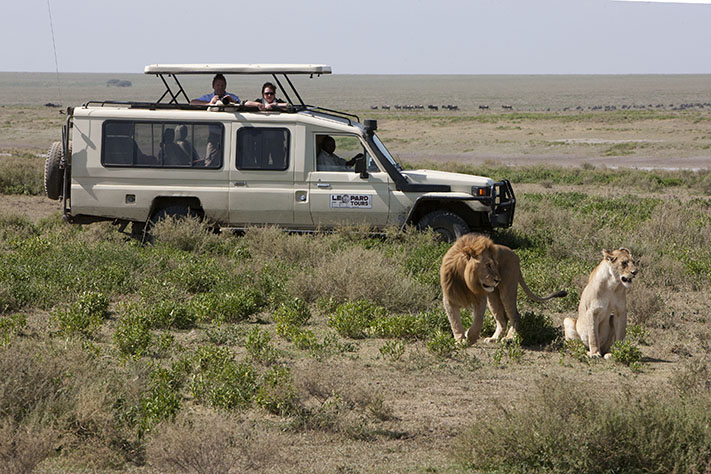
How to Stay Safe Around Elephants
Learn how to stay safe around elephants on your African safari. This guide covers elephant behavior, safari vehicle etiquette, and practical tips for self-drivers.
 Safari Safety
How to Stay Safe Around Hippos
Learn how to stay safe around hippos, one of Africa\
 Safari Safety
Is African Safari Safe for Travelers?
Is an African safari safe? Our expert guide covers the real risks, safety measures, and practical advice to help you plan a secure and unforgettable journey.
 Wildlife Guides
Lions of Africa – Behavior and Habitat
Learn about the behavior and habitat of African lions. This guide covers their social structure, hunting techniques, and the best places to see them in Africa.
 Wildlife Guides
Complete Guide to African Lion Behavior
Delve into the complex social structure, hunting techniques, and communication methods of the African lion. Understand the king of the savanna with this in-depth guide.
 Safari Travel Tips
Staying Comfortable on Safari
Stay comfortable on your African safari with our expert tips on what to wear, how to manage the heat, and what to pack for a memorable and enjoyable adventure.