
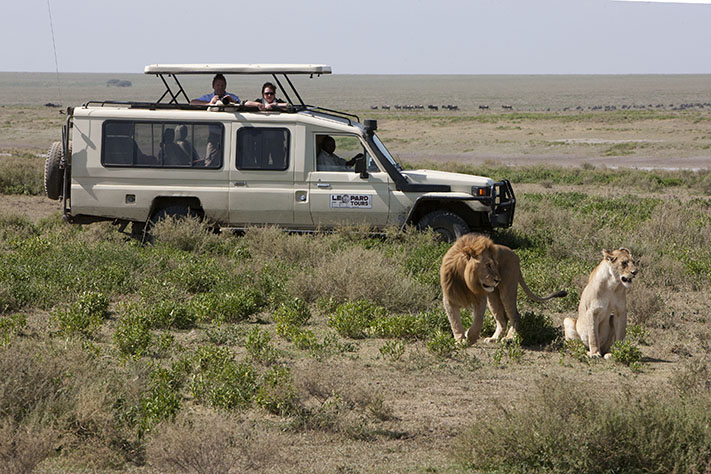
Learn how to stay safe around hippos, one of Africa\
''' Hippos are an iconic symbol of the African wilderness, often depicted as gentle, slow-moving giants. However, this perception couldn't be further from the truth. In reality, hippos are one of the most dangerous large land animals in Africa, responsible for an estimated 500 human fatalities each year. Understanding their behavior and adhering to strict safety guidelines is crucial for anyone planning a safari in hippo territory. This guide will provide you with the essential knowledge to stay safe around these magnificent but formidable creatures.
Understanding Hippo Behavior
To stay safe around hippos, you must first understand their behavior. Hippos are semi-aquatic mammals that spend up to 16 hours a day submerged in rivers, lakes, and mangrove swamps. This aquatic lifestyle is essential for keeping their massive bodies cool under the hot African sun. While they may appear docile in the water, they are fiercely territorial and will defend their stretch of water against any perceived threat.
Territorial Nature
Male hippos, known as bulls, are particularly territorial in the water. They will defend their territory, which can be a stretch of river or a small lake, from other males and any intruders. A hippo's "yawn" is not a sign of sleepiness but a threat display, showing off its enormous canine teeth that can grow up to 20 inches long. If you see a hippo yawning in your direction, it's a clear warning to back away.
Nocturnal Grazers
At night, hippos leave the water to graze on grass, often traveling several miles in search of food. They can consume up to 80 pounds of grass in a single night. When on land, hippos are more solitary and less territorial than in the water. However, they can still be extremely dangerous if startled or if their path back to the water is blocked.
Why Hippos Are So Dangerous
The danger of hippos lies in their unpredictable nature, surprising speed, and immense power. Despite their bulk, hippos can run on land at speeds of up to 19 miles per hour, easily outrunning a human. Their massive jaws can open to 180 degrees and are capable of biting a 10-foot crocodile in half.
Unpredictable and Aggressive
Hippos are notoriously unpredictable. They can switch from a state of calm to extreme aggression in an instant, often with little or no warning. This unpredictability makes them one of the most feared animals in Africa. They are known to attack boats, canoes, and even vehicles that venture too close.
Powerful Jaws and Teeth
A hippo's most formidable weapon is its mouth. Their large canine and incisor teeth are not used for eating but for fighting and defense. A hippo bite can inflict catastrophic injuries, and many attacks are fatal. It is this combination of power and aggression that makes them so deadly.
Still researching? Let us help.
Our advisory team has planned safaris across 9 African countries. We can turn your research into a real plan.
Talk to an AdvisorStaying Safe on the Water
Most hippo encounters occur on or near water. Whether you are on a boat safari, a canoe trip, or simply near a riverbank, it is essential to be vigilant and follow these safety guidelines.
Keep a Safe Distance
The most important rule for staying safe around hippos is to maintain a respectful distance. Never approach a hippo, and if you are in a boat, ensure your guide keeps a safe distance of at least 150 feet. If a hippo starts to move towards your boat, retreat immediately.
Be Aware of Your Surroundings
Hippos can stay submerged for up to six minutes, making them difficult to spot. Always be aware of your surroundings and look for signs of hippo activity, such as tracks, dung, and listening for their distinctive grunts and bellows. When on a boat, constantly scan the water for any signs of hippos.
What to Do If a Hippo Charges Your Boat
In the unlikely event that a hippo charges your boat, remain as calm as possible. Your guide will be experienced in handling such situations and will likely try to move the boat away from the hippo. Do not make any sudden movements or loud noises, as this could further agitate the animal.
Staying Safe on Land
While hippo encounters on land are less common, they can be just as dangerous. Hippos are most active on land at night when they come out of the water to graze. If you are staying in a safari lodge or camp near a river or lake, it is crucial to be aware of the potential for hippo activity.
Avoid Walking at Night
Never walk around a safari camp or lodge at night without a guide or escort. Many camps in hippo territory are unfenced, and hippos often wander through them at night. Always use a flashlight and be aware of your surroundings.
Do Not Block Their Path to Water
If you encounter a hippo on land, the most important thing to remember is not to get between the hippo and its path back to the water. A hippo that feels cornered or threatened will charge to clear its path. If you find yourself in this situation, try to find cover behind a tree, rock, or vehicle.
Where You'll Encounter Hippos
Hippos are found in many of Africa's major rivers and lakes. Some of the best places to see hippos on safari include:
- Queen Elizabeth National Park, Uganda: The Kazinga Channel is home to one of the largest concentrations of hippos in Africa.
- Okavango Delta, Botswana: This vast inland delta is a prime habitat for hippos, and you are almost guaranteed to see them on a mokoro (traditional canoe) trip.
- Kruger National Park, South Africa: The rivers and waterholes of Kruger are home to a large population of hippos.
- Serengeti National Park, Tanzania: The Serengeti's rivers and hippo pools offer excellent opportunities to see these massive animals.
Done Reading? Let's Build Your Safari.
Skip the guesswork. Work with an advisor who has been on the ground across East and Southern Africa.
Plan With UsConclusion
Staying safe around hippos is a matter of understanding their behavior, respecting their space, and following the guidance of your experienced safari guide. While they are undeniably dangerous animals, with the right knowledge and precautions, you can safely appreciate these magnificent creatures in their natural habitat. Always remember that you are a visitor in their home, and by treating them with the respect they deserve, you can ensure a safe and unforgettable safari experience. '''
Need Expert Safari Guidance?
Get expert advisory support from a firm founded by a former safari guide — with real operational knowledge across 9 African countries and full-journey accountability.
Related Planning Guides
Explore Related Topics
Recommended Reading
 Safari Safety
How to Stay Safe Around Elephants
Learn how to stay safe around elephants on your African safari. This guide covers elephant behavior, safari vehicle etiquette, and practical tips for self-drivers.
 Safari Safety
How to Stay Safe Around Lions
Learn how to stay safe around lions on your African safari. Our expert guide covers lion behavior, safari etiquette, and how to choose a safe operator.
 Safari Safety
Travel Safety in East Africa
Travel safely in East Africa with our expert tips. This guide covers health, urban safety, and wildlife precautions for your safari in Kenya, Tanzania, and beyond.
 Wildlife Guides
Hippos on Safari
Discover the fascinating world of hippos on safari. Learn about their behavior, social lives, and the best places in Africa to see these magnificent animals safely.
 Safari Travel Tips
Staying Comfortable on Safari
Stay comfortable on your African safari with our expert tips on what to wear, how to manage the heat, and what to pack for a memorable and enjoyable adventure.
 Safari Travel Tips
Staying Connected on Safari
Learn how to stay connected on your African safari. Our guide covers Wi-Fi, local SIM cards, and satellite phones to help you manage your connectivity.