
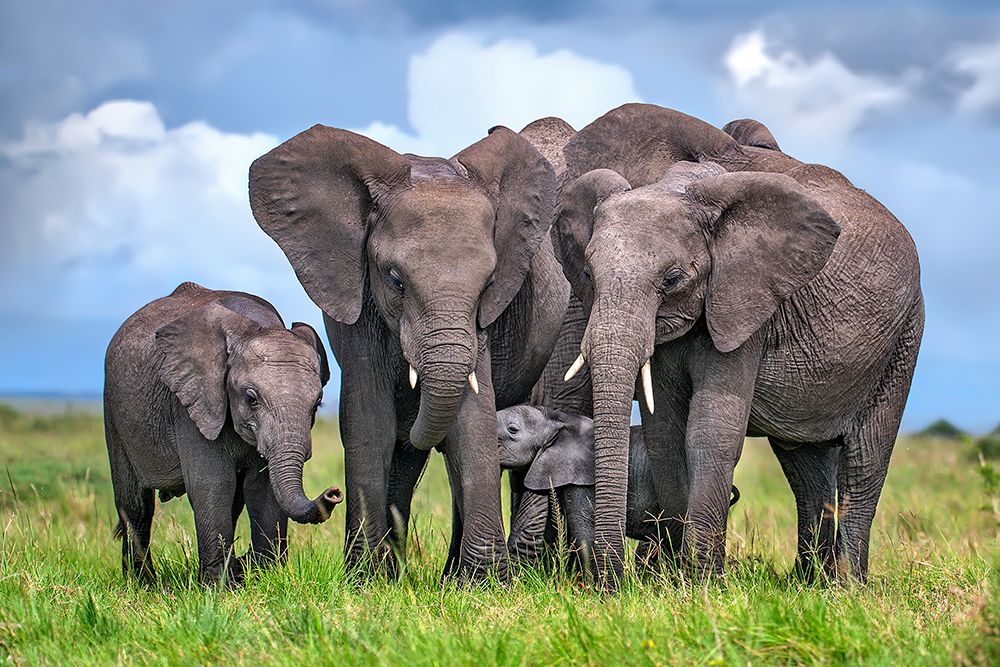
Learn about complete guide to african elephant social structure in this comprehensive safari guide.
Introduction
Understanding complete guide to african elephant social structure is essential for anyone planning a safari in Africa. This topic encompasses a range of considerations that can significantly impact your travel experience, from practical logistics to wildlife encounters that create lasting memories.
Key Details and Considerations
The most important aspects of complete guide to african elephant social structure involve understanding local conditions, seasonal variations, and the unique characteristics of different safari regions. Each destination across Africa offers something distinct, from the Serengeti's endless plains to the Okavango Delta's waterways. Working with experienced safari operators ensures you receive guidance tailored to your specific interests and travel dates.
Still researching? Let us help.
Our advisory team has planned safaris across 9 African countries. We can turn your research into a real plan.
Talk to an AdvisorPractical Advice
For practical guidance on complete guide to african elephant social structure, consider these expert recommendations. First, start your research early and use reliable sources like our knowledge center for up-to-date information. Second, don't underestimate the value of professional guidance, as a knowledgeable safari planning guide can save you time, money, and potential disappointment. Third, remain flexible in your planning, as Africa's natural environments are dynamic and unpredictable.
Expert Insights
Safari professionals with decades of experience note that understanding complete guide to african elephant social structure gives travelers a significant advantage. The difference between a good safari and an exceptional one often comes down to the details, from choosing the right accommodation to timing your game drives for optimal wildlife viewing. Our safari operators bring this expertise to every consultation, helping you avoid common pitfalls and discover hidden gems.
Planning Your Next Steps
To wrap up, mastering complete guide to african elephant social structure is an investment that pays dividends throughout your safari journey. The more you understand about Africa's diverse ecosystems, wildlife, and tourism infrastructure, the better equipped you'll be to make decisions that lead to extraordinary experiences. Start your planning journey with our comprehensive knowledge center and connect with our team of experienced safari operators for personalized guidance.
Done Reading? Let's Build Your Safari.
Skip the guesswork. Work with an advisor who has been on the ground across East and Southern Africa.
Plan With UsThe Matriarch: A Walking Library of Survival
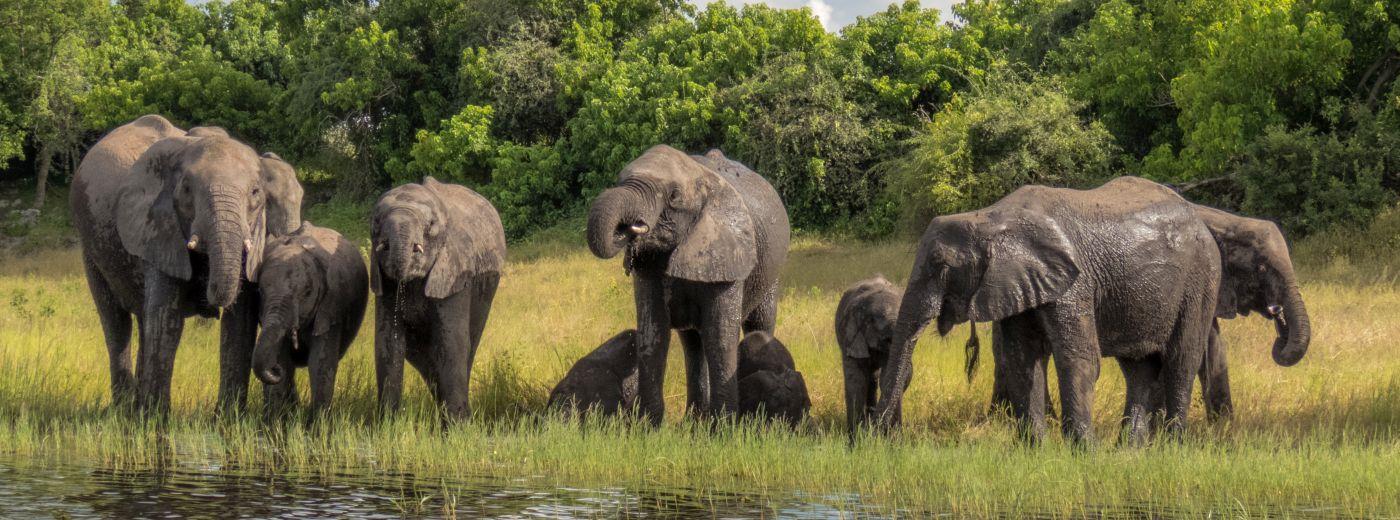
The matriarch is the cornerstone of an elephant family, a living repository of social and ecological knowledge passed down through generations. Her leadership is not one of dominance but of wisdom, experience, and a deep-seated commitment to her family’s well-being. She is typically the oldest and largest female, and her life experience is a critical resource for the entire herd. It is the matriarch who decides where the herd will go to find water in a drought, recalling water sources she may not have visited for decades. She guides them to the best feeding grounds, remembering the seasonal availability of specific plants and minerals. Her calm and assured presence is a source of stability, and her ability to distinguish between real threats and false alarms is crucial for the herd's safety.
> Expert Insight: Studies have shown that herds with older, more experienced matriarchs have higher calf survival rates. This is a direct result of their superior knowledge of resources and their ability to navigate social challenges with other elephant families and predators. When you see a large, confident female leading a herd, you are witnessing a masterclass in elephant leadership.
The Bachelor's Journey: Life for a Bull Elephant
Male elephants, or bulls, have a dramatically different life journey from the females. They leave their natal herd between the ages of 10 and 15, a natural dispersal that prevents inbreeding. This is not a forced expulsion but a gradual process of spending more and more time on the periphery of the herd until they strike out on their own or with other young bulls. These bachelor groups are not as tightly bonded as the female-led families but serve as a crucial learning environment for a young bull. Here, he learns the rules of male society, sparring with his peers to establish his strength and position in the hierarchy.
As a bull matures, he will enter a periodic state of heightened testosterone known as musth. This is a time of great change in a bull's behavior; he becomes more aggressive, unpredictable, and driven to find a mate. Bulls in musth are easily identified by a thick, tar-like secretion from their temporal glands and a constant dribble of urine. This potent chemical signature signals their condition to other elephants, both male and female. A bull in musth is a formidable presence, and even younger bulls in this state can temporarily outrank older, larger, but non-musth bulls. For safari-goers, it is a time to give these magnificent animals a wide berth and observe from a safe distance. Our safari operators can help you plan a safari that prioritizes both incredible sightings and your safety.
Observing Elephant Social Dynamics on Safari
An elephant sighting on safari is more than just a photo opportunity; it's a window into a complex and fascinating society. With a little knowledge, you can transform your viewing experience from a passive one to an active one. Here are a few things to look for:
- Greeting Ceremonies: When two related family groups meet, they will often engage in an elaborate greeting ceremony. This involves a great deal of rumbling, ear-flapping, and intertwining of trunks. It is a joyous and highly emotional display of their social bonds.
- Allomothering: Look for young females practicing their mothering skills on the calves of other females. This communal care, known as allomothering, is a vital part of elephant society. It gives the mother a break and provides the young females with invaluable experience.
- Defensive Formations: If the herd feels threatened, they will quickly form a protective circle around the youngest calves, with the larger females facing outwards. This formidable wall of tusks and muscle is a powerful deterrent to predators like lions and hyenas.
> Traveler's Tip: Some of the best places to observe complex elephant social behavior are in parks with large, stable elephant populations. Amboseli National Park in Kenya is famous for its multi-generational families, and Chobe National Park in Botswana is home to one of the largest elephant concentrations in Africa. Our destinations guide can provide more information on the best parks for elephant viewing.
Social Structure and Conservation: A Critical Link
The intricate social structure of elephants is not just a fascinating aspect of their biology; it is also a critical factor in their conservation. The loss of a matriarch, for example, is a devastating blow to a herd. It is not just the loss of a leader but the loss of a library of knowledge that can mean the difference between life and death for the entire family. Poaching and human-elephant conflict have disproportionately targeted older, larger elephants, with catastrophic consequences for the social fabric of the species.
Understanding this social complexity is why responsible tourism is so important. By choosing safari operators who prioritize ethical wildlife viewing and contribute to conservation efforts, you are helping to protect these magnificent animals and their way of life. To understand the financial investment required for such a trip, you can use our cost calculator. When you are ready to take the next step, our team is here to help you plan your safari in a way that is both unforgettable and sustainable.
Need Expert Safari Guidance?
Get expert advisory support from a firm founded by a former safari guide — with real operational knowledge across 9 African countries and full-journey accountability.
Related Planning Guides
Explore Related Topics
Recommended Reading
 Wildlife Guides
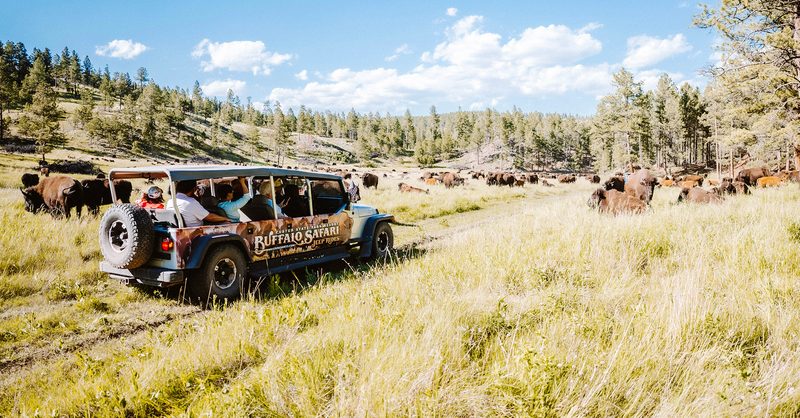
Complete Guide to African Lion Behavior
Delve into the complex social structure, hunting techniques, and communication methods of the African lion. Understand the king of the savanna with this in-depth guide.
 Wildlife Guides
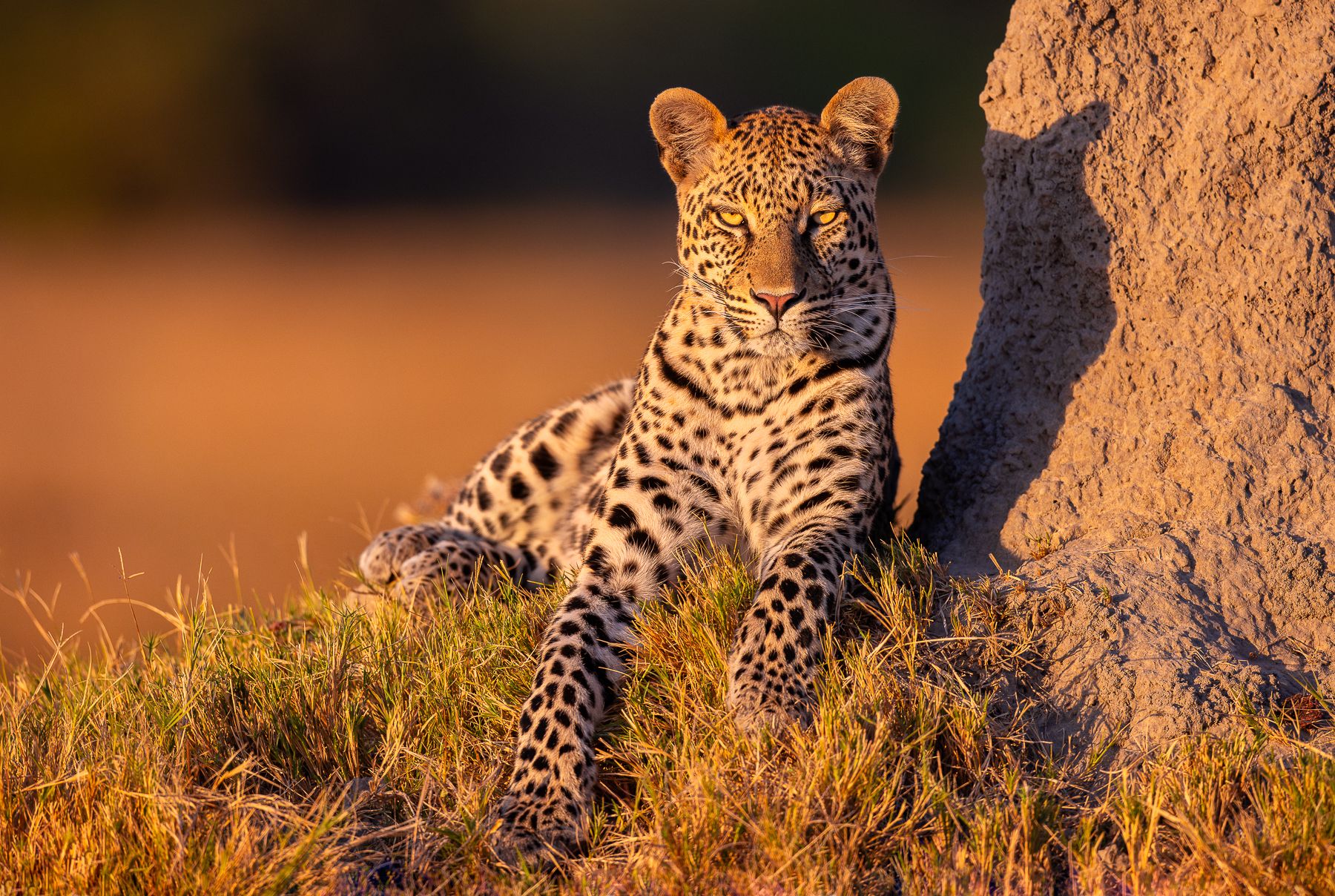
Complete Guide to African Wild Dog Pack Dynamics
Learn all about Complete Guide to African Wild Dog Pack Dynamics in this comprehensive guide. Discover the best time to go, what to see, and how to plan your trip.
 Wildlife Guides
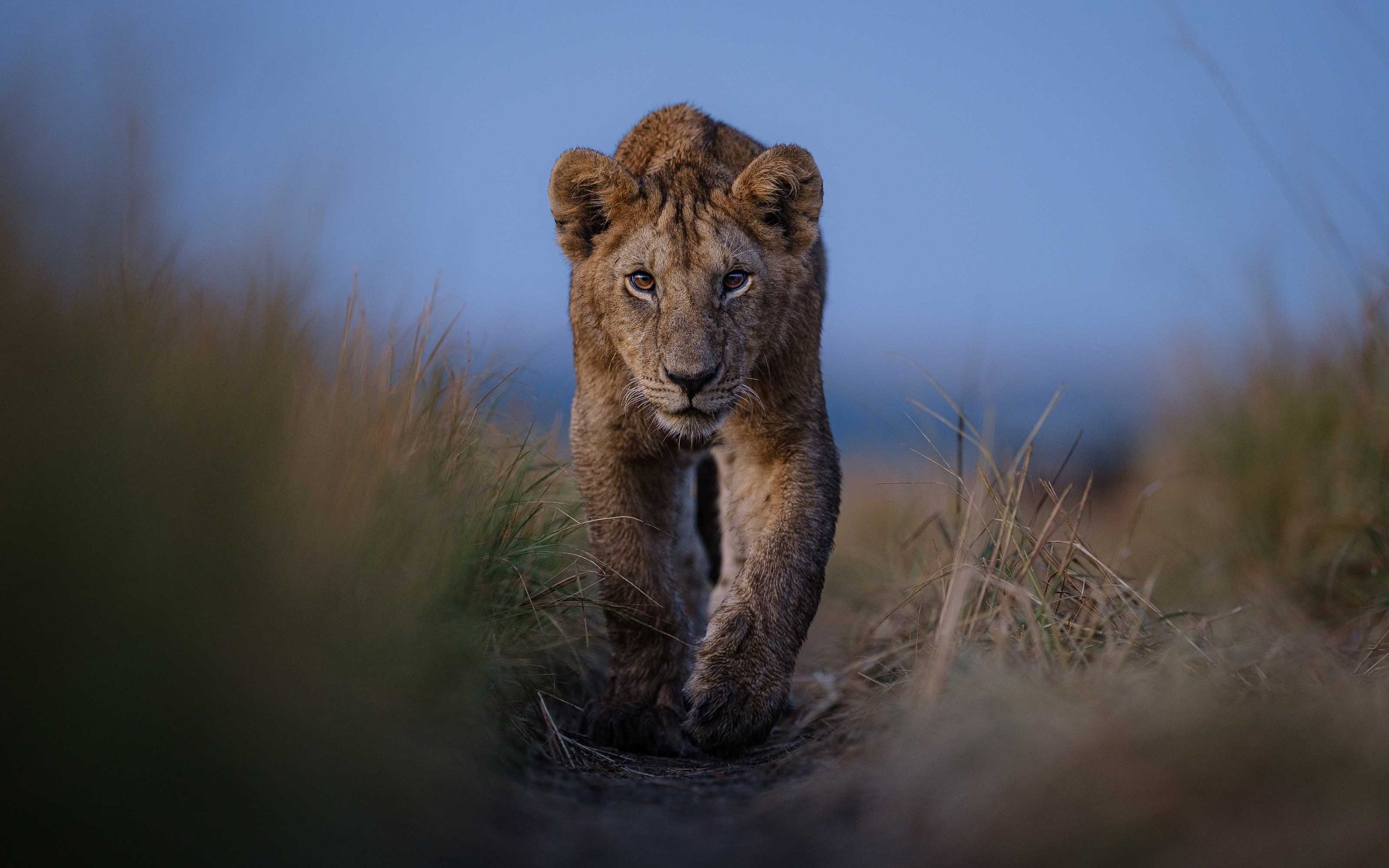
Complete Guide to African Buffalo Herds
Learn all about Complete Guide to African Buffalo Herds in this comprehensive guide. Discover the best time to go, what to see, and how to plan your trip.
 Country Guides
Complete Safari Guide to South Africa
Your complete guide to Complete Safari Guide to South Africa. Find the best destinations, planning tips, and more for your next safari adventure.
 Safari Planning
Step-by-Step Guide to Planning an African Safari
Learn how to plan your first African safari with our step-by-step guide. We cover everything from choosing a destination to booking your trip and packing.
 Destination Guides
Complete Guide to Garden Route Safari Options
A complete guide to Complete Guide to Garden Route Safari Options. Learn about the wildlife, activities, and best time to visit this amazing destination.