
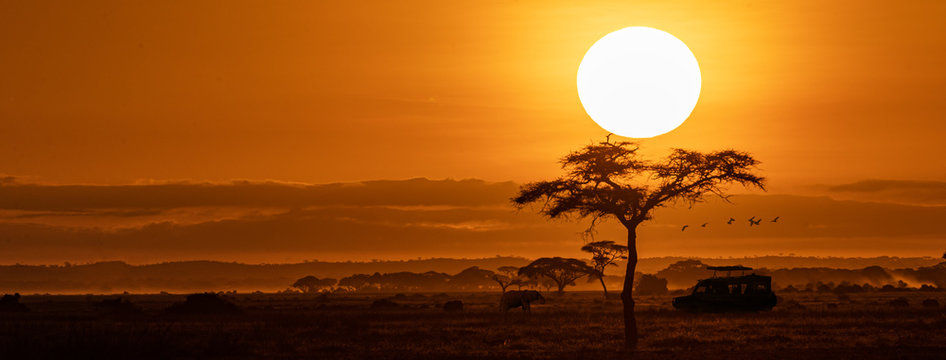
Discover the best places in Africa to see elephants on safari. Our expert guide details top destinations like Chobe, Amboseli, and Tarangire for incredible encounters.
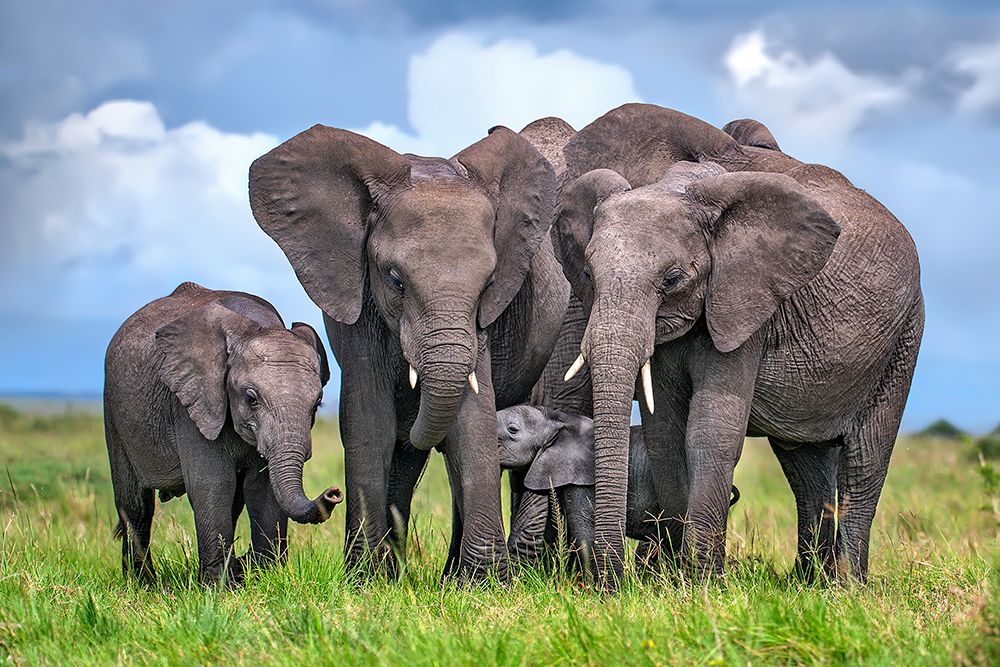
African elephants, the largest land animals on Earth, are a truly awe-inspiring sight. Their immense size, deep intelligence, and complex social bonds have captivated safari-goers for generations. Witnessing a herd moving with quiet grace across the savanna, or a young calf playfully splashing in a waterhole, is an experience that leaves a lasting impression. However, not all elephant-viewing opportunities are created equal. This guide will lead you to the premier destinations across Africa where you can encounter these magnificent creatures in their natural, thriving habitats, helping you to plan an unforgettable and meaningful elephant-focused safari.
Understanding African Elephants: Savanna vs. Forest Elephants
Before diving into the best places to see them, it's important to understand that there are actually two distinct species of African elephants: the savanna elephant (Loxodonta africana) and the forest elephant (Loxodonta cyclotis). While they share a common ancestor, they have evolved different characteristics to adapt to their unique environments.
The Savanna Elephant
As their name suggests, savanna elephants are found in the open grasslands, woodlands, and savannas of sub-Saharan Africa. They are the larger of the two species, with bulls reaching heights of up to 13 feet at the shoulder and weighing over 15,000 pounds. Their tusks are typically larger and curve outwards, an adaptation for digging for water or roots and for defense. The destinations covered in this guide primarily feature savanna elephants, as they are more easily seen in open environments.
The Forest Elephant
Forest elephants are smaller and more elusive, inhabiting the dense tropical forests of Central and West Africa. Their bodies are more compact, and their ears are more rounded, allowing them to move more easily through thick vegetation. Their tusks are straighter and point downwards, which helps them navigate the dense undergrowth. Due to their shy nature and the challenging terrain they inhabit, forest elephants are much more difficult to see in the wild.
Chobe National Park, Botswana: The Land of Giants
Chobe National Park in Botswana is legendary for its colossal elephant population, estimated to be over 50,000 strong, making it one of the highest concentrations of elephants in Africa. This makes it a world-class destination for elephant sightings, especially during the dry season from May to October. As other water sources evaporate, enormous herds are drawn to the permanent waters of the Chobe River, creating a wildlife spectacle of epic proportions.
One of the most exceptional ways to experience Chobe's elephants is from the water. A river safari provides a unique, low-angle perspective as entire families come to the river's edge to drink, socialize, and cool off. It's a common sight to see them swimming across the river to reach the lush islands, their trunks held high like snorkels. Further inland, the Savuti region of the park is another elephant hotspot, famous for its dramatic predator-prey dynamics and its population of massive bull elephants.
When to Visit
The dry season (May to October) is the ultimate time for elephant viewing in Chobe, as the animals are concentrated around the river. The wet season (November to April) brings lush, green landscapes and fewer visitors, but the elephants are more dispersed throughout the park.
Still researching? Let us help.
Our advisory team has planned safaris across 9 African countries. We can turn your research into a real plan.
Talk to an Advisor[Amboseli](/destinations/kenya) National Park, Kenya: Iconic Views and Gentle Giants
Amboseli National Park in Kenya provides one of the most iconic and breathtaking scenes in all of Africa: vast herds of elephants grazing peacefully against the backdrop of the snow-capped peak of Mount Kilimanjaro. The park's wide, open, and dusty plains offer superb visibility, and the large elephant herds are remarkably habituated to safari vehicles, allowing for incredibly close and personal encounters.
Amboseli is also the home of the Amboseli Trust for Elephants, one of the longest-running and most respected elephant research projects in the world. This decades-long study has provided unparalleled insights into the lives of these animals, and many of the individual elephants are known by name. A safari in Amboseli is more than just a game drive; it's an opportunity to learn about the intricate family structures, social dynamics, and individual life stories of these gentle giants.
When to Visit
Amboseli offers excellent elephant viewing throughout the year, but the dry seasons (June to October and January to February) are generally considered the best. During these months, the vegetation is sparse, and the animals congregate around the park's life-sustaining swamps and waterholes.
[Tarangire](/destinations/tanzania) National Park, Tanzania: Home of the Red Elephants
Tarangire National Park in Tanzania is a land of giants, famous for its massive elephant herds and its majestic landscape dotted with ancient baobab trees. During the long dry season, the Tarangire River becomes the sole source of water for miles around, attracting an immense concentration of wildlife, including thousands upon thousands of elephants. The elephants of Tarangire are often affectionately called "red elephants" because of the iron-rich red dust they spray over their bodies to protect their skin from the sun and insects.
The park's varied habitats, which range from riverine forests and acacia woodlands to vast, open grasslands, support a rich diversity of wildlife, but it is the elephants that are the undisputed stars of the show. It is not unusual to witness herds of over 300 individuals, a truly humbling and awe-inspiring spectacle.
When to Visit
The dry season (June to October) is the prime time for elephant viewing in Tarangire. The animals are drawn to the Tarangire River in huge numbers, and the sight of the large herds is nothing short of spectacular.
[Hwange](/destinations/zimbabwe) National Park, Zimbabwe: A Dry Season Haven
Hwange National Park, Zimbabwe's largest and most celebrated national park, serves as a crucial sanctuary for one of southern Africa's most significant elephant populations. The park is part of a vast, unfenced wilderness that stretches across the border into Botswana, allowing the elephants to roam freely between the two countries. During the intense dry season, Hwange's man-made waterholes become vital lifelines, attracting large and diverse herds of elephants.
Observing the complex social interactions of these gentle giants as they gather at the waterholes is a major highlight of any visit to Hwange. The park's diverse landscapes, from dense teak forests to expansive grasslands, provide a stunning and varied backdrop for elephant sightings.
When to Visit
The dry season, particularly from August to October, is the best time to visit Hwange for elephant viewing. The animals are concentrated around the limited water sources, and the sightings are consistently outstanding.
Done Reading? Let's Build Your Safari.
Skip the guesswork. Work with an advisor who has been on the ground across East and Southern Africa.
Plan With UsOther Notable Destinations for Elephant Viewing
While the parks mentioned above are some of the absolute best for elephant encounters, there are several other destinations in Africa where you can have incredible and unique sightings.
[South Luangwa](/destinations/zambia) National Park, Zambia
South Luangwa is a stunningly beautiful park renowned for its exceptional walking safaris and abundant wildlife. It's a fantastic place to see elephants in a more intimate and personal setting, and you may even be lucky enough to witness them swimming gracefully across the Luangwa River.
Mana Pools National Park, Zimbabwe
Mana Pools is famous for a unique and remarkable phenomenon where a few bull elephants have learned to stand on their hind legs to reach the nutritious pods of the acacia trees. This, combined with the park's breathtaking scenery along the Zambezi River, makes for a truly special and unforgettable elephant viewing experience.
Addo Elephant National Park, South Africa
As its name clearly suggests, Addo is all about elephants. This park in South Africa's Eastern Cape is a remarkable conservation success story, having brought the local elephant population back from the very brink of extinction. It's also a malaria-free destination, making it an excellent and safe option for families traveling with children.
The [Okavango Delta](/destinations/botswana), Botswana
The pristine wilderness of the Okavango Delta is another fantastic destination for elephant viewing. Here, you can see them wading through the crystal-clear channels of the delta, often from a mokoro (a traditional dugout canoe), offering a unique and peaceful perspective.
Conclusion
From the immense herds of Chobe to the iconic, postcard-perfect scenes of Amboseli, Africa offers a rich tapestry of opportunities to see elephants in their natural, wild habitats. Each of these remarkable destinations provides a unique and unforgettable experience, allowing you to connect with these intelligent, emotional, and truly magnificent creatures. By choosing to visit these protected areas, you are not only creating lifelong memories but also actively contributing to the vital conservation efforts that are essential for the long-term survival of African elephants.
Need Expert Safari Guidance?
Get expert advisory support from a firm founded by a former safari guide — with real operational knowledge across 9 African countries and full-journey accountability.
Related Planning Guides
Explore Related Topics
Recommended Reading
 Wildlife Guides
Best Places to See Elephants
Planning an elephant safari? Discover the best places to see elephants in Africa, from Chobe\
 Wildlife Guides
Complete Guide to African Elephant Social Structure
Learn about complete guide to african elephant social structure in this comprehensive safari guide.
 Season & Timing Guides
Best Time to See Elephants on Safari
Expert guide on best time to see elephants on safari with month-by-month conditions, pricing, and planning recommendations for safari travelers.
 Season & Timing Guides
Best Time to See Flamingos in Africa
Expert guide on best time to see flamingos in africa with month-by-month conditions, pricing, and planning recommendations for safari travelers.
 Season & Timing Guides
Best Time to See Whale Sharks in East Africa
Expert guide on best time to see whale sharks in east africa with month-by-month conditions, pricing, and planning recommendations for safari travelers.
 Wildlife Guides
Complete Guide to Whale Sharks in East Africa
Learn all about Complete Guide to Whale Sharks in East Africa in this comprehensive guide. Discover the best time to go, what to see, and how to plan your trip.