
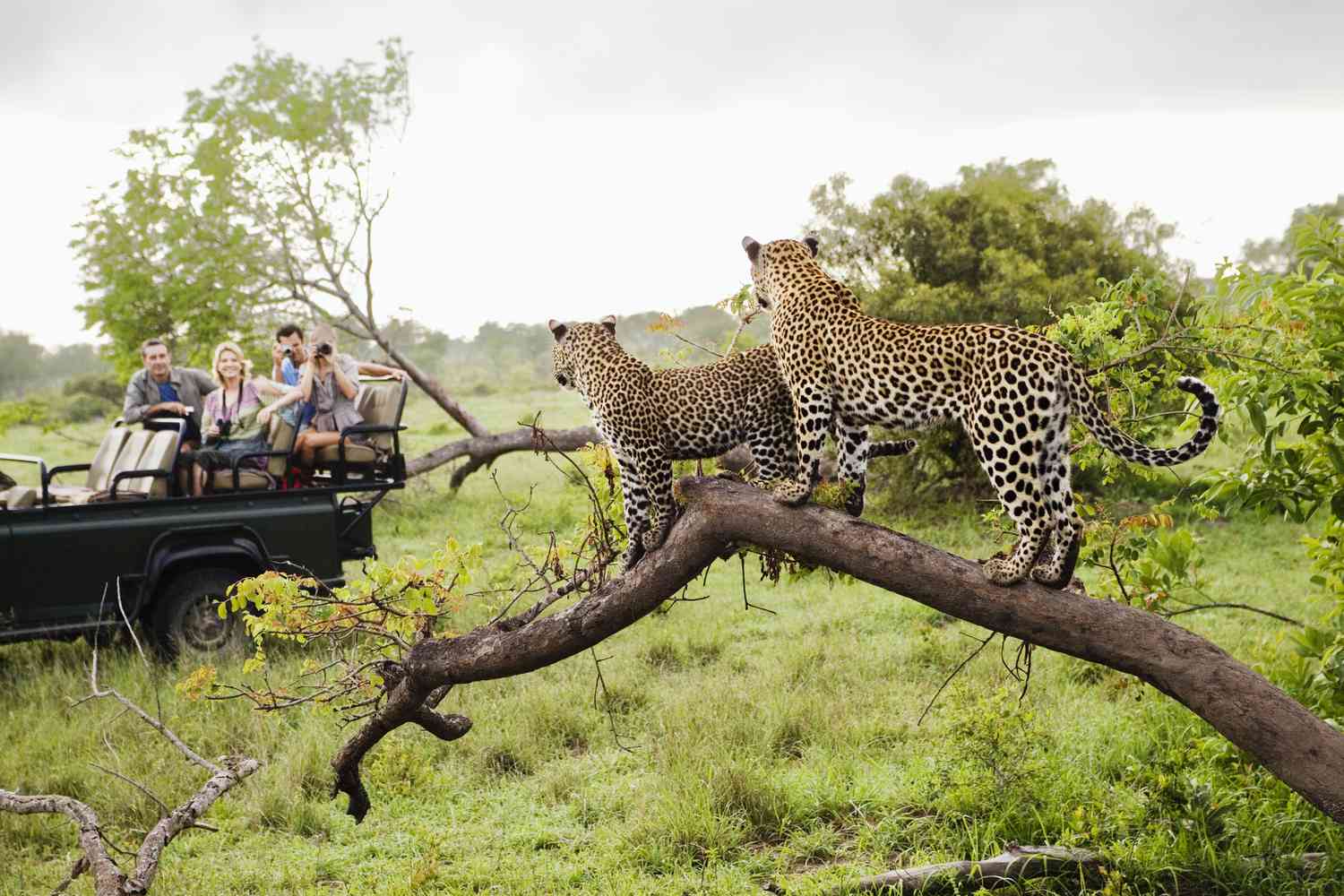
Stay comfortable on your African safari with our expert tips on what to wear, how to manage the heat, and what to pack for a memorable and enjoyable adventure.
''' An African safari is an adventure of a lifetime, filled with thrilling wildlife encounters and breathtaking landscapes. But between the dusty game drives, early morning wake-up calls, and long hours in the sun, it can also be physically demanding. Prioritizing your comfort is not just about luxury; it's about ensuring you have the energy and positive mindset to fully immerse yourself in the experience. A comfortable traveler is a happy traveler, better able to appreciate the magic of the African bush. This guide provides practical advice on how to stay comfortable, from the clothes you pack to how you manage your downtime.
Dressing for Comfort and Protection
What you wear on safari has a significant impact on your comfort. The right clothing protects you from the elements and allows you to focus on the wildlife. The key is to pack smart, choosing versatile pieces that serve multiple purposes.
Layering for Changing Temperatures
Temperatures in many safari destinations can fluctuate dramatically throughout the day. Early morning game drives, especially in open vehicles in places like the Serengeti in Tanzania or the Maasai Mara in Kenya, can be surprisingly cold. By midday, the sun can be intense and hot. The best way to manage these changes is by dressing in layers. Start with a comfortable t-shirt or base layer, add a long-sleeved shirt, and top it with a fleece or light jacket. As the day warms up, you can easily remove layers to stay comfortable.
Choosing the Right Fabrics
Fabric choice is crucial for comfort in the African climate. Lightweight, breathable, and moisture-wicking materials are your best friends. Cotton is comfortable, but it can be slow to dry. Technical fabrics, often used in hiking and travel wear, are excellent choices as they are designed to keep you cool and dry. Neutral, earth-toned colors like khaki, beige, and olive green are recommended. They are less conspicuous to wildlife and don't attract insects as much as dark colors like blue or black, which can attract tsetse flies in certain regions.
Essential Items: Hat, Sunglasses, and Sunscreen
The African sun is powerful, even on overcast days. A wide-brimmed hat is essential for protecting your face, neck, and ears from sunburn. Polarized sunglasses will not only protect your eyes from UV rays but also reduce glare, making it easier to spot animals. Finally, a high-SPF, broad-spectrum sunscreen is non-negotiable. Apply it generously to all exposed skin before heading out on a game drive and reapply as needed throughout the day.
Managing Heat, Sun, and Dust
Game drives are the heart of the safari experience, but they often involve long hours in open vehicles, exposed to the sun and dust. Taking a few simple precautions can make a world of difference to your comfort levels.
Staying Hydrated
Dehydration can quickly lead to fatigue, headaches, and a general feeling of being unwell. It's easy to become dehydrated in the dry African heat without even realizing it. Most safari operators provide bottled water in the vehicle, but it's a good idea to bring your own reusable water bottle as well. Make a conscious effort to drink water regularly throughout the day, even if you don't feel thirsty. Avoid excessive alcohol and caffeine, which can contribute to dehydration.
Protecting Yourself from the Sun
In addition to wearing a hat and sunscreen, a lightweight scarf or bandana can be incredibly versatile. You can use it to cover your neck, face, or even your head for extra sun protection. Long-sleeved shirts and trousers, while seemingly counterintuitive in the heat, offer the best protection from the sun's rays. Look for lightweight, light-colored options with a high UPF (Ultraviolet Protection Factor) rating.
Dealing with Dust on Game Drives
Many of the roads in Africa's national parks are unpaved, and game drives can be dusty affairs, especially during the dry season in destinations like Botswana's Chobe National Park or Zambia's South Luangwa. A bandana or buff can be used to cover your mouth and nose to avoid inhaling dust. It's also a good idea to protect your camera equipment with a dust cover or a simple pillowcase. Wiping down your face and hands with a wet wipe after a drive can provide instant refreshment.
Still researching? Let us help.
Our advisory team has planned safaris across 9 African countries. We can turn your research into a real plan.
Talk to an AdvisorComfort in the Safari Vehicle
You will spend a significant amount of your safari time in a vehicle, so making that space as comfortable as possible is important. Understanding the vehicle and packing a well-stocked daypack are key.
Understanding Safari Vehicle Types
Safari vehicles vary, from open-sided 4x4s common in Southern Africa to pop-top Land Cruisers found in East Africa. Open vehicles offer an immersive experience and fantastic photographic opportunities, but they also provide less protection from the elements. Pop-top vehicles offer more shade and protection from dust and rain. If you have a preference, discuss it with your safari planning guide when planning your trip. Regardless of the vehicle type, a good guide will position it for the best wildlife viewing and ensure you are as comfortable as possible.
Making the Most of Long Drives
Some drives between parks or lodges can be long. Use this time to your advantage. It's a great opportunity to chat with your guide, learn more about the country and its culture, or simply enjoy the changing scenery. A neck pillow can make it easier to nap during transit. Having snacks and water readily available will also make the journey more pleasant.
Essential Daypack Items
Your daypack is your in-vehicle survival kit. In it, you should have everything you need for a few hours away from your lodge. Essentials include your camera, binoculars, sunscreen, insect repellent, any personal medications, a hat, sunglasses, a water bottle, and a few snacks. A light jacket or fleece is also a good idea for those chilly morning starts. Having these items within easy reach means you won't have to rummage through your main luggage during a game drive.
Rest and Relaxation at Your Lodge or Camp
Your accommodation is your sanctuary in the bush, a place to rest, recharge, and reflect on the day's adventures. Choosing the right lodge and making the most of your downtime are crucial for staying comfortable.
Choosing Accommodation for Comfort
Safari lodges and camps range from rustic tented camps to luxurious lodges with private plunge pools. When choosing your accommodation, consider your personal comfort preferences. Do you need air conditioning? Is a swimming pool a must-have? Do you prefer a canvas tent or a solid-walled room? Your safari planning guide can help you select properties that match your comfort level and budget. Remember that even the most rustic camps are designed for guest comfort, with comfortable beds, en-suite bathrooms, and attentive staff.
Making the Most of Downtime
Safari days often have a rhythm: an early morning activity, followed by a break during the hottest part of the day, and then an afternoon activity. Use this midday downtime to your advantage. Take a nap, read a book, or simply relax by the pool. This is your time to recharge your batteries for the afternoon's adventures. Resisting the temptation to be constantly on the go will help you avoid burnout and enjoy your trip more.
Evening and Nighttime Comfort
Evenings on safari are a magical time. After your afternoon game drive, you'll have time to shower and relax before dinner. Most lodges have a campfire where guests can gather for drinks and share stories. When it's time to sleep, you'll be serenaded by the sounds of the African night. If you are a light sleeper, a pair of earplugs can be helpful. Most lodges provide mosquito nets over the beds, ensuring a peaceful and bite-free night's sleep.
Health and Wellness on Safari
Staying healthy is a fundamental part of staying comfortable. A few simple health precautions can prevent minor issues from becoming major problems.
Preventing Insect Bites
Mosquitoes and other biting insects are a reality in many parts of Africa. To protect yourself, use an effective insect repellent containing DEET or Picaridin, especially in the evenings. Wearing long-sleeved shirts and trousers at dusk and dawn, when mosquitoes are most active, can also help. Most lodges and camps spray their rooms in the evening to minimize insects.
Essential Medications and First-Aid
Pack a small first-aid kit with essentials like pain relievers, antihistamines, antiseptic wipes, and bandages. If you take any prescription medications, bring enough for your entire trip, along with a copy of your prescription. It's also a good idea to include medication for stomach upsets, just in case. Consult your doctor about anti-malarial medication if you are traveling to a malaria zone.
Getting Enough Sleep
The early morning wake-up calls on safari can be tough if you're not used to them. Prioritize getting enough sleep to ensure you have the energy for a full day of activities. The midday break is a great opportunity to catch up on rest. A good night's sleep will leave you feeling refreshed and ready for whatever the next day brings.
In conclusion, staying comfortable on safari is about more than just luxury. It's about being prepared, packing smart, and taking care of yourself. By following these simple tips, you can ensure that you are comfortable, healthy, and ready to make the most of every moment of your incredible African adventure. A little planning goes a long way in creating a truly unforgettable experience. '''
Need Expert Safari Guidance?
Get expert advisory support from a firm founded by a former safari guide — with real operational knowledge across 9 African countries and full-journey accountability.
Related Planning Guides
Explore Related Topics
Recommended Reading
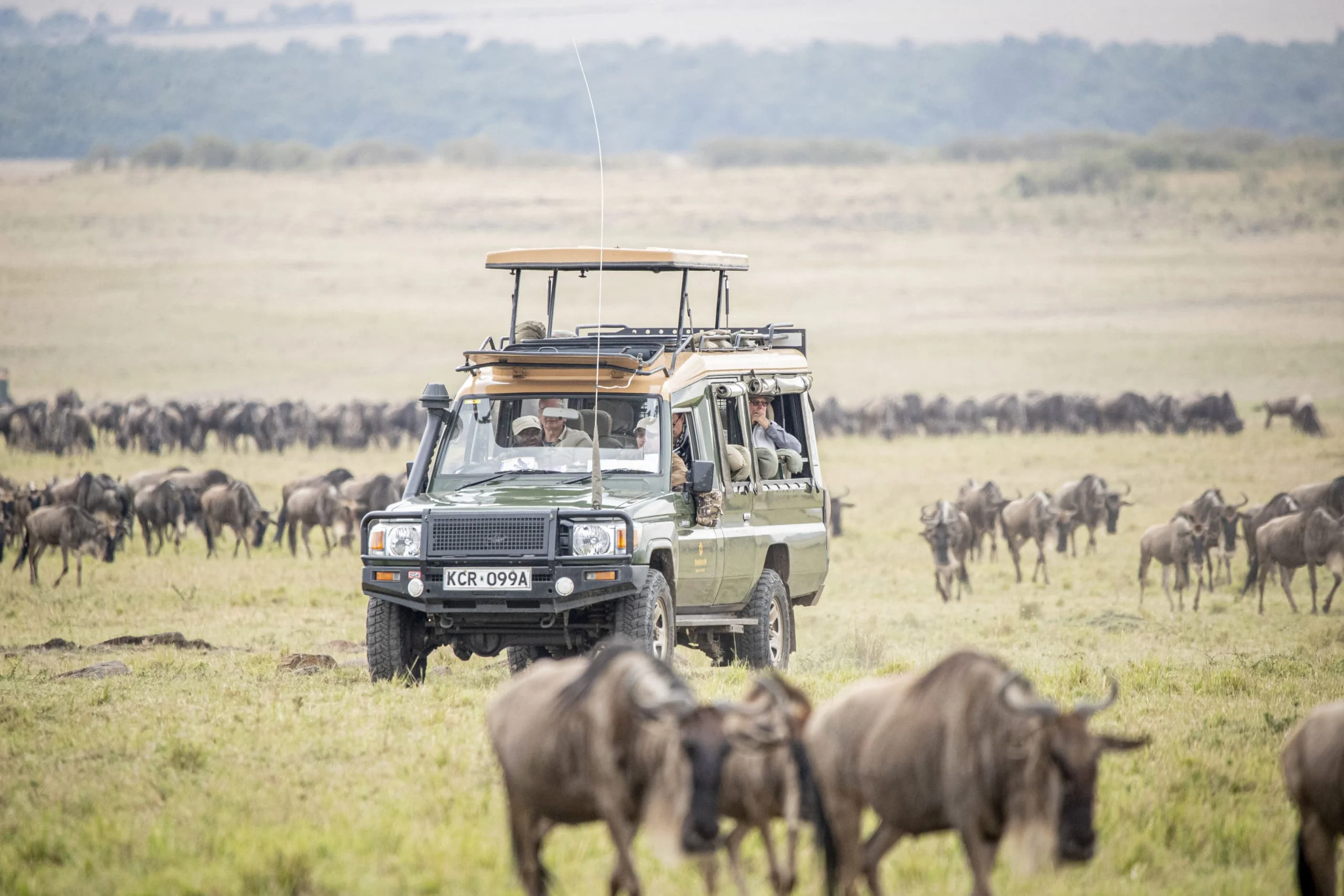 Safari Travel Tips
Staying Connected on Safari
Learn how to stay connected on your African safari. Our guide covers Wi-Fi, local SIM cards, and satellite phones to help you manage your connectivity.
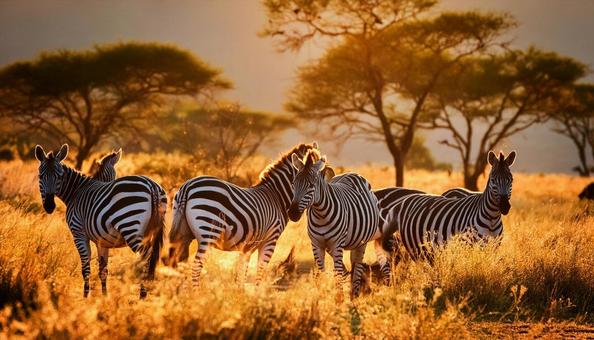 Safari Planning
How to Plan Your First African Safari
Learn how to plan your first African safari with expert tips on destinations, timing, costs, and choosing the right operator.
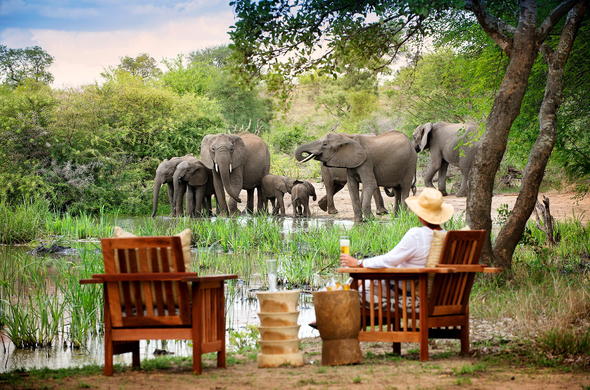 Safari Planning
Step-by-Step Guide to Planning an African Safari
Learn how to plan your first African safari with our step-by-step guide. We cover everything from choosing a destination to booking your trip and packing.
 Safari Planning
Choosing the Right African Safari Destination
Planning an African safari? Our guide helps you choose the right destination by breaking down key factors like wildlife, budget, travel style, and top countries.
 Safari Safety
Is African Safari Safe for Travelers?
Is an African safari safe? Our expert guide covers the real risks, safety measures, and practical advice to help you plan a secure and unforgettable journey.
 Safari Travel Tips
Best Safari Cameras
Discover the best safari camera for your trip to Africa. Our guide covers point-and-shoot, DSLR, and mirrorless cameras to help you capture stunning photos.