
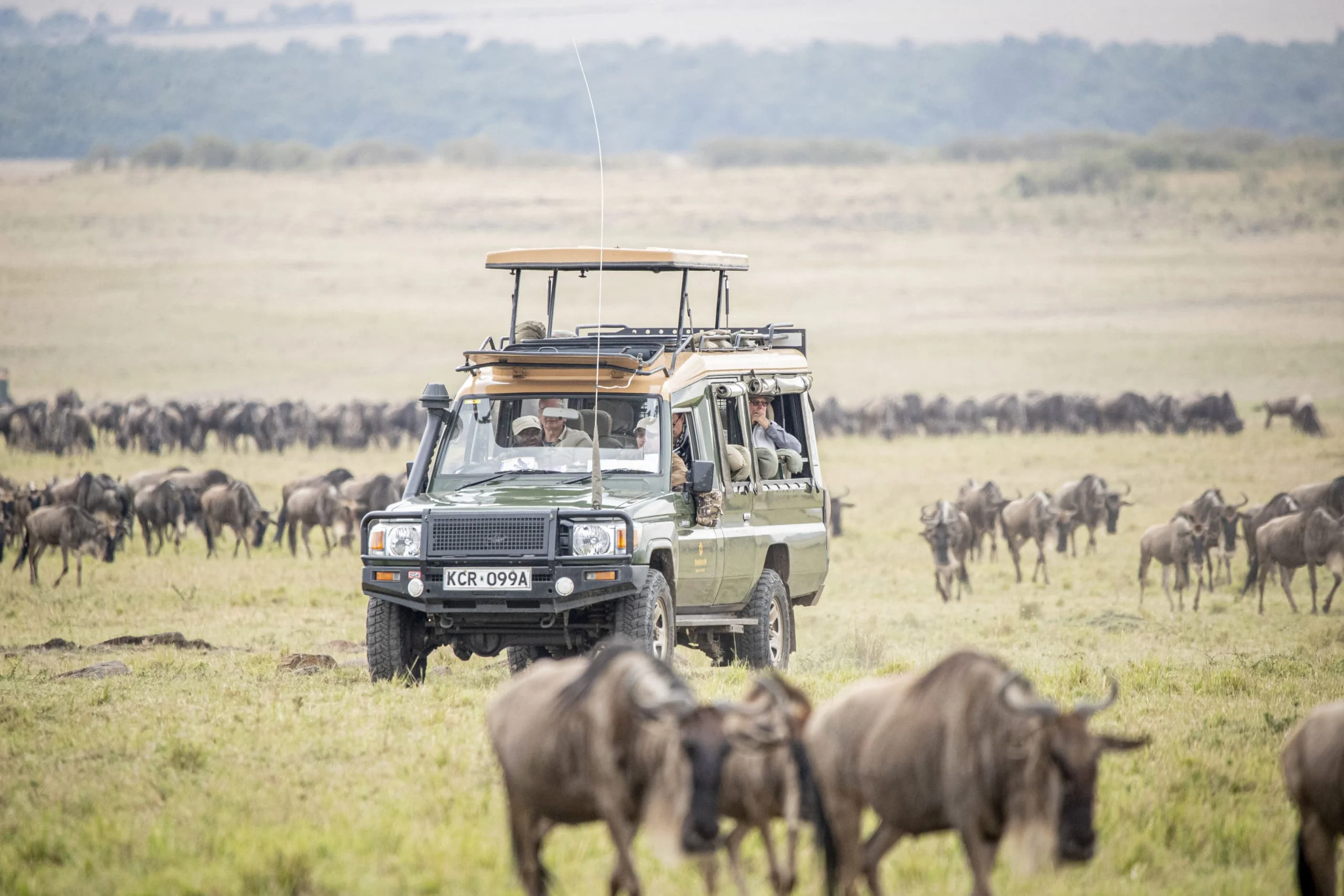
Learn how to stay connected on your African safari. Our guide covers Wi-Fi, local SIM cards, and satellite phones to help you manage your connectivity.
''' Staying connected while on safari in Africa is a topic that brings up a mix of excitement and apprehension for many travelers. In a world where we are constantly linked to our digital lives, the thought of being disconnected can be daunting. However, a safari offers a unique opportunity to unplug and immerse yourself in the natural world. The reality is that while you won't have the constant, high-speed internet you're used to at home, staying in touch is more manageable than you might think. The key is to understand your options, plan ahead, and embrace a different kind of connection—one with the incredible wilderness around you.
Understanding the Realities of Connectivity in the Bush
The first step to managing your connectivity on safari is to adjust your expectations. The infrastructure in remote safari destinations is vastly different from what you find in urban centers. While many lodges and camps have made impressive strides in offering internet access, it's often limited, slower, and less reliable than you might be accustomed to. Understanding the reasons behind this will help you better prepare for your journey.
Why Wi-Fi is Limited
Most safari lodges and camps are situated in remote, protected wilderness areas, far from the reach of conventional fiber-optic cables or robust cellular networks. Providing internet in these locations requires sophisticated and expensive satellite technology. This is why you'll often find that Wi-Fi is only available in the main lodge area and not in your private tent or room. Furthermore, the bandwidth is shared among all guests and staff, which can lead to slower speeds, especially during peak hours. Many camps also intentionally limit access to encourage guests to disconnect and fully engage with the safari experience.
The "Digital Detox" Opportunity
While the initial thought of limited Wi-Fi might cause some anxiety, many travelers find it to be one of the most rewarding aspects of their safari. A "digital detox" allows you to be fully present in the moment, to listen to the sounds of the bush, and to connect more deeply with your surroundings and fellow travelers. It's a chance to trade screen time for breathtaking sunsets, social media updates for stories around the campfire, and email notifications for the roar of a distant lion. Embracing this opportunity can transform your safari from a great vacation into a truly life-changing experience.
Your Options for Staying Connected
Even with the push to disconnect, there are practical reasons to need internet access, from checking in with family to handling urgent work matters. Fortunately, you have several options for staying connected, each with its own set of advantages and disadvantages.
Local SIM Cards
For travelers who need more consistent connectivity, purchasing a local SIM card upon arrival is often the most cost-effective and reliable option. In countries like Kenya, Tanzania, and South Africa, major cellular providers such as Safaricom, Vodacom, and MTN offer extensive network coverage, even in some national parks and reserves. You can typically buy a SIM card at the airport or in major towns for a small fee and then purchase data bundles at very affordable rates. This will give you access to cellular data on your smartphone whenever you are within a network area.
International Roaming Plans
Another option is to use an international roaming plan from your home provider. This is certainly the most convenient solution, as it allows you to use your own phone number without having to swap out SIM cards. However, it is also by far the most expensive. Roaming charges for data, calls, and texts in Africa can be exorbitant, and you should check the rates with your provider before you travel. While convenient for short-term needs, relying solely on roaming for an entire safari can lead to a very unpleasant bill when you return home.
Satellite Phones
For those who require guaranteed communication for safety or professional reasons, renting a satellite phone is the ultimate solution. Satellite phones work anywhere on the planet, independent of cellular networks, making them ideal for very remote expeditions or for travelers who need a reliable lifeline. Services like Iridium and Inmarsat offer rental options for travelers. While expensive, a satellite phone provides peace of mind, knowing you can make a call no matter how far off the grid you are.
Lodge and Camp Wi-Fi
As mentioned, most safari lodges and camps now offer some form of Wi-Fi. It's important to inquire about the specifics before you book. Some properties offer complimentary Wi-Fi, while others may charge a fee. The speed and reliability can vary dramatically, so it's best to view it as a bonus for light tasks like sending emails or messages, rather than for streaming videos or making video calls. Always check the policy of your chosen accommodation to know what to expect.
Still researching? Let us help.
Our advisory team has planned safaris across 9 African countries. We can turn your research into a real plan.
Talk to an AdvisorHow to Prepare Before You Go
A little preparation can go a long way in ensuring you have the right level of connectivity for your needs without detracting from your safari experience.
Research Your Destinations
Connectivity varies significantly not just by country but by the specific parks and lodges you will be visiting. A private concession in the Okavango Delta in Botswana will have far more limited connectivity than a lodge on the outskirts of Nairobi National Park in Kenya. Research the cellular coverage maps for the countries on your itinerary and check the websites of your lodges for information on their Wi-Fi availability.
Inform Your Contacts
Let your family, friends, and colleagues know that you will have limited access to communication during your trip. Setting these expectations beforehand will reduce pressure on you to stay in constant contact and will prevent unnecessary worry back home. Provide them with the contact information for your safari operator or lodges for use in case of an emergency.
Download Offline Maps and Content
Don't rely on having an internet connection to access important information. Before you leave, download offline maps of the areas you'll be visiting using apps like Google Maps or Maps.me. It's also a good idea to download any books, music, podcasts, or movies you might want to enjoy during your downtime. This ensures you have everything you need without needing to connect to the internet.
Managing Expectations: What to Expect in Different Countries
Connectivity can differ greatly across the continent. Here's a general guide to what you can expect in some of the major safari regions.
East Africa (Kenya, Tanzania, Uganda, Rwanda)
Kenya and Tanzania generally have good cellular coverage in and around major towns and along main transport routes. In popular parks like the Maasai Mara and the Serengeti, you can often find a signal, especially on higher ground. Rwanda has made significant investments in its network infrastructure, and you'll find surprisingly good connectivity in many areas. Uganda's coverage is more focused around urban centers, but you can still get a signal in parts of its national parks.
Southern Africa (South Africa, Botswana, Namibia, Zambia)
South Africa boasts the most extensive and reliable cellular network on the continent, with excellent coverage in most of its national parks, including Kruger. In contrast, Botswana and Namibia are vast, sparsely populated countries, and connectivity is much more limited. In the remote wilderness of the Okavango Delta or the Namib Desert, you should expect to be completely offline, with Wi-Fi only available at your lodge. Zambia's connectivity is a mixed bag, with decent coverage in towns like Livingstone but very little in remote parks like South Luangwa.
Best Practices for Using Your Devices on Safari
When you do have a connection, it's important to use your devices in a way that is respectful to the wildlife, your fellow travelers, and the environment.
Be Mindful of Wildlife and Other Guests
When on a game drive, keep your phone on silent and avoid making calls. The sounds and lights from your device can disturb the animals and detract from the experience for everyone else in the vehicle. Your guide is there to share their knowledge and passion for the bush, and being engrossed in your phone can be seen as disrespectful. Save your screen time for when you are back at the lodge.
Conserve Battery Power
Charging facilities can also be limited on safari, especially in mobile tented camps that run on generators or solar power. Bring a portable power bank to keep your devices charged, and use them judiciously. Turn off unnecessary notifications and background apps to conserve battery life. This is especially important if you are using your phone as your primary camera.
Embrace the Disconnect
Finally, the best advice for staying connected on safari is to know when to disconnect. The magic of a safari lies in its ability to remove you from the distractions of modern life and immerse you in a world governed by the rhythms of nature. Allow yourself to be fully present. Put your phone away and watch the elephant herd at the waterhole. Listen to the incredible stories of your guide. Share a drink with new friends around the fire. These are the connections that will stay with you long after you've returned home.
In conclusion, staying connected on safari is a balancing act. With the right preparation and mindset, you can manage your communication needs without sacrificing the immersive, wild experience that makes an African safari so special. Plan ahead, choose the right tools for your needs, and most importantly, give yourself permission to unplug and connect with the incredible wilderness that surrounds you. '''
Need Expert Safari Guidance?
Get expert advisory support from a firm founded by a former safari guide — with real operational knowledge across 9 African countries and full-journey accountability.
Related Planning Guides
Explore Related Topics
Recommended Reading
 Safari Travel Tips
Staying Comfortable on Safari
Stay comfortable on your African safari with our expert tips on what to wear, how to manage the heat, and what to pack for a memorable and enjoyable adventure.
 Safari Planning
Step-by-Step Guide to Planning an African Safari
Learn how to plan your first African safari with our step-by-step guide. We cover everything from choosing a destination to booking your trip and packing.
 Safari Travel Tips
Safari Packing Guide
Master your safari packing with our expert checklist. Learn what to wear, essential gear to bring, and what to leave behind for your African adventure.
 Safari Travel Tips
Safari Travel Insurance Guide
Our comprehensive safari travel insurance guide explains why it\
 Safari Planning
How to Plan Your First African Safari
Learn how to plan your first African safari with expert tips on destinations, timing, costs, and choosing the right operator.
 Safari Planning
Choosing the Right African Safari Destination
Planning an African safari? Our guide helps you choose the right destination by breaking down key factors like wildlife, budget, travel style, and top countries.