
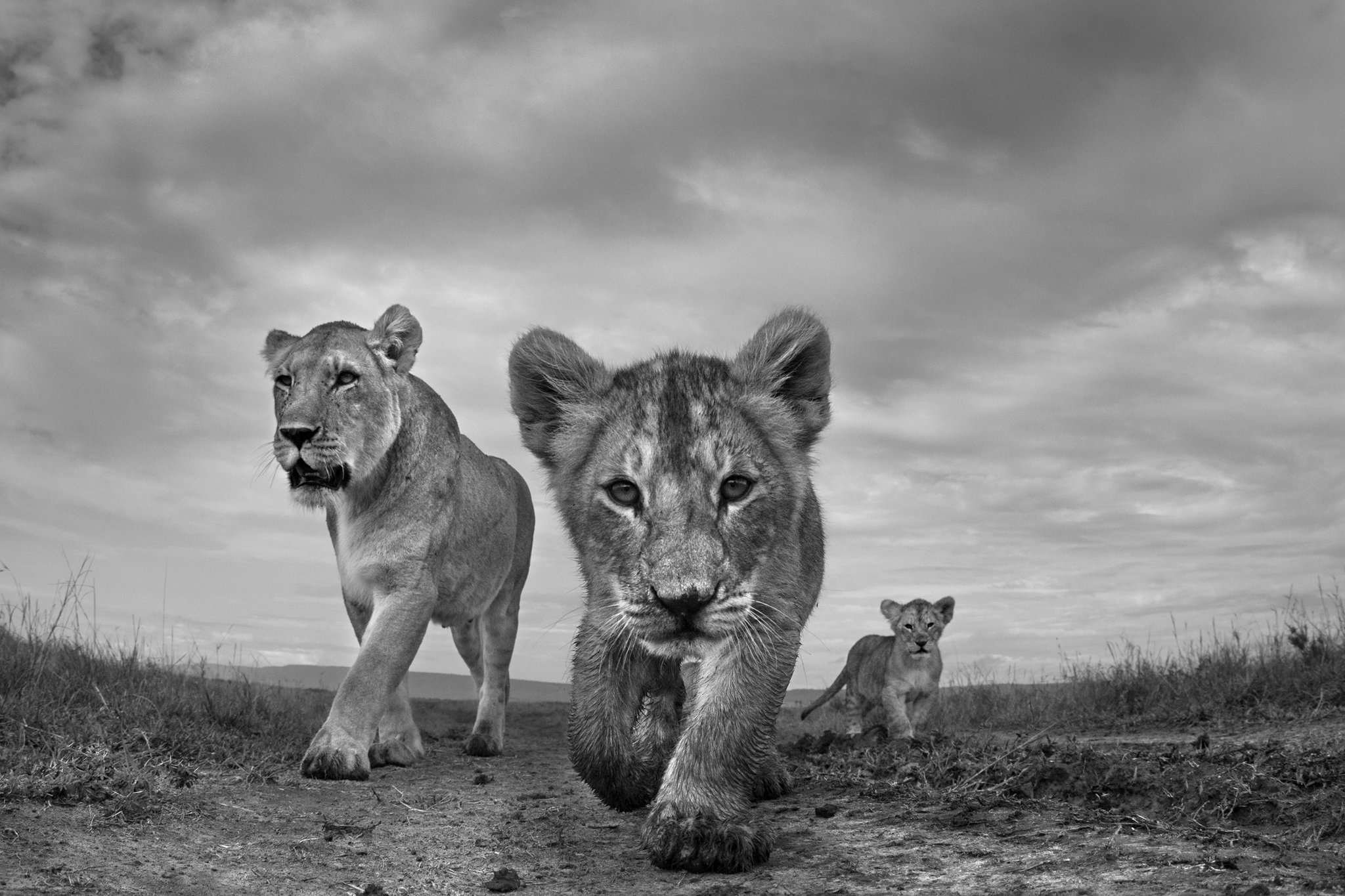
Learn about how to plan a safari for the wildebeest migration in this comprehensive safari guide covering key insights and practical advice.
Overview
Planning a safari involves many moving parts, and how to plan a safari for the wildebeest migration is one of the most important considerations. Whether you're a first-time visitor or a seasoned Africa traveler, this guide provides the practical knowledge you need to make informed decisions and create an unforgettable experience.
What You Need to Know
A deeper look at how to plan a safari for the wildebeest migration reveals important connections to other aspects of safari planning. Your choice of destination, timing, accommodation, and activities all influence each other, creating a web of decisions that benefit from expert guidance. Our knowledge center covers these interconnected topics comprehensively.
Still researching? Let us help.
Our advisory team has planned safaris across 9 African countries. We can turn your research into a real plan.
Talk to an AdvisorPractical Considerations
From a practical standpoint, how to plan a safari for the wildebeest migration requires attention to both the big picture and the small details. Start by establishing your priorities: what matters most to you on safari? Is it the wildlife, the landscape, the cultural experience, or the level of comfort? Once you've clarified your goals, use our cost calculator to understand the financial implications and our operator directory to find companies that specialize in your preferred type of experience.
Expert Perspective
The safari industry's leading voices agree that how to plan a safari for the wildebeest migration is an area where knowledge truly makes a difference. As conservation challenges evolve and tourism patterns shift, staying informed helps travelers make choices that benefit both their experience and the destinations they visit. Browse our operator directory to connect with companies that share this commitment to informed, responsible travel.
Next Steps
As you continue planning your African safari, keep how to plan a safari for the wildebeest migration in mind as an important piece of the puzzle. The more you understand about the various aspects of safari travel, the better positioned you'll be to create an experience that exceeds your expectations. Explore our destinations, browse the knowledge center, and connect with our safari operators to take the next step in your journey.
Done Reading? Let's Build Your Safari.
Skip the guesswork. Work with an advisor who has been on the ground across East and Southern Africa.
Plan With UsThe Great Migration: A Month-by-Month Guide
The Wildebeest Migration is not a single event but a continuous, year-long circular journey. Understanding its rhythm is the first step in planning a successful safari. The herds' movements are dictated by rainfall and the availability of fresh grass, so timings can vary slightly from year to year. However, the general pattern remains consistent.
January - March: Calving Season in the Southern Serengeti
From January to March, the herds congregate on the nutrient-rich short-grass plains of the southern Serengeti and the Ngorongoro Conservation Area in Tanzania. This is the calving season, a period of intense drama and new life. Over 80% of the wildebeest calves are born in a three-week window, typically in February. This explosion of life attracts a high concentration of predators, including lions, cheetahs, and hyenas, creating a thrilling spectacle of nature's raw power.
> Expert Insight: The calving season offers a unique and often overlooked safari experience. While the dramatic river crossings of the north are famous, the sheer density of animals and predator action in the south is unparalleled. It's a photographer's dream and a fantastic time for game viewing.
April - May: The Northward Journey Begins
As the rains end in the south, the plains begin to dry up, and the herds start their long journey north and west. They move in massive columns, sometimes stretching for miles, in search of greener pastures. This period coincides with the long rains, which can make some roads impassable. However, for the adventurous traveler, this season offers lush, green landscapes, fewer crowds, and often lower prices. It's a time of transition and movement, offering a different perspective on the migration.
June - July: The Western Corridor and the Grumeti River
By June and July, the migration has typically reached the Serengeti's Western Corridor. Here, the herds face their first major obstacle: the Grumeti River. While not as famous as the Mara River, the Grumeti is home to large crocodiles that lie in wait for the crossing herds. The landscape here is more wooded, and the game viewing is excellent. This is a great time to see the migration in a less crowded part of the Serengeti.
August - October: The Mara River and the Masai Mara
The most famous and dramatic phase of the migration occurs between August and October. The herds arrive in the northern Serengeti and the Masai Mara in Kenya, where they must cross the treacherous Mara River. This is the spectacle that has been immortalized in countless documentaries. The river is deep, the currents are strong, and it's infested with some of Africa's largest crocodiles. The tension builds as the herds amass on the banks, often for days, before one brave individual takes the plunge, triggering a chaotic and breathtaking crossing.
> Traveler's Tip: Witnessing a river crossing requires patience and a bit of luck. It's not uncommon to wait for hours, or even days, for a crossing to happen. Booking a mobile camp that moves with the herds can increase your chances of being in the right place at the right time. A knowledgeable guide is also essential.
Choosing Your Safari: Key Considerations
Planning a migration safari involves more than just picking a date. You'll need to consider the location, accommodation, and type of experience you're looking for.
Serengeti vs. Masai Mara
While the migration takes place in both Tanzania's Serengeti and Kenya's Masai Mara, the experience can be quite different.
| Feature | Serengeti National Park (Tanzania) | Masai Mara National Reserve (Kenya) | | :--- | :--- | :--- | | Size & Scope | Vast and expansive, offering a sense of wilderness and solitude. | Smaller and more concentrated, which can mean more vehicle traffic. | | Best Time | Offers a year-round migration experience, from calving to river crossings. | Primarily focused on the river crossing season from July to October. | | Crowds | Crowds can be managed by exploring different regions of the vast park. | Can become very crowded, especially at major river crossing points. | | Cost | Park fees are generally higher, contributing to a higher overall safari cost. | Park fees are typically lower, but private conservancies can be expensive. |
For a comprehensive safari that follows the migration's entire journey, a multi-day trip through the Serengeti is ideal. For those with limited time who want to maximize their chances of seeing a river crossing, the Masai Mara is an excellent choice. For more detailed cost information, our safari cost calculator can be a valuable tool.
Accommodation: Lodges vs. Mobile Camps
Your choice of accommodation will significantly impact your migration safari experience.
- Permanent Lodges and Tented Camps: These offer a high level of comfort, with amenities such as swimming pools, fine dining, and spacious rooms. They are a great option for those who want a luxurious base from which to explore.
- Mobile Camps: These camps are designed to move with the migration, ensuring you are always as close to the action as possible. They offer a more immersive and authentic safari experience, without sacrificing comfort. The level of luxury can range from comfortable to opulent.
For the ultimate migration safari, we often recommend a combination of both. Start or end your trip at a luxurious lodge to relax and recharge, and spend the core of your safari in a mobile camp to stay with the herds.
Beyond the Migration
While the wildebeest are the stars of the show, it's important to remember that the Serengeti and Masai Mara ecosystems are home to a staggering diversity of wildlife. Even if you visit outside of the peak migration season in a particular area, you are guaranteed to have incredible game viewing. From the Big Five to the smallest of insects, there is always something to see.
As you plan your safari, we encourage you to explore our destinations page for more information on Tanzania and Kenya. Our safari operators are also on hand to help you craft the perfect itinerary. For more safari tips and insights, our knowledge center is an invaluable resource. When you're ready to take the next step, you can plan your safari with us.
Need Expert Safari Guidance?
Get expert advisory support from a firm founded by a former safari guide — with real operational knowledge across 9 African countries and full-journey accountability.
Related Planning Guides
Recommended Reading
 Safari Planning Guides
How to Plan a Safari Around the Great Migration
Discover how to plan your dream safari with our expert guide on How to Plan a Safari Around the Great Migration. Get tips on destinations, costs, and more.
 Safari Planning Guides
Safari Planning Guide for First-Time Travelers
Discover how to plan your dream safari with our expert guide on Safari Planning Guide for First-Time Travelers. Get tips on destinations, costs, and more.
 Safari Planning Guides
Safari Planning Guide for Returning Travelers
Discover how to plan your dream safari with our expert guide on Safari Planning Guide for Returning Travelers. Get tips on destinations, costs, and more.
 Wildlife Guides
Complete Guide to Wildebeest Migration Biology
Learn all about Complete Guide to Wildebeest Migration Biology in this comprehensive guide. Discover the best time to go, what to see, and how to plan your trip.
 Safari Planning
Step-by-Step Guide to Planning an African Safari
Learn how to plan your first African safari with our step-by-step guide. We cover everything from choosing a destination to booking your trip and packing.
 Additional Safari Topics
Safari Migration Explained
Discover the secrets of Africa\