
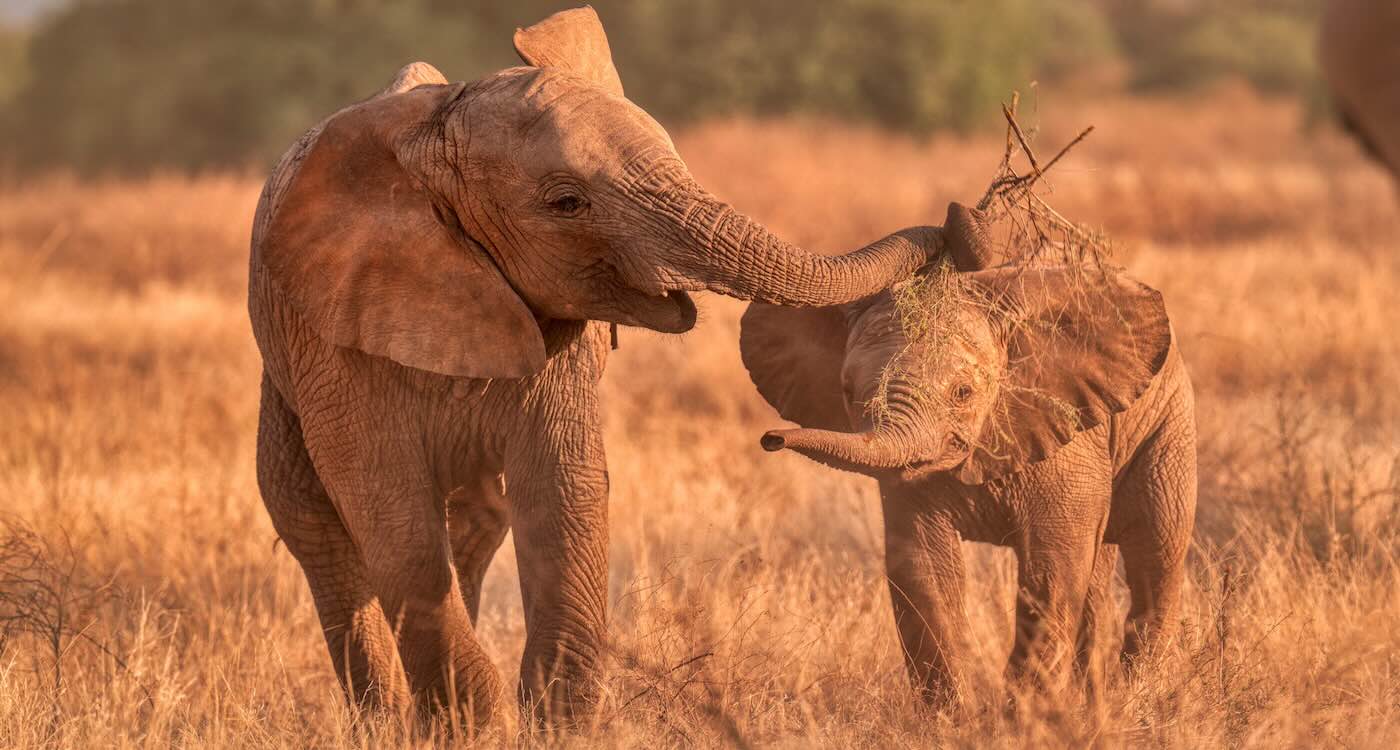
Our comprehensive guide to gorilla trekking in Uganda covers everything from booking permits and the best time to visit to what to expect on your trek.
Gorilla trekking in Uganda is one of the most profound wildlife encounters on the planet. The opportunity to come face-to-face with a family of mountain gorillas in their natural habitat is a rare and unforgettable privilege. This guide provides a comprehensive overview of everything you need to know to plan your own gorilla trekking adventure in the Pearl of Africa.
Why Uganda is a Premier Gorilla Trekking Destination
Uganda is home to roughly half of the world's remaining mountain gorilla population, making it one of the best places to see these magnificent creatures. The country has two primary destinations for gorilla trekking: Bwindi Impenetrable National Park and Mgahinga Gorilla National Park. Bwindi, a UNESCO World Heritage site, is a vast and ancient rainforest that hosts the majority of Uganda's gorilla families. Mgahinga, part of the larger Virunga Massif, offers a stunning volcanic landscape and a more intimate trekking experience.
Bwindi Impenetrable National Park
Bwindi is a place of incredible biodiversity, with over 120 species of mammals, 350 species of birds, and of course, the majestic mountain gorillas. The park is divided into four sectors for gorilla trekking: Buhoma, Ruhija, Rushaga, and Nkuringo. Each sector has several habituated gorilla families, and your trekking location will depend on where your permit is booked.
Mgahinga Gorilla National Park
Mgahinga is a smaller park located in the southwestern corner of Uganda, bordering Rwanda and the Democratic Republic of Congo. It is home to one habituated gorilla family, the Nyakagezi group. While Bwindi offers more gorilla families to track, Mgahinga provides a unique opportunity to trek in the Virunga volcanoes, a chain of eight volcanic mountains.
Planning Your Gorilla Trek: Permits and Logistics
Planning a gorilla trek requires careful preparation, and the most crucial step is securing your gorilla permit. These permits are in high demand and often sell out months in advance, so it's essential to book early.
Securing Your Gorilla Permit
A gorilla permit in Uganda costs $800 for foreign non-residents, $700 for foreign residents, and 300,000 Ugandan Shillings for East African citizens. This fee may seem steep, but it plays a vital role in funding conservation efforts and supporting local communities. Permits can be booked directly through the Uganda Wildlife Authority (UWA) or, more commonly, through a licensed tour operator.
Choosing a Tour Operator
For a seamless and stress-free experience, it is highly recommended to book your gorilla trek through a reputable tour operator. A good tour operator will not only secure your gorilla permit but also arrange your accommodation, transportation, and other activities. They have in-depth knowledge of the local conditions and can help you choose the best trekking location based on your fitness level and preferences.
Still researching? Let us help.
Our advisory team has planned safaris across 9 African countries. We can turn your research into a real plan.
Talk to an AdvisorThe Best Time for Gorilla Trekking in Uganda
Gorilla trekking in Uganda is a year-round activity, but the best time to go is during the dry seasons, which run from June to September and December to February. During these months, the forest trails are drier and less slippery, making the trek more manageable. The vegetation is also less dense, which can make it easier to spot the gorillas.
The rainy seasons, from March to May and October to November, present more challenging trekking conditions due to muddy trails. However, this is also a beautiful time to visit, as the rainforest is lush and green, and there are fewer tourists. If you don't mind a bit of mud, trekking during the rainy season can be a rewarding experience.
The Gorilla Trekking Experience: What to Expect
A gorilla trek is an adventure that begins early in the morning with a briefing at the park headquarters. Here, you will be assigned to a gorilla family and a trekking group of no more than eight people. The trek itself can last anywhere from a few hours to a full day, depending on the location of the gorilla family.
The Hike Through the Forest
The trek through the rainforest is a magical experience in itself. You will be guided by experienced rangers and trackers who will lead you through the dense vegetation, pointing out interesting plants and wildlife along the way. The terrain can be steep and challenging in places, so a good level of fitness is required. It is highly recommended to hire a porter to carry your backpack and provide assistance on the trail. Hiring a porter not only makes your trek easier but also provides a valuable source of income for the local community.
Your Hour with the Gorillas
Once you reach the gorilla family, you will have one hour to observe them in their natural habitat. This one-hour limit is strictly enforced to minimize disturbance to the gorillas. During this time, you can watch them feed, play, and interact with each other. It is a truly humbling experience to be in the presence of these gentle giants. Remember to maintain a distance of at least 7 meters (23 feet) from the gorillas and to follow the instructions of your guide at all times.
[What to Pack](/knowledge/packing-for-a-safari-adventure) for Your Gorilla Trekking Adventure
Packing the right gear is essential for a comfortable and enjoyable gorilla trek. Here are some of the must-have items:
- Waterproof hiking boots: Sturdy and comfortable boots with good grip are essential for navigating the forest trails.
- Long-sleeved shirt and trousers: To protect yourself from scratches, insect bites, and stinging nettles.
- Rain jacket or poncho: The weather in the rainforest can be unpredictable, so a good rain jacket is a must.
- Gardening gloves: To protect your hands from thorns and nettles.
- Hat and sunglasses: To protect you from the sun.
- Insect repellent: To ward off mosquitoes and other insects.
- Sunscreen: To protect your skin from the sun's rays.
- Camera: To capture the incredible moments of your trek. Remember to disable the flash.
- Binoculars: To get a closer look at the gorillas and other wildlife.
- Snacks and water: To keep you energized during the trek.
Done Reading? Let's Build Your Safari.
Skip the guesswork. Work with an advisor who has been on the ground across East and Southern Africa.
Plan With UsResponsible and Ethical Gorilla Trekking
Responsible tourism is crucial for the long-term survival of the mountain gorillas. When you go on a gorilla trek, you are not just having an incredible wildlife experience; you are also contributing to their conservation. The fees from the gorilla permits are used to fund anti-poaching patrols, habitat conservation, and community development projects.
To ensure that your trek is ethical and sustainable, it is important to follow the rules and guidelines set by the Uganda Wildlife Authority. These include maintaining a safe distance from the gorillas, not using flash photography, and not trekking if you are sick. By being a responsible tourist, you can help to ensure that future generations will have the opportunity to experience the magic of gorilla trekking in Uganda.
Conclusion
Gorilla trekking in Uganda is more than just a safari; it is a journey into the heart of Africa and an encounter with one of our closest living relatives. It is an experience that will stay with you for a lifetime, leaving you with a profound appreciation for the beauty and fragility of the natural world. So, if you are looking for an adventure that is both thrilling and meaningful, look no further than a gorilla trek in the stunning landscapes of Uganda.
Need Expert Safari Guidance?
Get expert advisory support from a firm founded by a former safari guide — with real operational knowledge across 9 African countries and full-journey accountability.
Related Planning Guides
Explore Related Topics
Recommended Reading
 Gorilla Trekking
Gorilla Trekking in Rwanda Guide
Planning a gorilla trekking adventure in Rwanda? Our guide covers everything from booking permits and the best time to visit to what to pack for your trek.
 Gorilla Trekking
Gorilla Trekking Packing Guide
Planning a gorilla trekking adventure? Our comprehensive packing guide covers the essential clothing, footwear, and gear you need for a safe and unforgettable experience.
 Gorilla Trekking
Gorilla Trekking Safety Guide
Planning a gorilla trekking adventure? Our comprehensive safety guide covers everything you need to know for a safe and ethical encounter with mountain gorillas.
 Safari Cost Guides
Cost of a Gorilla Trekking Permit in Uganda
Planning a safari? Learn about cost of a gorilla trekking permit in uganda. Get expert advice and insights from Safari Intelligence to plan your perfect trip.
 Safari Costs
Gorilla Trekking Cost Guide
A comprehensive guide to gorilla trekking costs in Africa. Learn about permit fees, tour prices, and what\
 Safari Cost Guides
Why Rwanda Gorilla Trekking Is More Expensive Than Uganda
Learn about why rwanda gorilla trekking is more expensive than uganda in this comprehensive safari guide covering key insights and practical advice.