
Learn about east africa vs southern africa safari comparison in this comprehensive safari guide covering key insights and practical advice.
Overview
When comparing safari options, east africa vs southern africa safari comparison is a question that many travelers wrestle with during the planning process. Each option offers distinct advantages, and the best choice depends on your priorities, travel style, and what you hope to experience. This detailed comparison examines the key differences to help you make an informed decision.
Detailed Analysis
A thorough analysis of east africa vs southern africa safari comparison reveals nuances that many travelers overlook during initial planning. The safari industry encompasses a wide range of options, from budget-friendly camping safaris to ultra-luxury private conservancy experiences. Each tier offers its own set of advantages and trade-offs. Working with experienced safari operators can help you navigate these options and find the sweet spot that matches your expectations and budget.
Still researching? Let us help.
Our advisory team has planned safaris across 9 African countries. We can turn your research into a real plan.
Talk to an AdvisorPractical Guidance
From a practical standpoint, east africa vs southern africa safari comparison requires attention to both the big picture and the fine details. Start by establishing your priorities and non-negotiables: what experiences are most important to you? What's your realistic budget range? Are there specific wildlife encounters or landscapes you're determined to see? Once you've clarified these fundamentals, use our cost calculator to model different scenarios and our operator directory to identify companies that specialize in your preferred type of experience.
Expert Insights
Leading safari guides and travel professionals agree that east africa vs southern africa safari comparison is an area where knowledge creates meaningful advantages. As the industry evolves and traveler expectations shift, staying informed helps you identify genuine value and avoid common pitfalls. Browse our operator directory to connect with companies that demonstrate transparency, quality, and commitment to responsible tourism.
Planning Your Next Steps
As you continue planning your African safari, keep the insights from east africa vs southern africa safari comparison in mind as valuable reference points. The more thoroughly you understand the various dimensions of safari travel, the better positioned you'll be to create an experience that exceeds your expectations. Explore our destinations, browse the knowledge center, and connect with our safari operators to take the next confident step in your journey.
Done Reading? Let's Build Your Safari.
Skip the guesswork. Work with an advisor who has been on the ground across East and Southern Africa.
Plan With UsThe Safari Vehicle: Open vs. Closed-Sided
A crucial, yet often overlooked, aspect of the safari experience is the vehicle you'll spend hours in each day. The design of these vehicles varies significantly between East and Southern Africa, shaped by park regulations, terrain, and tradition.
In East Africa, particularly in Kenya and Tanzania, the standard is a closed-sided 4x4 vehicle (often a Toyota Land Cruiser) with a pop-up roof. This design offers shade and protection from the elements. The pop-up roof provides a 360-degree vantage point for wildlife viewing and photography, allowing you to stand and gain height to see over savanna grasses. This is particularly advantageous in the vast, open plains of the Serengeti or Maasai Mara.
Conversely, Southern Africa—in countries like Botswana, Zambia, and South Africa—predominantly uses completely open-sided 4x4s. These vehicles, often tiered with three rows of seating, offer an unfiltered, immersive experience. With no windows or roof pillars to obstruct your view, you feel a more direct connection to the bush. This design is ideal for photography and provides a more intimate sense of being in the wilderness. However, it also means greater exposure to sun, wind, and rain.
> Expert Insight: The choice of vehicle can subtly shape your wildlife encounters. Open-sided vehicles in Southern Africa's private concessions often allow for off-road driving, getting you closer to sightings. In contrast, most East African national parks enforce a strict on-road policy to protect the delicate ecosystem, meaning your viewing distance is determined by the road's proximity to the animals.
Beyond the Game Drive: A Comparison of Activities
While the classic game drive is the cornerstone of any safari, the variety of other available activities differs notably between the two regions.
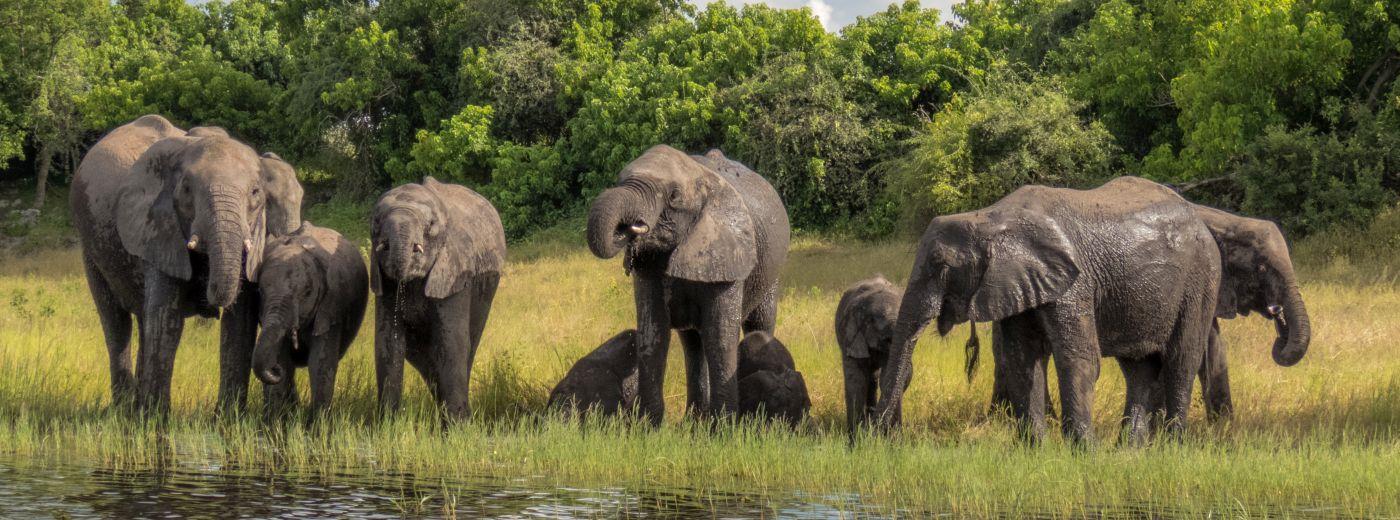
Southern Africa, especially in the private concessions of Botswana's Okavango Delta and Zambia's South Luangwa National Park, is the home of the walking safari. Guided by an armed professional, walking safaris shift the focus from covering large distances to appreciating the minutiae of the bush—tracking footprints, identifying medicinal plants, and learning about insect and bird life. This region also excels in water-based activities. Gliding silently through the Okavango's channels in a mokoro (a traditional dugout canoe) offers a unique, water-level perspective of wildlife. Boat safaris on the Chobe River are famous for their large elephant herds.
East Africa, while more focused on game drives, offers its own unique experiences. Hot air ballooning over the Maasai Mara or the Serengeti at sunrise is an iconic, albeit costly, adventure, providing a breathtaking perspective of the sheer scale of the landscape and its animal inhabitants. Cultural interactions with the Maasai or Samburu people are also more commonly integrated into the safari itinerary here, offering a glimpse into a traditional way of life that is deeply intertwined with the land.
| Activity Comparison | East Africa (Kenya, Tanzania) | Southern Africa (Botswana, Zambia, Zimbabwe) | | :--- | :--- | :--- | | Primary Focus | Vehicle-based game drives | Diverse activities, including walking and water safaris | | Walking Safaris | Limited, mostly in specific areas | A core activity, especially in Zambia and Botswana | | Water Activities | Less common; some canoeing or boating | A major highlight (Mokoro, boat cruises) | | Night Drives | Generally not permitted in national parks | Common in private concessions, revealing nocturnal species | | Signature Experience | Hot air ballooning over the plains | Walking safaris and mokoro excursions |
The "Green Season": A Tale of Two Regions
While many travelers fixate on the dry season for its concentrated wildlife viewing, the "green season" (corresponding with the rains) offers a compelling, and often more affordable, alternative in both regions. However, the experience differs significantly.
In East Africa (typically November to May), the green season brings dramatic skies, lush landscapes, and newborn animals. It's the calving season for the great wildebeest migration, a time of intense predator action. Birdwatching is at its absolute peak. The trade-off can be heavier rains, which may make some roads temporarily impassable, though the volcanic soil often allows for good drainage.
In Southern Africa (also generally November to April), the green season transforms the arid landscapes into a verdant paradise. It's a time of dispersal for wildlife, which can make them harder to spot, but the scenery is stunning. This is the best time for birding, and many animals give birth. For photographers, the combination of vibrant colors, dramatic clouds, and dust-free air is a major draw. It's also a fantastic time to visit Victoria Falls, when the Zambezi River is at its most powerful.
> Traveler's Tip: If you're a budget-conscious traveler or a keen photographer, the green season can be the perfect time for a safari. You'll benefit from lower accommodation rates and fewer crowds. Discuss the pros and cons for your specific travel dates with our safari operators to see if it's the right fit for you. For a detailed cost estimate, be sure to use our safari cost calculator.
Ready to take the next step? Plan your safari with us today.
Need Expert Safari Guidance?
Get expert advisory support from a firm founded by a former safari guide — with real operational knowledge across 9 African countries and full-journey accountability.
Related Planning Guides
Recommended Reading
 Safari Cost Guides
Safari Cost Comparison East Africa vs Southern Africa
Learn about safari cost comparison east africa vs southern africa in this comprehensive safari guide covering key insights and practical advice.
 Safari Comparison Articles
South Africa vs Kenya – Safari Comparison
Learn about south africa vs kenya – safari comparison in this comprehensive safari guide covering key insights and practical advice.
 Safari Comparison Articles
Guided Safari vs Self-Drive Safari in South Africa
An in-depth comparison of Guided Safari vs Self-Drive Safari in South Africa to help you choose the perfect safari experience. Explore the pros, cons, and key d
 Country Guides
Complete Safari Guide to South Africa
Your complete guide to Complete Safari Guide to South Africa. Find the best destinations, planning tips, and more for your next safari adventure.
 Country Guides
South Africa Safari Currency and Money Guide
A comprehensive guide to South Africa Safari Currency and Money Guide. Learn everything you need to know for your next safari adventure.
 Country Guides
South Africa Safari Food and Cuisine Guide
A comprehensive guide to South Africa Safari Food and Cuisine Guide. Learn everything you need to know for your next safari adventure.