
Planning a desert safari in Africa? Our guide explores the best destinations like Namibia and Botswana, what to expect, and how to plan your adventure.
Africa conjures images of vast, wildlife-rich savannas, but the continent's deserts offer a safari experience of a different kind—one of profound solitude, dramatic landscapes, and uniquely adapted wildlife. A desert safari is a journey into some of the most remote and breathtaking wilderness areas on Earth, where the silence is as captivating as a lion's roar and the starry nights are an attraction in themselves. If you're a traveler who seeks to go beyond the classic safari circuit, a desert adventure in Africa promises an unforgettable experience that will challenge your perceptions of what a safari can be.
The Allure of the Arid: What Makes Desert Safaris Unique?
While the wildlife density may not match that of the Serengeti or Maasai Mara, desert safaris offer a unique set of attractions that appeal to the discerning traveler. The sheer scale and beauty of desert landscapes, from the towering red dunes of the Namib to the shimmering salt pans of the Kalahari, are a primary draw. These environments foster a sense of tranquility and isolation that is increasingly rare in our modern world. The wildlife, though more elusive, is equally fascinating. Desert-adapted species have evolved remarkable survival skills, and tracking them with an expert guide is a deeply rewarding experience. A desert safari is not just about what you see, but about what you feel—the profound sense of space, the silence, and the humbling power of nature in its rawest form.
Premier Desert Safari Destinations in Africa
Africa is home to several vast deserts, but two regions, in particular, stand out for their exceptional desert safari experiences: Namibia and Botswana.
Namibia: Home of the Oldest Desert
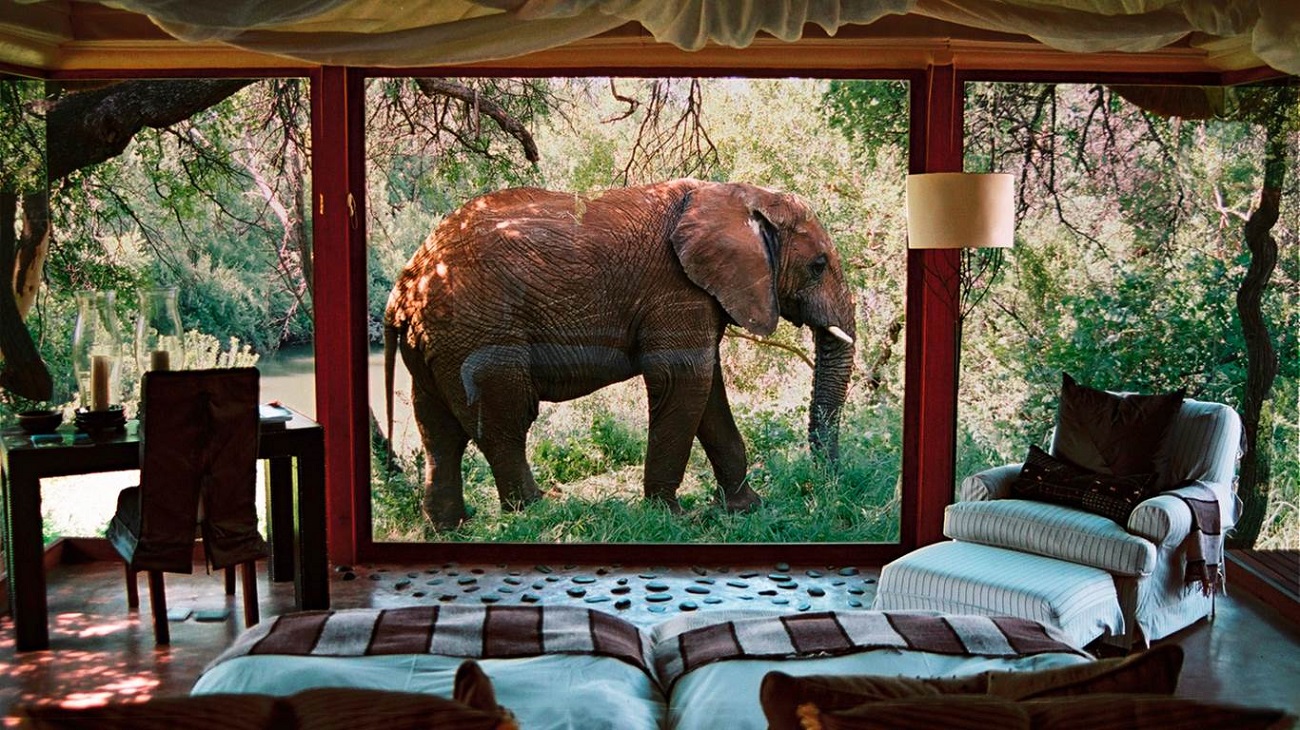
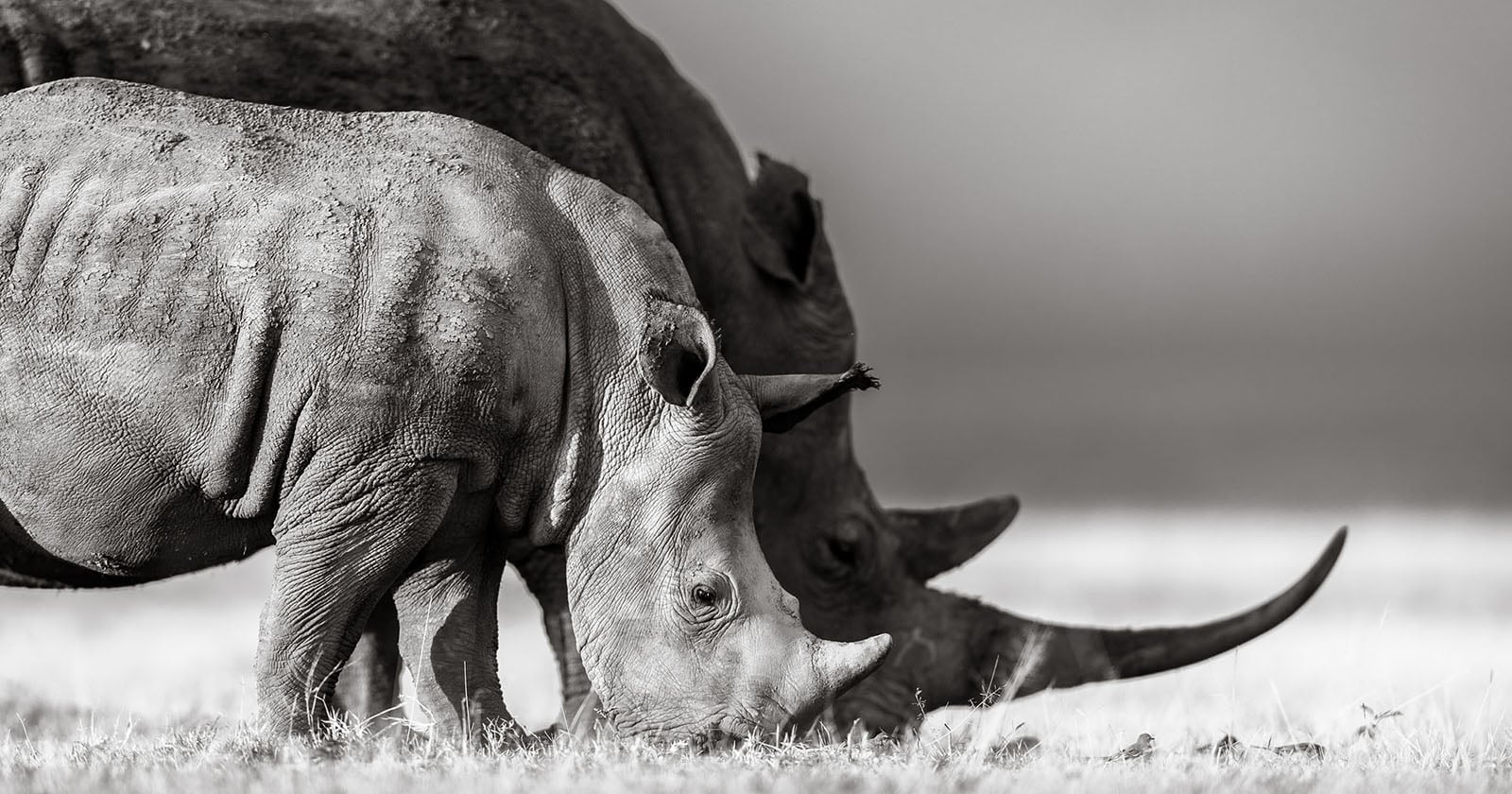
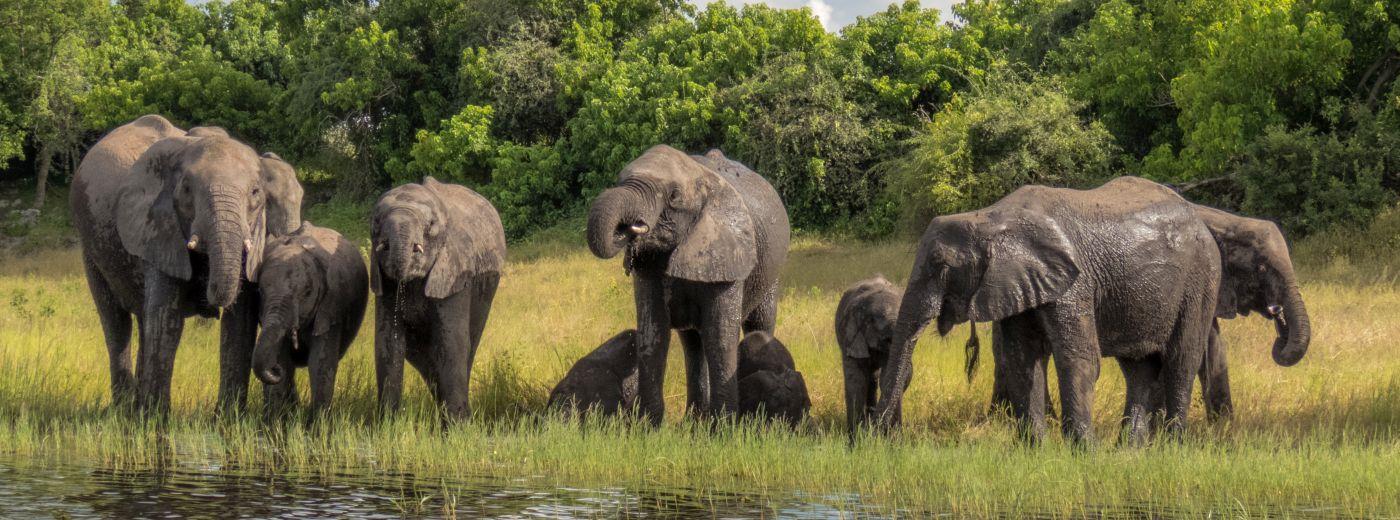
Namibia is arguably the quintessential desert safari destination. It is home to the Namib Desert, considered the oldest desert in the world, and its landscapes are nothing short of spectacular. The iconic red dunes of Sossusvlei, some of the highest in the world, are a must-see. Climbing these dunes at sunrise or sunset is a truly magical experience, with the changing light painting the landscape in a palette of fiery colors. Nearby, the stark white clay pan of Deadvlei, dotted with the skeletal remains of ancient camel thorn trees, offers a surreal and photogenic landscape. Further north, the Skeleton Coast presents a dramatic and desolate coastline where the desert meets the Atlantic Ocean, littered with shipwrecks and whale bones. Namibia is also home to a surprising amount of wildlife, including desert-adapted elephants, lions, rhinos, and giraffes, which have evolved to survive in this harsh environment.
Botswana: The Kalahari Desert's Surprising Oasis
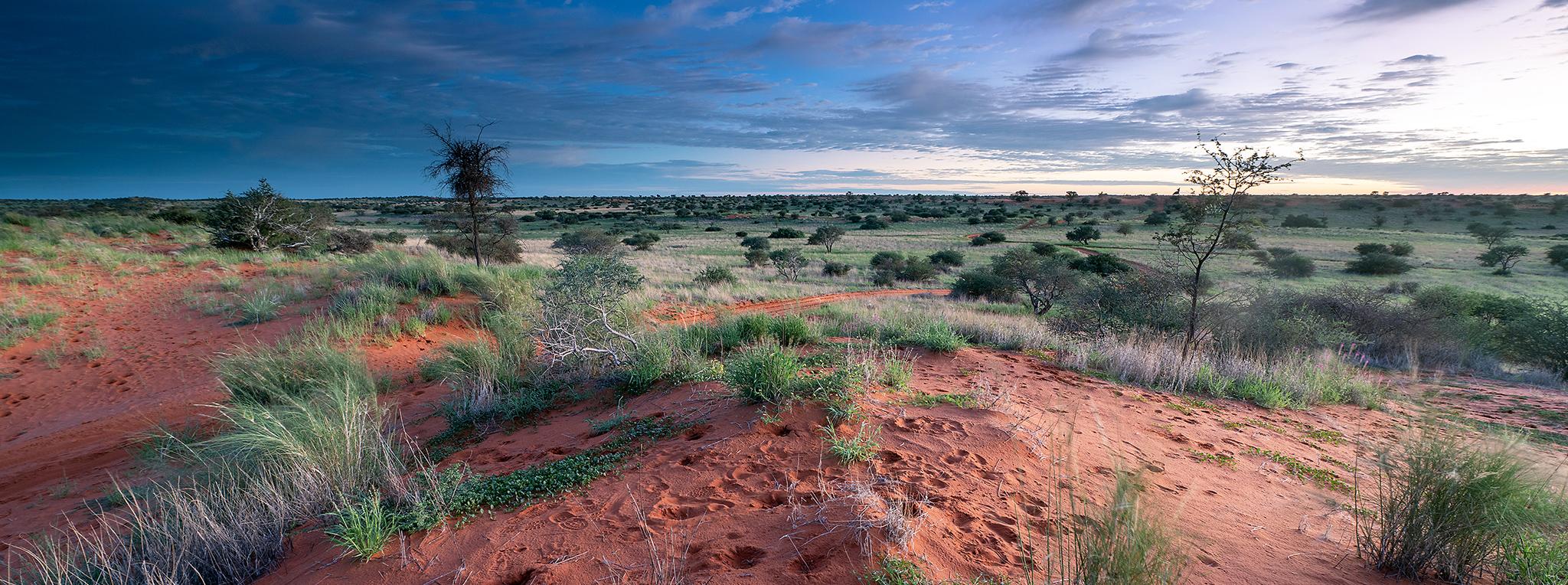
The Kalahari Desert, which covers much of Botswana, is technically a semi-arid savanna rather than a true desert. This means it supports a greater diversity and density of wildlife than a more arid desert like the Namib. The Central Kalahari Game Reserve, one of the largest protected areas in Africa, offers a remote and wild safari experience. Here, you can see large herds of springbok, gemsbok, and wildebeest, as well as predators like lions, cheetahs, and the elusive brown hyena. The Kalahari is also famous for its black-maned lions, which are particularly impressive. A visit to the Kalahari can be combined with a trip to the nearby Makgadikgadi Pans, a vast network of salt pans that are the remnants of a massive ancient lake. During the wet season, the pans fill with water, attracting large flocks of flamingos and other waterbirds, as well as migrating herds of zebra and wildebeest.
Still researching? Let us help.
Our advisory team has planned safaris across 9 African countries. We can turn your research into a real plan.
Talk to an AdvisorActivities on a Desert Safari: More Than Just Dunes
A desert safari offers a diverse range of activities that allow you to experience these unique environments in different ways.
Classic [Game Drive](/knowledge/safari-game-drive-etiquette)s with a Twist
Game drives are a staple of any safari, but in the desert, they take on a different character. The focus is often on tracking and finding desert-adapted wildlife, which requires a high level of skill and knowledge from your guide. You'll learn to read the signs of the desert, from tracks in the sand to the behavior of birds, to locate animals. The thrill of finding a desert-adapted elephant or a pride of lions against a backdrop of towering dunes is an experience you won't soon forget.
Hot Air Ballooning and Scenic Flights
To truly appreciate the scale and grandeur of a desert landscape, there's nothing quite like seeing it from the air. Hot air ballooning at sunrise over the dunes of Sossusvlei is a popular and breathtaking experience. Scenic flights in a small aircraft can take you over vast and remote areas that are inaccessible by road, offering a unique perspective on the endless dune seas, rugged mountains, and dramatic coastlines.
Stargazing in Unpolluted Skies
The remote and unpolluted skies of the desert offer some of the best stargazing in the world. With no light pollution to obscure the view, the night sky comes alive with a dazzling display of stars, planets, and constellations. Many desert lodges have powerful telescopes and resident astronomers who can guide you through the wonders of the southern sky.
Cultural Encounters with Desert Peoples
The deserts of Africa are not just home to wildlife; they are also the ancestral lands of several indigenous peoples who have lived in these harsh environments for centuries. In the Kalahari, you can have the opportunity to interact with the San people, who are renowned for their incredible tracking and survival skills. In Namibia, you can meet the Himba, a semi-nomadic people known for their distinctive hairstyles and traditional way of life. These cultural encounters offer a fascinating insight into the human dimension of the desert.
Planning Your African Desert Safari: Practical Tips
Planning a desert safari requires some special considerations to ensure a safe and enjoyable experience.
When to Go: Timing Your Desert Adventure
The best time to visit the desert regions of Namibia and Botswana is during the dry winter months, from May to October. During this time, temperatures are more moderate, and wildlife tends to congregate around water sources, making it easier to spot. The summer months, from November to April, can be extremely hot, and rainfall can make some roads impassable.
[What to Pack](/knowledge/packing-for-a-safari-adventure): Essential Gear for Arid Environments
Packing for a desert safari requires careful planning. Essential items include lightweight and breathable clothing in neutral colors, a wide-brimmed hat, sunglasses, and high-SPF sunscreen. It's also important to pack warm layers, as desert nights can be surprisingly cold. A good pair of binoculars is a must for wildlife viewing, and a camera with a zoom lens will help you capture the stunning landscapes and wildlife.
Choosing the Right Desert Lodge or Camp
Accommodation on a desert safari ranges from luxurious lodges with private plunge pools to rustic and remote mobile camps. When choosing a lodge, consider its location, the quality of its guiding, and the range of activities it offers. Some lodges are situated in private reserves, which can offer a more exclusive safari experience with fewer crowds.
In conclusion, a desert safari in Africa is a journey into a world of stark beauty, remarkable adaptation, and profound tranquility. It is an experience that will leave you with a deep appreciation for the resilience of life in some of the world's most extreme environments. Whether you choose the towering dunes of Namibia or the surprising oases of the Kalahari, a desert safari is sure to be an adventure you will never forget.
Need Expert Safari Guidance?
Get expert advisory support from a firm founded by a former safari guide — with real operational knowledge across 9 African countries and full-journey accountability.
Related Planning Guides
Explore Related Topics
Recommended Reading
 Safari Planning
Step-by-Step Guide to Planning an African Safari
Learn how to plan your first African safari with our step-by-step guide. We cover everything from choosing a destination to booking your trip and packing.
 Safari Planning
Choosing the Right African Safari Destination
Planning an African safari? Our guide helps you choose the right destination by breaking down key factors like wildlife, budget, travel style, and top countries.
 Safari Costs
Cheapest Safari Destinations in Africa
Discover the most affordable safari destinations in Africa. Our guide provides expert tips on budget-friendly countries, parks, and travel seasons for an unforgettable wildlife adventure.
 Destination Guides
Best Safari Destinations for Desert Wildlife
Your complete guide to Best Safari Destinations for Desert Wildlife. Find the best destinations, planning tips, and more for your next safari adventure.
 Country Guides
Complete Safari Guide to South Africa
Your complete guide to Complete Safari Guide to South Africa. Find the best destinations, planning tips, and more for your next safari adventure.
 Country Guides
South Africa Safari Currency and Money Guide
A comprehensive guide to South Africa Safari Currency and Money Guide. Learn everything you need to know for your next safari adventure.