
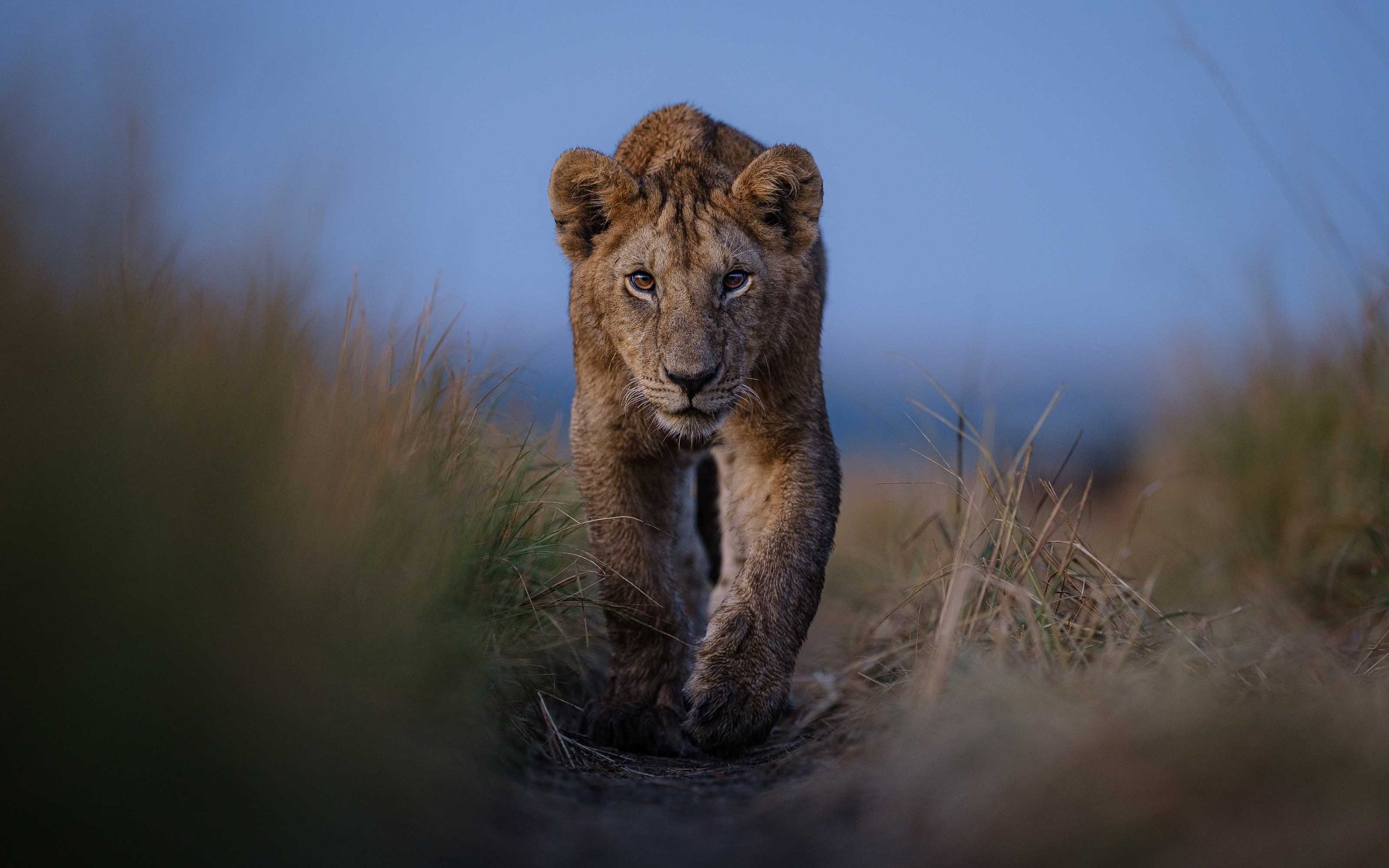
Learn all about Complete Guide to African Buffalo Herds in this comprehensive guide. Discover the best time to go, what to see, and how to plan your trip.
Introduction to Complete Guide to African Buffalo Herds
Exploring complete guide to african buffalo herds reveals the depth and complexity of African safari travel. Whether you're drawn to the vast savannas of East Africa or the lush waterways of Southern Africa, this knowledge will serve you well throughout your journey.
Key Details and Considerations
The most important aspects of complete guide to african buffalo herds involve understanding local conditions, seasonal variations, and the unique characteristics of different safari regions. Each destination across Africa offers something distinct, from the Serengeti's endless plains to the Okavango Delta's waterways. Working with experienced safari operators ensures you receive guidance tailored to your specific interests and travel dates.
Still researching? Let us help.
Our advisory team has planned safaris across 9 African countries. We can turn your research into a real plan.
Talk to an AdvisorPractical Advice
For practical guidance on complete guide to african buffalo herds, consider these expert recommendations. First, start your research early and use reliable sources like our knowledge center for up-to-date information. Second, don't underestimate the value of professional guidance, as a knowledgeable safari planning guide can save you time, money, and potential disappointment. Third, remain flexible in your planning, as Africa's natural environments are dynamic and unpredictable.
Expert Insights
Industry experts emphasize that complete guide to african buffalo herds continues to evolve as safari tourism grows and adapts to new challenges. Conservation-focused tourism, community engagement, and sustainable practices are increasingly important considerations for discerning travelers. By choosing operators who prioritize these values, you contribute to the long-term preservation of Africa's wild places. Browse our operator directory to find companies committed to responsible tourism.
Planning Your Next Steps
To wrap up, mastering complete guide to african buffalo herds is an investment that pays dividends throughout your safari journey. The more you understand about Africa's diverse ecosystems, wildlife, and tourism infrastructure, the better equipped you'll be to make decisions that lead to extraordinary experiences. Start your planning journey with our comprehensive knowledge center and connect with our team of experienced safari operators for personalized guidance.
Done Reading? Let's Build Your Safari.
Skip the guesswork. Work with an advisor who has been on the ground across East and Southern Africa.
Plan With UsPrime Destinations for Buffalo Viewing
For travelers seeking to witness the immense power of African buffalo herds, certain destinations stand out. Chobe National Park in Botswana is legendary for its massive buffalo populations, especially during the dry season (May to October) when hundreds, sometimes thousands, congregate along the Chobe River. The open floodplains provide unobstructed views of these herds as they come to drink and graze.
Another prime location is the Serengeti National Park in Tanzania. Home to one of the largest buffalo populations on the continent, the Serengeti’s vast grasslands support enormous herds that are a common sight on game drives. Similarly, Kruger National Park in South Africa boasts a population of approximately 38,000 Cape buffalo, making them one of the most frequently spotted members of the "Big Five" within the park.
The Intricacies of Herd Social Structure
The social world of the African buffalo is both complex and fascinating. The core of a breeding herd is built around related females and their offspring, forming a tight-knit matriarchal society. These herds are not static; research indicates a fluid "fission-fusion" social system where smaller family groups may merge into larger aggregations or split depending on resource availability, particularly water and grazing.
Separate from the main herds are "bachelor herds," groups of non-breeding males. These can range from a handful of individuals to over a hundred. While often seen on the periphery, these males play a crucial role in the broader buffalo population's genetic diversity and social stability.
A Case Study: Collective Defense Against Lions
The African buffalo's reputation as a formidable animal is best exemplified by its collective defense strategies. When threatened by predators, particularly a pride of lions, a herd will display remarkable coordination. A classic example can be observed in the Savuti region of Botswana, a famous battleground for lions and buffalo.
When lions attack, the herd will often mob the predators. The larger, stronger bulls typically form a protective ring around the more vulnerable calves and females, facing the threat head-on. They use their sharp horns to gore and toss lions, and their combined weight and aggression can be enough to drive off even a determined pride. This defensive phalanx is a powerful demonstration of social cohesion and is a key reason why a single buffalo is a dangerous animal, but a herd is a fortress.
The Infamous 'Dagga Boys'
Beyond the large breeding herds, safari-goers are often fascinated by the 'Dagga Boys'—old, solitary bulls or those in small bachelor groups that have been ousted from the main herd. The name comes from the Zulu word for mud, "udaka," and the Afrikaans word "dagga," referencing their tendency to be caked in mud. These bulls are notoriously unpredictable and considered among the most dangerous animals in Africa. Having lost the protection of the herd, they are more vulnerable to predators and have a much more aggressive temperament. They often spend their days wallowing in mud pans or resting in thick brush, and their solitary nature makes them quick to charge any perceived threat. When tracking wildlife on foot, professional guides treat these bulls with the utmost respect and caution, as they are responsible for more hunter and villager deaths than any other large animal on the continent.
Buffalo Behavior and Ecology
As bulk grazers, African buffalo are not selective feeders and will consume a wide variety of grasses, which allows them to thrive in diverse habitats. This diet requires them to drink water daily, making them highly water-dependent and a reliable sighting near rivers, pans, and waterholes, especially in the late afternoon. Their wallowing behavior is not just for leisure; the thick mud coating serves several critical functions. It provides relief from the heat, acts as a natural sunblock, and offers protection from biting insects and parasites. As the mud dries and flakes off, it removes ticks and other ectoparasites. This ecological role is vital, as their grazing patterns also shape the landscape, preventing grasslands from becoming overgrown and promoting new growth for other herbivores.
Advanced Buffalo Photography Tips
Photographing African buffalo presents a unique challenge: capturing their immense power and intricate social dynamics. To move beyond simple snapshots, focus on storytelling. Use a telephoto lens (300mm or greater) to isolate individuals, focusing on the character-rich faces of old bulls with their gnarled horns and mud-caked hides. To capture the scale of a large herd, use a wider lens (70-200mm) and find an elevated position, such as the top of your safari vehicle, to convey their numbers. Action shots of sparring bulls or a herd kicking up dust as they run are powerful but require a fast shutter speed (1/1000s or higher). Pay attention to the light; the golden hour light of early morning or late afternoon can transform a dusty scene into a dramatic, atmospheric image. Always consult with your guide about safe distances, as buffalo are unpredictable, especially lone bulls.
Planning Your Buffalo-Centric Safari
For a safari focused on buffalo, choosing the right location and time of year is critical. While they are widespread, some areas offer a superior viewing experience. The table below compares top destinations for buffalo encounters.
| Destination | Park | Best Time to Visit | Why It's Great for Buffalo | Recommended Lodge (Luxury) | | :--- | :--- | :--- | :--- | :--- | | Botswana | Chobe National Park | May - October (Dry Season) | Massive herds congregate along the Chobe River, offering incredible boat-based viewing. | Chobe Game Lodge | | Tanzania | Serengeti National Park | Year-round (following the migration) | Enormous resident herds in the central Seronera region; dramatic river crossings. | Four Seasons Safari Lodge Serengeti | | South Africa | Kruger National Park | May - September (Dry Season) | High density of buffalo, making sightings almost guaranteed. Excellent for 'Dagga Boy' encounters. | Singita Lebombo Lodge | | Zambia | South Luangwa NP | June - October (Dry Season) | Large herds gather at shrinking river oxbows and lagoons, often in dramatic predator confrontations. | Mfuwe Lodge |
When planning, consider working with our safari operators to tailor a trip to your specific interests. They can leverage their expertise to book lodges in prime locations and secure guides who specialize in tracking these magnificent animals. For more operator options, browse our curated operator directory.
Need Expert Safari Guidance?
Get expert advisory support from a firm founded by a former safari guide — with real operational knowledge across 9 African countries and full-journey accountability.
Related Planning Guides
Explore Related Topics
Recommended Reading
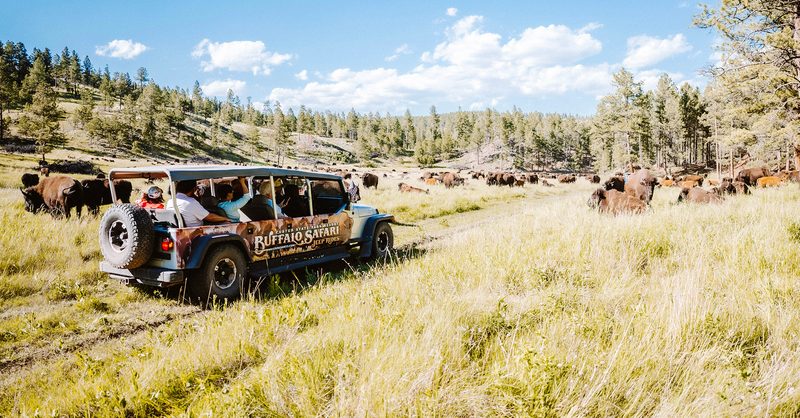 Wildlife Guides
Complete Guide to African Lion Behavior
Delve into the complex social structure, hunting techniques, and communication methods of the African lion. Understand the king of the savanna with this in-depth guide.
 Wildlife Guides
Complete Guide to African Wild Dog Pack Dynamics
Learn all about Complete Guide to African Wild Dog Pack Dynamics in this comprehensive guide. Discover the best time to go, what to see, and how to plan your trip.
 Wildlife Guides
Complete Guide to African Penguin Colonies
Learn all about Complete Guide to African Penguin Colonies in this comprehensive guide. Discover the best time to go, what to see, and how to plan your trip.
 Country Guides
Complete Safari Guide to South Africa
Your complete guide to Complete Safari Guide to South Africa. Find the best destinations, planning tips, and more for your next safari adventure.
 Safari Planning
Step-by-Step Guide to Planning an African Safari
Learn how to plan your first African safari with our step-by-step guide. We cover everything from choosing a destination to booking your trip and packing.
 Destination Guides
Complete Guide to Table Mountain National Park
A complete guide to Complete Guide to Table Mountain National Park. Learn about the wildlife, activities, and best time to visit this amazing destination.