
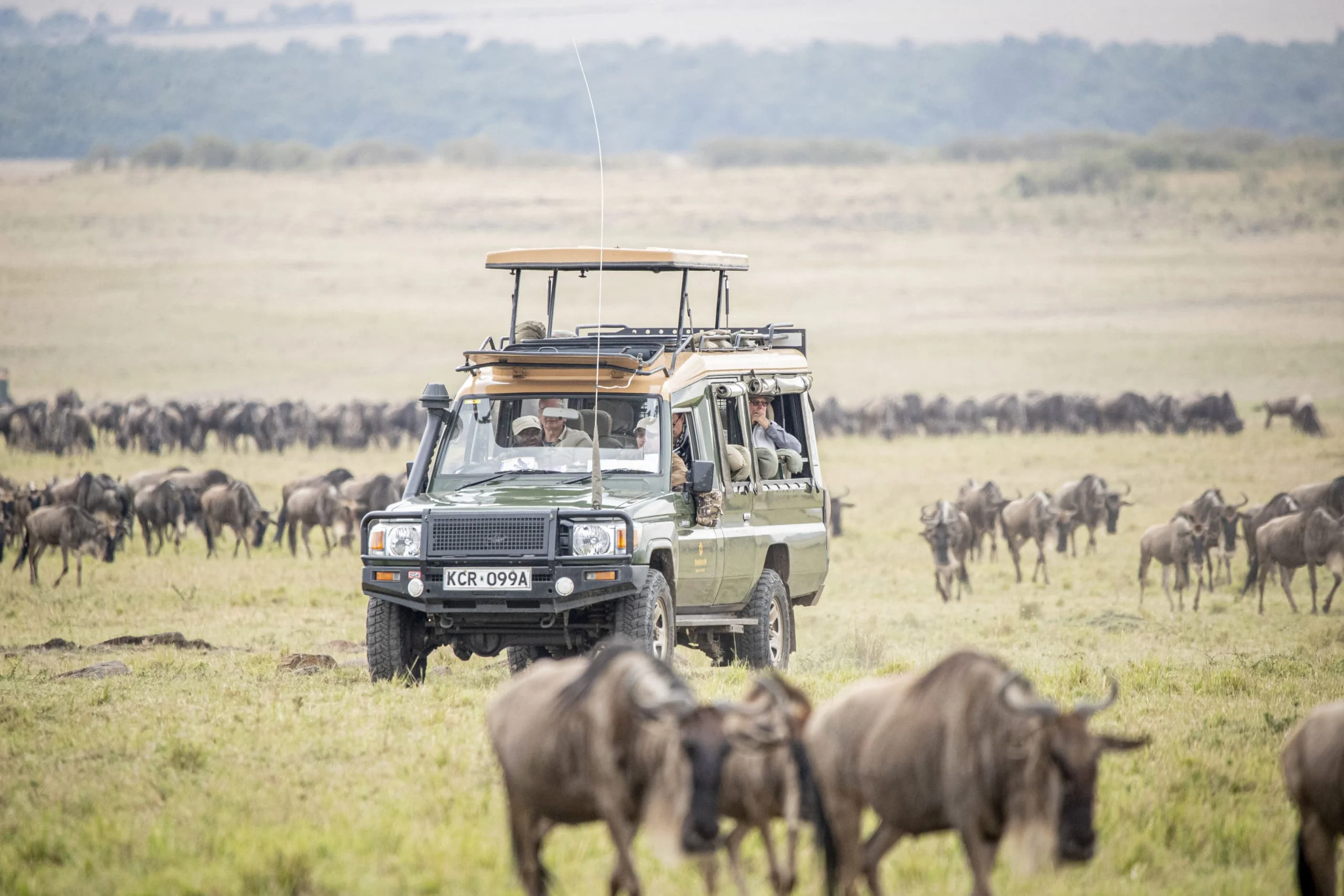
Learn about complete guide to leopard hunting techniques in this comprehensive safari guide.
Introduction
When it comes to complete guide to leopard hunting techniques, experienced safari travelers know that preparation makes all the difference. Africa's diverse landscapes and ecosystems offer unique opportunities, and knowing what to expect helps you make the most of every moment on safari.
Key Details and Considerations
Several critical factors influence complete guide to leopard hunting techniques in the African safari context. Geographic location, time of year, and the specific activities you're interested in all play important roles. The diversity of Africa's safari destinations means that no two experiences are alike, and understanding these nuances helps you plan more effectively. Our destination guides provide detailed information for each region.
Still researching? Let us help.
Our advisory team has planned safaris across 9 African countries. We can turn your research into a real plan.
Talk to an AdvisorPractical Advice
Putting your knowledge of complete guide to leopard hunting techniques into practice requires a systematic approach. Begin by defining your priorities and non-negotiables, then research destinations and operators that align with your vision. Our operator directory features thousands of safari companies across 17 African countries. Compare options carefully, read reviews, and don't hesitate to ask detailed questions before committing to a booking.
Expert Insights
Safari professionals with decades of experience note that understanding complete guide to leopard hunting techniques gives travelers a significant advantage. The difference between a good safari and an exceptional one often comes down to the details, from choosing the right accommodation to timing your game drives for optimal wildlife viewing. Our safari operators bring this expertise to every consultation, helping you avoid common pitfalls and discover hidden gems.
Planning Your Next Steps
In summary, complete guide to leopard hunting techniques is a multifaceted topic that rewards careful study and thoughtful planning. Whether you're a first-time safari traveler or a returning enthusiast, staying informed about the latest developments and best practices ensures the best possible experience. Explore our destinations, consult our safari operators, and use our cost calculator to begin planning your African adventure today.
Done Reading? Let's Build Your Safari.
Skip the guesswork. Work with an advisor who has been on the ground across East and Southern Africa.
Plan With UsThe Anatomy of a Leopard's Ambush
Beyond the raw power of the pounce, a leopard's hunt is a masterclass in strategy and patience. Unlike cheetahs that rely on explosive speed or lions that often use group force, the leopard is a solitary strategist. Its primary technique is the ambush, a method refined to lethal perfection. This process begins long before the final attack, with the leopard meticulously selecting its hunting ground. It will use elevated vantage points, such as a rocky kopje or the thick branches of a sausage tree, to survey the landscape for potential targets. From here, it assesses not just the prey, but the terrain itself, mapping out a path of approach that offers maximum cover.
Wind direction is a critical factor. The leopard will almost invariably stalk its prey from downwind to prevent its scent from betraying its presence. It moves with a ghostly silence, using gullies, riverbeds, and thickets to conceal its approach. This is not a rushed affair; a leopard may spend hours slowly and deliberately closing the distance, a testament to its incredible patience and energy conservation. This calculated approach is fundamental to its success as a hunter across the diverse landscapes of Africa. For a deeper dive into the habitats where these behaviors are most common, explore our destinations guide.
Mastering the Stalk: A Study in Stealth
The stalk is where the leopard's physical adaptations and innate stealth converge. Its famously beautiful rosette-patterned coat is not for show; it is a highly effective form of camouflage that breaks up its outline, allowing it to melt into the dappled light of the bush. As it closes in on an unsuspecting antelope, the leopard executes a slow, deliberate crawl, keeping its body pressed low to the ground. Each paw is placed with surgical precision to avoid snapping a twig or rustling leaves.
> Expert Insight: The Art of Disappearance > A leopard's ability to vanish is almost supernatural. Its flexible spine and powerful shoulder blades allow it to crouch and crawl in a way that few other predators can, minimizing its profile. When it freezes, it can be virtually impossible to spot, even for a trained eye. This is the secret to getting within the critical 5-10 meter range required for a successful final rush.
This painstaking process can be mesmerizing to witness. The leopard uses a technique of 'stop-start' movement, advancing only when the prey is distracted or has its head down to graze. The final moments before the attack are incredibly tense, with the leopard coiling its muscles, its tail twitching almost imperceptibly, as it prepares to launch its explosive assault.
Adapting the Attack: Prey-Specific Hunting Methods
A key to the leopard's widespread success is its dietary flexibility, and its hunting techniques are adapted accordingly. The classic ambush-and-pounce is just one tool in its arsenal.
- Medium-Sized Antelope (Impala, Bushbuck): This is the leopard's bread and butter. The hunt involves the meticulous stalk described above, culminating in a short, explosive burst of speed. The leopard will grab the prey with its powerful forelimbs, using its sharp dewclaw as an anchor, and deliver a suffocating bite to the throat or muzzle.
- Dangerous Prey (Warthogs, Porcupines): When tackling more formidable animals, the leopard is more cautious. With a warthog, it will often attack from behind, avoiding the sharp tusks. It uses its strength to overpower the animal before it can mount an effective defense.
- Arboreal and Aquatic Prey (Monkeys, Birds, Fish): Leopards are incredibly versatile. They are agile climbers and will pursue monkeys through the canopy. They have also been observed hunting birds and even fishing, swatting catfish and other species from shallow pools. This adaptability allows them to thrive where other, more specialized predators might struggle.
Understanding this versatility is key to appreciating the leopard's role in the ecosystem. To discuss how to best witness these behaviors on your safari, connect with our expert safari operators.
The Final Act: Securing and Caching the Kill
Once the prey is subdued, the work is far from over. In an environment filled with powerful competitors like lions and hyenas, securing the meal is a matter of survival. A leopard's first instinct after a successful hunt is to move the carcass to a safe location. This is where its incredible strength is put on full display.
A leopard can hoist a carcass more than twice its own body weight vertically up the trunk of a tree. It uses its powerful jaw and neck muscles, combined with its sharp claws, to find purchase on the bark and painstakingly drag its prize upwards. The chosen tree, or 'larder,' is typically one with large, horizontal branches that can support the weight of the kill and keep it well out of reach of ground-based scavengers.
> Traveler's Tip: How to Spot a Leopard's Larder > When on a game drive, don't just scan the ground. Pay close attention to large, shady trees like acacia, sausage, or marula trees. Look for a dangling leg or tail, or the tell-tale shape of a carcass draped over a branch. A fresh kill will also attract vultures, which may be circling high above or perched in the same tree, providing another clue. Finding a leopard's larder is often a precursor to an incredible sighting.
This caching behavior is a crucial survival strategy, allowing the leopard to feed on its kill for several days in peace. Before you plan your safari, use our cost calculator to budget for a trip to a prime leopard-viewing destination where you might witness this incredible feat of strength.
Need Expert Safari Guidance?
Get expert advisory support from a firm founded by a former safari guide — with real operational knowledge across 9 African countries and full-journey accountability.
Related Planning Guides
Explore Related Topics
Recommended Reading
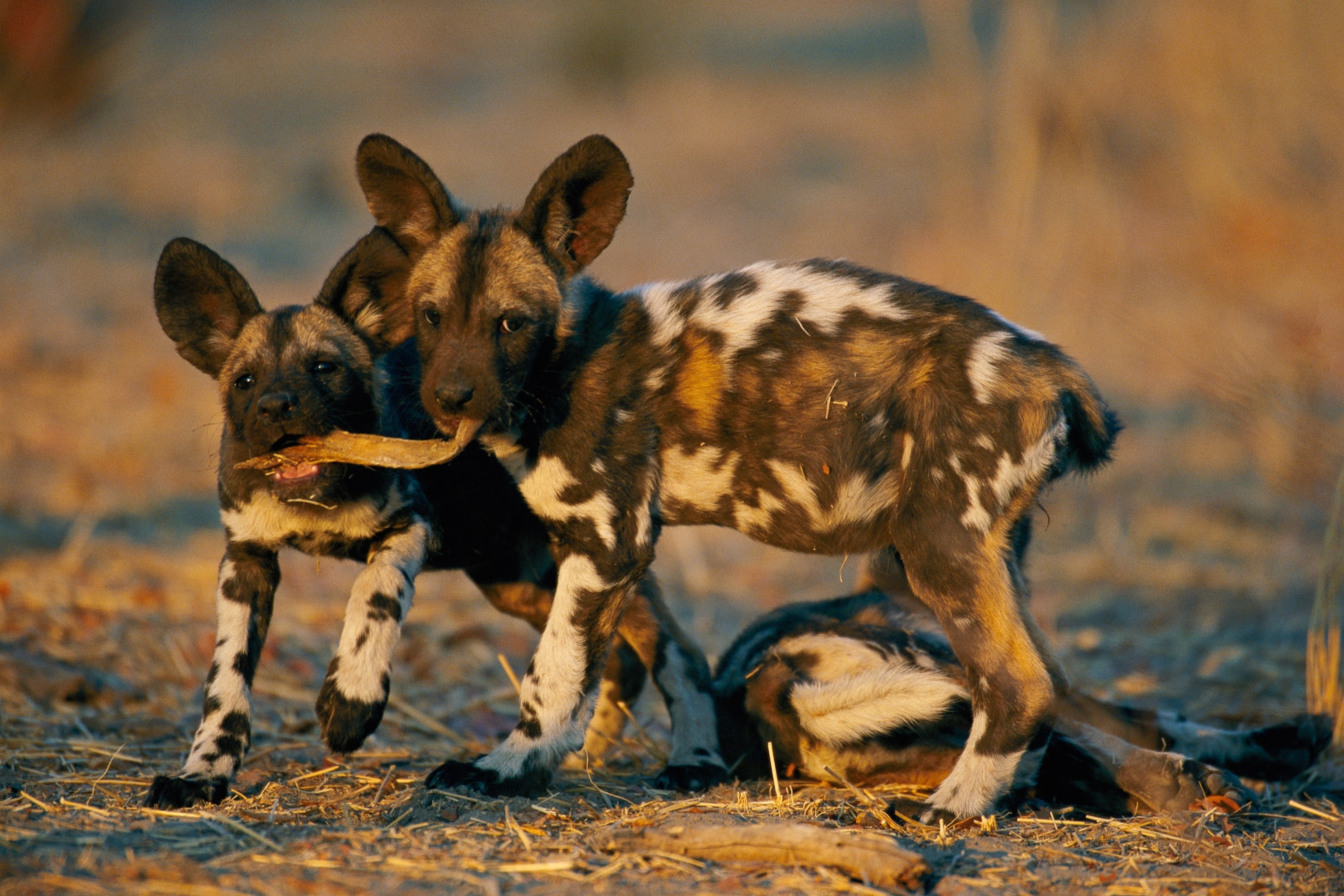 Wildlife Guides
Complete Guide to Cheetah Speed and Hunting
Learn all about Complete Guide to Cheetah Speed and Hunting in this comprehensive guide. Discover the best time to go, what to see, and how to plan your trip.
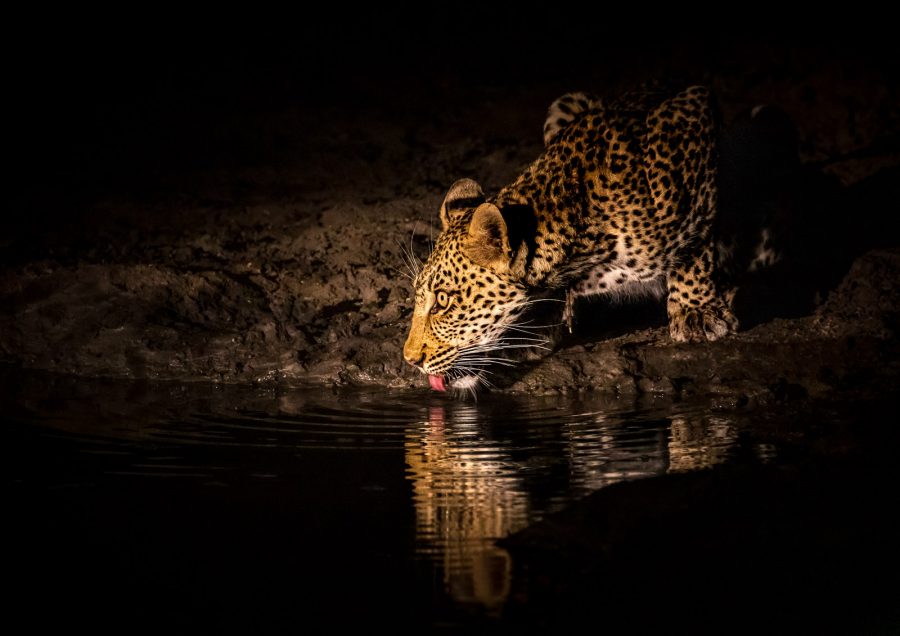 Wildlife Guides
Complete Guide to Nile Crocodile Hunting
Learn all about Complete Guide to Nile Crocodile Hunting in this comprehensive guide. Discover the best time to go, what to see, and how to plan your trip.
 Wildlife Guides
Complete Guide to Termite Mounds on Safari
A comprehensive guide to Complete Guide to Termite Mounds on Safari. Learn about its habitat, behavior, diet, and conservation status.
 Destination Guides
Complete Guide to Garden Route Safari Options
A complete guide to Complete Guide to Garden Route Safari Options. Learn about the wildlife, activities, and best time to visit this amazing destination.
 Country Guides
Complete Safari Guide to Tanzania
Your complete guide to Complete Safari Guide to Tanzania. Find the best destinations, planning tips, and more for your next safari adventure.
 Country Guides
Complete Safari Guide to Kenya
Your complete guide to Complete Safari Guide to Kenya. Find the best destinations, planning tips, and more for your next safari adventure.