
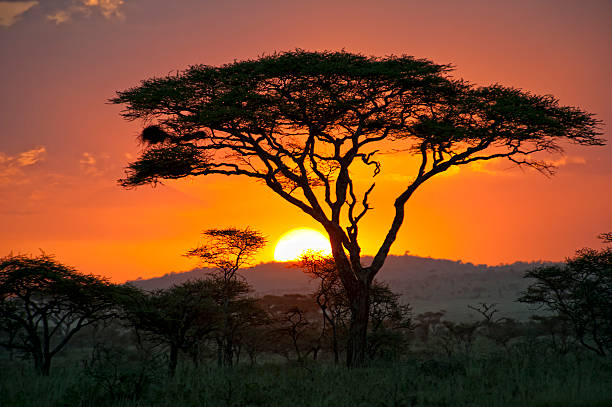
Travel safely in East Africa with our expert tips. This guide covers health, urban safety, and wildlife precautions for your safari in Kenya, Tanzania, and beyond.
Overview of Travel Safety in East Africa
East Africa, encompassing Kenya, Tanzania, Uganda, and Rwanda, is one of the world's premier safari destinations. Millions of tourists visit the region safely every year, enjoying extraordinary wildlife experiences and cultural encounters. However, like any travel destination, East Africa requires awareness and sensible precautions to ensure a safe and enjoyable trip.
The vast majority of safari-related safety concerns are manageable with proper preparation, a reputable operator, and common-sense behavior. Understanding the specific safety considerations for East African travel helps you prepare effectively.
Health and Medical Safety
[Malaria](/knowledge/malaria-risk-on-safari) Prevention
Malaria is present in most East African safari destinations, particularly at lower elevations. Effective prevention involves three approaches: antimalarial medication prescribed by your doctor, insect repellent containing DEET or picaridin, and physical barriers such as long sleeves at dusk and treated mosquito nets.
Consult a travel medicine specialist at least six weeks before departure to discuss the most appropriate antimalarial medication for your destination and medical history.
[Vaccinations](/knowledge/vaccinations-needed-for-african-safari-travel)
Yellow fever vaccination is required for entry into Kenya, Tanzania, and Uganda if traveling from or through a yellow fever endemic country. Even if not technically required, the vaccination is recommended for protection.
Additional recommended vaccinations include hepatitis A and B, typhoid, and routine boosters for tetanus, diphtheria, and polio. Rabies vaccination may be recommended if you plan extended stays in rural areas.
Water and Food Safety
Drink only bottled or purified water throughout your trip. Most safari lodges and camps provide safe drinking water, but confirm this with your operator. Avoid ice in drinks unless you are confident it was made from purified water.
Eat at reputable establishments and safari camps where food handling standards are maintained. Avoid street food in urban areas unless recommended by a trusted local guide.
Still researching? Let us help.
Our advisory team has planned safaris across 9 African countries. We can turn your research into a real plan.
Talk to an AdvisorWildlife Safety
Game Drive Safety
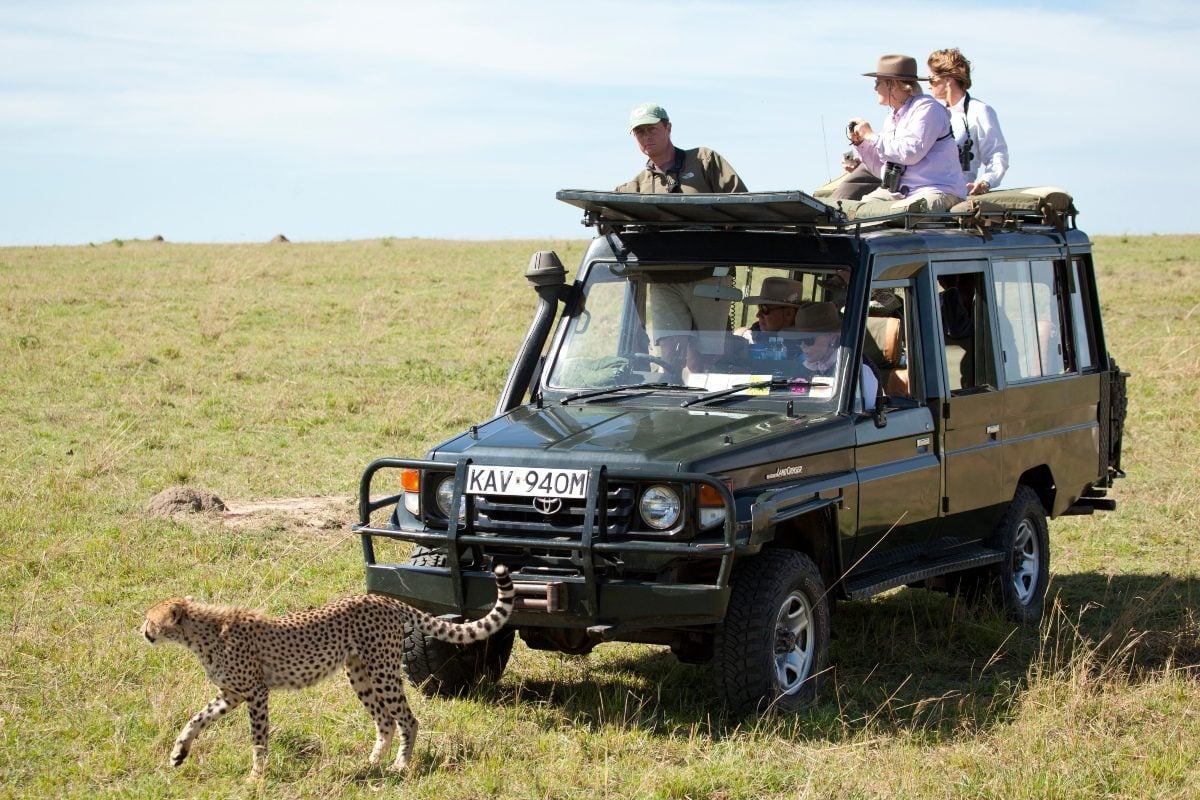
Safari vehicles provide excellent protection during game drives. Follow your guide's instructions at all times. Never stand up in the vehicle, extend limbs outside the vehicle, or make sudden movements or loud noises near wildlife.
Maintain a respectful distance from all animals. Even seemingly docile herbivores like hippos and elephants can be dangerous if they feel threatened. Your guide is trained to read animal behavior and maintain safe distances.
[Walking Safari](/knowledge/walking-safaris-explained) Safety
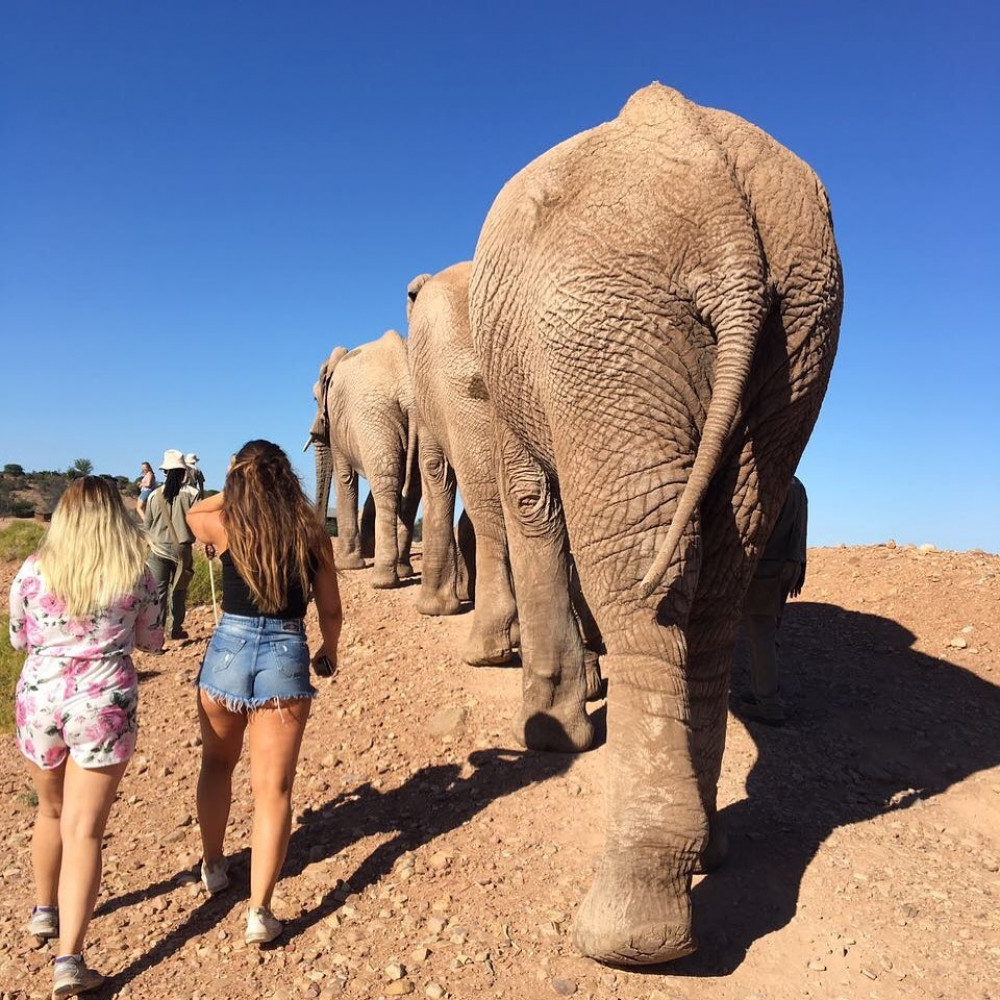
Walking safaris offer intimate bush experiences but require strict adherence to safety protocols. Always walk with an armed and qualified guide. Stay in single file, maintain silence when instructed, and never run from wildlife.
Walking safaris are conducted in areas with lower concentrations of dangerous game, and guides carefully assess conditions before each walk.
Personal Security
Urban Areas
Exercise normal urban safety precautions in cities like Nairobi, Dar es Salaam, and Kampala. Avoid displaying expensive jewelry or electronics. Use reputable transportation services. Keep copies of important documents separate from originals.
Rural and Safari Areas
Safari areas are generally very safe, with lodges and camps employing security staff and maintaining close relationships with local communities. Follow camp rules about walking between tents at night, as wildlife may be present in camp areas.
Road Safety
Road conditions in East Africa vary significantly. Major highways are generally well-maintained, but rural roads can be challenging, especially during rainy seasons. If self-driving, exercise extreme caution and avoid night driving.
Political and Social Considerations
East African countries are generally stable and welcoming to tourists. However, stay informed about current events through your embassy's travel advisories. Avoid political demonstrations and large gatherings. Respect local customs and dress codes, particularly in Muslim-majority areas along the coast.
Done Reading? Let's Build Your Safari.
Skip the guesswork. Work with an advisor who has been on the ground across East and Southern Africa.
Plan With UsEmergency Preparedness
- Register with your embassy before travel
- Carry comprehensive travel insurance with emergency evacuation coverage
- Keep emergency contact numbers for your operator, embassy, and insurance provider
- Ensure your mobile phone works in your destination country
- Carry a basic first aid kit and any personal medications
Working With Reputable Operators
The single most important safety decision is choosing a reputable safari operator. Established operators maintain well-serviced vehicles, employ qualified guides, follow safety protocols, and have emergency procedures in place. They also maintain relationships with local communities and authorities that enhance security throughout your trip.
Need Expert Safari Guidance?
Get expert advisory support from a firm founded by a former safari guide — with real operational knowledge across 9 African countries and full-journey accountability.
Related Planning Guides
Explore Related Topics
Recommended Reading
 Safari Safety
Travel Safety in Southern Africa
Learn how to travel safely in Southern Africa with our expert guide. Get practical tips on urban safety, safari precautions, and health preparations for your trip.
 Safari Safety
Is African Safari Safe for Travelers?
Is an African safari safe? Our expert guide covers the real risks, safety measures, and practical advice to help you plan a secure and unforgettable journey.
 Safari Planning
Vaccinations Needed for African Safari Travel
Learn about the required and recommended vaccinations for your African safari. Our guide covers Yellow Fever, Malaria, and other health precautions for your trip.
 Country Guides
South Africa Safari Health and Safety Overview
A guide to staying healthy and safe on a South African safari, from malaria prevention and vaccinations to wildlife encounters and personal security.
 Safari Planning
Travel Insurance for African Safaris
Learn why travel insurance is essential for your African safari. Our guide covers medical emergencies, trip cancellations, and choosing the right policy for you.
 Safari Cost Guides
Safari Cost Comparison East Africa vs Southern Africa
Learn about safari cost comparison east africa vs southern africa in this comprehensive safari guide covering key insights and practical advice.