
A comprehensive guide to Complete Guide to African Dung Beetle. Learn about its habitat, behavior, diet, and conservation status.
Complete Guide to African Dung Beetle
Africa offers some of the most incredible wildlife experiences on Earth, and getting complete guide to african dung beetle right is essential to making the most of your journey. Here is what experienced safari guides and advisors recommend.
Safety and Health Considerations: Complete Guide to African Dung Beetle
Health preparation is an essential component of complete guide to african dung beetle. Consult with a travel medicine specialist at least six weeks before your departure to discuss vaccinations, malaria prophylaxis, and other health precautions specific to your destinations.
Travel insurance that specifically covers safari activities is strongly recommended. Standard travel insurance policies may not cover all the activities and situations you might encounter on an African safari. Ensure your policy covers medical evacuation, trip cancellation, and activity-specific risks.
Still researching? Let us help.
Our advisory team has planned safaris across 9 African countries. We can turn your research into a real plan.
Talk to an AdvisorSeasonal Factors and Timing
Peak season brings excellent wildlife viewing but also higher prices and more crowded parks. Shoulder seasons offer a balance of good conditions and fewer crowds. Understanding how seasonal factors affect complete guide to african dung beetle helps you choose the optimal time for your specific priorities.
The timing of your safari significantly impacts complete guide to african dung beetle. Dry season months, typically June through October in most East African destinations, offer different conditions than the green season months of November through May. Each period has distinct advantages and considerations.
Weather patterns across Africa are becoming less predictable due to climate change, which adds another layer of consideration to complete guide to african dung beetle. Working with operators who have current, on-the-ground knowledge of conditions is more important than ever.
Expert Recommendations: Complete Guide to African Dung Beetle
Budget considerations play an important role in complete guide to african dung beetle. While it is tempting to cut corners, experienced travelers consistently report that investing in quality where it matters most leads to significantly better outcomes. The key is knowing where to allocate your budget for maximum impact.
Safari advisors consistently recommend starting your planning process at least six to twelve months before your intended travel dates. This lead time allows you to secure preferred accommodations, take advantage of early booking rates, and properly prepare for all aspects of complete guide to african dung beetle.
Working with a qualified safari planning guide can significantly improve your experience with complete guide to african dung beetle. Advisors who have personal experience in your chosen destinations can provide insights that no guidebook or website can match. They understand the subtle differences between properties, the best times to visit specific areas, and how to structure an itinerary that maximizes your time.
Making the Most of Your Experience: Complete Guide to African Dung Beetle
Photography enthusiasts should pay special attention to complete guide to african dung beetle as it relates to their equipment and technique. The lighting conditions, distances, and movement patterns of African wildlife create unique challenges and opportunities that benefit from advance preparation.
To truly optimize complete guide to african dung beetle, approach your safari with an open mind and realistic expectations. Africa has a way of surprising even the most experienced travelers, and some of the best moments come from unexpected encounters and unplanned detours.
Finally, remember that a safari is more than just wildlife viewing. The cultural experiences, landscapes, and personal connections you make along the way are equally valuable. Approaching complete guide to african dung beetle with this broader perspective will enrich your entire journey.
Done Reading? Let's Build Your Safari.
Skip the guesswork. Work with an advisor who has been on the ground across East and Southern Africa.
Plan With UsRelated Resources
For more information on planning your safari, explore our destination guides, browse the safari operator directory, or connect with an experienced safari planning guide for personalized guidance.
The Unseen Engineers: Why Dung Beetles Are a Keystone Species
Dung beetles are far more than nature's clean-up crew; they are a keystone species, meaning their role is disproportionately large relative to their abundance. Their tireless work provides several essential ecological services that are fundamental to the health of the African savanna.
- Soil Health and Fertilization: By tunneling and burying dung, these beetles naturally aerate the soil. This improves water absorption, reduces erosion, and creates a healthier environment for plant roots. The buried dung acts as a slow-release fertilizer, enriching the soil with essential nutrients like nitrogen and phosphorus. This process is vital for maintaining the lush grasslands that support Africa's iconic herbivore populations. Without dung beetles, grasslands would be less productive, impacting everything from zebra to elephants.
- Pest and Disease Control: Fresh dung is a breeding ground for flies and internal parasites that can spread diseases among wildlife and livestock. By quickly removing and burying dung, beetles disrupt the lifecycle of these pests, effectively sanitizing the environment. This natural pest control service helps to keep animal herds healthy and reduces the need for chemical interventions in conservation areas.
- Secondary Seed Dispersal: Many plant seeds are ingested by herbivores and deposited in their dung. Dung beetles then inadvertently plant these seeds by burying the dung. This process, known as secondary seed dispersal, is crucial for the regeneration of many plant species and the maintenance of biodiversity. The beetle gives the seed a safe, nutrient-rich place to germinate, away from seed-eating predators.
> Expert Insight: The intricate web of life in the African bush is perfectly illustrated by the dung beetle. Their work directly benefits the soil, which benefits the plants, which in turn feed the herbivores. Protecting these small creatures is essential for the conservation of the entire ecosystem. When on safari, take a moment to appreciate these small but mighty engineers.
A Life in Dung: Behavior, Reproduction, and Lifecycle
The fascinating behaviors of dung beetles are a highlight for any curious safari-goer. While the classic image is of a beetle rolling a ball of dung, their strategies are more diverse and complex.
There are three main functional groups of dung beetles, each with a unique approach to utilizing this valuable resource:
| Beetle Type | Behavior & Strategy | Primary Role | | :--- | :--- | :--- | | Rollers (Telecoprids) | These are the most famous type. They fashion a ball of dung and roll it away from the chaotic competition at the dung pile. This ball is a nuptial offering from a male to a female or a provision for their offspring. | Securing a high-quality, private resource for mating and breeding. Their rolling helps disperse nutrients over a wider area. | | Tunnelers (Paracoprids) | This group lands on a dung pile and tunnels directly beneath it, creating a subterranean chamber. They then drag pieces of dung down into their burrow. | They are the primary movers of dung into the soil, making them critical for soil aeration and fertilization. They are less conspicuous than rollers but arguably more important ecologically. | | Dwellers (Endocoprids) | These beetles live their entire lives within the dung pile itself, feeding and laying their eggs inside it. | They are important for the initial breakdown of the dung pile, making it more accessible to other decomposers. |
The lifecycle of a dung beetle is a marvel of adaptation. For the rollers and tunnelers, the female lays a single egg inside a specially prepared brood ball of dung. The larva hatches inside this edible nursery and feeds on the surrounding dung until it pupates and emerges as an adult. This parental care ensures a high survival rate for their offspring.
> Traveler's Tip: To witness the impressive strength of a roller, look for them on warm afternoons, especially after elephants or buffalo have passed through. You may see a male diligently rolling his prize, often with a female clinging on for the ride. It's a fantastic photo opportunity and a memorable part of any safari experience.
Where and When to Find Dung Beetles
Dung beetles are widespread across Africa, but your best chance of seeing them in action is in savanna ecosystems with large populations of megaherbivores. Parks renowned for their elephant and buffalo herds are prime dung beetle habitats.
- Top Destinations: Look for them in the Serengeti and Tarangire National Parks in Tanzania, the Maasai Mara in Kenya, Chobe National Park in Botswana, and Kruger National Park in South Africa.
- Seasonal Activity: Dung beetle activity is highest during the rainy seasons when the ground is softer for tunneling and the dung is moist and pliable. During the dry season, many species become less active or enter a state of diapause (a type of hibernation).
For more detailed planning, consult our knowledge center or connect with one of our safari operators who can help you design an itinerary focused on wildlife behavior.
Need Expert Safari Guidance?
Get expert advisory support from a firm founded by a former safari guide — with real operational knowledge across 9 African countries and full-journey accountability.
Related Planning Guides
Explore Related Topics
Recommended Reading
 Wildlife Guides
Complete Guide to African Lion Behavior
Delve into the complex social structure, hunting techniques, and communication methods of the African lion. Understand the king of the savanna with this in-depth guide.
 Wildlife Guides
Complete Guide to African Wild Dog Pack Dynamics
Learn all about Complete Guide to African Wild Dog Pack Dynamics in this comprehensive guide. Discover the best time to go, what to see, and how to plan your trip.
 Wildlife Guides
Complete Guide to African Buffalo Herds
Learn all about Complete Guide to African Buffalo Herds in this comprehensive guide. Discover the best time to go, what to see, and how to plan your trip.
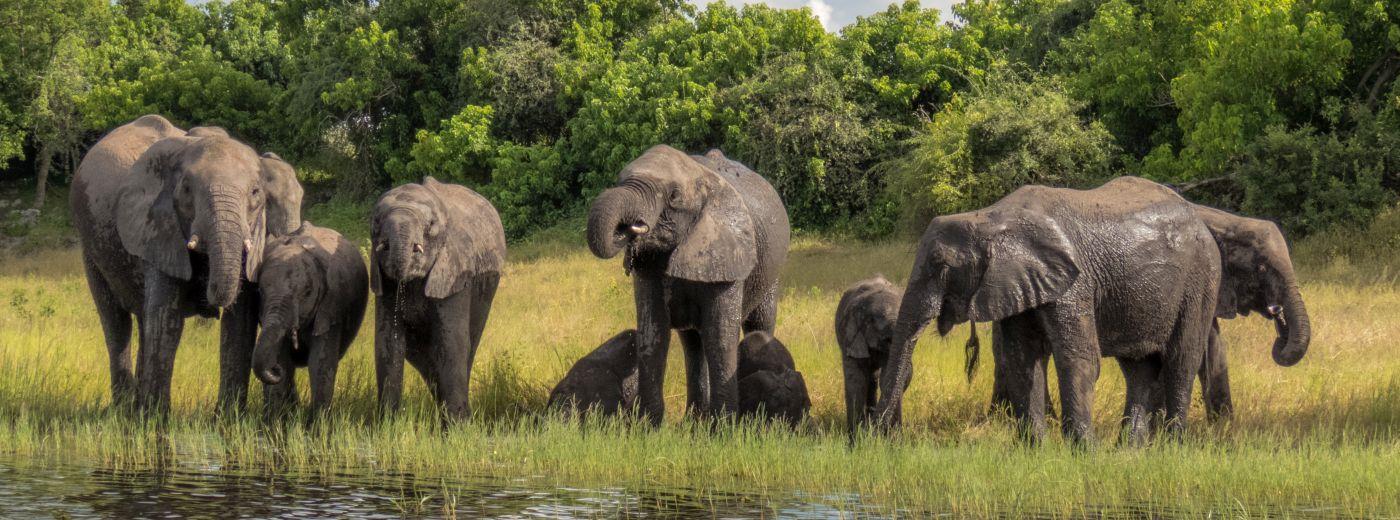 Country Guides
Complete Safari Guide to South Africa
Your complete guide to Complete Safari Guide to South Africa. Find the best destinations, planning tips, and more for your next safari adventure.
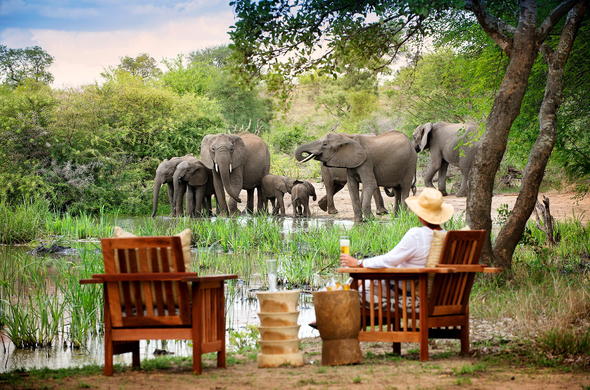 Safari Planning
Step-by-Step Guide to Planning an African Safari
Learn how to plan your first African safari with our step-by-step guide. We cover everything from choosing a destination to booking your trip and packing.
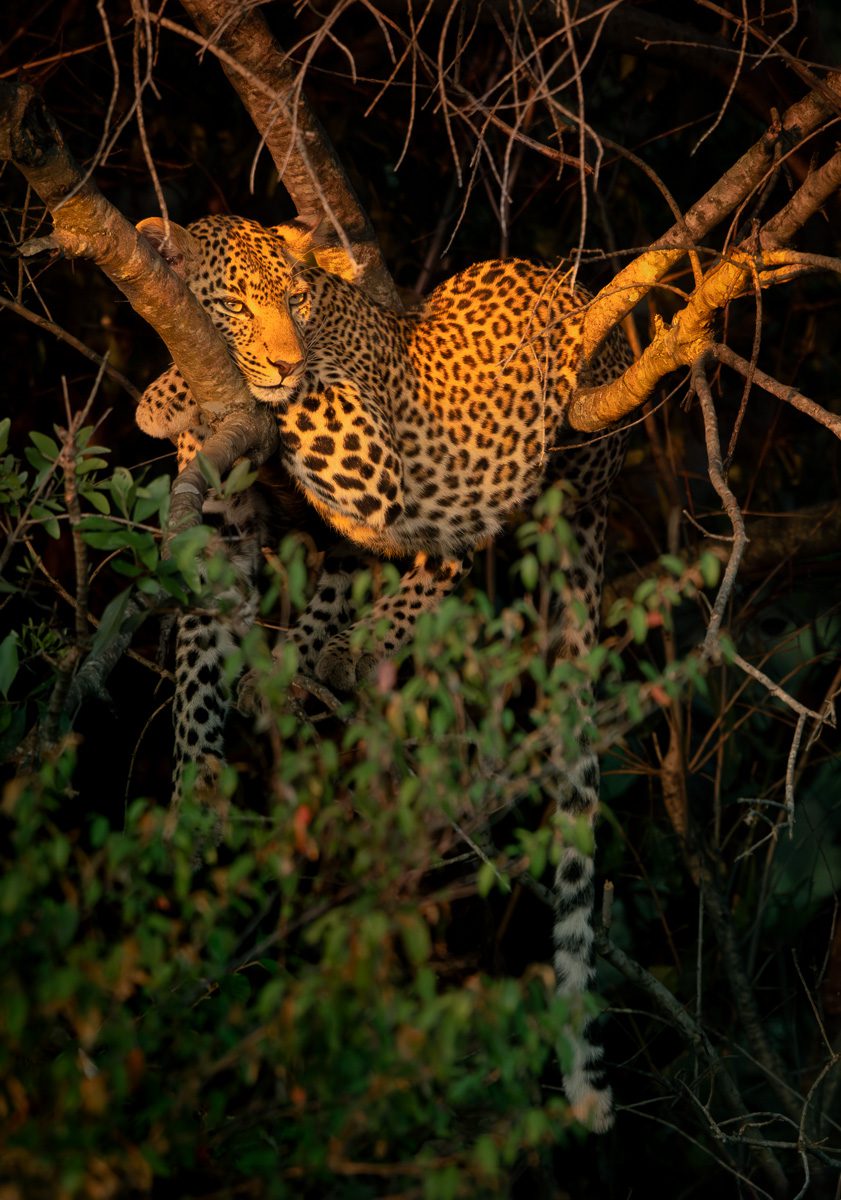 Destination Guides
Complete Guide to Table Mountain National Park
A complete guide to Complete Guide to Table Mountain National Park. Learn about the wildlife, activities, and best time to visit this amazing destination.