
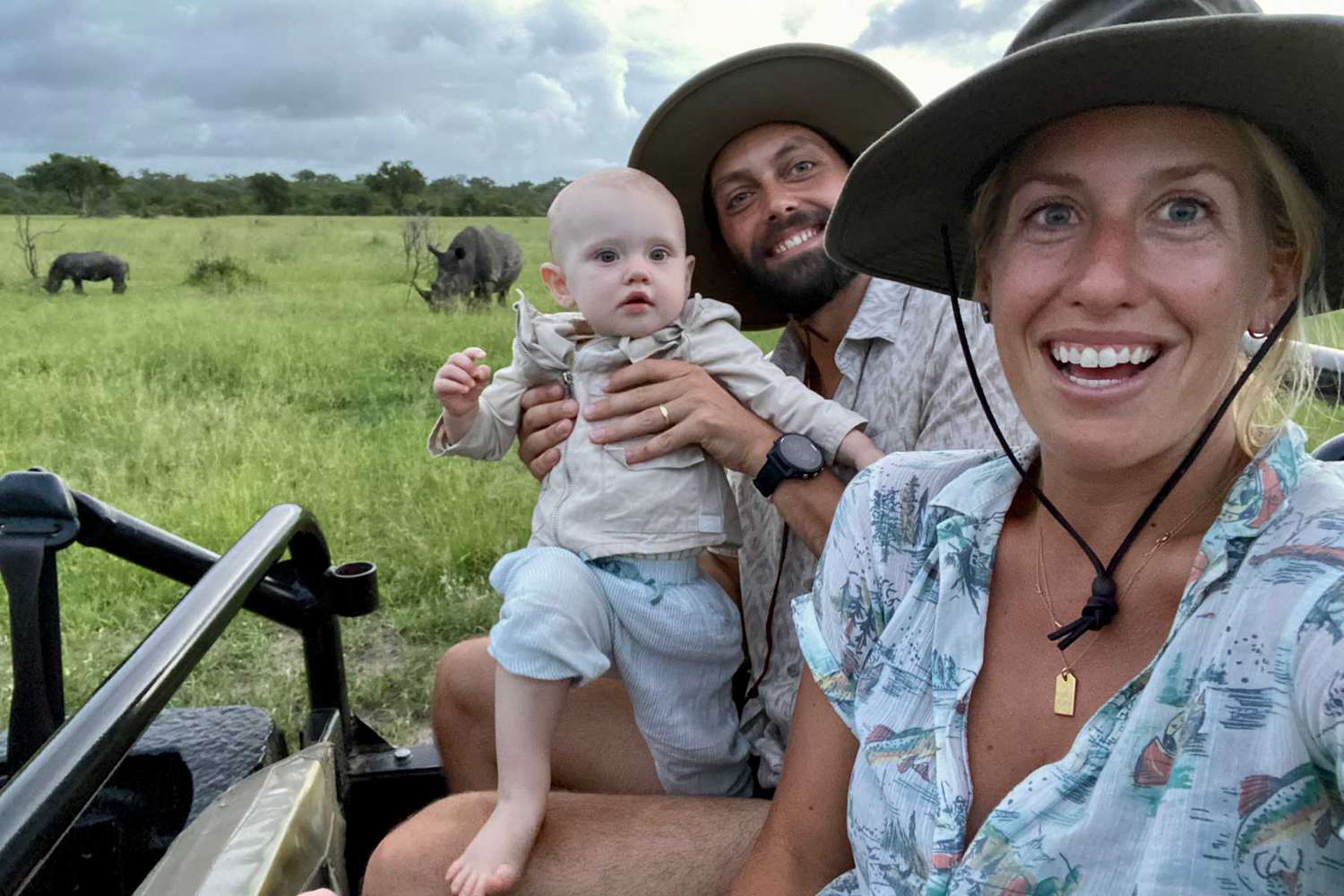
A comprehensive guide to Complete Guide to Spitting Cobra. Learn about its habitat, behavior, diet, and conservation status.
Complete Guide to Spitting Cobra
The safari industry has evolved significantly, and so has the approach to complete guide to spitting cobra. This guide reflects current best practices and real-world insights from operators across East and Southern Africa.
Understanding the Fundamentals: Complete Guide to Spitting Cobra
Experienced safari operators emphasize that preparation is the single most important factor in complete guide to spitting cobra. This means doing your research well in advance, consulting with knowledgeable advisors, and being willing to adapt your plans based on current conditions. The best safari experiences come from travelers who approach their journey with both enthusiasm and informed flexibility.
The foundation of complete guide to spitting cobra begins with understanding the basic principles. Safari environments across Africa present unique conditions that differ significantly from what most travelers are accustomed to. In East Africa, the vast savannas of Kenya and Tanzania create one set of considerations, while the dense forests of Uganda and Rwanda present entirely different challenges. Southern African destinations like Botswana and South Africa add yet another dimension.
Still researching? Let us help.
Our advisory team has planned safaris across 9 African countries. We can turn your research into a real plan.
Talk to an AdvisorCommon Mistakes to Avoid
Underestimating the importance of complete guide to spitting cobra is perhaps the biggest mistake of all. Travelers who give this aspect of their safari proper attention consistently report more satisfying experiences than those who treat it as an afterthought.
One of the most frequent mistakes travelers make with complete guide to spitting cobra is waiting too long to start planning. Popular safari destinations and lodges book up months in advance, especially during peak season. Last-minute planning often results in limited options and higher costs.
Making the Most of Your Experience
To truly optimize complete guide to spitting cobra, approach your safari with an open mind and realistic expectations. Africa has a way of surprising even the most experienced travelers, and some of the best moments come from unexpected encounters and unplanned detours.
Finally, remember that a safari is more than just wildlife viewing. The cultural experiences, landscapes, and personal connections you make along the way are equally valuable. Approaching complete guide to spitting cobra with this broader perspective will enrich your entire journey.
Photography enthusiasts should pay special attention to complete guide to spitting cobra as it relates to their equipment and technique. The lighting conditions, distances, and movement patterns of African wildlife create unique challenges and opportunities that benefit from advance preparation.
Seasonal Factors and Timing: Complete Guide to Spitting Cobra
The timing of your safari significantly impacts complete guide to spitting cobra. Dry season months, typically June through October in most East African destinations, offer different conditions than the green season months of November through May. Each period has distinct advantages and considerations.
Weather patterns across Africa are becoming less predictable due to climate change, which adds another layer of consideration to complete guide to spitting cobra. Working with operators who have current, on-the-ground knowledge of conditions is more important than ever.
Done Reading? Let's Build Your Safari.
Skip the guesswork. Work with an advisor who has been on the ground across East and Southern Africa.
Plan With UsRelated Resources
For more information on planning your safari, explore our destination guides, browse the safari operator directory, or connect with an experienced safari planning guide for personalized guidance.
Spitting Cobra Species Across Africa
Africa is home to several fascinating species of spitting cobras, each with a distinct range and appearance. Understanding these differences can enrich your wildlife viewing experience. The most commonly encountered are the Black-necked Spitting Cobra (Naja nigricollis), found across sub-Saharan Africa, and the Mozambique Spitting Cobra (Naja mossambica), prevalent in the savannas of southern and eastern Africa. The latter is notoriously aggressive and responsible for a significant number of snakebite incidents in its range.
Another notable species is the Red Spitting Cobra (Naja pallida), a vibrant, reddish snake found in the arid landscapes of East Africa, from Egypt down to Tanzania. Less common but equally impressive is the Nubian Spitting Cobra (Naja nubiae), which has a scattered distribution through parts of North and East Africa. Each species is a testament to the incredible adaptability of these reptiles, thriving in diverse environments from dense forests to dry, rocky terrain. For travelers, knowing which species inhabit a region is key to understanding local ecosystems, a topic often covered in our destination guides.
The Spitting Mechanism and Venom
The term "spitting" is slightly misleading. These cobras don't spit in the traditional sense; they forcefully eject a fine spray of venom from their fangs with remarkable accuracy. They can aim for the eyes of a perceived threat from up to 2.5 meters (8 feet) away. This is a purely defensive behavior, designed to incapacitate a potential predator or intruder, allowing the snake to escape. The venom, when sprayed into the eyes, causes immediate, intense pain, inflammation, and temporary or even permanent blindness if not treated promptly.
> Traveler's Tip: If you encounter a spitting cobra, the single most important action is to protect your eyes. Immediately look away and back up slowly. Do not make sudden movements. If venom gets in your eyes, it is a medical emergency. Rinse your eyes thoroughly with a gentle, steady stream of clean, lukewarm water or any bland liquid like milk or beer for at least 15-20 minutes before seeking immediate medical attention. Do not rub your eyes.
A bite from a spitting cobra is a different matter. Their venom is a potent cocktail of cytotoxins and neurotoxins. A cytotoxic bite causes severe pain, swelling, blistering, and potentially catastrophic tissue damage (necrosis) around the bite site. The neurotoxic components can affect the nervous system, leading to breathing difficulties. Seeking immediate medical help is critical, as antivenom is the only effective treatment. Learning more about safari safety is a crucial part of trip planning, which our safari operators can discuss with you.
Where to See Spitting Cobras on Safari
While a spitting cobra sighting is never guaranteed, certain national parks and reserves offer a higher probability for those keen to spot one. These snakes are often found near water sources, in termite mounds, or in rocky outcrops.
- Kruger National Park, South Africa: Both the Mozambique Spitting Cobra and the Black-necked Spitting Cobra are found here. Night drives can be particularly fruitful, as these snakes are often more active after dusk.
- Serengeti National Park, Tanzania: The Red Spitting Cobra and Black-necked Spitting Cobra inhabit the vast plains and woodlands of the Serengeti. Their presence is a vital part of the park's complex food web.
- Murchison Falls National Park, Uganda: The Black-necked Spitting Cobra is a common resident here, often seen basking on roadsides or near the Nile River.
> Expert Insight: The best way to spot snakes on safari is with an experienced guide who knows their habits and habitats. Local guides can identify signs of snake activity that an untrained eye would miss. They also prioritize safety, ensuring any encounter is a fascinating and secure experience. When you plan your safari, we connect you with operators who employ such expert guides.
Conservation and Ecological Role
Spitting cobras play a crucial role in their ecosystems as mid-level predators. They help control populations of rodents, birds, and other small animals, which in turn helps maintain a balanced environment. However, they face significant threats from habitat loss due to agricultural expansion and human development. They are also frequently killed out of fear.
Conservation efforts focus on education, teaching local communities how to coexist safely with these snakes and the importance of their role in the environment. By supporting responsible tourism and conservation-focused safari operators, you contribute to the protection of these incredible animals and their habitats. To understand the financial aspect of such trips, our cost calculator can provide a preliminary estimate.
Need Expert Safari Guidance?
Get expert advisory support from a firm founded by a former safari guide — with real operational knowledge across 9 African countries and full-journey accountability.
Related Planning Guides
Explore Related Topics
Recommended Reading
 Wildlife Guides
Complete Guide to African Lion Behavior
Delve into the complex social structure, hunting techniques, and communication methods of the African lion. Understand the king of the savanna with this in-depth guide.
 Wildlife Guides
Complete Guide to Spotted Hyena Behavior
Learn all about Complete Guide to Spotted Hyena Behavior in this comprehensive guide. Discover the best time to go, what to see, and how to plan your trip.
 Wildlife Guides
Complete Guide to Black Rhinoceros Conservation
Learn all about Complete Guide to Black Rhinoceros Conservation in this comprehensive guide. Discover the best time to go, what to see, and how to plan your trip.
 Destination Guides
Complete Guide to Table Mountain National Park
A complete guide to Complete Guide to Table Mountain National Park. Learn about the wildlife, activities, and best time to visit this amazing destination.
 Destination Guides
Complete Guide to Garden Route Safari Options
A complete guide to Complete Guide to Garden Route Safari Options. Learn about the wildlife, activities, and best time to visit this amazing destination.
 Destination Guides
Complete Guide to Sabi Sands Game Reserve
A complete guide to Complete Guide to Sabi Sands Game Reserve. Learn about the wildlife, activities, and best time to visit this amazing destination.