Learn what to do if you encounter dangerous wildlife on an African safari. Our guide covers essential safety rules and specific advice for elephants, lions, and more.
''' An African safari is a journey into a world where wildlife roams free, a place of untamed beauty and unforgettable encounters. The thrill of seeing a lion stalk its prey in the Serengeti, a herd of elephants march across the plains of Amboseli, or a silverback gorilla emerge from the mists of Bwindi Impenetrable Forest is what draws us to these wild places. But with this incredible privilege comes a responsibility to respect the animals and their environment. While safari travel with reputable operators is overwhelmingly safe, it's essential to understand that you are a visitor in the home of wild animals. Knowing how to behave and what to do in the rare event of a close encounter with dangerous wildlife is a crucial part of responsible travel, ensuring both your safety and the well-being of the animals.
The Golden Rules: Universal Principles for Wildlife Encounters
Regardless of the animal or the location, from the Maasai Mara in Kenya to South Africa's Kruger National Park, a set of fundamental principles governs safe wildlife viewing. Adhering to these rules is the single most important thing you can do to ensure a safe and respectful safari experience.
Trust Your Guide
Your safari guide is your most valuable asset. These men and women are highly trained professionals with years of experience and a deep understanding of animal behavior. They can read subtle cues that are invisible to the untrained eye—the flick of an ear, a change in posture, or a low rumble—that signal an animal's mood or intent. Always listen to their instructions without question. If they tell you to be quiet, to sit down, or that it's time to move away, do so immediately. Their primary responsibility is your safety, and they will not take unnecessary risks.
Stay in the Vehicle
Unless you are on a designated walking safari with an armed guide, you must remain inside the safari vehicle at all times during game drives. It can be tempting to stand up on the seats or lean far out of the window for a better photo, but this can be extremely dangerous. Animals view the safari vehicle as a single, large, non-threatening entity. When you break that silhouette by standing up or extending a limb, you can be perceived as a threat or potential prey, which can provoke a defensive or aggressive reaction. This rule is especially critical when viewing predators like lions or leopards.
Keep Your Voice Down
Loud noises can startle and stress wildlife. Speak in low, calm tones and avoid sudden movements. The goal is to observe the animals in their natural state, behaving as they would if you weren
were not there. Turn your phone to silent and turn off the flash on your camera. A sudden flash can temporarily blind an animal and cause it to panic.
Never Feed the Animals
Feeding wild animals is one of the most dangerous things you can do. It habituates them to humans and teaches them to associate people with food. This can lead to aggressive behavior as they lose their natural fear of humans and start to demand food. Animals that become a nuisance or a danger to people often have to be euthanized by park authorities. For their safety and yours, never offer food to any wild animal, no matter how small or seemingly harmless.
On Foot: Walking Safaris and Lodge Safety
Walking safaris, offered in destinations like Zambia's South Luangwa National Park and Zimbabwe's Mana Pools National Park, offer a uniquely intimate way to experience the bush. However, being on foot in a wilderness area carries a different set of risks. Similarly, many safari lodges and camps are unfenced, allowing wildlife to wander through the grounds.
Walking Safari Protocol
On a walking safari, you will be accompanied by at least one armed and highly trained guide. The pre-walk briefing is mandatory; pay close attention. Your guide will teach you how to walk in single file, to read the wind, and to use hand signals for communication. The key is to avoid surprising animals. Your guide will be constantly scanning for tracks and signs, listening for alarm calls, and using the wind to mask your scent. If you do encounter a large animal, stand still, remain silent, and follow your guide's lead. Never run. Running triggers a predator's chase instinct.
Safety at Your Lodge or Camp
Unfenced camps offer an incredible sense of immersion, but you must be vigilant. After dark, you will always be escorted to and from your tent or room by a staff member. Never walk alone at night. Keep your tent flaps or doors zipped up at all times, even when you are inside. This is not just for security against large animals, but also to keep out snakes, scorpions, and other smaller creatures. Be sure to check your shoes in the morning before putting them on.
Specific Animal Encounters: What to Do
While the general rules of safari safety apply universally, different animals require slightly different responses. Understanding the typical behavior of Africa's most iconic species can help you stay safe.
Elephants: The Gentle Giants
Elephants are intelligent, social, and usually peaceful. However, a startled or threatened elephant can be incredibly dangerous. A mock charge, where an elephant flares its ears, kicks up dust, and trumpets loudly, is a warning. Your guide will stand their ground, and the elephant will almost always back down. A real charge is silent, with ears pinned back and trunk curled. Your guide will take evasive action. If you are on foot and encounter an elephant, do not run. Stand still, and if the elephant charges, try to get behind a large tree or termite mound.
Lions and Other Big Cats
Lions, leopards, and cheetahs are Africa's apex predators. Fortunately, they rarely view humans as prey. If you are in a vehicle, they will likely ignore you. If you encounter a lion on foot, the advice is counterintuitive: do not run. Stand your ground, make yourself look as big as possible by raising your arms, and make loud noises. Back away slowly, but never turn your back. The goal is to show the cat that you are not prey and that you are a formidable opponent.
Cape Buffalo and Rhinos
Cape buffalo are responsible for more hunter deaths in Africa than any other animal, earning them the nickname "Black Death." They are notoriously unpredictable. A lone bull, in particular, can be aggressive. Rhinos, with their poor eyesight, are easily startled. In both cases, the best defense is to give them a wide berth. If charged by a buffalo or rhino, your only option is to climb a tree or get behind a substantial obstacle. They will typically not persist in an attack if you are out of sight.
Hippos and Crocodiles
Despite their comical appearance, hippos are the most dangerous large land mammal in Africa, responsible for an estimated 500 human deaths per year. They are intensely territorial, especially in the water. Never get between a hippo and the water. On a boat safari, such as on the Kazinga Channel in Uganda, your guide will keep a respectful distance. Crocodiles are ambush predators. Never swim in any river or lake unless you are explicitly told it is safe, and avoid standing too close to the water's edge.
A Final Word on Respect
Encounters with dangerous wildlife on safari are rare, and negative incidents are even rarer. By choosing a reputable operator, trusting your guide, and following these fundamental safety rules, you can enjoy an incredible and safe African adventure. The goal is not to fear the wildlife, but to respect it. You are a guest in their world, and with that comes the responsibility to behave in a way that ensures the safety of both yourself and the magnificent animals you have traveled so far to see.
The African Safari Planning Blueprint — Your Complete Guide
80+ Pages of Expert Knowledge in One Place
The comprehensive guide that replaces weeks of scattered research. 80+ pages of expert insights, decision frameworks, and insider knowledge.
Helpful Guides for Your Safari Planning
Optional planning guides built from real safari industry experience. Use them alongside our free knowledge center to plan your trip.
Need Expert Safari Guidance?
Our safari advisors can help you plan the perfect itinerary based on your interests, budget, and travel dates. Get personalized recommendations from experts who have lived and worked across Africa.
Explore Related Topics
Recommended Reading
 Safari Planning Guides
How to Plan a Safari With Ethical Wildlife Encounters
Learn about how to plan a safari with ethical wildlife encounters in this comprehensive safari guide covering key insights and practical advice.
5 min read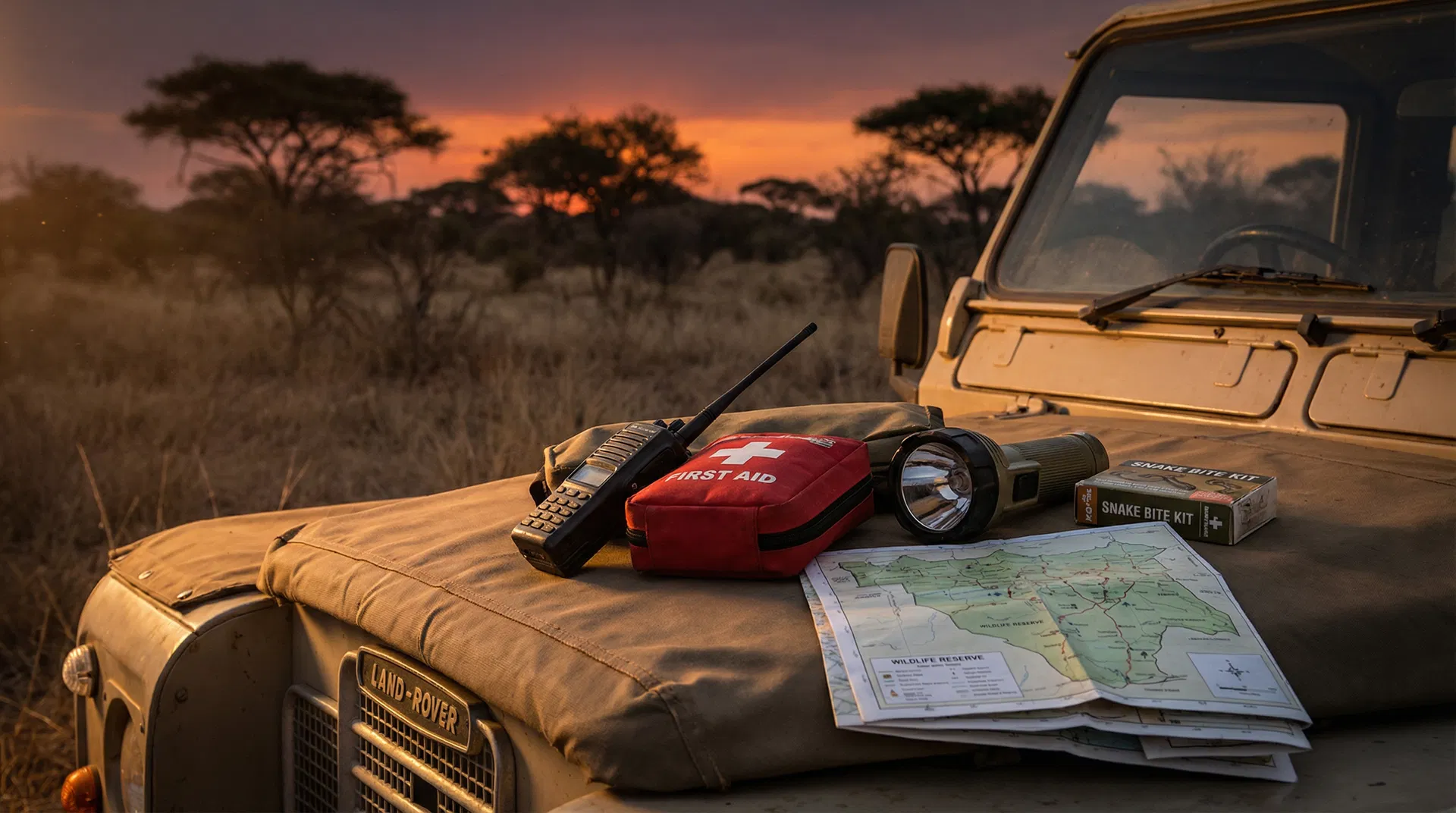 Safari Safety
Wildlife Safety on Safari
Planning an African safari? Our guide to wildlife safety provides essential tips for staying safe around wild animals, from game drives to walking safaris.
7 min readSafari Planning GuidesHow to Plan a Safari for Night Wildlife Viewing
Learn about how to plan a safari for night wildlife viewing in this comprehensive safari guide covering key insights and practical advice.
5 min read Destination Guides
Best Safari Destinations for River Wildlife
Your complete guide to Best Safari Destinations for River Wildlife. Find the best destinations, planning tips, and more for your next safari adventure.
0 min read Safari Comparison Articles
Predator-Focused Safari vs General Wildlife Safari
An in-depth comparison of Predator-Focused Safari vs General Wildlife Safari to help you choose the perfect safari experience. Explore the pros, cons, and key d
2 min read Travel Logistics
Safari Noise and Wildlife at Night
A comprehensive guide to Safari Noise and Wildlife at Night. Learn everything you need to know for your safari adventure.
3 min read