
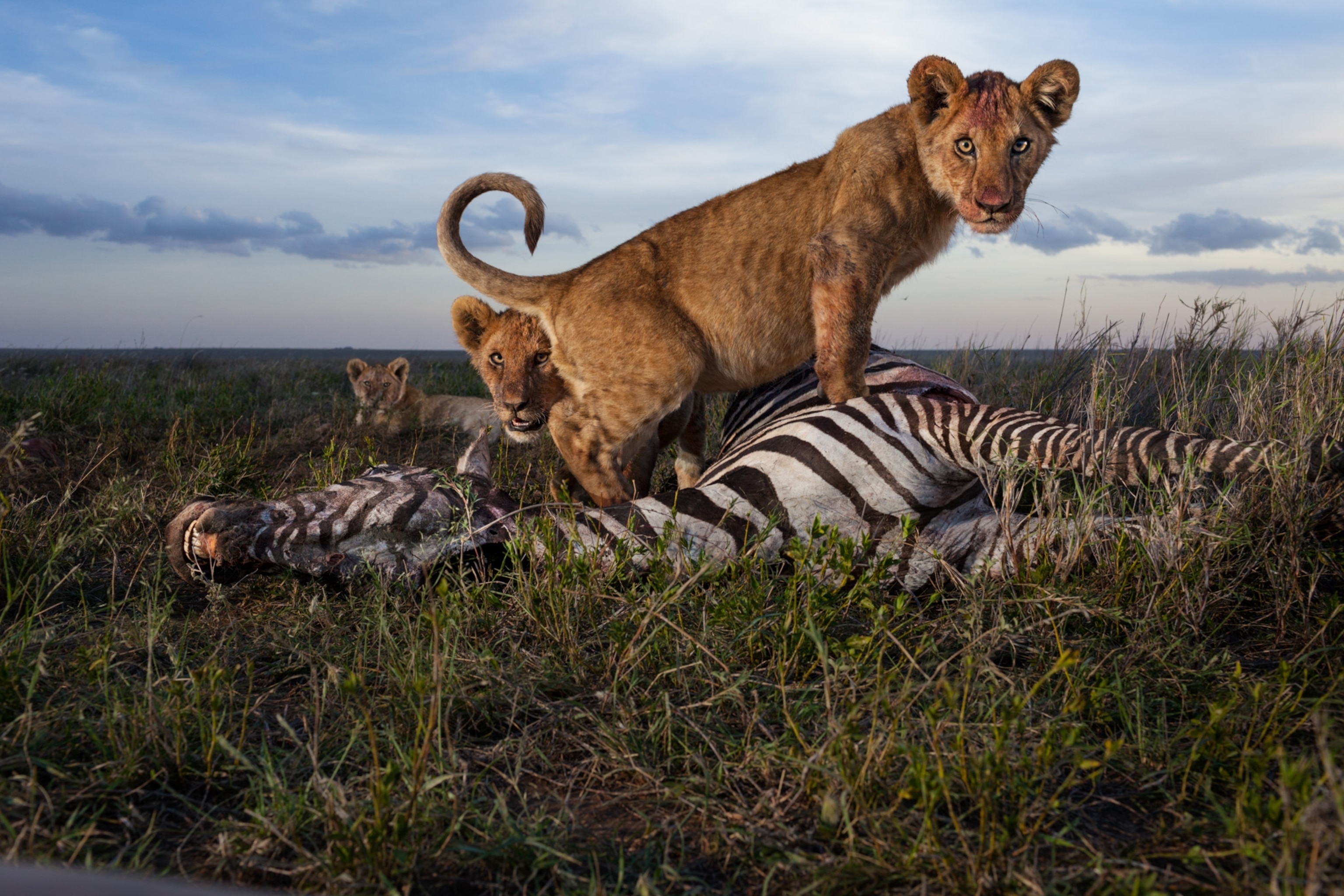
Planning an African safari? Our guide to wildlife safety provides essential tips for staying safe around wild animals, from game drives to walking safaris.
An African safari is a dream for many travelers, offering the chance to witness incredible wildlife in its natural habitat. While the experience is generally very safe, it's important to remember that you are a guest in the home of wild animals. Understanding and respecting the wildlife you encounter is crucial for both your safety and the well-being of the animals. This guide provides practical advice to ensure your safari is a safe and unforgettable adventure.
The Unseen Protectors: Your Safari Guide's Vital Role
Your safari guide is more than just a driver and a wildlife spotter; they are your most important safety asset. These highly trained professionals possess an intimate understanding of animal behavior, the local ecosystem, and how to navigate the bush safely. Their expertise is the cornerstone of a secure and enjoyable safari experience.
Trust Their Training and Experience
Safari guides in reputable destinations like Kenya, Tanzania, and South Africa undergo rigorous training and certification. This education covers not only wildlife identification and ecology but also crucial safety protocols, emergency procedures, and advanced driving skills. They learn to read the subtle cues of animal behavior, anticipating an elephant's mock charge or a lion's agitation. When your guide gives an instruction—whether it's to stay quiet, remain seated, or prepare for a hasty retreat—it is based on years of experience and a deep respect for the power of the wild. Following their lead without hesitation is the single most important safety rule on safari.
Communication is Key
Your guide is a wealth of information, and open communication will enhance both your safety and your overall experience. Don't be afraid to ask questions. If you hear a strange sound at night or feel uneasy about a particular situation, let them know. They can either put your mind at ease with a logical explanation or take necessary precautions. The more you engage with your guide, the more you will learn about the intricacies of the African bush.
Your Mobile Hide: Staying Safe in the Safari Vehicle
The safari vehicle is your safe space in the wilderness. While it may seem like a simple open-air vehicle, it provides a surprising amount of security. Most animals view the vehicle as a single, large, non-threatening entity and will generally ignore it. However, this sense of security depends on you following a few key rules.
Remain Seated and Inside the Vehicle
It is absolutely essential to stay inside the safari vehicle at all times during a game drive, unless your guide explicitly tells you it is safe to get out. Do not stand up, lean out, or dangle your arms and legs outside the vehicle. Breaking the vehicle's silhouette can startle animals and make them see you as an individual, which can be perceived as a threat. This is especially true with predators like lions and leopards, who may be tempted to investigate a sudden movement.
Keep the Noise Down
Loud noises can disturb wildlife and, in some cases, provoke a defensive reaction. Speak in a low, calm voice and avoid any sudden shouts or loud laughter. This not only ensures your safety but also improves your chances of seeing more animals. The quieter you are, the more likely you are to hear the subtle sounds of the bush—the alarm call of a bird, the rustle of a leopard in the grass, or the distant roar of a lion.
The Flash is Not Your Friend
Flash photography can be startling and disorienting to animals, especially during night drives when their eyes are adjusted to the dark. Always disable the flash on your camera and phone. Your guide will use a filtered spotlight during night drives to illuminate animals without causing them distress. Respecting their vision is a critical part of responsible wildlife viewing.
Still researching? Let us help.
Our advisory team has planned safaris across 9 African countries. We can turn your research into a real plan.
Talk to an AdvisorAt Home in the Wild: Safety at Your Safari Lodge or Camp
Safari lodges and camps are often unfenced, allowing wildlife to roam freely through the property. This creates a unique and immersive experience, but it also requires a heightened sense of awareness, especially at night.
Never Walk Alone After Dark
This is a golden rule at almost every safari camp. After sunset, you must be escorted to and from your tent or room by a guide or a member of the camp staff. Hippos, elephants, and even predators frequently wander through camps at night. Your escort is trained to spot these animals and ensure you get back to your room safely. Many rooms are equipped with radios or air horns for emergencies, but the best approach is to always have an escort.
Keep Your Tent Zipped and Doors Closed
Curious critters, from mischievous monkeys to larger mammals, may try to investigate your room if given the opportunity. Always keep your tent flaps zipped or your doors and windows closed, especially when you are not there. This simple precaution will prevent any unwanted visitors and ensure your belongings remain safe.
Mind the Little Things
While the "Big Five" get most of the attention, smaller creatures can also pose a risk if you're not careful. Scorpions and spiders sometimes seek refuge in warm, dark places, so it's a good habit to shake out your shoes and clothes before putting them on. When walking around camp, even during the day, wear closed-toe shoes to protect your feet from thorns and insects.
Beyond the Vehicle: Walking Safaris and Other Activities
Many safaris offer activities that take you out of the vehicle, such as walking safaris, gorilla trekking, and river cruises. These experiences offer a unique perspective on the African bush but come with their own set of safety guidelines.
Walking Safaris: A Lesson in Bush Etiquette
A walking safari is an incredible opportunity to connect with the wilderness on a deeper level. Led by an armed guide, you will learn to track animals, identify plants, and read the signs of the bush. Safety on a walking safari depends on following your guide's instructions to the letter. You will be taught to walk in single file, stay quiet, and never run. Running can trigger a predator's chase instinct, so standing your ground and listening to your guide is the safest course of action.
Gorilla and Chimp Trekking: Respecting Our Primate Relatives
Gorilla and chimp trekking in places like Uganda's Bwindi Impenetrable Forest or Rwanda's Volcanoes National Park are life-changing experiences. To protect these endangered primates from human diseases, you will be required to keep a safe distance (usually around 7-10 meters). You will also be instructed to avoid direct eye contact, which can be seen as a sign of aggression. If a gorilla approaches you, stay calm, crouch down, and avoid any sudden movements.
River Safaris: Beware the Water's Edge
Boat safaris on rivers like the Chobe in Botswana or the Rufiji in Tanzania offer fantastic opportunities to see hippos, crocodiles, and a variety of birdlife. However, it's crucial to remember that hippos are one of the most dangerous animals in Africa. Never get too close to the water's edge, and always follow your guide's instructions when on a boat. Keep your hands and feet inside the boat at all times.
General Wildlife Safety Tips
Beyond the specific situations mentioned above, there are a few general rules that will help you stay safe on any safari.
Dress the Part
There's a reason for the classic "safari chic" look. Neutral-colored clothing in shades of khaki, green, and brown helps you blend in with the environment and avoid startling the animals. Avoid bright colors, as well as black and white, which can attract unwanted attention from certain insects.
Never Feed the Animals
Feeding wild animals, no matter how small or seemingly harmless, is a dangerous practice. It habituates them to humans and can lead to aggressive behavior. It can also be harmful to their health. Respect the wild nature of the animals and let them find their own food.
Stay Hydrated and Healthy
One of the most common health issues on safari is dehydration. The African sun can be intense, so drink plenty of water throughout the day. This will also help you avoid stomach problems that are often mistaken for food poisoning. Be sure to also protect yourself from the sun with a hat, sunglasses, and sunscreen.
By following these guidelines and, most importantly, listening to your expert guide, you can ensure that your African safari is not only a thrilling adventure but also a safe and responsible one. Respect for the wildlife and the environment is the foundation of an unforgettable journey into the heart of Africa.
Need Expert Safari Guidance?
Get expert advisory support from a firm founded by a former safari guide — with real operational knowledge across 9 African countries and full-journey accountability.
Related Planning Guides
Explore Related Topics
Recommended Reading
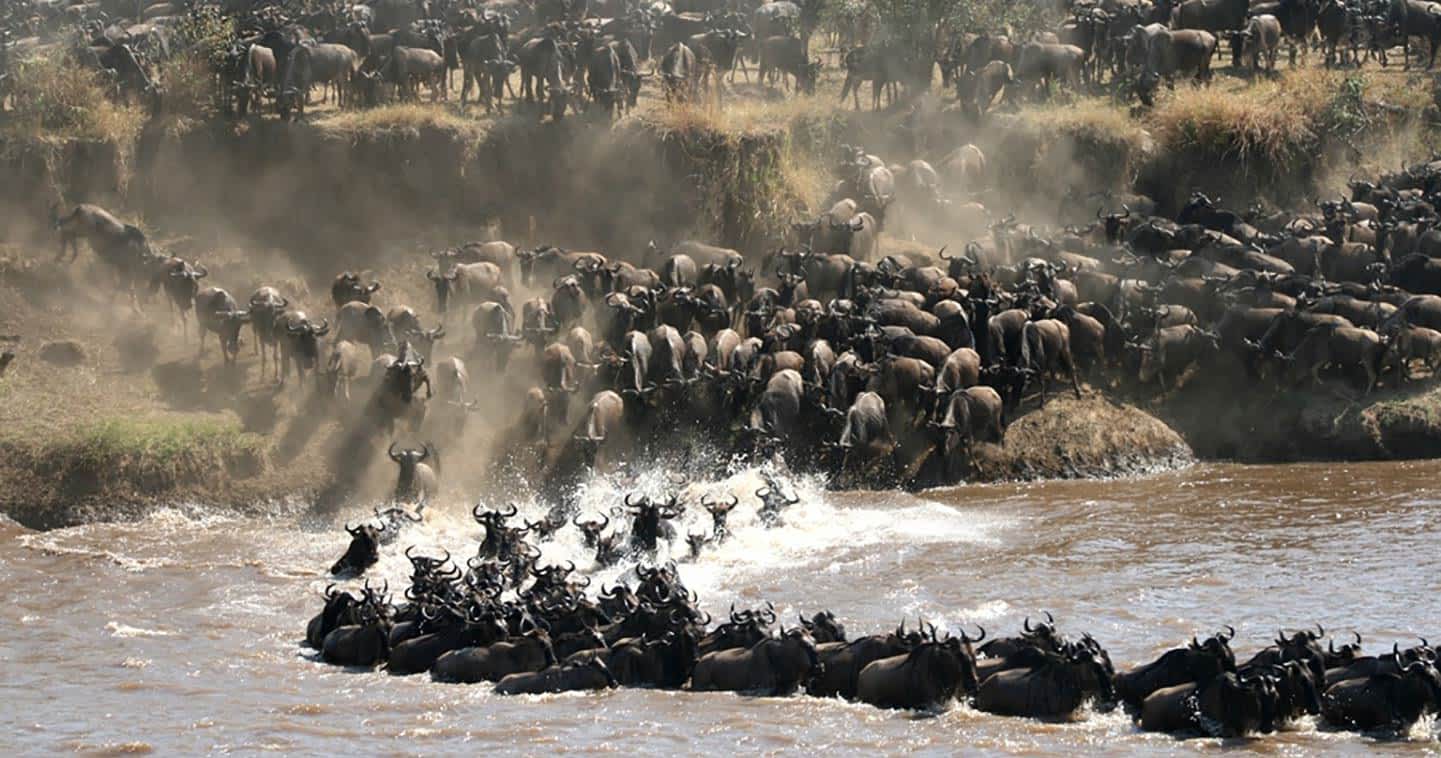 Safari Safety
Walking Safari Safety Tips
Learn how to stay safe on a walking safari with our expert tips. Discover the importance of your guide, what to wear, and how to act in the African bush.
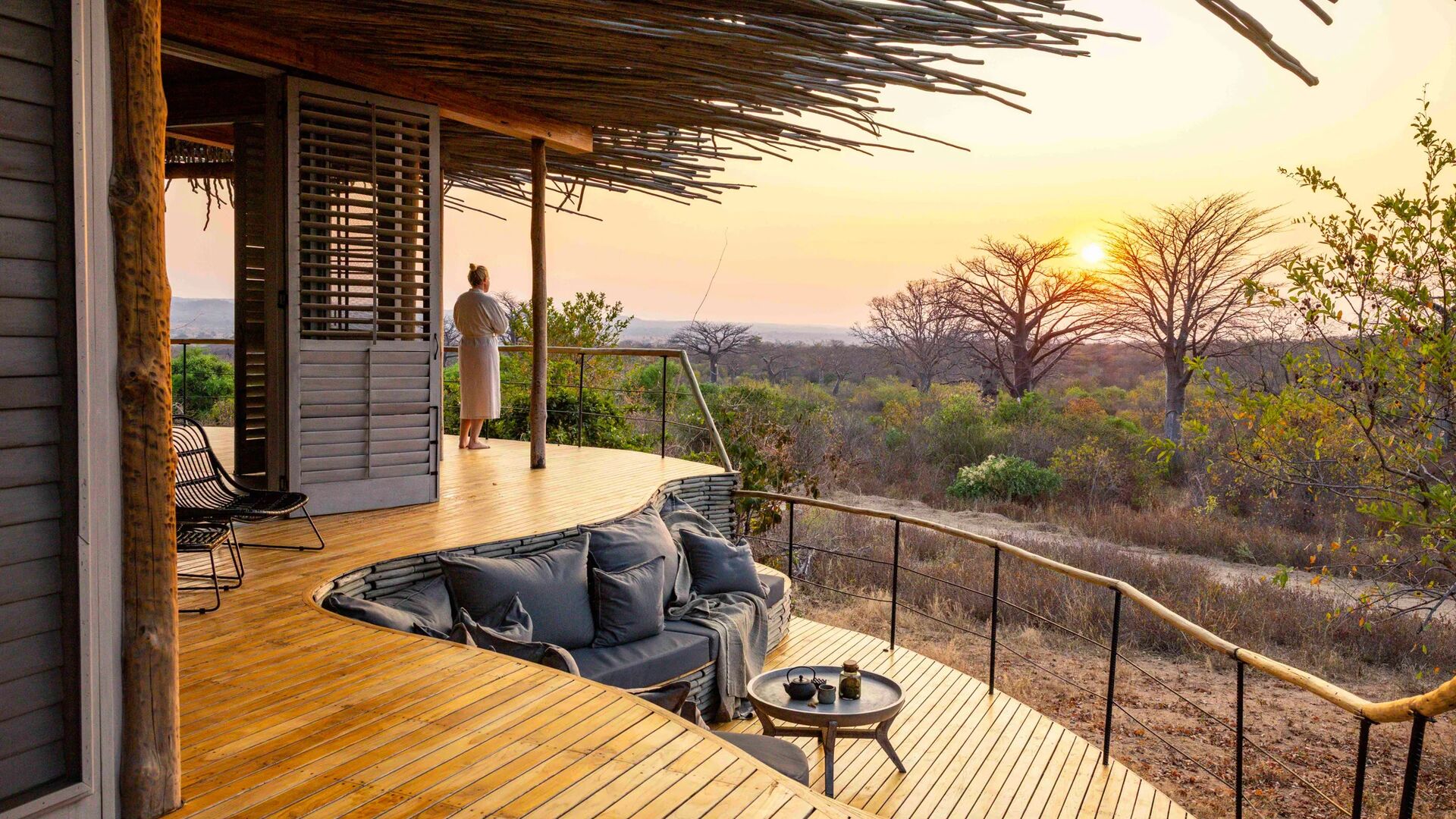 Safari Safety
Is African Safari Safe for Travelers?
Is an African safari safe? Our expert guide covers the real risks, safety measures, and practical advice to help you plan a secure and unforgettable journey.
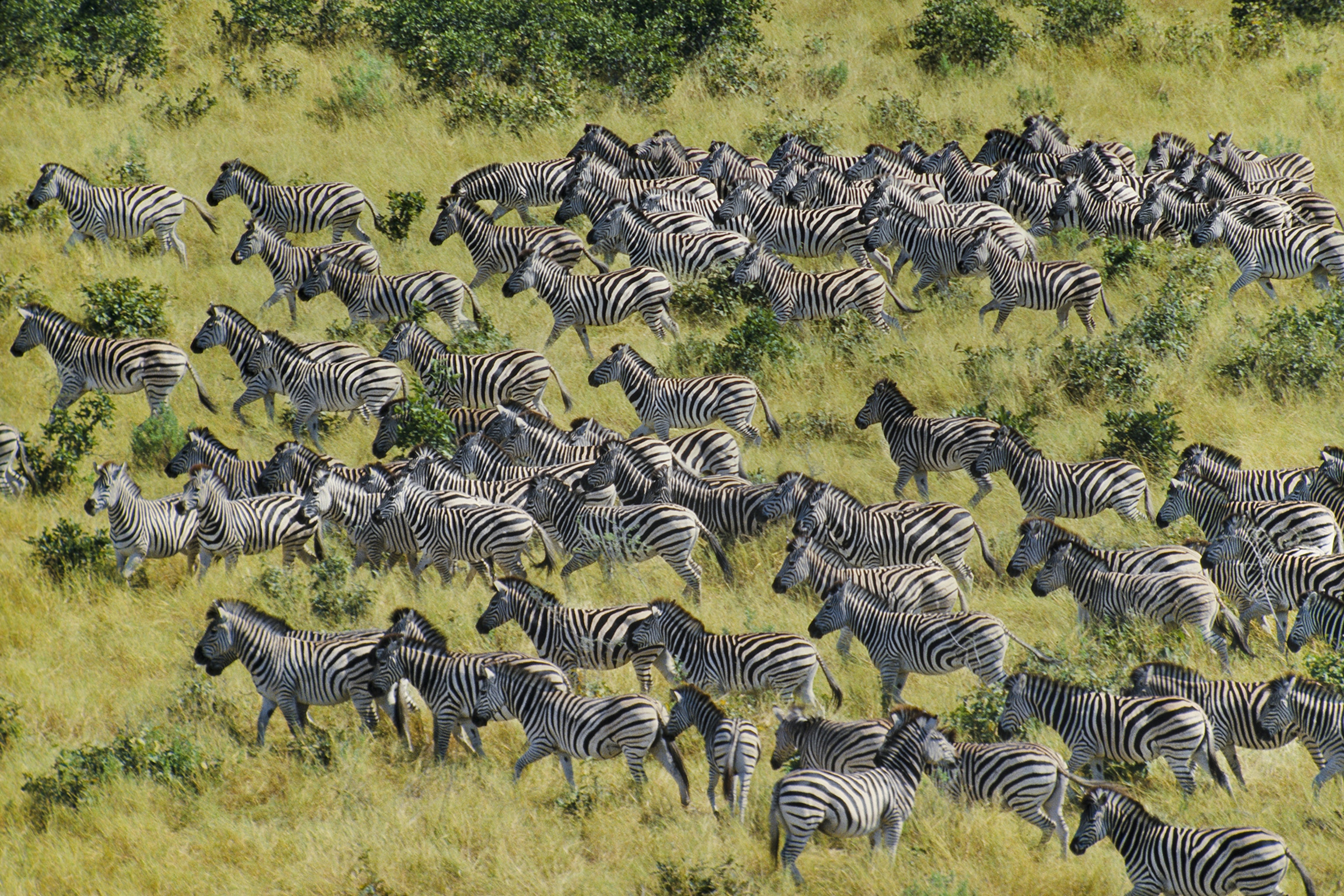 Safari Safety
Safari Safety Tips for First-Time Visitors
Planning your first African safari? Our expert guide provides essential safari safety tips for a worry-free adventure, from wildlife encounters to health advice.
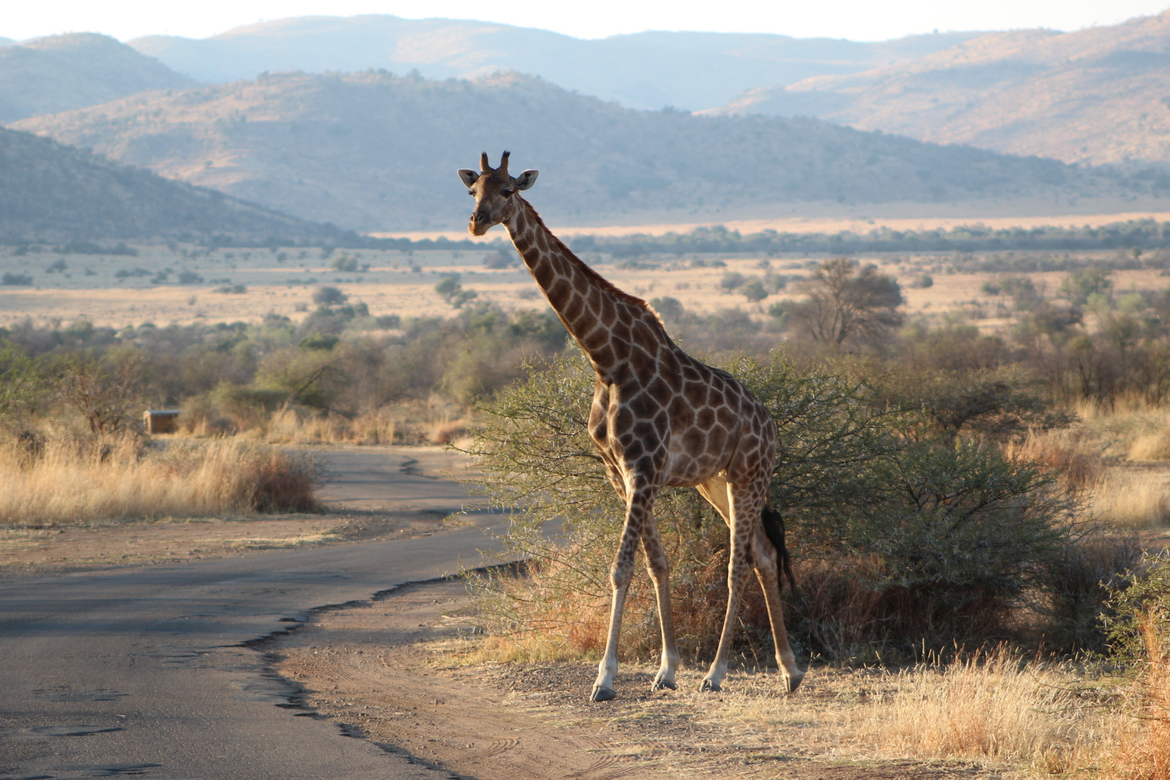 Family Safaris
Safari Safety for Children
Planning a family safari? Our expert guide covers essential safety tips for traveling with children in Africa, from health and vaccinations to game drive etiquette.
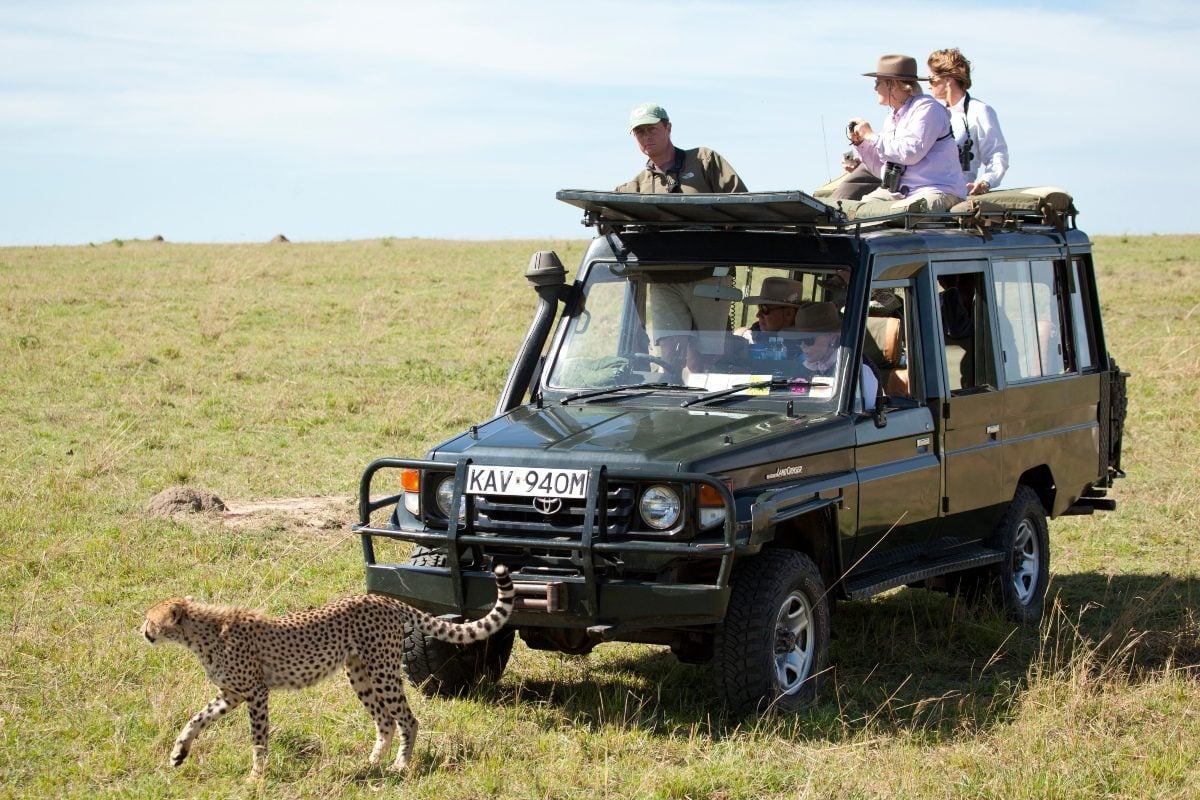 Country Guides
South Africa Safari Health and Safety Overview
A guide to staying healthy and safe on a South African safari, from malaria prevention and vaccinations to wildlife encounters and personal security.
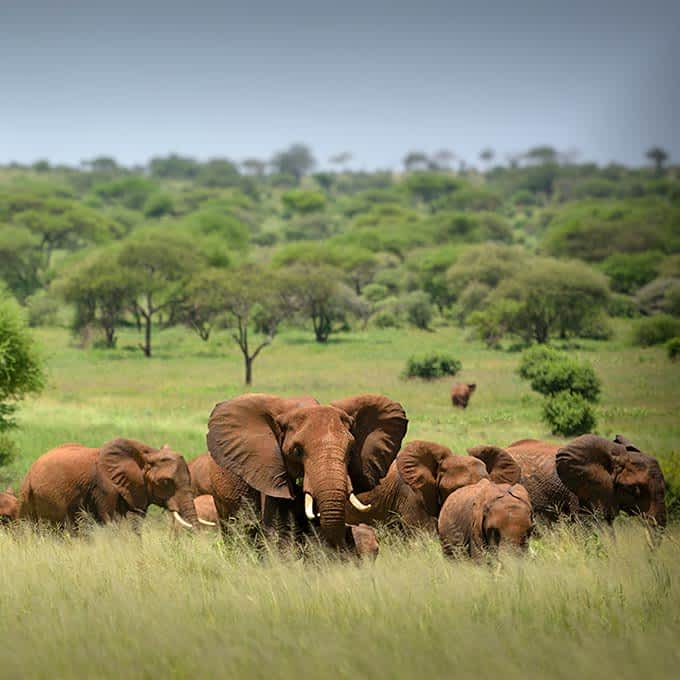 Safari Comparison Articles
Birding Safari vs Wildlife Safari
An in-depth comparison of Birding Safari vs Wildlife Safari to help you choose the perfect safari experience. Explore the pros, cons, and key differences to mak