
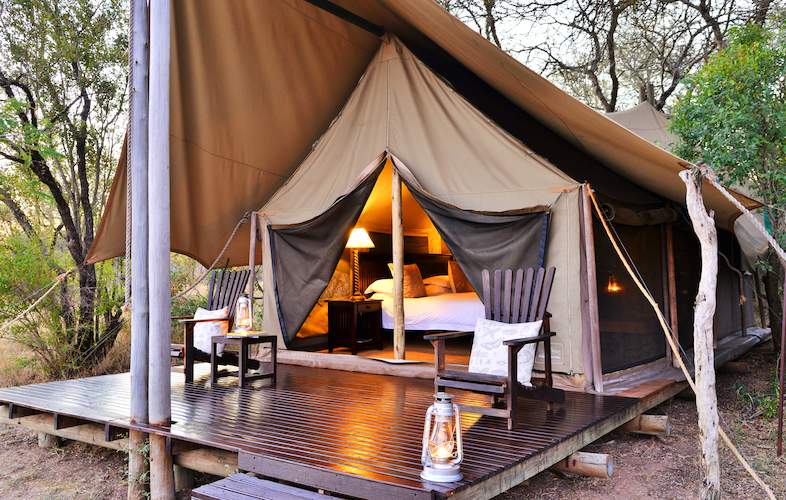
Learn about how to plan a safari for night wildlife viewing in this comprehensive safari guide covering key insights and practical advice.
Overview
Planning a safari involves many moving parts, and how to plan a safari for night wildlife viewing is one of the most important considerations. Whether you're a first-time visitor or a seasoned Africa traveler, this guide provides the practical knowledge you need to make informed decisions and create an unforgettable experience.
What You Need to Know
A deeper look at how to plan a safari for night wildlife viewing reveals important connections to other aspects of safari planning. Your choice of destination, timing, accommodation, and activities all influence each other, creating a web of decisions that benefit from expert guidance. Our knowledge center covers these interconnected topics comprehensively.
Still researching? Let us help.
Our advisory team has planned safaris across 9 African countries. We can turn your research into a real plan.
Talk to an AdvisorPractical Considerations
The practical application of how to plan a safari for night wildlife viewing extends beyond the planning phase into the safari itself. Being well-informed allows you to make better decisions in real-time, whether that means choosing the right game drive timing, understanding animal behavior, or knowing when to ask your guide for more information. Preparation and knowledge transform a good safari into an extraordinary one. Start with our planning resources for a structured approach.
Expert Perspective
The safari industry's leading voices agree that how to plan a safari for night wildlife viewing is an area where knowledge truly makes a difference. As conservation challenges evolve and tourism patterns shift, staying informed helps travelers make choices that benefit both their experience and the destinations they visit. Browse our operator directory to connect with companies that share this commitment to informed, responsible travel.
Next Steps
Whether you're in the early stages of dreaming about an African safari or actively finalizing your plans, understanding how to plan a safari for night wildlife viewing contributes to a more rewarding experience. Use the resources available on Safari Intelligence, including our cost calculator, operator directory, and destination library, to build confidence in your planning decisions.
Done Reading? Let's Build Your Safari.
Skip the guesswork. Work with an advisor who has been on the ground across East and Southern Africa.
Plan With UsUnderstanding Nocturnal Animal Behavior
As the sun sets over the African savanna, a different world awakens. While daytime safaris offer spectacular sightings of diurnal animals, the night reveals a cast of elusive and fascinating nocturnal creatures. Understanding their behavior is the first step in planning a successful night wildlife viewing experience.
Many animals are active at night to avoid the heat of the day, to evade predators, or because their primary food sources are also active after dark. Predators like lions, leopards, and hyenas often use the cover of darkness to hunt more effectively. Their keen senses, including excellent night vision and hearing, give them a significant advantage over their prey.
> Expert Insight: A lion's roar can travel up to 8 kilometers (5 miles) and is often used to communicate with other pride members and assert territorial claims, especially during the cooler nighttime hours.
Herbivores such as hippos emerge from the water at night to graze, sometimes traveling several kilometers in search of food. Other nocturnal herbivores include bushbabies, porcupines, and various species of antelope that are less commonly seen during the day.
Top Destinations for Night Safaris
While not all national parks and reserves permit night drives, several destinations across Africa are renowned for their exceptional nocturnal wildlife viewing opportunities. Choosing the right location is critical for a rewarding experience. For more information on these and other safari destinations, visit our destinations page.
South Luangwa National Park, Zambia
Often hailed as the birthplace of the walking safari, South Luangwa is also one of the best places in Africa for night drives. The park's diverse habitats, from riverine forests to open plains, support a high density of leopards, making it one of the most reliable places to spot these elusive big cats. Other nocturnal sightings may include genets, civets, and the rare Pel's fishing owl.
Sabi Sand Game Reserve, South Africa
Adjacent to the world-famous Kruger National Park, the private Sabi Sand Game Reserve is legendary for its up-close wildlife encounters, particularly with the "Big Five." Night drives in Sabi Sand are a highlight, offering excellent chances to see leopards, as well as other predators like spotted hyenas and the occasional cheetah on a late hunt. The ability for vehicles to go off-road in private reserves significantly increases the chances of tracking and viewing nocturnal animals.
Okavango Delta, Botswana
In the heart of the Kalahari Desert, the Okavango Delta is a wetland paradise that attracts a stunning variety of wildlife. Night drives in the private concessions surrounding the Moremi Game Reserve can be incredibly productive. The unique ecosystem means you might encounter species not easily found elsewhere, such as the sitatunga antelope, which is adapted to swampy environments. The delta is also a stronghold for African wild dogs, which are sometimes active at dawn and dusk.
The Night Safari Experience: What to Expect
A night drive is a multi-sensory experience. As darkness falls, the sounds of the bush change, and the air cools. You'll board a specially adapted open-sided 4x4 vehicle, typically equipped with powerful red-filtered spotlights. The red light is less intrusive to most animals, allowing for observation without disturbing their natural behavior.
Your guide will be an expert in tracking and spotting nocturnal animals, using a combination of spotlighting techniques and listening for calls and movements in the bush. A typical night drive lasts for two to three hours and often includes a stop for sundowner drinks and snacks as the sun sets.
> Traveler's Tip: Be sure to dress in warm layers. Even in hot climates, temperatures can drop significantly after dark. A warm jacket, hat, and gloves are highly recommended, especially during the winter months (June-August) in Southern Africa.
Essential Gear and Preparation for Night Viewing
To make the most of your night safari, it's important to come prepared. Here are a few essential items to bring along:
- Warm Clothing: As mentioned, temperatures can be surprisingly cold at night.
- Binoculars: A good pair of binoculars is essential for getting a closer look at animals spotted from a distance.
- Camera with Good Low-Light Performance: Capturing quality images at night is challenging, but a camera with a high ISO capability and a fast lens will give you the best results.
- Headlamp or Small Flashlight: Useful for finding your way around the vehicle and your lodge at night.
Photography Tips for Nocturnal Wildlife
Photographing wildlife at night presents a unique set of challenges. Here are a few tips to help you get the shot:
- Use a High ISO: Don't be afraid to increase your camera's ISO setting to let in more light. Modern cameras handle high ISOs better than ever before.
- Use a Fast Lens: A lens with a wide aperture (e.g., f/2.8 or lower) will allow more light to reach the sensor, resulting in cleaner images.
- Embrace the Spotlight: The guide's spotlight will be your primary light source. Work with it, and don't be afraid to ask the guide to adjust the light if possible.
- Don't Use a Flash: Onboard camera flashes are generally not powerful enough and can be very disturbing to the animals. It's best to avoid them altogether.
Conservation and Ethical Considerations
Responsible tourism is at the core of a meaningful safari experience. When participating in a night drive, it's important to choose operators who prioritize the welfare of the animals. Ethical guides will use red-filtered lights, maintain a respectful distance from the wildlife, and never pressure an animal for a better view.
By choosing to go on safari with a reputable operator, you are not only ensuring a better experience for yourself but also contributing to the conservation of these incredible ecosystems. To learn more about planning an ethical and responsible safari, connect with one of our safari operators or explore our knowledge center.
Ready to start planning your own African adventure? Use our cost calculator to get an idea of what your dream safari might cost, and then let us help you plan your safari.
Need Expert Safari Guidance?
Get expert advisory support from a firm founded by a former safari guide — with real operational knowledge across 9 African countries and full-journey accountability.
Related Planning Guides
Recommended Reading
 Safari Planning Guides
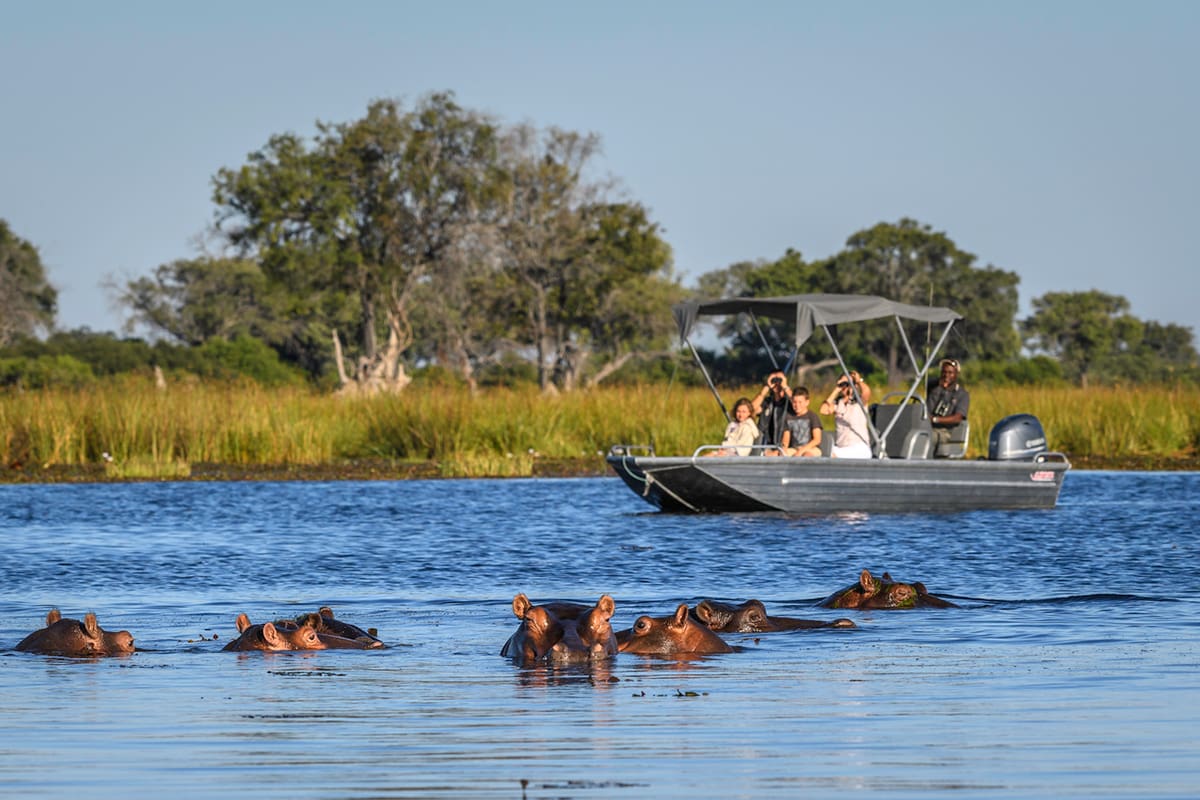
How to Plan a Safari With Night Drives
Discover how to plan your dream safari with our expert guide on How to Plan a Safari With Night Drives. Get tips on destinations, costs, and more.
 Safari Planning Guides
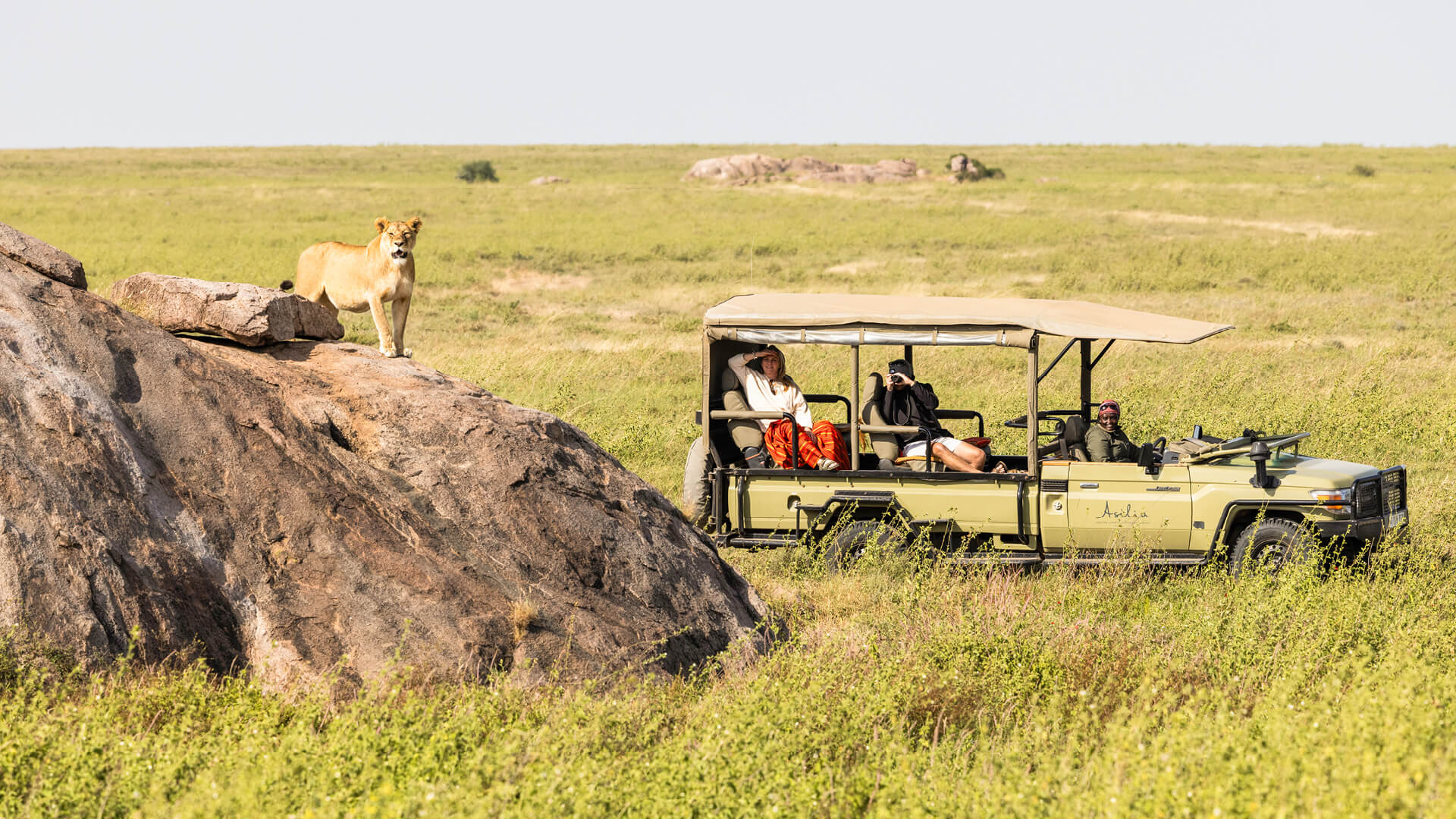
How to Plan a Safari for Wildlife Research
Discover how to plan your dream safari with our expert guide on How to Plan a Safari for Wildlife Research. Get tips on destinations, costs, and more.
 Safari Planning Guides
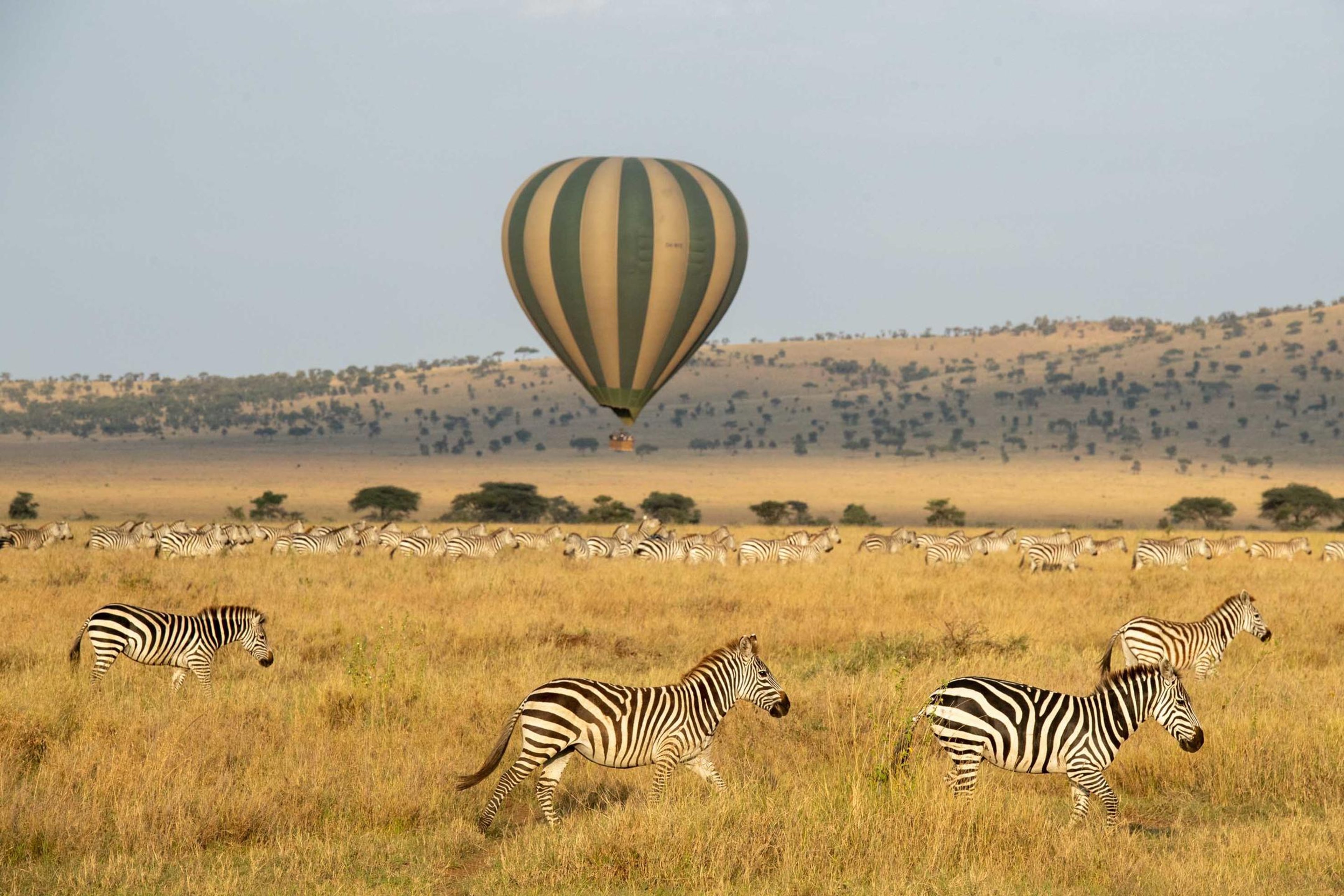
How to Plan a Safari for Wildlife Photography Beginners
Learn about how to plan a safari for wildlife photography beginners in this comprehensive safari guide covering key insights and practical advice.
 Season & Timing Guides
How Rainfall Affects Safari Wildlife Viewing
Learn how rainfall patterns influence wildlife behavior and distribution, and what it means for your safari game viewing experience in Africa.
 Travel Logistics
Safari Noise and Wildlife at Night
A comprehensive guide to Safari Noise and Wildlife at Night. Learn everything you need to know for your safari adventure.
Destination GuidesBest Safari Destinations for Wild Dog Viewing
Your complete guide to Best Safari Destinations for Wild Dog Viewing. Find the best destinations, planning tips, and more for your next safari adventure.