
A comprehensive guide to Safari Noise and Wildlife at Night. Learn everything you need to know for your safari adventure.
Safari Noise and Wildlife at Night
Planning a safari involves many important decisions, and understanding safari noise and wildlife at night is one of the most critical. This comprehensive guide draws on years of field experience to help you navigate this aspect of safari travel with confidence.
Practical Planning Steps
Step three is creating a detailed plan that accounts for all aspects of safari noise and wildlife at night. This should include timelines, budgets, backup options, and contingency plans. The most successful safari travelers are those who plan thoroughly while remaining flexible enough to adapt to changing conditions.
Step one in addressing safari noise and wildlife at night is to clearly define your priorities and expectations. Are you focused on specific wildlife sightings, cultural experiences, photography opportunities, or a combination? Your answer will shape every subsequent decision.
Still researching? Let us help.
Our advisory team has planned safaris across 9 African countries. We can turn your research into a real plan.
Talk to an AdvisorCommon Mistakes to Avoid: Safari Noise and Wildlife at Night
Underestimating the importance of safari noise and wildlife at night is perhaps the biggest mistake of all. Travelers who give this aspect of their safari proper attention consistently report more satisfying experiences than those who treat it as an afterthought.
One of the most frequent mistakes travelers make with safari noise and wildlife at night is waiting too long to start planning. Popular safari destinations and lodges book up months in advance, especially during peak season. Last-minute planning often results in limited options and higher costs.
Understanding the Fundamentals: Safari Noise and Wildlife at Night
The foundation of safari noise and wildlife at night begins with understanding the basic principles. Safari environments across Africa present unique conditions that differ significantly from what most travelers are accustomed to. In East Africa, the vast savannas of Kenya and Tanzania create one set of considerations, while the dense forests of Uganda and Rwanda present entirely different challenges. Southern African destinations like Botswana and South Africa add yet another dimension.
Experienced safari operators emphasize that preparation is the single most important factor in safari noise and wildlife at night. This means doing your research well in advance, consulting with knowledgeable advisors, and being willing to adapt your plans based on current conditions. The best safari experiences come from travelers who approach their journey with both enthusiasm and informed flexibility.
Expert Recommendations: Safari Noise and Wildlife at Night
Safari advisors consistently recommend starting your planning process at least six to twelve months before your intended travel dates. This lead time allows you to secure preferred accommodations, take advantage of early booking rates, and properly prepare for all aspects of safari noise and wildlife at night.
Budget considerations play an important role in safari noise and wildlife at night. While it is tempting to cut corners, experienced travelers consistently report that investing in quality where it matters most leads to significantly better outcomes. The key is knowing where to allocate your budget for maximum impact.
Done Reading? Let's Build Your Safari.
Skip the guesswork. Work with an advisor who has been on the ground across East and Southern Africa.
Plan With UsThe Symphony of the African Night
As darkness descends upon the savanna, a completely new world awakens, and the air fills with a complex symphony of sounds. The gentle, chirping chorus of crickets and frogs provides a constant backdrop, a sound that becomes synonymous with the African bush after dark. From your lodge or tent, you might hear the distinctive, whooping call of a hyena, a sound that can travel for several kilometers and often signals a nearby kill or a clan on the move. In areas near rivers and waterholes, like the banks of the Luangwa River in Zambia or the Kazinga Channel in Uganda, the deep, grunting chortle of hippos provides a constant, rumbling bass note to the nocturnal orchestra. These seemingly gentle giants are most active at night, and their vocalizations are a key part of the nighttime soundscape.
Nocturnal Predators on the Prowl
Many of Africa’s most iconic predators use the cover of darkness to their advantage. The most sought-after sound on safari is often the deep, resonant roar of a lion, a territorial call that can reverberate through the plains and is a powerful reminder of the wildness that surrounds you. Hearing a lion roar from the safety of your camp is a primal and unforgettable experience. Another thrilling, yet more elusive, sound is the leopard's call—a rough, sawing rasp that sounds remarkably like a handsaw cutting through wood. Leopards are notoriously secretive, and hearing their distinctive call often means one is moving nearby, perhaps on a hunt or marking its territory. In places like the Sabi Sands in South Africa or the Maasai Mara in Kenya, which have high leopard densities, the chances of hearing this unique vocalization are significantly higher.
The Thrill of a Night Game Drive
For those seeking a more immersive experience, a night game drive is an essential activity. These drives are typically conducted in private conservancies or specific national parks where regulations permit after-dark excursions, such as Zambia's South Luangwa National Park or private reserves bordering the Serengeti. Accompanied by a guide with a powerful spotlight, you venture out into the darkness to find the creatures of the night. The spotlight can pick out the reflective eyes of nocturnal animals, revealing a world hidden from daytime view. You might encounter a genet, a small, spotted cat-like creature, foraging in the undergrowth, or a bushbaby with its enormous eyes leaping between branches. The ultimate prize on a night drive is often a sighting of a leopard on the hunt or a pride of lions on the move, their golden eyes glowing in the beam of the light. These drives offer a completely different perspective on the bush and are a must for any serious safari enthusiast.
Related Resources
For more information on planning your safari, explore our destination guides, browse the safari operator directory, or connect with an experienced safari planning guide for personalized guidance.
Premier Destinations for Nocturnal Safaris
While many national parks across Africa enforce strict rules that require vehicles to return to camp by sunset, several premier destinations have become renowned for their exceptional night game drives. These are typically found in private conservancies or in national parks with more progressive regulations, offering a unique and thrilling opportunity to witness the bush come alive after dark. Understanding where to go is key to incorporating this unforgettable experience into your safari itinerary.
South Luangwa National Park, Zambia: Often hailed as the birthplace of the walking safari, South Luangwa is also arguably the best place in Africa for night drives. The park's longstanding regulations permitting after-dark excursions mean that local guides are exceptionally skilled at tracking nocturnal animals. Lodges such as Tena Tena Camp and Puku Ridge are famous for their night drives, where leopard sightings are common. The Luangwa Valley is also home to a variety of other nighttime creatures, including genets, civets, porcupines, and honey badgers. Park fees are typically around $25 USD per person per day, and night drives are usually included in the all-inclusive rates of lodges, which can range from $600 to over $1,500 per person per night.
Sabi Sand Game Reserve, South Africa: Adjacent to the vast Kruger National Park, the private Sabi Sand Game Reserve is legendary for its high density of predators, especially leopards. As a private reserve, the lodges here, such as Singita Boulders Lodge and Londolozi, have the flexibility to conduct off-road driving and night game drives, leading to incredibly intimate wildlife encounters. The chances of seeing a leopard on a night drive in the Sabi Sand are exceptionally high. You might also encounter spotted hyenas on the prowl or a pride of lions beginning their nightly hunt. The experience is exclusive and comes with a premium price tag, with top-tier lodges often exceeding $2,000 USD per person per night.
Comparing Top Nocturnal Safari Experiences
To help you decide which destination best fits your safari goals, here is a comparison of the top locations for night drives. This table highlights the key differences in environment, likely sightings, and overall experience.
| Feature | South Luangwa, Zambia | Sabi Sand, South Africa | Mana Pools, Zimbabwe (Canoe) | | --------------------- | ------------------------------------------------------ | ----------------------------------------------------- | ----------------------------------------------------- | | Primary Activity | Vehicle-based night game drives | Vehicle-based night game drives | Nighttime canoe safaris & walking | | Key Nocturnal Wildlife | Leopard, genet, civet, hippo, owls, honey badger | Leopard, lion, hyena, bushbaby, chameleon | Hippo, crocodile, elephant, buffalo (by moonlight) | | Environment | Riverine forests, open woodlands, and grassy plains | Dense bushveld, riverine thickets, and open savanna | Zambezi River, floodplains, and acacia woodlands | | Exclusivity & Cost| Mid-range to luxury ($600 - $1,500+ pp/night) | High-end luxury ($1,500 - $3,000+ pp/night) | Mid-range to luxury ($700 - $1,800+ pp/night) | | Best For | Classic night drives with high leopard probability | Unrivaled luxury and close-up big cat encounters | Adventurous travelers seeking a unique water-based view |
Ultimately, the choice of where to experience the African night depends on your personal travel style and priorities. Whether you choose the classic game drives of South Luangwa, the luxurious intimacy of the Sabi Sand, or the adventurous spirit of a canoe safari in Mana Pools, a nocturnal adventure is sure to be a highlight of your journey. To plan the perfect safari that includes these unique experiences, connect with one of our expert safari operators.
Need Expert Safari Guidance?
Get expert advisory support from a firm founded by a former safari guide — with real operational knowledge across 9 African countries and full-journey accountability.
Related Planning Guides
Recommended Reading
 Safari Planning Guides
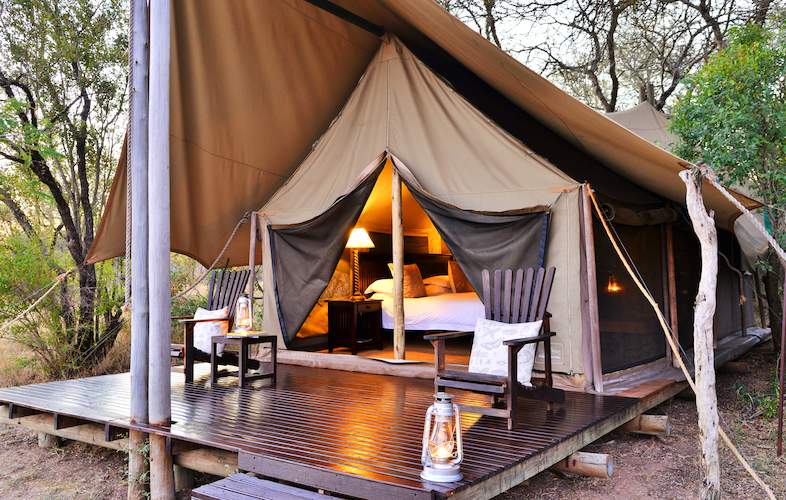
How to Plan a Safari for Night Wildlife Viewing
Learn about how to plan a safari for night wildlife viewing in this comprehensive safari guide covering key insights and practical advice.
 Travel Logistics
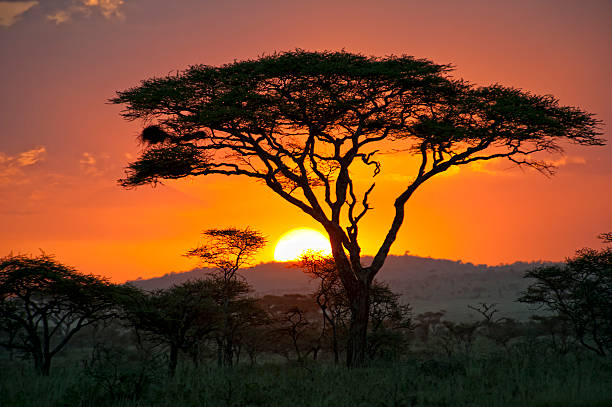
Safari Cold Night Temperature Preparation
A comprehensive guide to Safari Cold Night Temperature Preparation. Learn everything you need to know for your safari adventure.
 Safari Comparison Articles
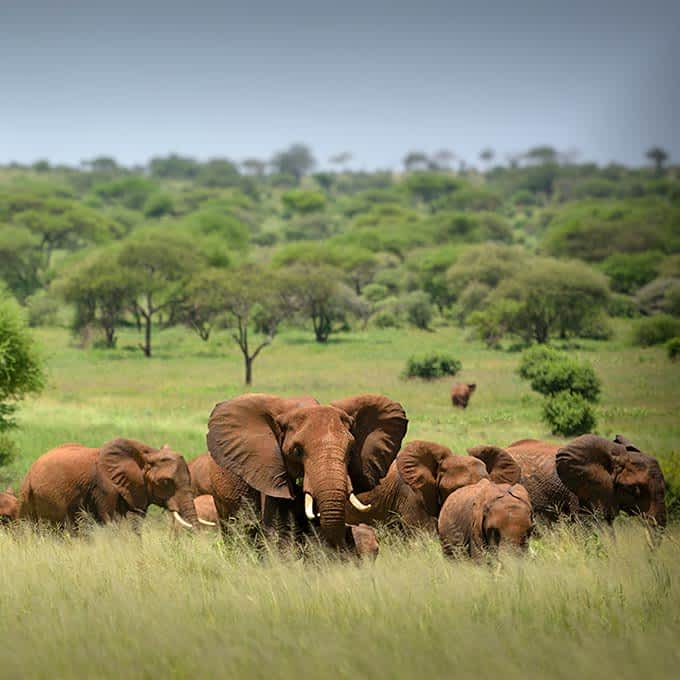
Birding Safari vs Wildlife Safari
An in-depth comparison of Birding Safari vs Wildlife Safari to help you choose the perfect safari experience. Explore the pros, cons, and key differences to mak
 Safari Comparison Articles
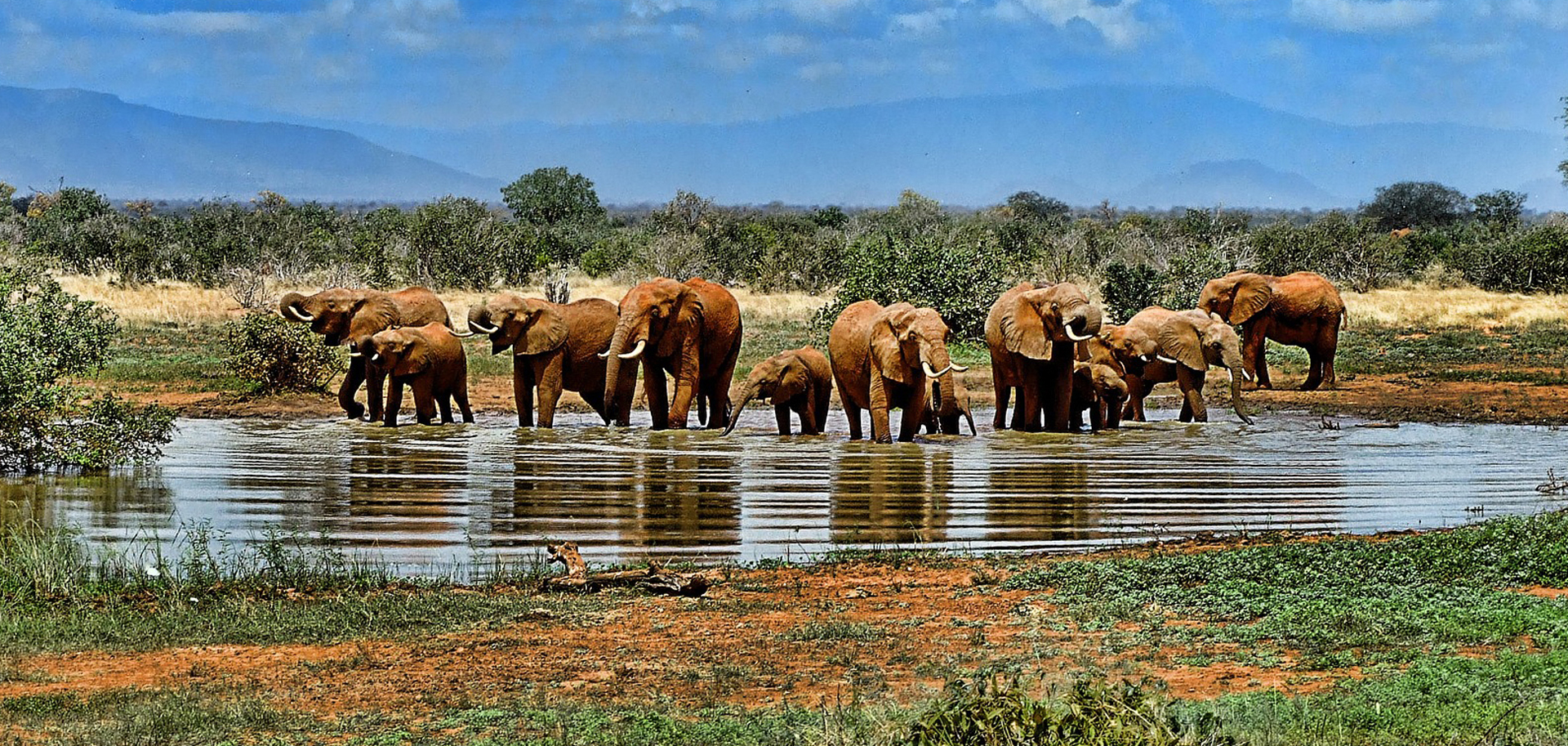
Cultural Safari vs Wildlife Safari
An in-depth comparison of Cultural Safari vs Wildlife Safari to help you choose the perfect safari experience. Explore the pros, cons, and key differences to ma
 Safari Comparison Articles
Night Safari vs Day Safari Comparison
An in-depth comparison of Night Safari vs Day Safari Comparison to help you choose the perfect safari experience. Explore the pros, cons, and key differences to
 Safari Safety
Wildlife Safety on Safari
Planning an African safari? Our guide to wildlife safety provides essential tips for staying safe around wild animals, from game drives to walking safaris.