
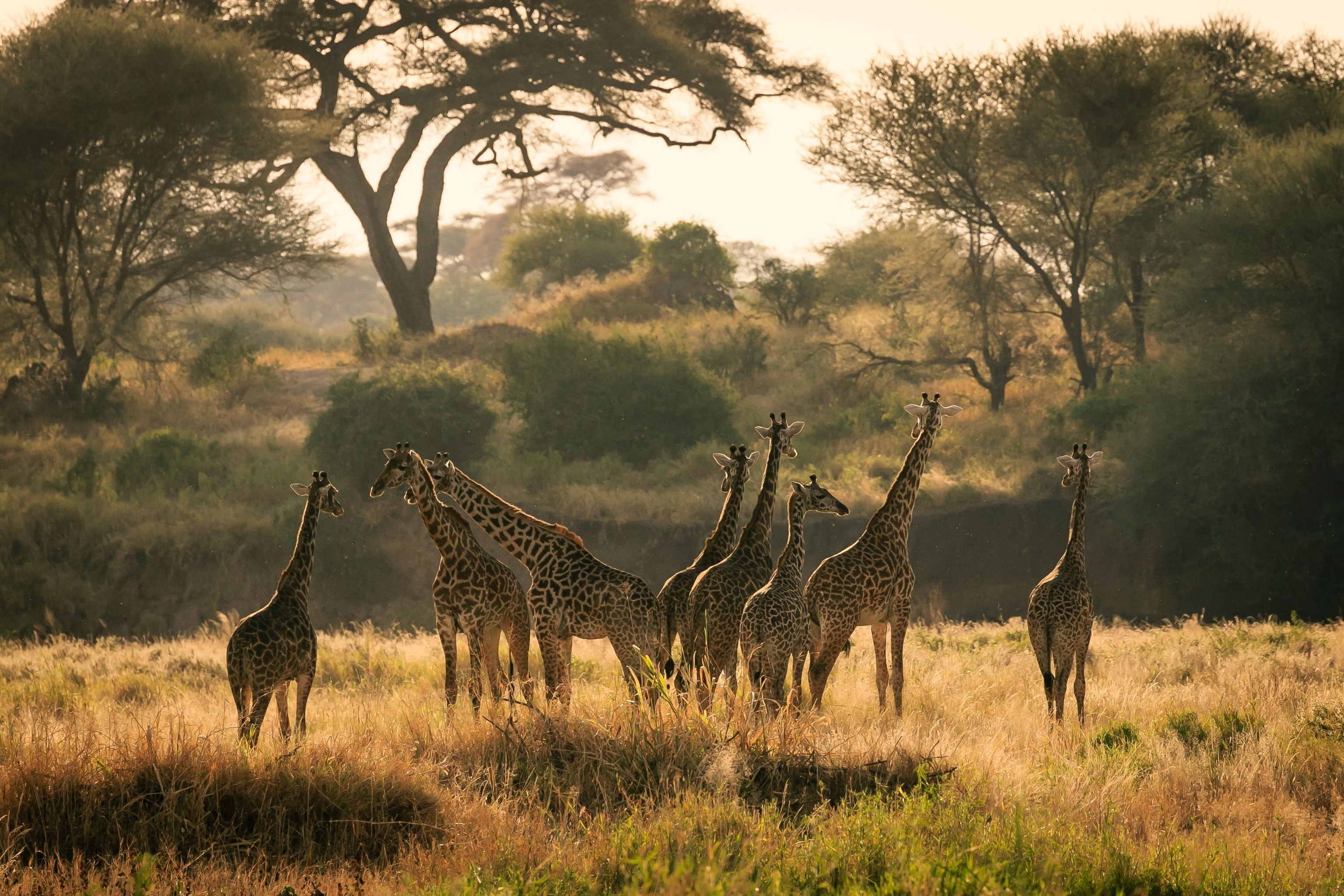
Planning a safari? Our guide to health precautions for safari travelers covers vaccinations, malaria prevention, and food safety for a safe African adventure.
'''Traveling to Africa for a safari is an adventure of a lifetime, but it requires careful health and safety planning. From vaccinations to malaria prevention and food and water safety, understanding the health risks and taking the right precautions is essential for a safe and enjoyable trip. This guide provides a comprehensive overview of the key health considerations for safari travelers, helping you prepare for your journey with confidence. Being well-prepared not only protects your health but also allows you to fully immerse yourself in the incredible wildlife and landscapes of Africa. This article will walk you through the necessary steps to ensure your safari is both memorable and healthy. ## Pre-Travel Health Preparations A successful safari starts with proactive health measures taken well before you depart. Consulting with a travel medicine specialist is the most critical first step in your health planning. ### Visit a Travel Medicine Clinic Schedule an appointment with a travel medicine clinic or your primary care physician at least 4-6 weeks before your departure. This consultation is crucial for several reasons: - Personalized Health Assessment: The doctor will review your medical history, current health status, and specific travel itinerary to provide tailored advice. - Vaccination Recommendations: You will receive guidance on required and recommended vaccinations based on your destinations. - Prescriptions: The doctor can prescribe necessary medications, such as anti-malarial drugs, antibiotics for traveler's diarrhea, and any other personal medications you may need. ### Routine Vaccinations Ensure your routine vaccinations are up to date. These include measles-mumps-rubella (MMR), diphtheria-tetanus-pertussis, varicella (chickenpox), polio, and your yearly flu shot. While not specific to safari travel, these diseases can be present in any destination. ### Required and Recommended Vaccinations for Africa Certain vaccinations are either required for entry into specific African countries or highly recommended for your protection. #### Yellow Fever Yellow Fever is a mosquito-borne illness present in many parts of sub-Saharan Africa. Some countries, like Tanzania and Uganda, require proof of yellow fever vaccination for entry, especially if you are arriving from a country with a risk of yellow fever transmission. You will be given a "yellow card" (International Certificate of Vaccination or Prophylaxis) as proof of vaccination, which you must carry with you. #### Other Recommended Vaccinations - Hepatitis A and B: These viral infections affect the liver and are transmitted through contaminated food and water (Hepatitis A) or bodily fluids (Hepatitis B). Vaccination is highly recommended for most travelers. - Typhoid: This bacterial infection is spread through contaminated food and water. The vaccine is available in oral and injectable forms. - Tetanus: A booster is recommended every 10 years. If you sustain an injury while on safari, being up-to-date on your tetanus shot is important. - Rabies: While the risk to most safari travelers is low, the rabies vaccine may be recommended if you plan to spend a lot of time outdoors, especially in rural areas, or if you will be in close contact with animals. ## Malaria Prevention and Mosquito-Borne Illnesses Malaria is a serious and sometimes fatal disease transmitted by the bite of an infected female Anopheles mosquito. It is a significant health risk in many safari destinations, and prevention is paramount. ### Understanding the Risk Malaria risk varies by country, region, and even season. High-risk areas include much of sub-Saharan Africa, including popular safari destinations like the Maasai Mara in Kenya, the Serengeti in Tanzania, and Kruger National Park in South Africa. Your travel doctor will help you assess the specific risk for your itinerary. ### Anti-Malarial Medication There are several effective anti-malarial medications (prophylaxis) available by prescription. The most common options include: - Atovaquone/Proguanil (Malarone): Taken daily, starting 1-2 days before entering a malaria-risk area and continuing for 7 days after leaving. It has fewer side effects than other options. - Doxycycline: A daily pill that is also an antibiotic. It is a good option for last-minute travelers as it can be started 1-2 days before travel. It can increase sun sensitivity, so diligent sun protection is essential. - Mefloquine: A weekly pill, but it is less commonly prescribed now due to potential neuropsychiatric side effects. Your doctor will help you choose the best medication based on your health history and travel plans. It is crucial to take the medication exactly as prescribed. ### Preventing Mosquito Bites In addition to medication, preventing mosquito bites is a critical part of malaria prevention. Mosquitoes that transmit malaria are most active from dusk to dawn. - Use Insect Repellent: Apply an effective insect repellent containing DEET (20-30%), picaridin, or oil of lemon eucalyptus on all exposed skin. - Wear Protective Clothing: In the evenings, wear long-sleeved shirts, long pants, socks, and shoes to minimize exposed skin. Light-colored clothing is less attractive to mosquitoes. - Sleep Under a Mosquito Net: Most reputable safari lodges and camps provide mosquito nets over the beds. Ensure the net is tucked in securely and has no holes. ## Food and Water Safety Contaminated food and water can cause traveler's diarrhea and other gastrointestinal illnesses, which can quickly ruin a safari experience. Following basic safety guidelines is the best way to stay healthy. ### Water Safety - Drink Bottled or Purified Water: Never drink tap water. Stick to bottled, boiled, or filtered water. Most safari lodges provide safe drinking water for their guests. - Avoid Ice: Unless you are certain the ice is made from purified water, it is best to avoid it in your drinks. - Use Safe Water for Brushing Teeth: Use bottled or purified water to brush your teeth to avoid accidentally ingesting contaminated water. ### Food Safety - Eat at Reputable Lodges and Restaurants: Safari lodges and established restaurants generally maintain high standards of food hygiene. - Be Cautious with Street Food: While it can be a great cultural experience, be selective about street food. Choose vendors that are busy and where you can see the food being cooked fresh. - Choose Cooked Foods: Hot, freshly cooked food is generally safer than raw or lukewarm dishes. - Peel Fruits and Vegetables: Eat fruits and vegetables that you can peel yourself, such as bananas and oranges. Avoid salads and other raw produce that may have been washed in contaminated water. ## Sun and Heat Protection The African sun can be intensely strong, especially in equatorial regions. Sunburn and heat-related illnesses are common but preventable. ### Sun Protection - Use High-SPF Sunscreen: Apply a broad-spectrum sunscreen with an SPF of 30 or higher to all exposed skin. Reapply every two hours, and more often if you are swimming or sweating. - Wear a Wide-Brimmed Hat: A hat provides essential protection for your face, neck, and ears. - Wear Sunglasses: Protect your eyes from harmful UV rays with sunglasses that offer 100% UVA and UVB protection. ### Staying Hydrated - Drink Plenty of Water: Dehydration is a serious risk in hot climates. Drink more water than you think you need, even if you don't feel thirsty. Most safari vehicles will have water available. - Limit Alcohol and Caffeine: Both can contribute to dehydration. ## First Aid and Medical Kit While your safari operator will have a first-aid kit, it is wise to carry a personal medical kit with essentials tailored to your needs. ### Basic First-Aid Supplies - Adhesive bandages, gauze, and tape - Antiseptic wipes - Blister treatment - Pain relievers (e.g., ibuprofen or acetaminophen) - Antihistamine for allergic reactions - Hydrocortisone cream for insect bites or skin irritation ### Prescription and Personal Medications - Your anti-malarial medication - Antibiotics for traveler's diarrhea (prescribed by your doctor) - Any personal prescription medications you take regularly (bring enough for the entire trip, plus extra in case of delays) - Motion sickness medication if you are prone to it, especially for small bush flights. By taking these health precautions seriously, you can focus on what you came for: the incredible wildlife, stunning landscapes, and unforgettable experiences of an African safari. A little preparation goes a long way in ensuring your adventure is safe, healthy, and everything you dreamed it would be.'''
Need Expert Safari Guidance?
Get expert advisory support from a firm founded by a former safari guide — with real operational knowledge across 9 African countries and full-journey accountability.
Related Planning Guides
Explore Related Topics
Recommended Reading
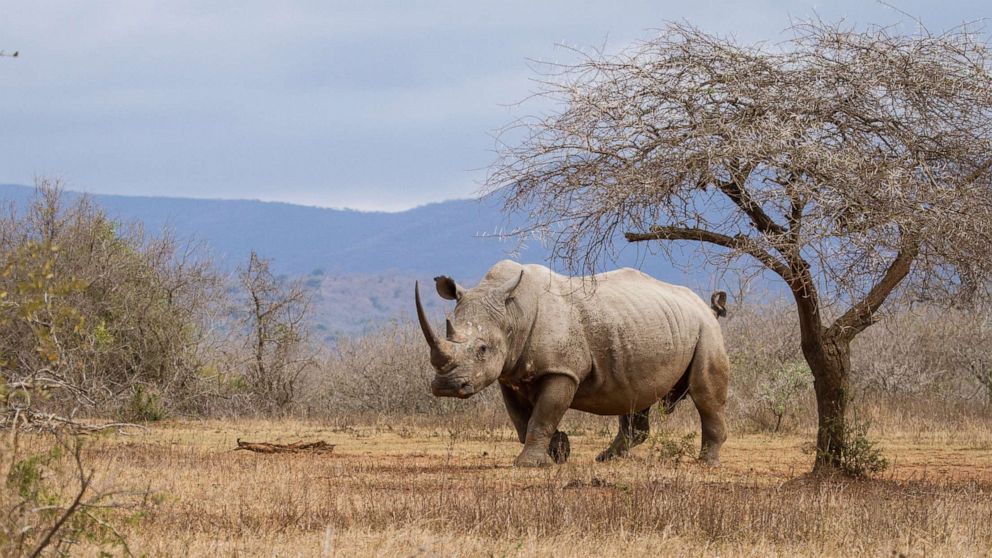 Safari Travel Tips
Travel Health Tips for Safari
Planning a safari? Our expert guide to travel health covers essential vaccinations, malaria prevention, and food safety tips to ensure a safe and healthy adventure.
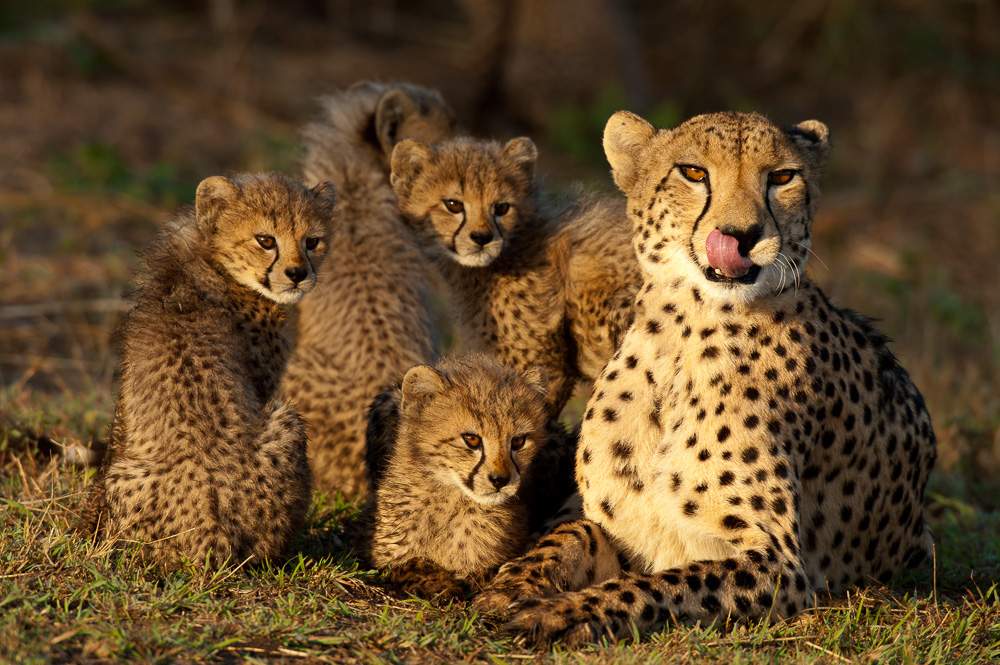 Safari Planning
Vaccinations Needed for African Safari Travel
Learn about the required and recommended vaccinations for your African safari. Our guide covers Yellow Fever, Malaria, and other health precautions for your trip.
 Safari Safety
Is African Safari Safe for Travelers?
Is an African safari safe? Our expert guide covers the real risks, safety measures, and practical advice to help you plan a secure and unforgettable journey.
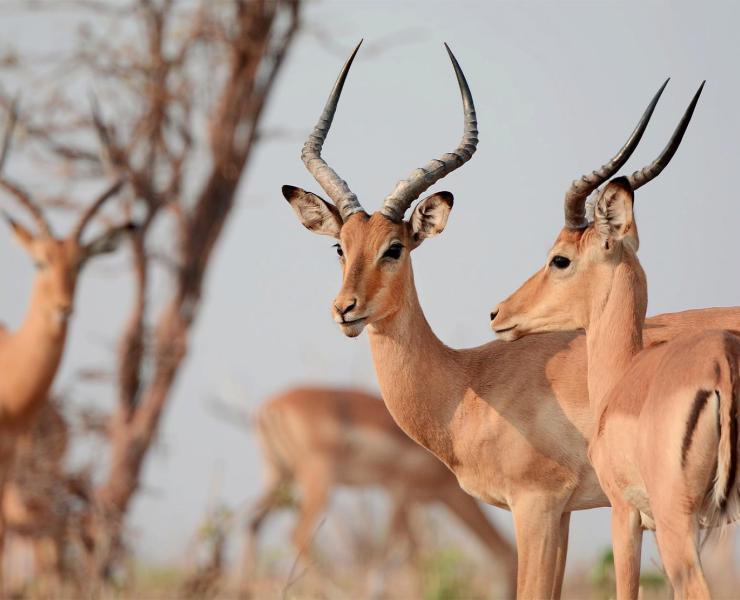 Safari Travel Tips
Safari Travel Insurance Guide
Our comprehensive safari travel insurance guide explains why it\
 Safari Planning
Best Countries for First-Time Safari Travelers
Discover the best countries for a first-time safari. Our expert guide compares Tanzania, Kenya, South Africa, and more to help you plan your dream African adventure.
 Safari Planning
Travel Insurance for African Safaris
Learn why travel insurance is essential for your African safari. Our guide covers medical emergencies, trip cancellations, and choosing the right policy for you.