
Discover the secrets of Africa\
The term "migration" evokes powerful images of movement on a massive scale, a natural rhythm of life that has played out for millennia. In the context of an African safari, this often brings to mind the iconic Great Wildebeest Migration of East Africa. While this is certainly one of the planet's most awe-inspiring natural spectacles, it is just one of many incredible animal migrations that unfold across the continent. Understanding these movements—what drives them, where they occur, and when to witness them—is key to planning a truly extraordinary safari experience. This guide will explore the famous Great Migration in detail and introduce you to other significant, yet lesser-known, animal movements that shape the ecosystems of Africa.
What is an Animal Migration?
At its core, an animal migration is a large-scale movement of a species from one place to another. These journeys are not random; they are driven by fundamental needs for survival. The primary motivation is usually the search for essential resources, such as food and water, which change with the seasons. Migrations can also be triggered by the need to find safe places to breed and raise young. These ancient routes, often etched into the collective memory of a species, are a powerful testament to the instinct for survival. In Africa, these movements can range from the colossal overland treks of herbivores to the vast, coordinated flights of birds and bats, each playing a vital role in the health and dynamism of their respective environments.
The Great Wildebeest Migration: A Spectacle of Life
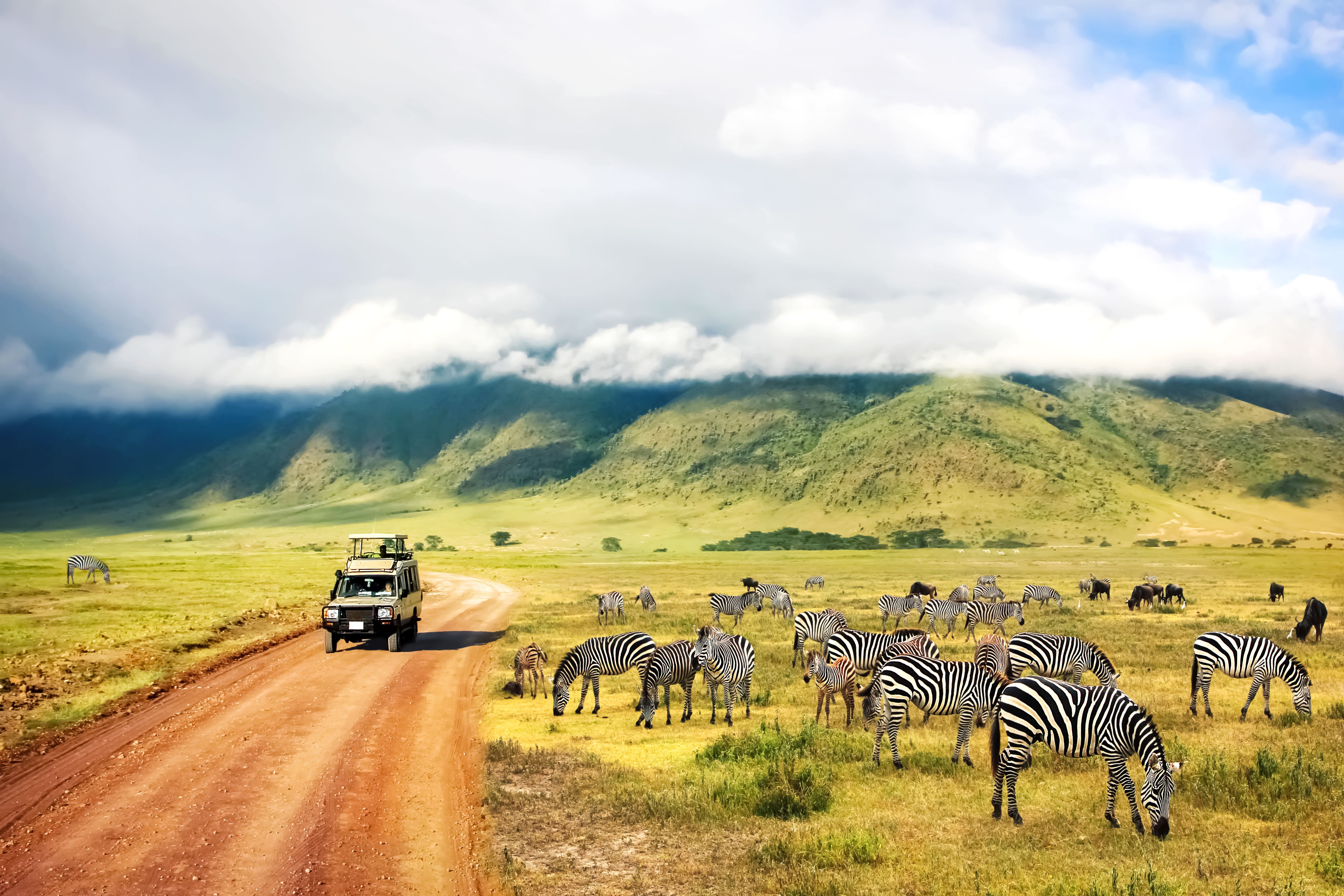
The Great Wildebeest Migration is the most famous of all African migrations, involving the movement of over 1.5 million wildebeest, accompanied by hundreds of thousands of zebras and gazelles. This continuous, circular journey spans the Serengeti National Park in Tanzania and the Maasai Mara National Reserve in Kenya, covering some 1,800 miles annually. It is a relentless pursuit of fresh grazing and water, dictated by the seasonal rains.
Calving Season: The Beginning of Life (January - March)
The migration's cycle begins in the southern Serengeti and the Ngorongoro Conservation Area in Tanzania. Here, on the nutrient-rich short-grass plains, the wildebeest give birth in a synchronized event. Over a three-week period, typically in February, an estimated 500,000 calves are born. This explosion of new life creates a paradise for predators like lions, cheetahs, and hyenas, making it a dramatic time for game viewing.
The Northward Journey and the Grumeti River Crossing (April - June)
As the rains end in the south, the plains dry up, and the herds begin their long journey north and west. They move through the Serengeti's Western Corridor, where they face their first major obstacle: the Grumeti River. The river is known for its large crocodiles that lie in wait for the herds to cross. While not as famous as the Mara River crossings, the Grumeti presents a significant challenge and offers incredible safari sightings.
The Dramatic Mara River Crossings (July - October)
This is the most famous and sought-after phase of the migration. Between July and October, the herds arrive in the northern Serengeti and the Maasai Mara in Kenya. To reach the lush grasses of the Mara, they must cross the treacherous Mara River. These crossings are fraught with peril, as thousands of wildebeest and zebra plunge into the crocodile-infested waters, creating scenes of chaos, panic, and survival. This is the Africa you have seen in documentaries, and witnessing it in person is a truly humbling experience.
The Return South (November - December)
With the arrival of the short rains in the south, the herds begin their journey back down through the Serengeti. They move through the eastern part of the park, completing the cycle as they return to the southern plains to graze and prepare for the next calving season. This part of the journey is less dramatic but still offers fantastic opportunities to see the massive herds on the move.
Still researching? Let us help.
Our advisory team has planned safaris across 9 African countries. We can turn your research into a real plan.
Talk to an AdvisorOther Notable African Migrations
While the Great Wildebeest Migration gets most of the attention, Africa is home to other significant animal movements that are equally fascinating.
The Zebra Migration of Botswana
Botswana hosts the second-largest migration of land animals in Africa. Thousands of zebras move between the Okavango Delta and the Makgadikgadi Pans. This journey is a testament to their incredible endurance, as they travel in search of fresh grazing lands that emerge after the rains. This migration is less predictable than the Serengeti's, but for those who witness it, the sight of thousands of zebras striping the landscape is unforgettable.
The Kasanka Bat Migration in Zambia
For something truly different, consider the Kasanka Bat Migration. Every year, between October and December, up to 10 million straw-coloured fruit bats descend upon a tiny patch of forest in Zambia's Kasanka National Park. This is the largest mammal migration on Earth, and the sight of the sky turning dark with bats at dusk is a unique and breathtaking spectacle.
Elephant Migrations
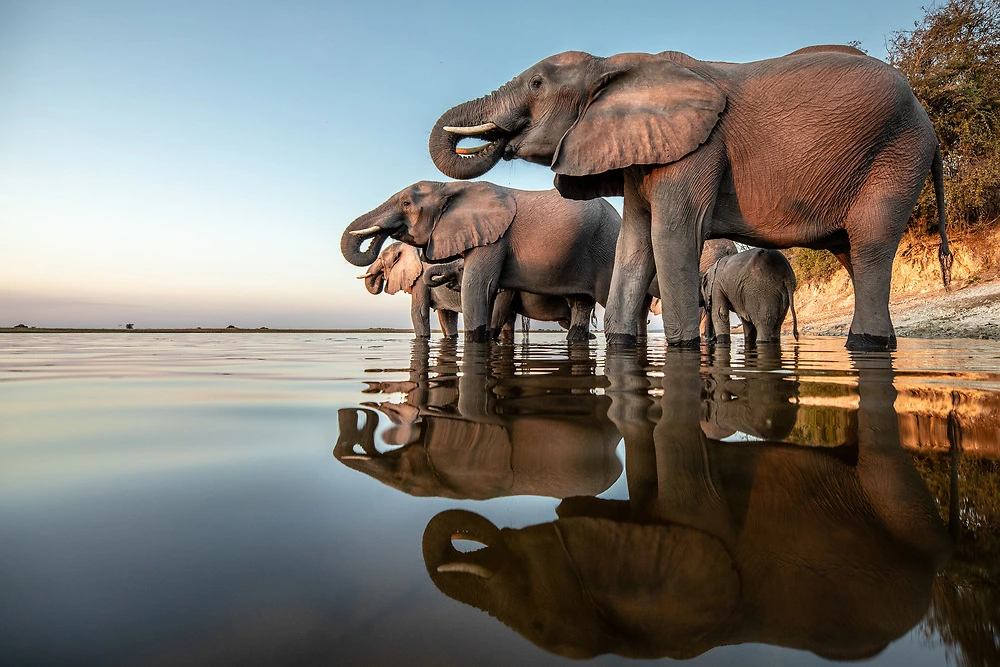
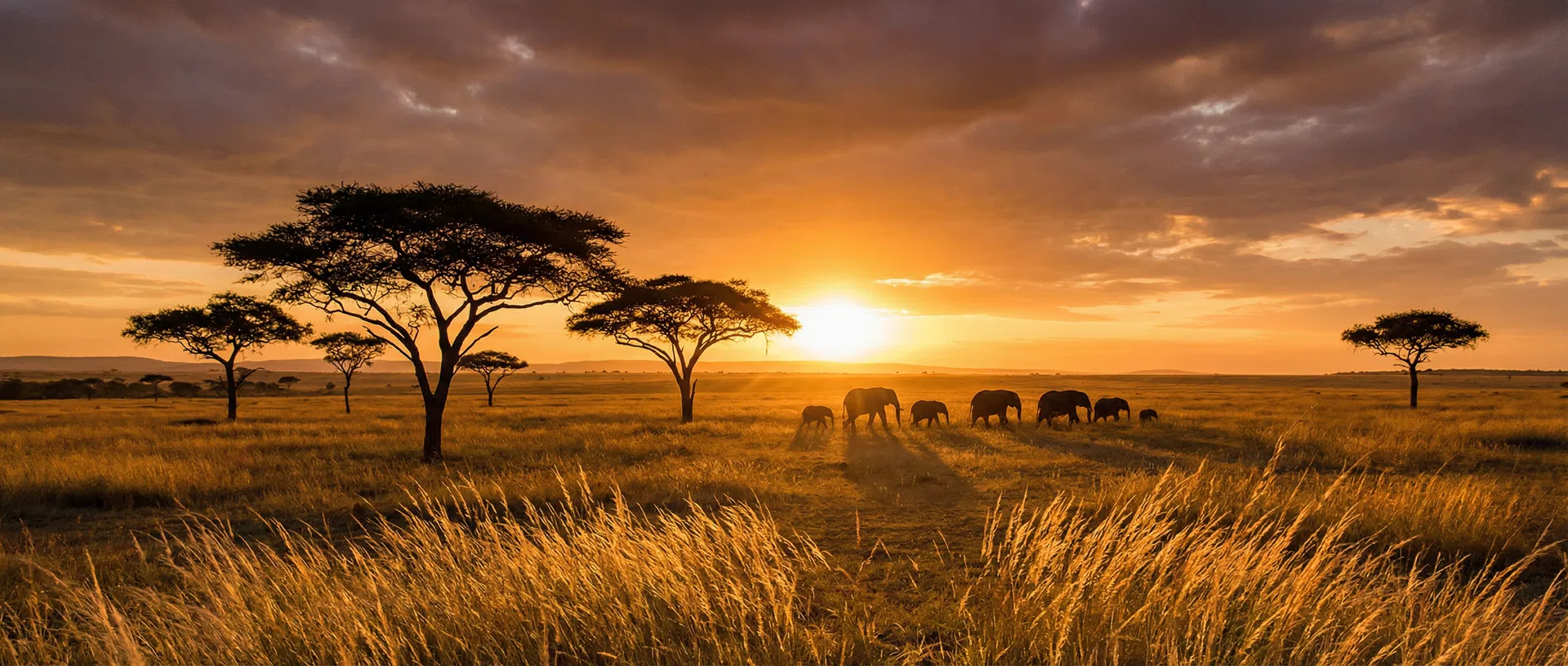
Elephants also undertake long and arduous migrations, though their movements are often less predictable. In places like Hwange National Park in Zimbabwe and the Chobe region of Botswana, large herds of elephants move across vast distances in search of water and food, especially during the dry season. These movements are a critical part of the ecosystem, as elephants help to shape the landscape by dispersing seeds and creating pathways for other animals.
How to Plan Your Migration Safari
Witnessing a great migration requires careful planning, as the timing and location are everything.
Choosing the Right Time and Place
For the Great Wildebeest Migration, your destination depends on the time of year. If you want to see the calving season, you should be in the southern Serengeti between January and March. For the dramatic river crossings, you will need to be in the northern Serengeti or the Maasai Mara between July and October. It is crucial to work with a knowledgeable safari planning guide who can help you choose the right location based on the time of your travel.
Booking Your Safari
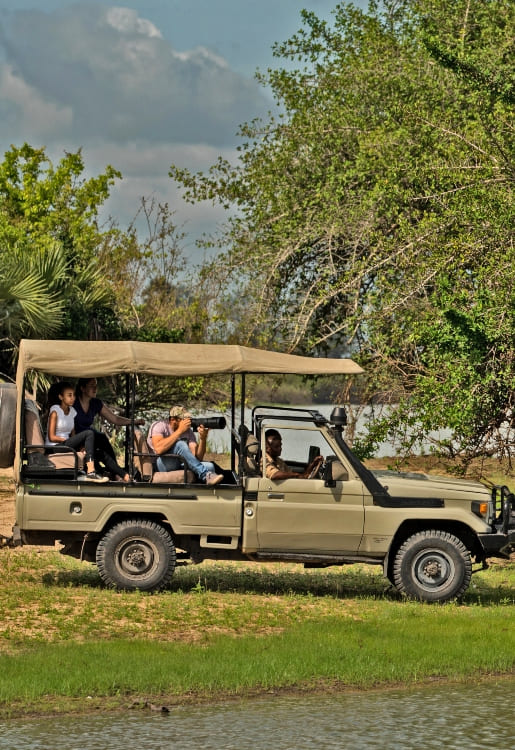
Migration safaris, especially those focused on the river crossings, are incredibly popular. It is essential to book your accommodation and safari well in advance—often a year or more. You can choose from mobile camps that move with the herds, offering a front-row seat to the action, or permanent lodges that provide a more luxurious base from which to explore.
What to Expect on a Migration Safari
A migration safari is about more than just river crossings. It is about witnessing the sheer scale of the herds, the constant predator-prey interactions, and the raw, untamed beauty of the African wilderness. Be prepared for long days on game drives, as your guide will be working hard to put you in the best possible position to see the action. Patience is key, as the animals move on their own schedule.
The Importance of Migrations for the Ecosystem
These great animal migrations are not just incredible spectacles; they are the lifeblood of the ecosystems they pass through. The constant grazing of the herds shapes the landscape, promoting new grass growth. The migrations also provide a vital food source for predators, supporting healthy populations of lions, leopards, cheetahs, and hyenas. The health of these migrations is a key indicator of the health of the entire ecosystem. Unfortunately, these ancient routes are under threat from climate change, habitat loss, and human development, making their conservation more important than ever.
In conclusion, a safari migration is one of the most profound and moving wildlife experiences you can have. Whether you choose to witness the epic scale of the Great Wildebeest Migration or the unique spectacle of the Kasanka bat migration, you will come away with a deeper appreciation for the power and resilience of the natural world. Planning a trip around one of these events takes effort, but the reward is an unforgettable journey into the heart of wild Africa.
Need Expert Safari Guidance?
Get expert advisory support from a firm founded by a former safari guide — with real operational knowledge across 9 African countries and full-journey accountability.
Related Planning Guides
Explore Related Topics
Recommended Reading
 Additional Safari Topics
Walking Safaris Explained
Planning a walking safari? Our guide explains everything you need to know, from top destinations like Zambia to what to expect and how to prepare for the trip.
 Additional Safari Topics
Mobile Safaris Explained
Discover the magic of a mobile safari, the ultimate way to experience the African bush. Our guide explains everything you need to know about this classic adventure.
 Additional Safari Topics
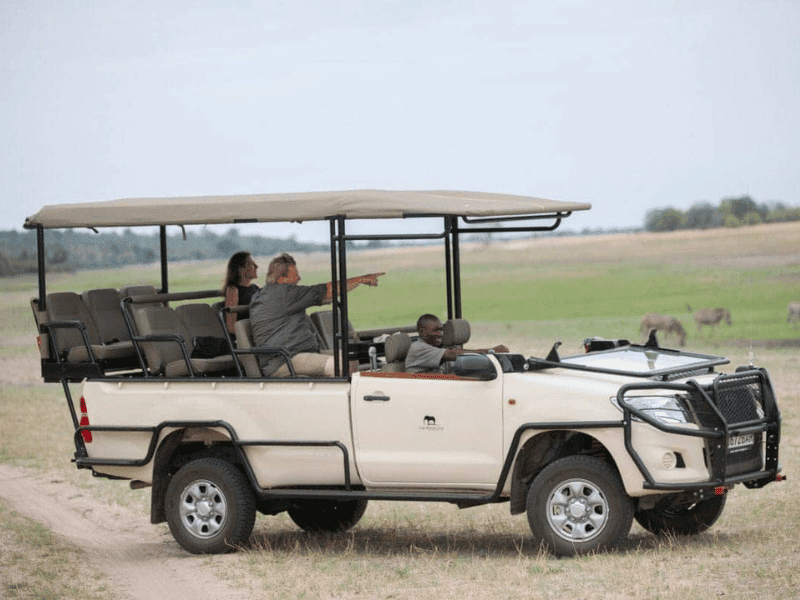
Safari Vehicles Explained
Learn the difference between open-sided 4x4s and pop-top Land Cruisers. Our guide to safari vehicles explains everything you need to know for your African safari.
 Safari Travel Tips
Tipping on Safari Explained
Confused about tipping on safari? Our guide explains everything you need to know, from how much to tip guides and staff to cultural etiquette.
 Safari Costs
Safari Pricing Explained
Understand what drives African safari prices. This guide explains the key factors that determine safari costs, from accommodation and season to destination.
 Safari Costs
Safari Park Fees Explained
Understand safari park fees and how they contribute to conservation. This guide explains park entry costs in Africa, helping you budget for your safari.