
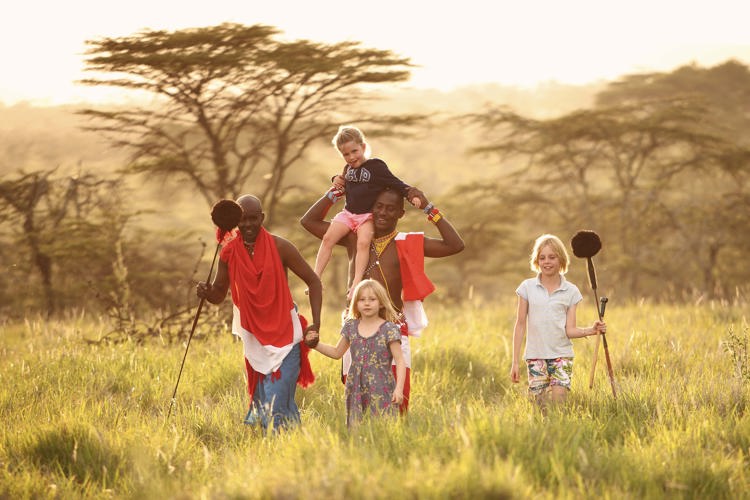
Comprehensive guide to medicinal plants of the african bush covering key species, habitats, viewing tips, and conservation status for safari travelers.
The Traditional Pharmacy of the Bush
The African bush is a vast natural pharmacy, with a wealth of plants that have been used for centuries in traditional medicine. Local communities have a deep understanding of the medicinal properties of these plants, using them to treat a wide range of ailments. From the leaves of the fever tree to the bark of the quinine tree, the healing power of the African bush is immense. Our knowledge center has more on the traditional knowledge of the African people.
Common Medicinal Plants and Their Uses
The aloe vera plant, with its soothing gel, is used to treat burns and skin irritations. The devil's claw plant is a natural anti-inflammatory and is used to treat arthritis and other joint problems. The leaves of the moringa tree are packed with vitamins and minerals and are used as a nutritional supplement. These are just a few examples of the many medicinal plants found in the African bush. Our safari operators can arrange for you to visit a local community and learn more about traditional medicine.
Still researching? Let us help.
Our advisory team has planned safaris across 9 African countries. We can turn your research into a real plan.
Talk to an AdvisorThe Future of Traditional Medicine
As modern medicine becomes more widespread, there is a risk that the traditional knowledge of medicinal plants could be lost. However, there is also a growing interest in the scientific study of these plants, with researchers looking for new drugs and treatments. By supporting community-based tourism and cultural exchange programs, we can help to preserve this valuable knowledge for future generations. Use our cost calculator to plan a cultural safari experience.
The Remarkable Sausage Tree (Kigelia africana)
One of the most visually striking trees in the African savanna is the Sausage Tree, named for its large, sausage-shaped fruits that can weigh up to 10kg and hang from long, rope-like stalks. While these fruits are toxic to humans when consumed raw, they are a cornerstone of traditional African medicine. Found across sub-Saharan Africa, from Tanzania's Ruaha National Park to the floodplains of the Okavango Delta, this tree is a living pharmacy for local communities.
A Natural Healer for Skin Ailments
Traditionally, the fruit, bark, and leaves of the Sausage Tree are used to create remedies for a wide range of skin conditions. Ointments and poultices made from the fruit are applied to treat everything from fungal infections, boils, and eczema to more serious conditions like psoriasis and even leprosy. The tree's effectiveness is not just folklore; modern scientific studies have identified its potent anti-inflammatory, anti-microbial, and wound-healing properties. These properties are attributed to compounds like flavonoids and saponins, which are known for their therapeutic effects.
> Expert Insight: While on a guided bush walk in South Luangwa National Park, your guide might point out a Sausage Tree and explain its uses. They may even demonstrate how the fruit is traditionally prepared for medicinal purposes. This is a fantastic opportunity to learn firsthand about the local culture and the deep connection between people and plants. Ask your safari planning guide to arrange a walking safari for an immersive experience.
Beyond Skin Deep: Other Medicinal Uses
The Sausage Tree's medicinal applications go far beyond skin treatments. In many communities, concoctions made from the bark are used to alleviate stomach ailments, dysentery, and rheumatism. The roots are sometimes used to treat snakebites, while the flowers are believed to have lactation-inducing properties. It's a prime example of how a single plant can serve as a comprehensive medical kit in the wild.
For travelers interested in the intersection of wildlife and culture, learning about plants like the Sausage Tree offers a deeper appreciation for the African bush. Consider a trip to destinations known for their rich biodiversity and cultural heritage, such as Uganda or Botswana, to see these natural wonders up close.
Devil's Claw: Nature's Anti-Inflammatory
In the arid grasslands of the Kalahari Desert in Southern Africa, a remarkable plant called Devil's Claw (Harpagophytum procumbens) has been a staple of traditional medicine for centuries. Its name comes from the small hooks that cover its fruit, which can attach to animals to disperse the seeds. But it is the plant's large, tuberous roots that hold its powerful medicinal properties.
A Remedy for Aches and Pains
Devil's Claw is most famous for its use as a natural anti-inflammatory and pain reliever. The San people of the Kalahari have long used it to treat a variety of ailments, including arthritis, rheumatism, and lower back pain. The root is typically dried and then either consumed as a powder or brewed into a tea. Its effectiveness is so well-regarded that it has become a popular herbal supplement around the world for treating degenerative joint diseases.
Scientific research has validated these traditional uses, identifying a group of compounds called iridoid glycosides, particularly harpagoside, as the primary active ingredients. These compounds have been shown to have strong anti-inflammatory effects, comparable in some studies to modern pharmaceuticals but with fewer side effects.
> Traveler's Tip: When visiting Namibia or Botswana, you may have the opportunity to interact with the San people and learn about their traditional practices. This is a unique chance to understand how they have thrived in such a harsh environment for millennia. Always be respectful of their culture and ask for permission before taking photographs. For a truly authentic cultural experience, our safari operators can connect you with reputable community-based tourism initiatives.
Sustainable Harvesting and Conservation
The growing global demand for Devil's Claw has raised concerns about over-harvesting and the long-term sustainability of the plant. As a result, there are now efforts in place to ensure that it is harvested in a way that does not deplete wild populations. When purchasing Devil's Claw supplements, look for products that are certified as sustainably or ethically harvested. This helps to support the livelihoods of the local communities who depend on the plant while also protecting this valuable natural resource for future generations. A visit to the knowledge center can provide more information on sustainable tourism.
Done Reading? Let's Build Your Safari.
Skip the guesswork. Work with an advisor who has been on the ground across East and Southern Africa.
Plan With UsAfrican Ginger: The Respiratory Soother
Deep in the forests of Southern Africa grows a plant so prized for its medicinal properties that it is often called the "universal remedy." African Ginger (Siphonochilus aethiopicus), also known as Wild Ginger, has been a cornerstone of traditional medicine for generations. Unlike the ginger you find in a grocery store, African Ginger has a unique, pungent aroma and a powerful flavor that hints at its potent healing capabilities.
A Natural Remedy for Colds, Coughs, and Flu
African Ginger is most renowned for its effectiveness in treating respiratory ailments. The rhizomes and roots are chewed fresh to provide relief from coughs, colds, asthma, and even flu symptoms. Its anti-inflammatory and analgesic (pain-relieving) properties help to soothe sore throats and reduce inflammation in the airways. In many cultures, it is also used to treat malaria, headaches, and painful menstruation.
The plant's healing powers are not just a matter of tradition. Scientific studies have identified several active compounds in African Ginger that have anti-inflammatory, antiviral, and antibacterial effects. This research is helping to validate its traditional uses and explore its potential for modern medicine.
> Expert Insight: The over-harvesting of African Ginger in the wild has led to it being classified as an endangered species. When you travel, you can contribute to its conservation by supporting projects that cultivate it sustainably. Some safari lodges and community-run gardens are now growing African Ginger to reduce the pressure on wild populations. Inquire with your safari planning guide about visiting one of these conservation-focused projects.
Cultural Significance and Conservation
Beyond its medicinal uses, African Ginger holds significant cultural importance. It is often used in ceremonies and rituals, and the knowledge of its uses is passed down through generations. The threat of its extinction is not just a loss of a valuable medicinal resource, but also a loss of cultural heritage.
By choosing to plan your safari with operators who are committed to responsible tourism, you can help to protect plants like African Ginger. These operators often work with local communities to promote conservation and ensure that the benefits of tourism are shared equitably. Your travel choices can make a real difference in preserving the natural and cultural treasures of Africa for years to come.
Need Expert Safari Guidance?
Get expert advisory support from a firm founded by a former safari guide — with real operational knowledge across 9 African countries and full-journey accountability.
Related Planning Guides
Explore Related Topics
Recommended Reading
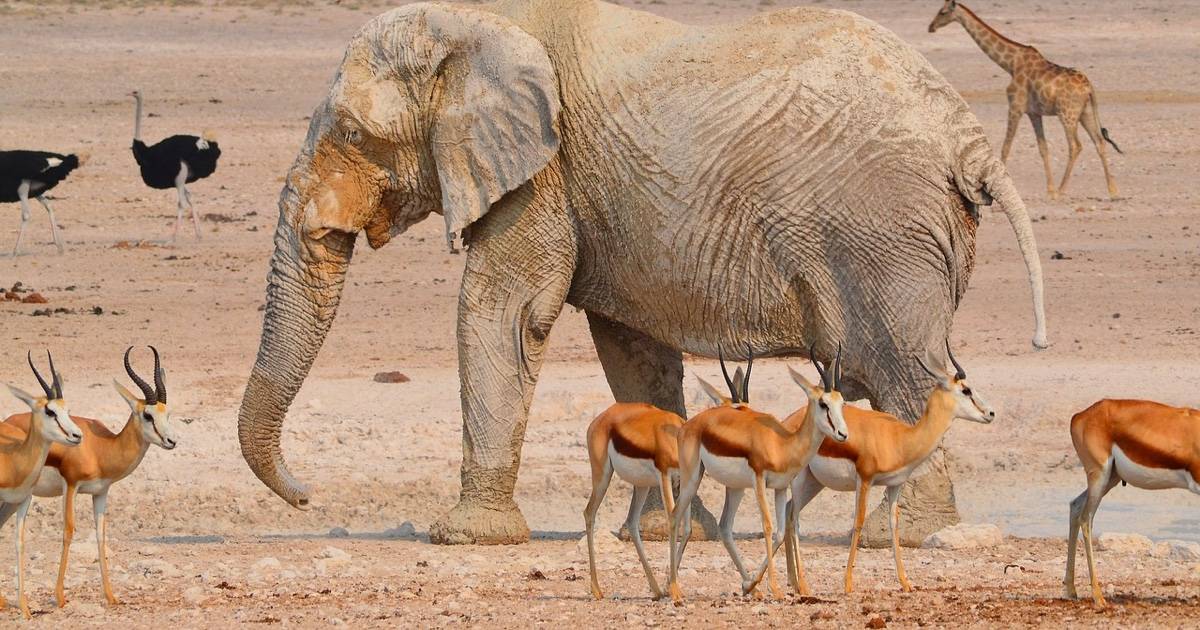 Wildlife Guides
Nocturnal Wildlife of the African Bush
A comprehensive guide to Nocturnal Wildlife of the African Bush. Learn about its habitat, behavior, diet, and conservation status.
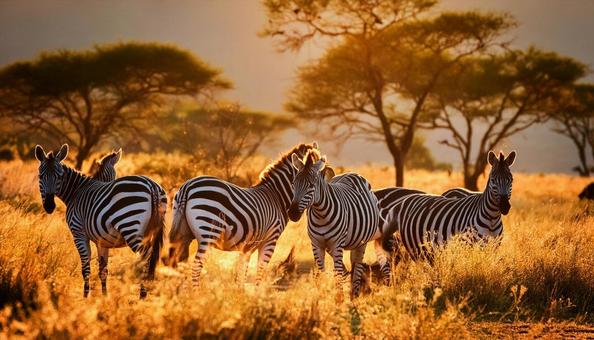 Safari Planning
How to Plan Your First African Safari
Learn how to plan your first African safari with expert tips on destinations, timing, costs, and choosing the right operator.
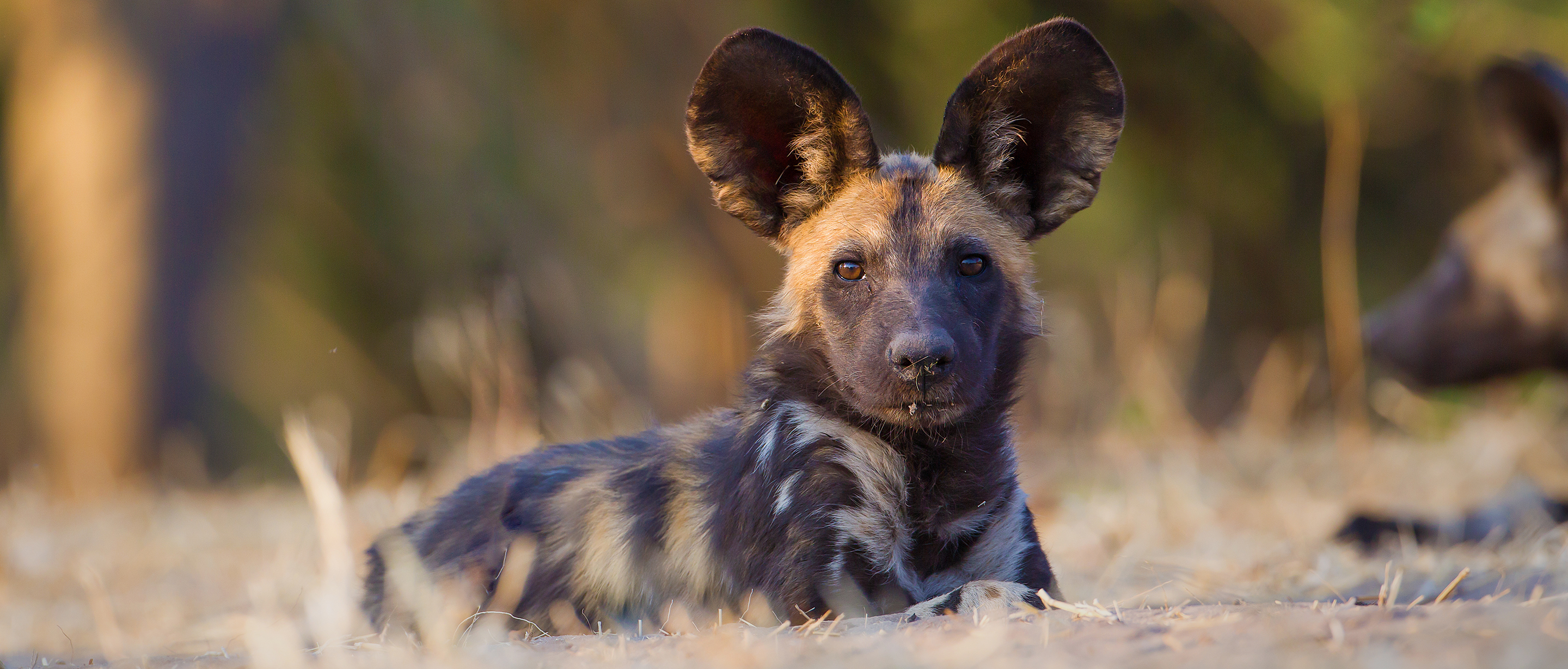 Safari Planning Guides
How to Plan a 10-Day Safari Across East Africa
Discover how to plan your dream safari with our expert guide on How to Plan a 10-Day Safari Across East Africa. Get tips on destinations, costs, and more.
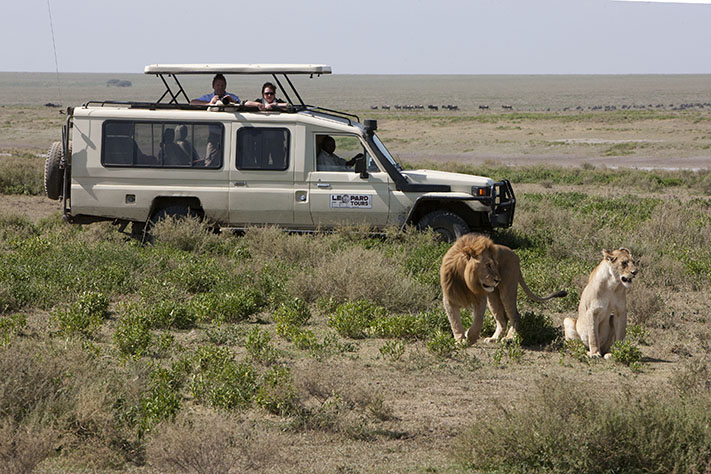 Safari Planning Guides
How to Plan a Safari Honeymoon in Africa
Discover how to plan your dream safari with our expert guide on How to Plan a Safari Honeymoon in Africa. Get tips on destinations, costs, and more.
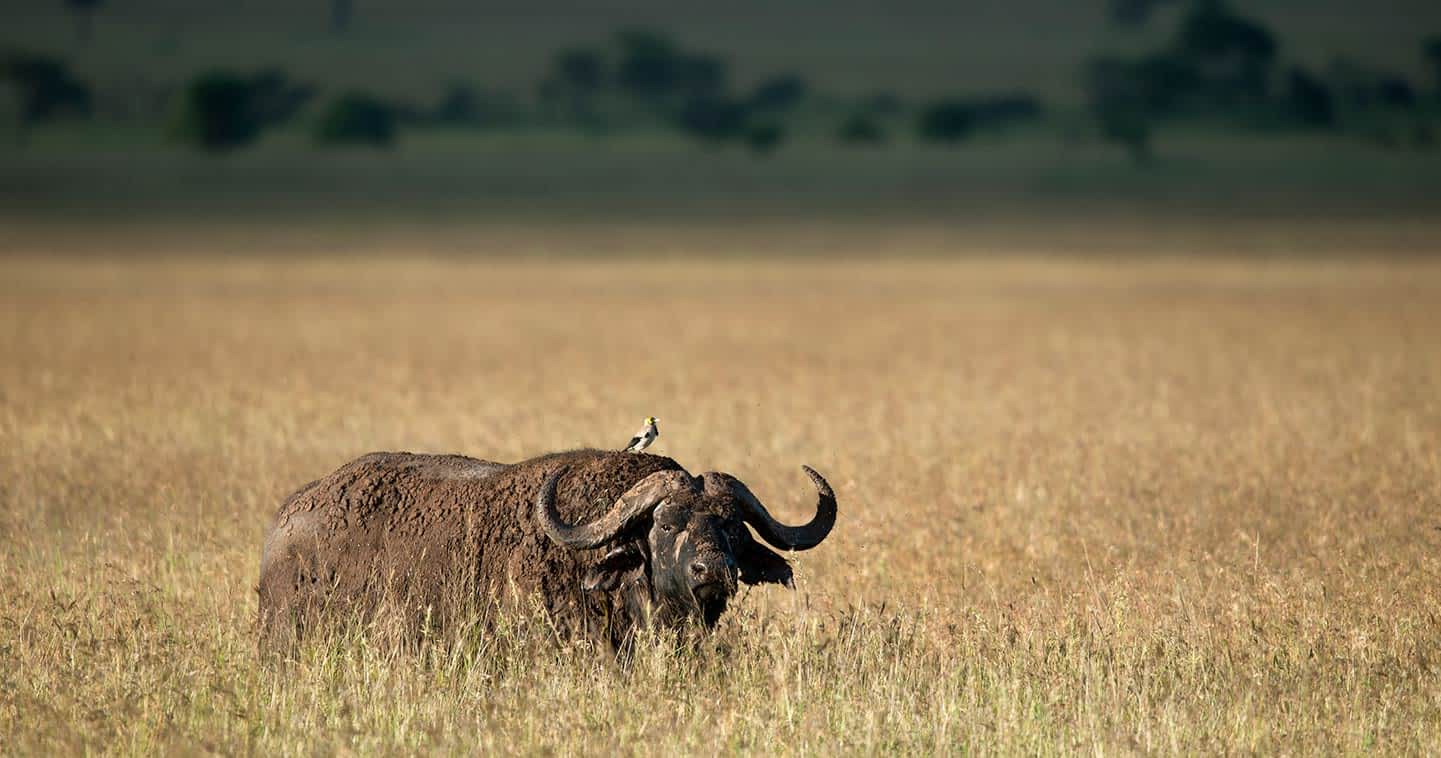 Safari Planning Guides
How to Plan a Multi-Country Safari in East Africa
Discover how to plan your dream safari with our expert guide on How to Plan a Multi-Country Safari in East Africa. Get tips on destinations, costs, and more.
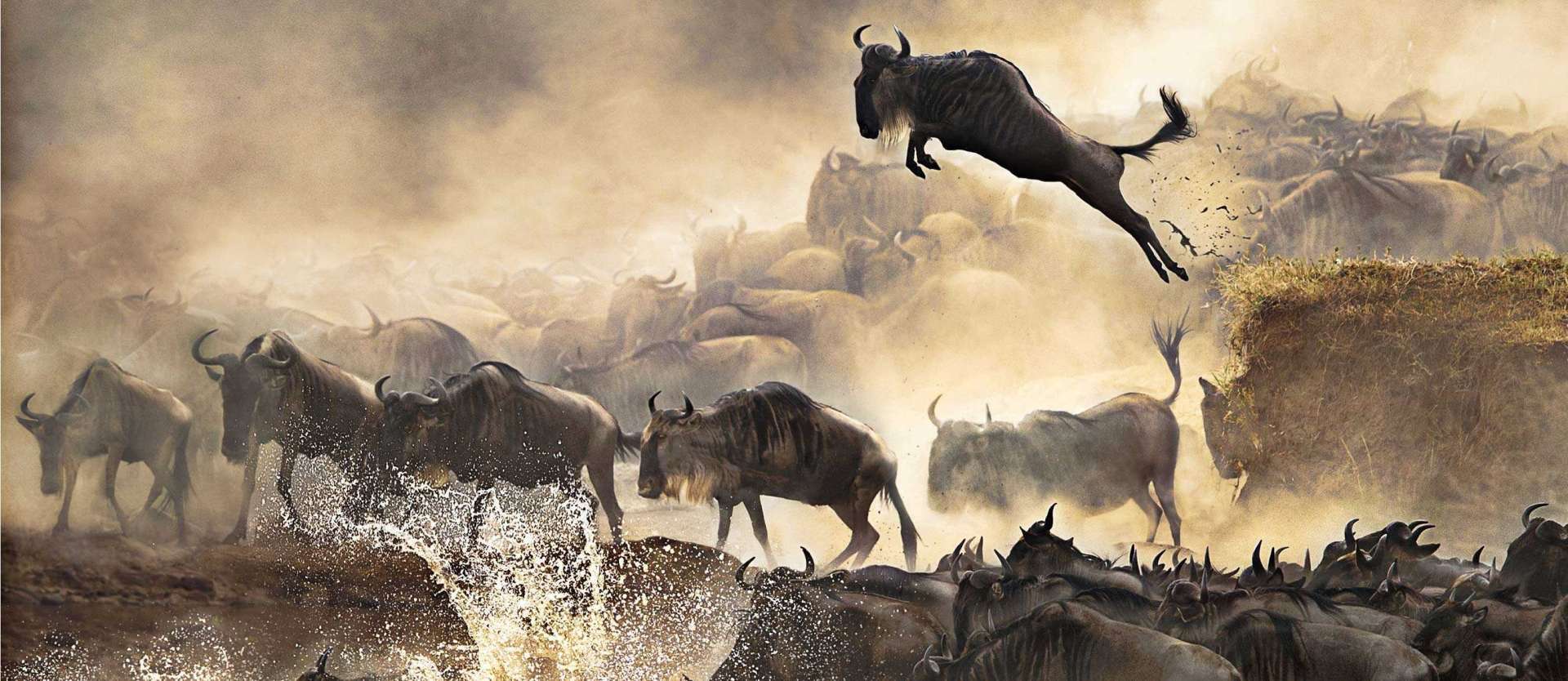 Wildlife Guides
Complete Guide to Vulture Species of Africa
Learn all about Complete Guide to Vulture Species of Africa in this comprehensive guide. Discover the best time to go, what to see, and how to plan your trip.