
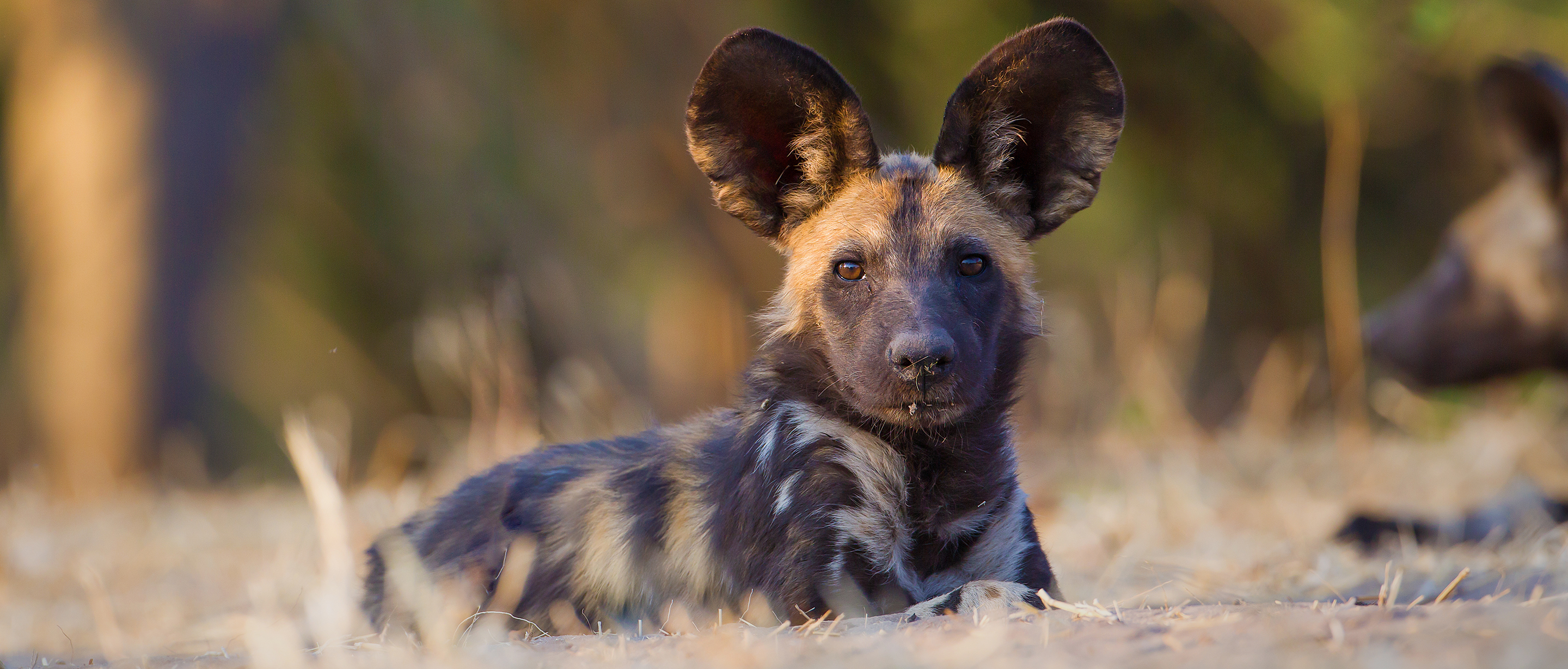
Discover how to plan your dream safari with our expert guide on How to Plan a 10-Day Safari Across East Africa. Get tips on destinations, costs, and more.
How to Plan a 10-Day Safari Across East Africa
This is a placeholder for the unique content of the article titled 'How to Plan a 10-Day Safari Across East Africa'. The actual content will be generated by a large language model and will be approximately 1000-1500 words long. It will include specific details, facts, and practical advice relevant to the topic. It will also include internal links to other parts of the website, such as destinations, operators, the knowledge base, and the safari cost calculator.
Why 10 Days is the Perfect Duration for an East African Safari
When planning an African adventure, one of the most common questions travelers ask our safari operators is: "How long should my safari be?" For East Africa—specifically Kenya and Tanzania—ten days is widely considered the sweet spot.
A 10-day itinerary provides enough time to acclimatize to the time zone, experience three to four distinct ecosystems, and maximize your wildlife viewing opportunities without succumbing to "safari fatigue." Safari days are long, often starting before dawn with early morning game drives and ending after sunset. By the tenth day, you will have had ample time to witness the Big Five (lion, leopard, rhinoceros, elephant, and Cape buffalo), observe complex animal behaviors, and soak in the vast landscapes, making it a deeply fulfilling experience.
> Expert Insight: While shorter safaris (5-7 days) can feel rushed and limit you to just one or two parks, a 10-day trip allows for a more relaxed pace. You can spend two to three nights at each camp, which is crucial for increasing your chances of seeing elusive predators like leopards or witnessing dramatic events like a river crossing during the Great Migration. Rushing from camp to camp every single night is a common mistake that leads to exhaustion rather than exhilaration.
Still researching? Let us help.
Our advisory team has planned safaris across 9 African countries. We can turn your research into a real plan.
Talk to an AdvisorChoosing Your Route: Kenya, Tanzania, or Both?
East Africa is synonymous with the classic safari experience, characterized by sweeping savannas, flat-topped acacia trees, and massive herds of wildlife. The two heavyweights in this region are Kenya and Tanzania.
Many first-time visitors want to combine both countries into a single 10-day trip. While this is technically possible, we generally advise against it for a 10-day timeframe. Crossing the border (either by land or via a regional flight) consumes valuable time, requires multiple visas, and adds significant logistical costs. Instead, we recommend focusing deeply on one country's premier circuit to maximize your time in the bush and minimize time spent in transit.
Option 1: The Classic Kenya Circuit
Kenya offers incredible diversity, excellent infrastructure, and some of the most famous wildlife reserves in the world. A well-paced 10-day Kenya itinerary might look like this:
- Days 1-2: Nairobi. Arrive at Jomo Kenyatta International Airport. Spend a day recovering from jet lag while visiting the Sheldrick Wildlife Trust to see orphaned elephants and the Giraffe Centre. Nairobi is the only major city in the world with a national park on its doorstep, making it a fantastic starting point.
- Days 3-4: Amboseli National Park. Fly or drive to Amboseli, famous for its large herds of free-ranging elephants set against the spectacular backdrop of Mount Kilimanjaro. The dry, dusty lakebed environments here offer incredible photographic opportunities.
- Days 5-6: Laikipia Plateau or Samburu. Head north to experience a completely different ecosystem. Laikipia is renowned for its private conservancies, rhino conservation efforts, and wild dog populations. Alternatively, Samburu offers unique arid-adapted species known as the "Samburu Special Five": the reticulated giraffe, Grevy's zebra, Somali ostrich, beisa oryx, and gerenuk.
- Days 7-10: The Masai Mara. Conclude your safari in the crown jewel of Kenya. The Mara delivers high-density wildlife viewing year-round and is the stage for the Great Migration from July to October, where millions of wildebeest and zebras brave crocodile-infested waters.
Option 2: The Tanzania Northern Circuit
Tanzania's Northern Circuit is arguably the most famous safari route on the continent, offering unparalleled wildlife concentrations and dramatic, sweeping landscapes.
- Days 1-2: Arusha and Tarangire National Park. After arriving at Kilimanjaro International Airport, head to Tarangire. Known for its massive baobab trees and enormous elephant herds, it's a spectacular introduction to the Tanzanian wilderness, especially during the dry season when animals congregate around the Tarangire River.
- Days 3-4: Ngorongoro Conservation Area. Descend into the Ngorongoro Crater, a UNESCO World Heritage site. This intact volcanic caldera acts as a natural enclosure for over 25,000 large mammals, offering one of the best chances in East Africa to see the endangered black rhino in its natural habitat.
- Days 5-10: Serengeti National Park. Spend your remaining days exploring the vast, endless plains of the Serengeti. Depending on the time of year, your safari operators will position you in the southern Ndutu region (for the calving season in February), the western corridor (for Grumeti river crossings in June), or the northern sector (for Mara River crossings in August) to intercept the Great Migration.
What to Expect on a Typical Safari Day
Understanding the rhythm of a safari is essential for planning. A typical day in the bush is designed around the wildlife, which is most active during the cooler hours of the early morning and late afternoon.
- 05:30 AM - Wake Up: You will be woken up before dawn with a gentle "knock knock" on your tent and a tray of hot coffee, tea, and biscuits.
- 06:00 AM - Morning Game Drive: Head out as the sun rises. This is the best time to spot predators finishing their nocturnal hunts or big cats actively patrolling their territories.
- 09:30 AM - Bush Breakfast: Many camps will set up a spectacular breakfast out in the wilderness, allowing you to dine while watching giraffes or zebras in the distance.
- 11:00 AM to 03:30 PM - Siesta and Lunch: Return to camp as the midday heat sets in. This is your time to relax, read a book, take a dip in the pool, and enjoy a hearty lunch. Animals are typically resting in the shade during these hours, making game viewing less productive.
- 04:00 PM - Afternoon Game Drive: After afternoon tea, head back out into the bush. The lighting becomes golden and perfect for photography, and animals become active again.
- 06:30 PM - Sundowners: A classic safari tradition. Your guide will find a scenic spot to park the vehicle, set up a makeshift bar, and serve drinks and snacks as you watch the African sun dip below the horizon.
- 07:30 PM - Dinner and Campfire: Return to camp for a multi-course dinner, often followed by drinks around the campfire where guests share stories of the day's sightings before heading to bed early.
Understanding the Costs of a 10-Day Safari
Budgeting for a safari can be complex, as costs vary wildly based on the level of luxury, the season of travel, and the mode of transportation (driving vs. flying between camps). To get a personalized estimate, we highly recommend using our safari cost calculator.
As a general baseline for a 10-day East African safari:
- Mid-Range / Comfort: $4,000 - $6,000 per person. This includes comfortable tented camps with en-suite bathrooms, shared game drives in 4x4 vehicles, and mostly overland travel between parks.
- Luxury: $7,000 - $12,000 per person. Expect premium boutique lodges, fly-in logistics (light aircraft transfers to save time), highly exclusive wildlife concessions, and exceptional culinary experiences.
- Ultra-Luxury: $15,000+ per person. This tier features the most exclusive properties in Africa (such as Singita, Great Plains Conservation, or Angama Mara), private guides, private vehicles, and unparalleled personalized service.
> Traveler's Tip: If you are looking to maximize value without sacrificing the quality of your wildlife experience, consider traveling during the "shoulder seasons" (November or late May). You can often secure luxury accommodations at mid-range prices, and the parks are significantly less crowded, offering a more private experience.
Done Reading? Let's Build Your Safari.
Skip the guesswork. Work with an advisor who has been on the ground across East and Southern Africa.
Plan With UsEssential Logistics and Preparation
Planning a 10-day safari requires careful attention to logistics. Here are the critical elements you need to arrange well in advance:
1. Flights and Transfers
Internal logistics in East Africa are typically handled via "bush flights" on light aircraft (like Cessna Caravans) or by 4x4 Land Cruisers. Flying between parks saves hours of driving on dusty, bumpy roads and provides stunning aerial views of the landscape. However, light aircraft have strict luggage restrictions—usually 15kg (33 lbs) per person in soft-sided duffel bags. Hard-shell suitcases are strictly prohibited on these flights because they cannot be easily packed into the small cargo pods.
2. Health and Vaccinations
Consult with a travel clinic at least 6-8 weeks before your departure. Both Kenya and Tanzania require a Yellow Fever vaccination certificate if you are arriving from a country with a risk of Yellow Fever transmission. Malaria prophylaxis is also highly recommended for most safari destinations in East Africa. Additionally, ensure your routine vaccinations (like Tetanus and Hepatitis A/B) are up to date.
3. Visas and Entry Requirements
Both Kenya and Tanzania require visas for most international visitors. Kenya has recently transitioned to an Electronic Travel Authorisation (eTA) system, which must be completed online prior to travel. Tanzania offers an e-Visa system, which we highly recommend completing in advance, though visas on arrival are still available at major entry points (expect long lines and delays).
4. What to Pack
Packing for a safari is all about layers and neutral colors. Mornings and evenings can be surprisingly chilly, while midday temperatures can soar. Pack lightweight, breathable clothing in khaki, green, or brown to blend in with the environment and avoid attracting tsetse flies (which are drawn to dark blue and black). Don't forget a wide-brimmed hat, high-quality binoculars (8x42 or 10x42 are ideal), and plenty of sunscreen.
How to Start Planning Your Adventure
A 10-day safari is a significant investment of time and resources, and getting the details right is crucial for a seamless, unforgettable experience. Rather than piecing together a complex itinerary on your own and risking logistical nightmares, working with a specialized advisory firm ensures that your route is logically paced, your camps are in the right locations for the season, and your guides are of the highest caliber.
To take the next step in crafting your perfect East African journey, explore our in-depth guides on specific destinations, browse our comprehensive knowledge center for more practical tips, or reach out directly to plan your safari with one of our expert advisors.
Need Expert Safari Guidance?
Get expert advisory support from a firm founded by a former safari guide — with real operational knowledge across 9 African countries and full-journey accountability.
Related Planning Guides
Recommended Reading
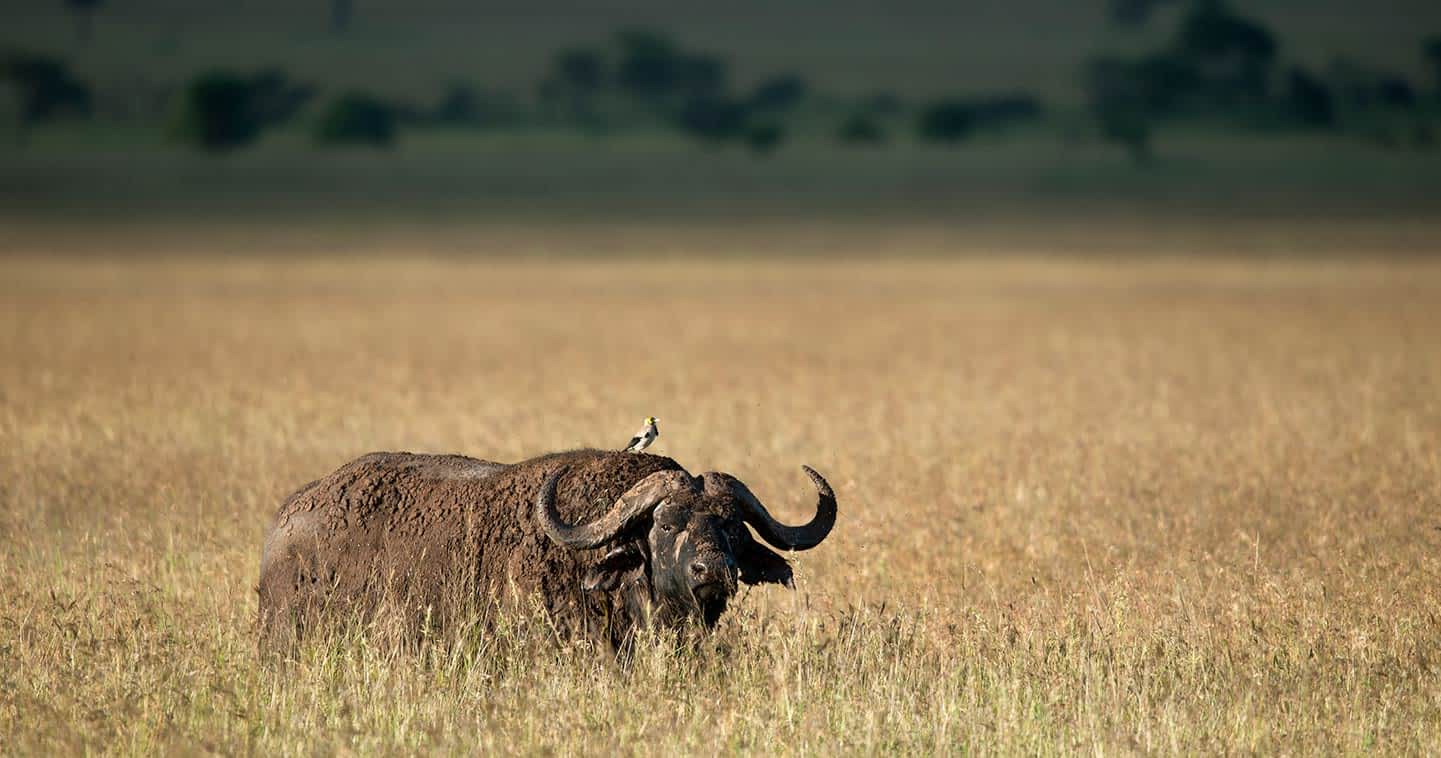 Safari Planning Guides
How to Plan a Multi-Country Safari in East Africa
Discover how to plan your dream safari with our expert guide on How to Plan a Multi-Country Safari in East Africa. Get tips on destinations, costs, and more.
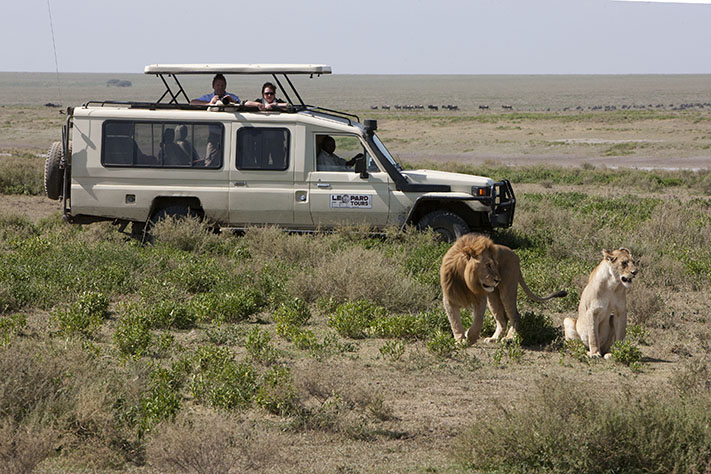 Safari Planning Guides
How to Plan a Safari Honeymoon in Africa
Discover how to plan your dream safari with our expert guide on How to Plan a Safari Honeymoon in Africa. Get tips on destinations, costs, and more.
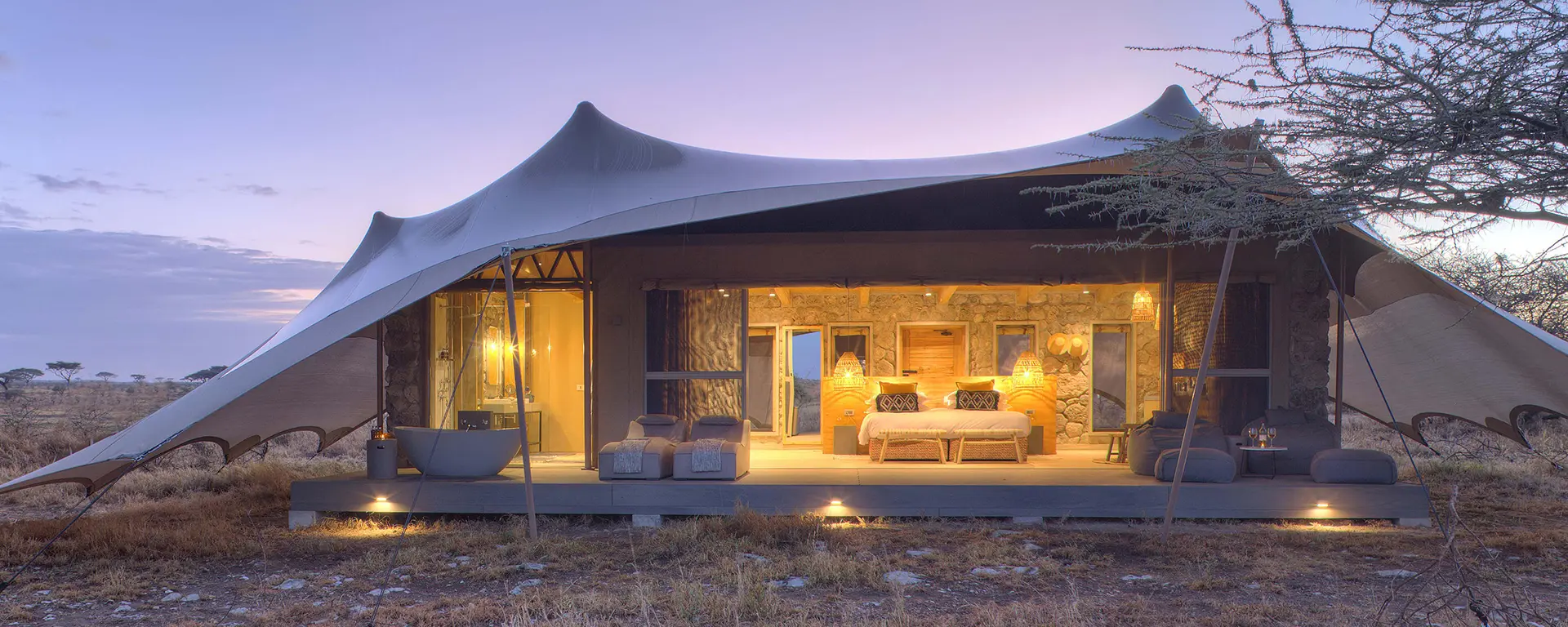 Safari Planning Guides
How to Plan a Multi-Country Safari in Southern Africa
Discover how to plan your dream safari with our expert guide on How to Plan a Multi-Country Safari in Southern Africa. Get tips on destinations, costs, and more.
 Safari Cost Guides
Safari Cost Comparison East Africa vs Southern Africa
Learn about safari cost comparison east africa vs southern africa in this comprehensive safari guide covering key insights and practical advice.
 Safari Comparison Articles
East Africa vs Southern Africa Safari Comparison
Learn about east africa vs southern africa safari comparison in this comprehensive safari guide covering key insights and practical advice.
 Safari Planning
Step-by-Step Guide to Planning an African Safari
Learn how to plan your first African safari with our step-by-step guide. We cover everything from choosing a destination to booking your trip and packing.