
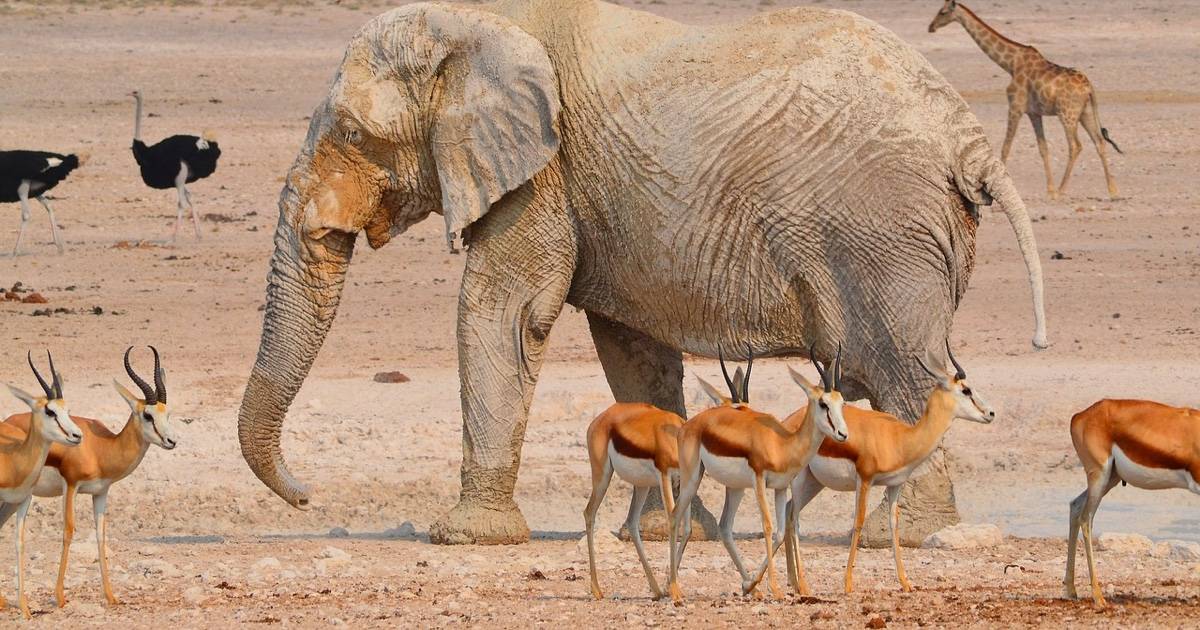
A comprehensive guide to Nocturnal Wildlife of the African Bush. Learn about its habitat, behavior, diet, and conservation status.
Nocturnal Wildlife of the African Bush
Africa offers some of the most incredible wildlife experiences on Earth, and getting nocturnal wildlife of the african bush right is essential to making the most of your journey. Here is what experienced safari guides and advisors recommend.
Safety and Health Considerations: Nocturnal Wildlife of the African Bush
Travel insurance that specifically covers safari activities is strongly recommended. Standard travel insurance policies may not cover all the activities and situations you might encounter on an African safari. Ensure your policy covers medical evacuation, trip cancellation, and activity-specific risks.
Health preparation is an essential component of nocturnal wildlife of the african bush. Consult with a travel medicine specialist at least six weeks before your departure to discuss vaccinations, malaria prophylaxis, and other health precautions specific to your destinations.
Safety is paramount when it comes to nocturnal wildlife of the african bush on safari. Reputable operators maintain strict safety protocols and employ experienced guides who are trained to handle a wide range of situations. Always verify that your chosen operator has proper licensing, insurance, and safety certifications.
Still researching? Let us help.
Our advisory team has planned safaris across 9 African countries. We can turn your research into a real plan.
Talk to an AdvisorPractical Planning Steps: Nocturnal Wildlife of the African Bush
Step two involves researching your options thoroughly. Compare different destinations, operators, and approaches to nocturnal wildlife of the african bush. Read reviews from verified travelers, consult with safari operators, and cross-reference information from multiple sources.
Step one in addressing nocturnal wildlife of the african bush is to clearly define your priorities and expectations. Are you focused on specific wildlife sightings, cultural experiences, photography opportunities, or a combination? Your answer will shape every subsequent decision.
Common Mistakes to Avoid
Another common error is relying solely on online reviews without consulting experienced professionals. While traveler reviews provide valuable perspectives, they often lack the context and expertise that a qualified safari planning guide can offer. The best approach combines both sources of information.
One of the most frequent mistakes travelers make with nocturnal wildlife of the african bush is waiting too long to start planning. Popular safari destinations and lodges book up months in advance, especially during peak season. Last-minute planning often results in limited options and higher costs.
Underestimating the importance of nocturnal wildlife of the african bush is perhaps the biggest mistake of all. Travelers who give this aspect of their safari proper attention consistently report more satisfying experiences than those who treat it as an afterthought.
Seasonal Factors and Timing: Nocturnal Wildlife of the African Bush
The timing of your safari significantly impacts nocturnal wildlife of the african bush. Dry season months, typically June through October in most East African destinations, offer different conditions than the green season months of November through May. Each period has distinct advantages and considerations.
Peak season brings excellent wildlife viewing but also higher prices and more crowded parks. Shoulder seasons offer a balance of good conditions and fewer crowds. Understanding how seasonal factors affect nocturnal wildlife of the african bush helps you choose the optimal time for your specific priorities.
Done Reading? Let's Build Your Safari.
Skip the guesswork. Work with an advisor who has been on the ground across East and Southern Africa.
Plan With UsExpert Recommendations: Nocturnal Wildlife of the African Bush
Working with a qualified safari planning guide can significantly improve your experience with nocturnal wildlife of the african bush. Advisors who have personal experience in your chosen destinations can provide insights that no guidebook or website can match. They understand the subtle differences between properties, the best times to visit specific areas, and how to structure an itinerary that maximizes your time.
Budget considerations play an important role in nocturnal wildlife of the african bush. While it is tempting to cut corners, experienced travelers consistently report that investing in quality where it matters most leads to significantly better outcomes. The key is knowing where to allocate your budget for maximum impact.
Safari advisors consistently recommend starting your planning process at least six to twelve months before your intended travel dates. This lead time allows you to secure preferred accommodations, take advantage of early booking rates, and properly prepare for all aspects of nocturnal wildlife of the african bush.
Related Resources
For more information on planning your safari, explore our destination guides, browse the safari operator directory, or connect with an experienced safari planning guide for personalized guidance.
Iconic Nocturnal Sightings: The Stars of the Night
While the roar of a lion at dusk is unforgettable, the African night is filled with a cast of elusive characters that offer a completely different safari experience. Spotting these creatures requires patience, a skilled guide, and a bit of luck. Here are a few of the most sought-after nocturnal animals you might encounter:
- The Leopard (Panthera pardus): Perhaps the most iconic nocturnal predator, the leopard is a master of stealth. These powerful cats are often seen draped over a tree branch, their rosette-patterned coats providing perfect camouflage. A night drive offers the best chance to see them actively hunting, stalking prey with silent precision. To witness this, a visit to South Luangwa National Park in Zambia or the Sabi Sand Game Reserve in South Africa is highly recommended.
- The Aardvark (Orycteropus afer): Shy and solitary, the aardvark is one of the continent's most bizarre and fascinating creatures. With its pig-like snout, rabbit-like ears, and powerful claws, it is a termite-eating specialist. Aardvarks are notoriously difficult to find, and a sighting is a true safari highlight. The semi-arid regions of the Karoo in South Africa and parts of Botswana are known hotspots.
- The Bushbaby (Galagidae): These small, wide-eyed primates are the acrobats of the nocturnal world. You are more likely to hear their distinctive, baby-like cries before you see them. Bushbabies are incredibly agile, leaping between branches with remarkable speed. Your guide might spot their large, reflective eyes with a spotlight as they forage for insects and tree gum.
> Expert Insight: Aardvark sightings are so rare that they are often considered a "holy grail" for safari enthusiasts. If seeing one is on your bucket list, communicate this to your safari operators, who can recommend specific lodges and guides known for successful tracking.
Where to Go: Premier Parks for Night Safaris
Not all parks and reserves permit night drives, so choosing the right location is crucial. Private conservancies and certain national parks have pioneered this activity, offering a unique window into the bush after dark. For an exceptional nocturnal experience, consider these destinations:
| Park/Reserve | Country | Why It's Great for Night Safaris | | :--- | :--- | :--- | | South Luangwa National Park | Zambia | Widely regarded as the birthplace of the walking safari, it also excels at night drives. Leopard sightings are exceptionally common here. | | Sabi Sand Game Reserve | South Africa | This private reserve bordering Kruger National Park has lenient vehicle regulations, allowing guides to go off-road for better tracking. | | Mana Pools National Park | Zimbabwe | Known for its raw, wild atmosphere, Mana Pools offers incredible night drives along the Zambezi River floodplain. | | Okavango Delta (Private Concessions) | Botswana | The private concessions bordering the Moremi Game Reserve provide exclusivity and the freedom to explore after sunset. |
Expert Tips for Your Night Drive
A successful and enjoyable night drive involves more than just a vehicle and a spotlight. To make the most of this unique experience, keep the following tips in mind:
- Dress in Layers: Temperatures can drop significantly after sunset, even in the warmest climates. Bring a warm jacket, a beanie, and even gloves to stay comfortable.
- Trust Your Guide: Your guide is an expert in spotting wildlife in the dark. They will use a filtered spotlight (often red) to minimize disturbance to the animals. Avoid using your own bright flashlights or camera flashes unless you have your guide's permission.
- Embrace the Quiet: The sounds of the night are as captivating as the sights. Take time to listen to the calls of frogs, insects, and distant predators. Keep your voice low to avoid startling the wildlife.
- Manage Expectations: Nocturnal animals are often shy and unpredictable. While guides are incredibly skilled, sightings are never guaranteed. The thrill is in the search itself.
Planning a safari that includes quality night drives requires careful consideration of logistics and timing. To build a truly comprehensive itinerary, we recommend using our safari cost calculator to budget effectively and then plan your safari with the help of our expert team.
Need Expert Safari Guidance?
Get expert advisory support from a firm founded by a former safari guide — with real operational knowledge across 9 African countries and full-journey accountability.
Related Planning Guides
Explore Related Topics
Recommended Reading
 Wildlife Guides
Wildlife Corridor Conservation in Africa
Learn about Africa\
 Wildlife Guides
Nocturnal Animals of Africa
Discover the hidden world of Africa\
 Wildlife Guides
Complete Guide to African Wild Dog Pack Dynamics
Learn all about Complete Guide to African Wild Dog Pack Dynamics in this comprehensive guide. Discover the best time to go, what to see, and how to plan your trip.
 Season & Timing Guides
Best Time to See Wild Dogs in Africa
Expert guide on best time to see wild dogs in africa with month-by-month conditions, pricing, and planning recommendations for safari travelers.
 Safari Safety
Is African Safari Safe for Travelers?
Is an African safari safe? Our expert guide covers the real risks, safety measures, and practical advice to help you plan a secure and unforgettable journey.
 Safari Safety
Wildlife Safety on Safari
Planning an African safari? Our guide to wildlife safety provides essential tips for staying safe around wild animals, from game drives to walking safaris.