
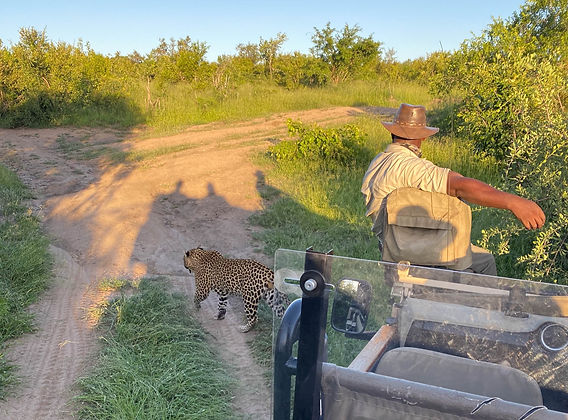
Comprehensive guide to poisonous plants to avoid on safari covering key species, habitats, viewing tips, and conservation status for safari travelers.
The Dangers of the Bush: Poisonous Plants
While the African bush is full of life-giving plants, it is also home to a number of poisonous species. It is important to be aware of these plants and to avoid touching or ingesting them. Your safari guide will be able to point out any poisonous plants in the area and will advise you on how to stay safe. Our knowledge center has more information on safari safety.
Common Poisonous Plants to Look Out For
The castor bean plant is one of the most poisonous plants in the world. All parts of the plant are toxic, and even a small amount can be fatal if ingested. The rosary pea, with its bright red and black seeds, is another highly poisonous plant. The seeds are often used in jewelry, but they are extremely toxic and should never be handled. The candelabra tree, with its milky white sap, can cause skin irritation and blindness if it comes into contact with the eyes. Our safari operators can provide you with a list of poisonous plants to be aware of in the areas you will be visiting.
Still researching? Let us help.
Our advisory team has planned safaris across 9 African countries. We can turn your research into a real plan.
Talk to an AdvisorWhat to Do in Case of Poisoning
If you suspect that you have come into contact with a poisonous plant, it is important to seek medical attention immediately. Do not try to treat the poisoning yourself. If possible, try to identify the plant that you came into contact with, as this will help the doctor to determine the best course of treatment. By being aware of the dangers and taking the necessary precautions, you can enjoy a safe and memorable safari experience. Use our cost calculator to plan your trip.
Common Poisonous Plants to Identify on Safari
While your expert guide is your first line of defense, being able to recognize some of Africa's most common toxic flora is a valuable skill. These plants often look harmless, blending into the landscape, but they pack a potent punch. Here are a few to keep on your radar, not out of fear, but out of respect for the wild environment you are exploring.
The Candelabra Tree (*Euphorbia ingens*)
Named for its resemblance to a branched candlestick, the Candelabra Tree is a large, succulent plant found across East and Southern Africa. Its milky-white latex sap is highly toxic and corrosive. Contact with the skin can cause severe irritation, blistering, and even blindness if it gets into your eyes. It is a crucial plant for the ecosystem but one that demands distance.
> Expert Insight: Local communities have traditionally used the Candelabra's toxic sap for fishing. They would pour it into small bodies of water, and the deoxygenating effect would force fish to the surface. This practice highlights the potency of the plant's toxins and is a powerful reminder to avoid all contact.
The Castor Bean Plant (*Ricinus communis*)
The Castor Bean plant is widespread and often found in disturbed soil along roadsides and riverbeds. While the oil from its seeds has commercial uses, the seeds themselves are famously poisonous, containing the toxin ricin. Ingesting just a few raw seeds can be lethal to an adult. The plant itself is visually striking, with large, star-shaped leaves and spiky seed pods, making it tempting to inspect up close. It's a classic example of beauty masking danger, a common theme in the natural world.
The Sausage Tree (*Kigelia africana*)
Easily identified by its large, sausage-shaped fruits that can weigh up to 10 kg (22 lbs) and hang from long stalks, the Sausage Tree is a common sight in African savannas. While the fruits are consumed by animals like baboons and elephants after ripening, they are poisonous to humans when fresh. Ingesting the unripe fruit can cause severe blistering of the mouth and throat. Furthermore, falling fruits are a significant hazard, and guides will often advise against parking or camping directly underneath these trees.
> Traveler's Tip: Never assume a plant is safe just because you see wildlife eating it. Many African animals have evolved unique metabolic pathways to neutralize toxins that are harmful to humans. When in doubt, follow the golden rule of safari: look, but don't touch. For more essential travel advice, visit our knowledge center.
Symptoms of Plant Poisoning: What to Watch For
Recognizing the signs of plant poisoning is critical for a swift response. Symptoms can vary widely depending on the plant, the toxin, and the level of exposure, but there are general warning signs to be aware of. Prompt identification can make all the difference in getting timely medical help.
Topical (Skin Contact) Symptoms:
- Redness, rash, or severe irritation
- Itching and burning sensations
- Blistering or weeping sores
- Swelling of the affected area
Internal (Ingestion) Symptoms:
- Nausea, vomiting, or diarrhea
- Abdominal cramps and severe pain
- Headache, dizziness, or confusion
- Irregular heartbeat or breathing difficulties
- Burning sensation in the mouth and throat
If you or anyone in your party experiences these symptoms after a walk or outdoor activity, it is crucial to consider plant poisoning as a possibility and act immediately. Our safari operators can help you prepare for a safe and unforgettable journey.
Done Reading? Let's Build Your Safari.
Skip the guesswork. Work with an advisor who has been on the ground across East and Southern Africa.
Plan With UsFirst Aid for Suspected Plant Poisoning
Should you suspect contact with a poisonous plant, your immediate actions are critical. The primary goal is to minimize toxin absorption and seek professional medical help as quickly as possible. Panic is your enemy; a calm and methodical response is your best ally.
- Inform Your Guide Immediately: Your guide is trained in bush first aid and is your most valuable resource. They can help identify the plant, assess the situation, and coordinate an evacuation if necessary.
- For Skin Contact: If sap or plant oils have touched the skin, wash the area thoroughly with soap and cool water as soon as possible. Avoid scrubbing, as this can worsen the irritation. Remove any contaminated clothing.
- For Ingestion: Do not induce vomiting unless explicitly instructed by a medical professional. Do not consume any food or drink. The “wait and see” approach is not an option.
- Identify the Plant (If Possible): If it is safe to do so, take a photo of the plant from a distance. Do not touch it again. This information can be vital for medical staff to administer the correct treatment.
- Seek Medical Attention: Your guide will contact the appropriate medical services. Even if symptoms seem mild, they can escalate quickly. Professional medical evaluation is non-negotiable.
Planning for contingencies is a core part of responsible travel. Before you depart, it's wise to understand your insurance coverage and the medical evacuation procedures available. To get a sense of what a well-planned safari entails, you can plan your safari with our expert team.
Need Expert Safari Guidance?
Get expert advisory support from a firm founded by a former safari guide — with real operational knowledge across 9 African countries and full-journey accountability.
Related Planning Guides
Explore Related Topics
Recommended Reading
 Wildlife Guides
Complete Guide to Safari Ant Species
A comprehensive guide to Complete Guide to Safari Ant Species. Learn about its habitat, behavior, diet, and conservation status.
 Safari Planning
Safari Travel Mistakes to Avoid
Avoid common safari travel mistakes with our expert guide. Learn what not to do when planning your African safari to ensure a smooth, safe, and spectacular journey.
 Safari Planning Guides
How to Plan a Safari for Seniors and Older Travelers
Discover how to plan your dream safari with our expert guide on How to Plan a Safari for Seniors and Older Travelers. Get tips on destinations, costs, and more.
 Safari Planning Guides
How to Plan a Safari for Solo Female Travelers
Discover how to plan your dream safari with our expert guide on How to Plan a Safari for Solo Female Travelers. Get tips on destinations, costs, and more.
 Safari Planning Guides
How to Plan a Safari for Conservation Volunteering
Discover how to plan your dream safari with our expert guide on How to Plan a Safari for Conservation Volunteering. Get tips on destinations, costs, and more.
 Safari Advisor Content
How a Safari Advisor Helps You Avoid Mistakes
Discover the essentials of how a safari advisor helps you avoid mistakes for an unforgettable African safari adventure.