
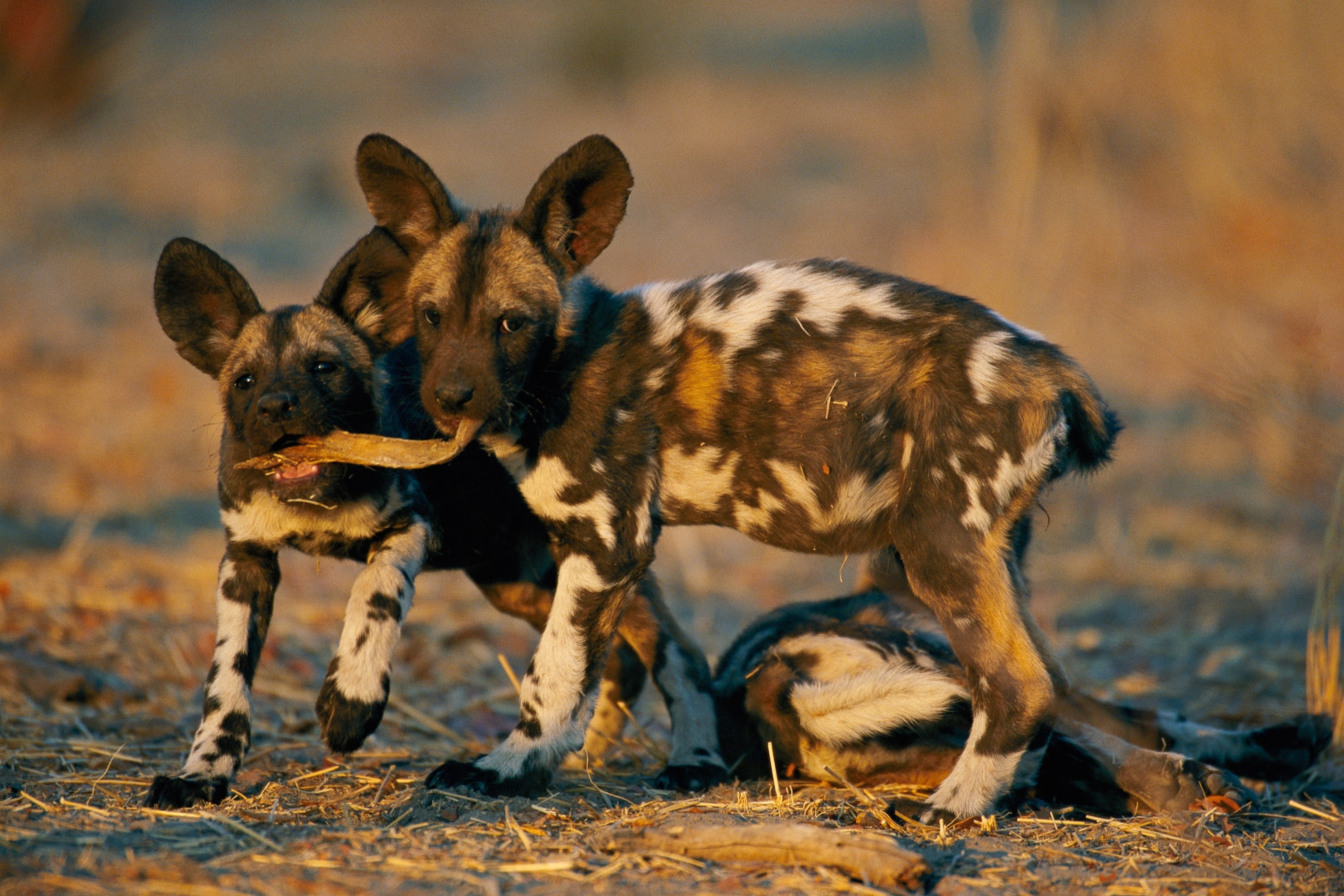
Discover the surprising ways in which the lunar cycle influences the behavior of predators and prey, and how it can impact your night game drive experiences.
The Lunar Effect on Nocturnal Life
The moon, our closest celestial neighbor, has a subtle but significant influence on the nocturnal world of the African bush. The amount of moonlight can affect the behavior of both predators and prey, which in turn can impact the success of night game drives. Understanding these lunar rhythms can add another layer of depth to your safari experience. For more fascinating insights, explore our knowledge center.
Full Moon: A Predator's Challenge
A bright, full moon illuminates the landscape, making it harder for predators to hunt undetected. Lions, leopards, and other nocturnal hunters rely on the cover of darkness to ambush their prey. Under a full moon, their success rates can drop, and they may be less active. However, this can be a good time to spot them resting or socializing. Our safari operators can offer more information on planning your safari around the lunar cycle.
Still researching? Let us help.
Our advisory team has planned safaris across 9 African countries. We can turn your research into a real plan.
Talk to an AdvisorNew Moon: A Predator's Advantage
In contrast, the darkness of a new moon provides the perfect cover for predators. With little to no moonlight, they can move stealthily and get closer to their prey. This is often the best time for witnessing a hunt on a night game drive. The increased predator activity can make for some truly thrilling sightings. To find out which destinations offer the best night drive experiences, visit our guides.
Planning Your Safari Around the Moon
If you are particularly interested in night game drives and nocturnal wildlife, it is worth considering the lunar calendar when planning your trip. A safari during a new moon may offer more dramatic predator action, while a full moon provides a beautifully lit landscape and a different kind of ambiance. To see how this might affect your budget, use our cost calculator.
Beyond Predators: How Moonlight Shapes the Entire Ecosystem
While the predator-prey dynamic is the most dramatic example, the moon's influence extends to other wildlife. For instance, elephants, being intelligent and cautious, are known to increase their crop-raiding activities during the darkest nights of the new moon to avoid encounters with humans. This has been observed in farming communities bordering national parks like Amboseli in Kenya. Similarly, smaller nocturnal creatures, from bush babies to porcupines, adjust their foraging patterns based on moonlight, becoming more active and visible during the darker phases.
Done Reading? Let's Build Your Safari.
Skip the guesswork. Work with an advisor who has been on the ground across East and Southern Africa.
Plan With UsA Photographer's Guide to Lunar Safari Planning
For safari photographers, the phase of the moon is a critical factor. A full moon, while challenging for predator sightings, offers unique photographic opportunities. The bright lunar light can create beautifully backlit silhouettes of giraffes or elephants against the night sky. In contrast, the new moon is ideal for astrophotography, with the Milky Way stretching across the African sky, offering a breathtaking backdrop for long-exposure shots of the landscape. A tripod and a remote shutter release are essential gear for capturing these stunning nocturnal scenes.
Case Study: Lion Behavior in the Serengeti
A long-term study in Tanzania's Serengeti National Park provided concrete evidence of the moon's impact on lion hunting success. Researchers found that lions were significantly more successful in their hunts during the darkest nights. Their hunting success rate dropped with the increasing brightness of the moon. This is a clear example of how the lunar cycle directly influences the survival and behavior of Africa's apex predators. This knowledge is invaluable for safari guides in the Serengeti, who often use the lunar calendar to predict lion activity and increase the chances of their guests witnessing a hunt.
Best Locations for Lunar-Optimized Safaris
While the lunar effect is universal, certain locations in Africa are better equipped to offer exceptional nocturnal safari experiences. The quality of night drives often depends on local regulations, the expertise of the guides, and the specific ecosystem. For travelers keen on maximizing their chances of seeing nocturnal action, choosing the right destination is paramount.
South Luangwa National Park, Zambia: Widely regarded as the birthplace of the walking safari, South Luangwa is also one of the best places in Africa for night drives. The park's regulations permit drives after dark, and its lodges have a long history of training expert guides who can interpret the nocturnal environment. Lodges such as Kaingo Camp and Tena Tena Camp are situated in prime wildlife areas and offer some of the most productive night drives on the continent. During a new moon, the chances of spotting a leopard using the cover of darkness to hunt are exceptionally high here. A trip to South Luangwa can be planned through our expert safari operators who have firsthand knowledge of the region.
Sabi Sand Game Reserve, South Africa: Bordering the Kruger National Park, the private reserves of the Sabi Sand offer a luxurious and exclusive safari experience with fewer restrictions than national parks. Here, guides can drive off-road to follow animals and conduct night drives that extend well after sunset. This flexibility dramatically increases the chances of witnessing a hunt. Lodges like Singita Boulders Lodge and Londolozi are famous for their high density of leopards, and a dark night here can yield incredible sightings of these elusive cats, as well as hyenas and other nocturnal predators. Explore our operator directory to find companies that specialize in this high-end experience.
A Deeper Dive: Species-Specific Lunar Adaptations
The moon's influence extends far beyond just lions. A fascinating web of behavioral adaptations can be observed across a wide range of species, each responding to the changing levels of moonlight in their own unique way.
Leopards: As solitary and stealthy hunters, leopards are masters of concealment. The profound darkness of a new moon is their greatest ally. In areas like the Sabi Sand or the Okavango Delta, they use this period to patrol their territories and ambush prey like impala and duiker. Their incredible eyesight gives them a significant advantage over their prey in low-light conditions, making the new moon the prime time for leopard hunting activity.
Hyenas: While also effective hunters, hyenas are highly social and vocal. During a bright full moon, when hunting is more difficult, their iconic whoops and calls may travel further across the open plains. This can be a time for increased social interaction and territorial marking within the clan, offering a different but equally fascinating spectacle.
Prey Species: For animals like zebra, wildebeest, and impala, the new moon is a time of high anxiety. They exhibit increased vigilance, spending more time scanning their surroundings and less time grazing. Herds may move to more open areas where they have a better field of view to detect approaching predators, a behavioral shift that skilled guides will use to anticipate where predator action might occur.
Practical Planning: A Moon Phase Comparison for Your Safari
To help you decide on the best time for your safari, here is a comparative table that breaks down the experience by moon phase. This can be a crucial discussion point when you connect with our safari operators.
| Moon Phase | Predator Activity | Prey Behavior | Photography Opportunities | Night Drive Ambiance | |---------------|----------------------------------------------------|---------------------------------------------|----------------------------------------------------------|----------------------------------------------------------| | New Moon | High. Ideal hunting conditions for lions, leopards. | High alert. Herds are nervous and vigilant. | Excellent for astrophotography. The Milky Way is spectacular. | Thrilling and intense. High chance of witnessing a hunt. | | Quarter Moon| Moderate. A good balance of some light and some darkness. | Moderate vigilance. Less tense than the new moon. | Good. Some ambient light for creative shots without a flash. | Balanced. A mix of action and atmospheric scenery. | | Full Moon | Low. Predators are less active and harder to spot. | Relaxed. Animals are calmer and graze more freely. | Unique. Great for silhouettes and moody, moonlit landscapes. | Serene and beautiful. The bush is bathed in silver light. |
Need Expert Safari Guidance?
Get expert advisory support from a firm founded by a former safari guide — with real operational knowledge across 9 African countries and full-journey accountability.
Related Planning Guides
Recommended Reading
 Season & Timing Guides
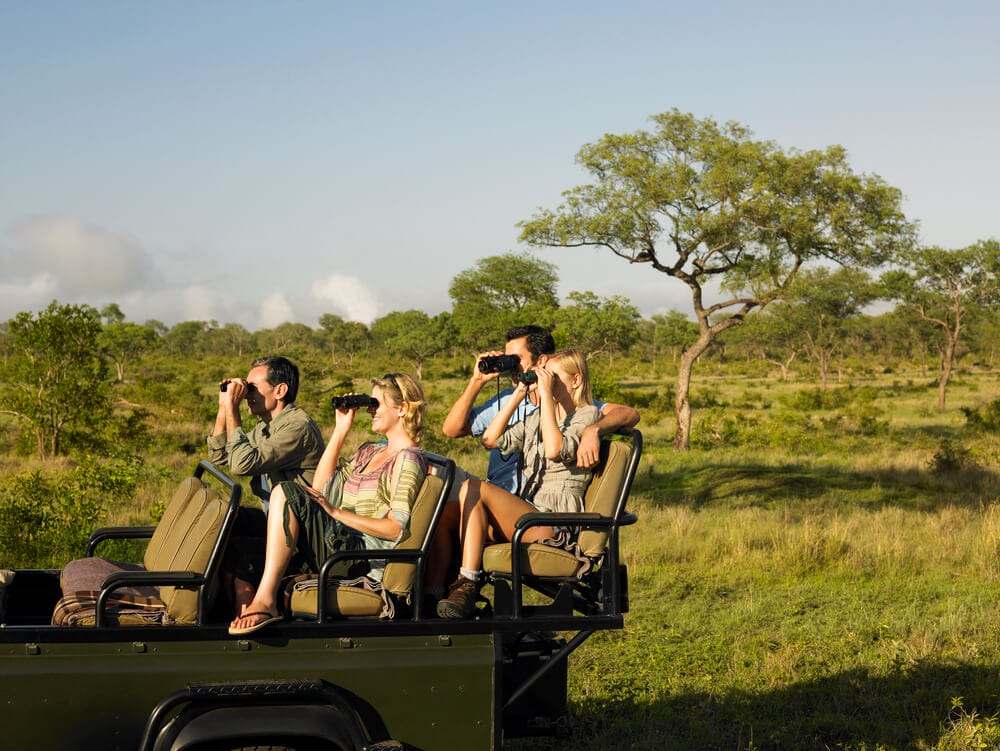
How Rainfall Affects Safari Wildlife Viewing
Learn how rainfall patterns influence wildlife behavior and distribution, and what it means for your safari game viewing experience in Africa.
 Season & Timing Guides
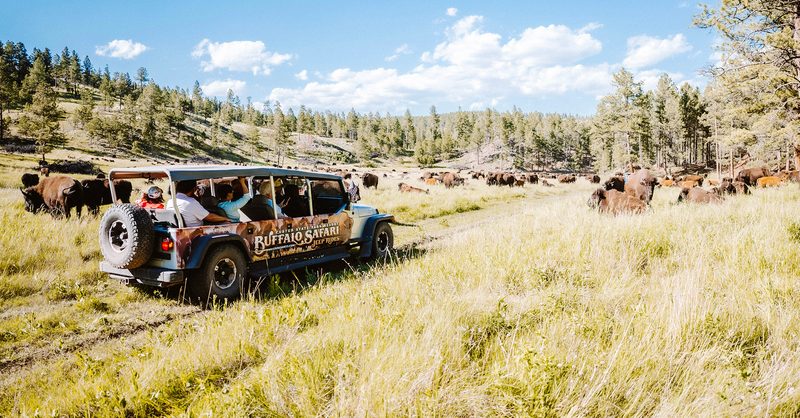
How Temperature Affects Safari Wildlife Activity
Understand how temperature fluctuations influence the daily activity patterns of safari animals, and how to time your game drives for optimal wildlife sightings.
 Season & Timing Guides
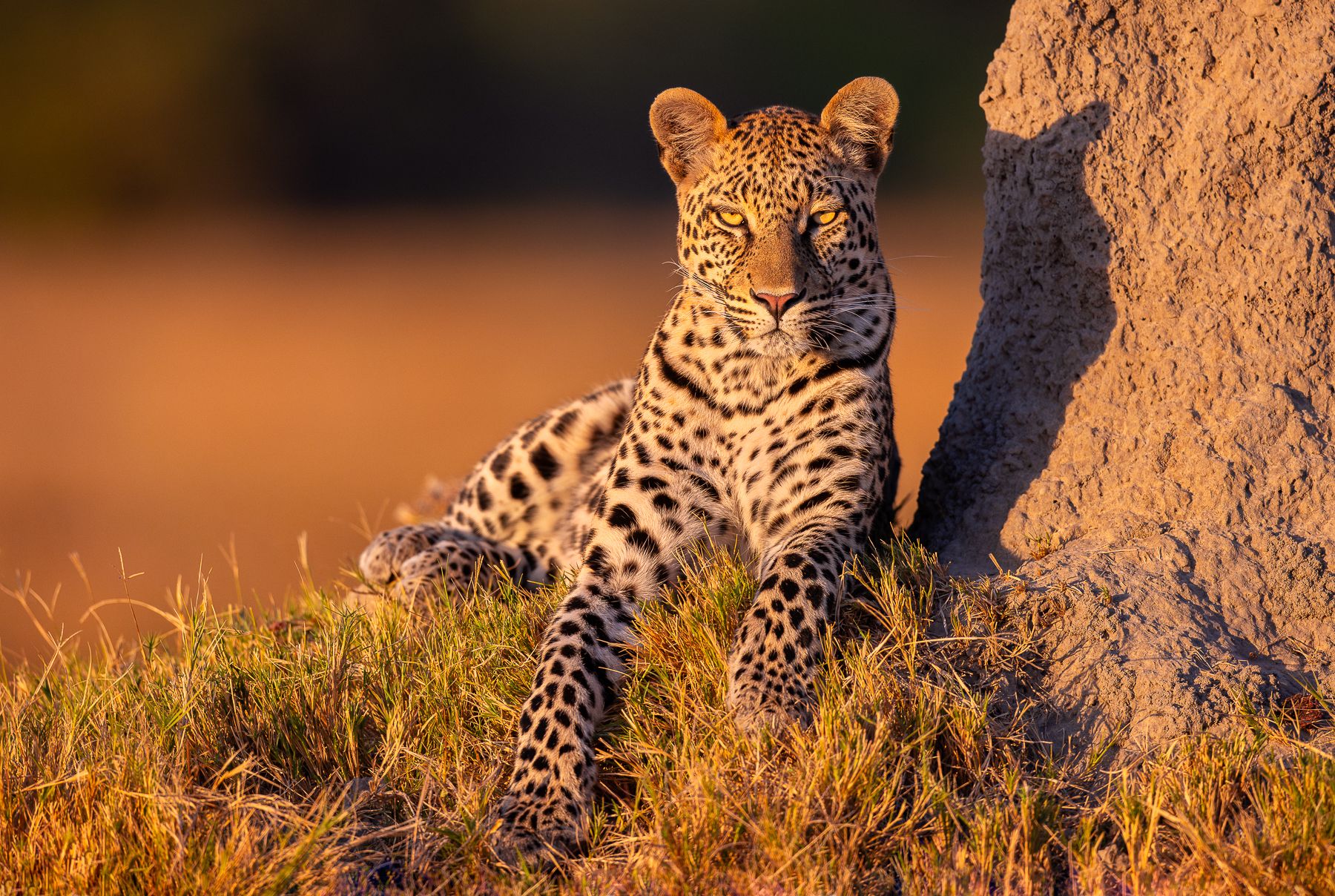
How Tides Affect Coastal Safari Experiences
Learn how the ebb and flow of tides shape coastal ecosystems and influence wildlife activities, from marine life to birdwatching, on a coastal safari.
 Safari Planning Guides
How to Plan a Safari for Night Wildlife Viewing
Learn about how to plan a safari for night wildlife viewing in this comprehensive safari guide covering key insights and practical advice.
 Travel Logistics
Safari Noise and Wildlife at Night
A comprehensive guide to Safari Noise and Wildlife at Night. Learn everything you need to know for your safari adventure.
Safari SafetyWildlife Safety on Safari
Planning an African safari? Our guide to wildlife safety provides essential tips for staying safe around wild animals, from game drives to walking safaris.