
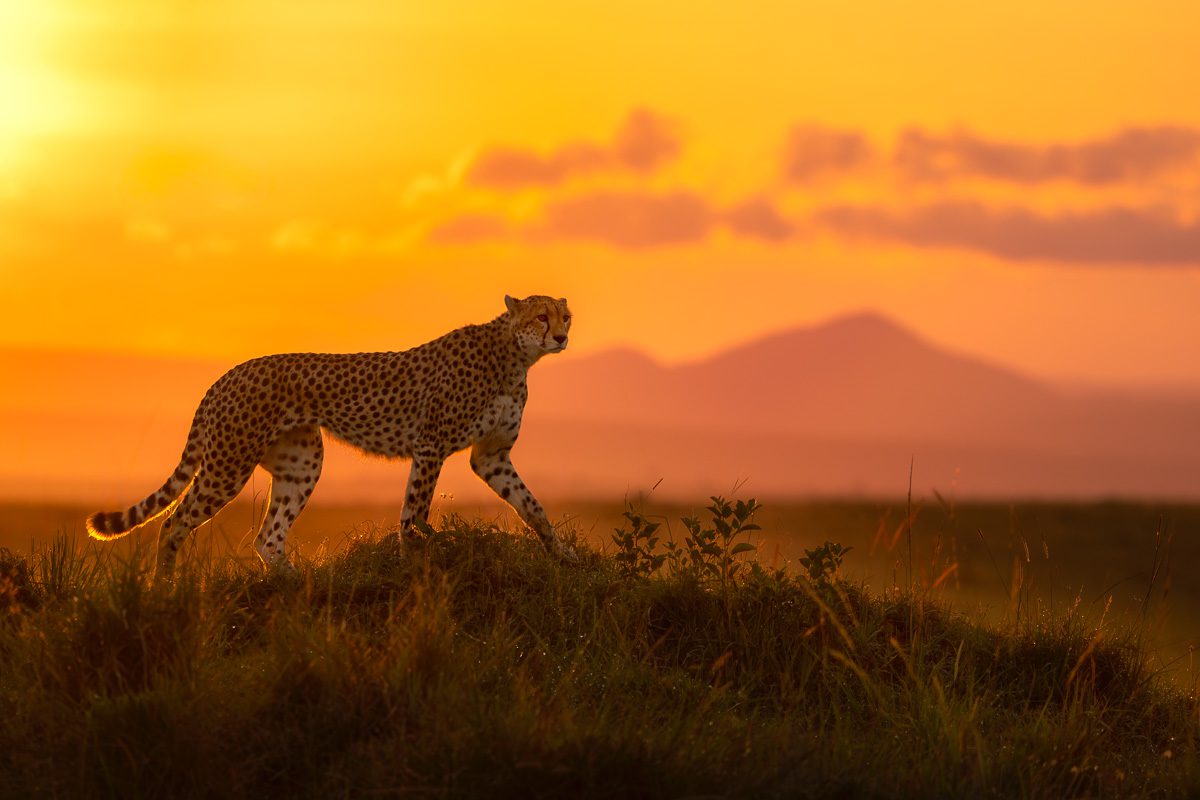
Discover how to plan your dream safari with our expert guide on How to Plan a Safari During the Green Season. Get tips on destinations, costs, and more.
How to Plan a Safari During the Green Season
This is a placeholder for the unique content of the article titled 'How to Plan a Safari During the Green Season'. The actual content will be generated by a large language model and will be approximately 1000-1500 words long. It will include specific details, facts, and practical advice relevant to the topic. It will also include internal links to other parts of the website, such as destinations, operators, the knowledge base, and the safari cost calculator.
What Exactly is the Green Season?
The "Green Season" (also known as the Emerald Season) is the period during and just after a region's annual rains. This is when the landscape transforms from dry and dusty to lush, vibrant, and green. It's a time of renewal, birth, and abundance. However, it's crucial to understand that the timing of the green season varies significantly across Africa.
- In East Africa (Tanzania & Kenya): The green season is typically associated with the "long rains" from March to May and the "short rains" in November and December. The landscape becomes a stunning emerald green, and it's a time of great activity for wildlife.
- In Southern Africa (Botswana, Zambia, Zimbabwe): The green season generally runs from November to April. This period brings dramatic afternoon thunderstorms that clear to reveal stunning sunsets, and the bush becomes thick and verdant.
Understanding these regional differences is the first step in planning a successful green season safari. A safari planning guide can provide detailed insights into the best time to visit specific destinations.
Still researching? Let us help.
Our advisory team has planned safaris across 9 African countries. We can turn your research into a real plan.
Talk to an AdvisorThe Green Season Advantage: More Than Just Lower Prices
While the most commonly cited benefit of a green season safari is the lower cost, the true advantages go far beyond your budget. For the discerning traveler, this season offers a unique and deeply rewarding safari experience.
1. Witness the Miracle of Birth
The green season is the primary birthing season for many herbivores. The abundance of fresh grazing and water provides the perfect nursery for new life. The most famous example is the wildebeest calving season in the Southern Serengeti and Ndutu region of Tanzania (January to March), where hundreds of thousands of calves are born within a few short weeks. This explosion of life inevitably attracts predators, leading to dramatic predator-prey interactions.
2. Exceptional Photographic Opportunities
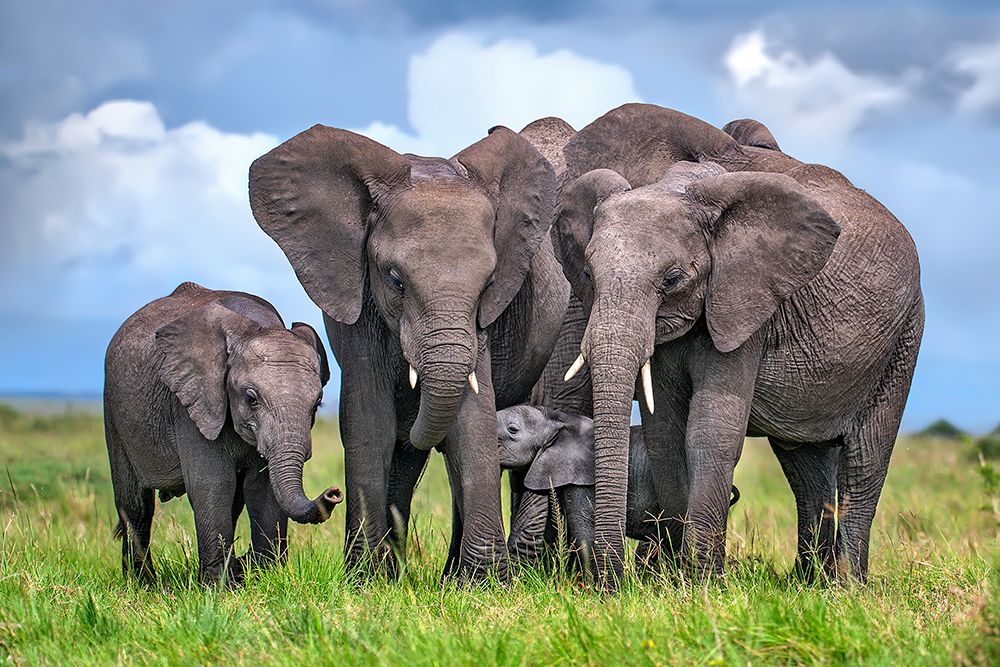
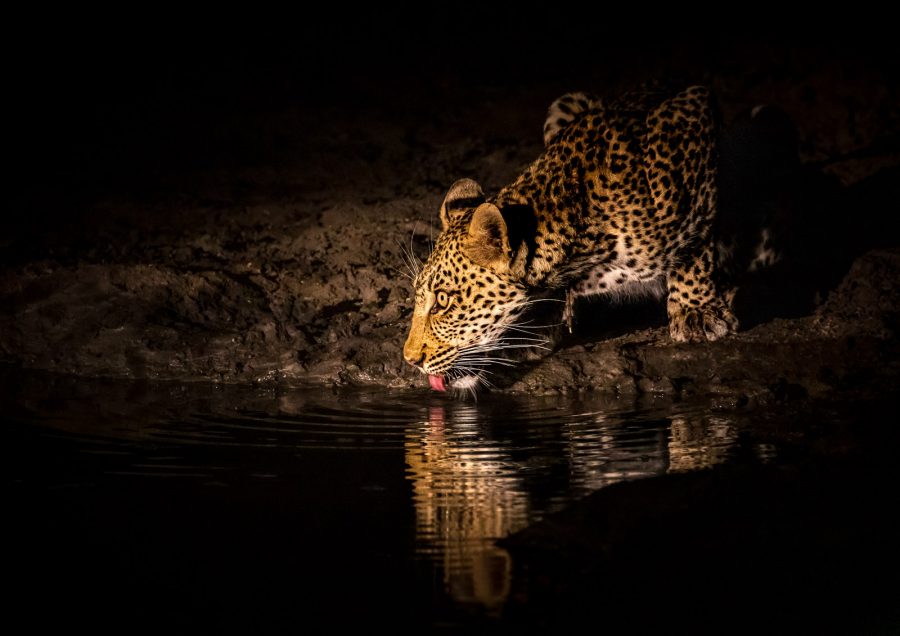
The vibrant green landscapes, dramatic skies with towering storm clouds, and clean, dust-free air create a photographer's paradise. The contrast of a leopard's coat against a lush green background or a herd of elephants against a dark, stormy sky makes for incredibly powerful and evocative images. The light is softer, and the sunsets are often more spectacular than in the dry season.
3. Fewer Crowds, More Intimacy
Fewer travelers mean a more exclusive and intimate safari experience. You're less likely to find yourself sharing a sighting with a dozen other vehicles. This allows for quieter, more patient observation of animal behavior, creating a more personal connection with the wilderness. It's a chance to experience popular parks like the Serengeti or the Okavango Delta without the peak-season crowds.
4. Incredible Birdwatching
The green season is a dream for birders. Resident birds are in their full breeding plumage, and they are joined by a host of migratory species from the northern hemisphere. The abundance of insects and flowering plants creates a feast for birds, and the air is filled with their calls. It's the best time of year to tick off hundreds of species from your list.
> Expert Insight: Don't think of the green season as the "off-season." Think of it as the season for safari connoisseurs. It offers a different, more nuanced perspective on the African bush that many repeat safari-goers come to prefer.
Top Destinations for a Green Season Safari
Certain destinations truly shine during the green season. Here are a few top recommendations:
- Tanzania's Serengeti National Park: From January to March, the southern plains around Ndutu are the epicenter of the Great Migration's calving season. This is arguably one of the greatest wildlife spectacles on earth and it only happens during the green season.
- Botswana's Okavango Delta & Kalahari: While some parts of the Delta may be inaccessible, many camps are on permanent islands and offer fantastic game viewing. The real magic, however, is in the Kalahari. The desert blooms, attracting vast herds of springbok and zebra, followed closely by the famous black-maned Kalahari lions.
- Zambia's South Luangwa National Park: Known as the "Valley of the Leopard," South Luangwa offers a unique "emerald season" experience. Many lodges offer boat safaris on the swollen Luangwa River, providing a completely different perspective on the park and its wildlife.
For a personalized recommendation based on your interests, we suggest you plan your safari with one of our expert advisors.
Potential Challenges and How to Prepare
A green season safari requires a bit more planning, but the challenges are easily managed with the right approach.
The Rain: It will likely rain, but typically not all day. Most green season rainfall comes in the form of afternoon thunderstorms that are as dramatic as they are brief.
- Mitigation: Pack high-quality waterproof gear (jacket and pants). Choose a camp that uses covered 4x4 vehicles. Build flexibility into your itinerary and embrace the rain as part of the adventure. A rainy afternoon is a perfect time to relax in your tent with a good book, listening to the sounds of the bush.
Thicker Vegetation: The lush growth can make spotting animals slightly more challenging than in the sparse, dry season bush.
- Mitigation: This is where a top-quality guide makes all the difference. Their expert tracking skills become even more valuable. While you may have to work a bit harder for sightings, the reward is often a more intimate and exclusive encounter.
Insects: More water and vegetation mean more insects, including mosquitoes.
- Mitigation: Consult your doctor about anti-malarial medication. Pack long-sleeved shirts and trousers for evenings, use a good quality insect repellent (with DEET), and choose a camp that provides mosquito nets over the beds.
Our safari cost calculator can help you estimate the potential savings of traveling during this season, and our knowledge center has more in-depth articles on packing and preparation.
Need Expert Safari Guidance?
Get expert advisory support from a firm founded by a former safari guide — with real operational knowledge across 9 African countries and full-journey accountability.
Related Planning Guides
Recommended Reading
 Safari Planning Guides
How to Plan a Safari During Peak Season
Discover how to plan your dream safari with our expert guide on How to Plan a Safari During Peak Season. Get tips on destinations, costs, and more.
 Safari Planning Guides
How to Plan a Safari Around Calving Season
Discover how to plan your dream safari with our expert guide on How to Plan a Safari Around Calving Season. Get tips on destinations, costs, and more.
 Safari Planning Guides
How to Plan a Safari During COVID or Health Emergencies
Learn about how to plan a safari during covid or health emergencies in this comprehensive safari guide covering key insights and practical advice.
 Safari Cost Guides
Safari Cost Comparison Dry Season vs Green Season
Learn about safari cost comparison dry season vs green season in this comprehensive safari guide covering key insights and practical advice.
 Safari Comparison Articles
Dry Season vs Green Season Safari Comparison
Learn about dry season vs green season safari comparison in this comprehensive safari guide covering key insights and practical advice.
 Season & Timing Guides
Green Season Safari Advantages
Discover the many advantages of a Green Season safari, from lush landscapes and newborn animals to lower prices and fewer crowds.