
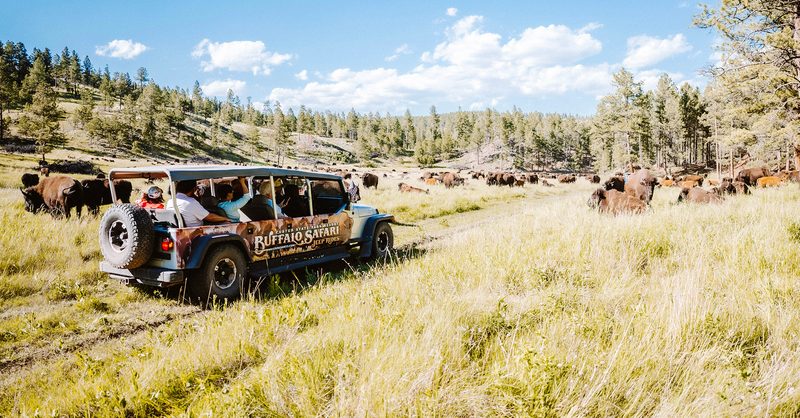
Understand how temperature fluctuations influence the daily activity patterns of safari animals, and how to time your game drives for optimal wildlife sightings.
The Role of Temperature in Animal Behavior
Temperature plays a crucial role in the daily lives of African wildlife. As most animals are ectothermic, their body temperature is influenced by the surrounding environment. This means that their activity levels are often dictated by the time of day and the ambient temperature. Planning your game drives around these patterns can significantly enhance your wildlife viewing experience. Our safari operators can provide more detailed guidance on this.
Morning and Evening Activity
Early mornings and late afternoons are the golden hours for safari game drives. During these times, the temperatures are cooler, and animals are most active. Predators like lions and leopards are often on the move, hunting or returning from a night of activity. Herbivores are also actively grazing before the heat of the day sets in. For more tips on safari planning, visit our knowledge center.
Still researching? Let us help.
Our advisory team has planned safaris across 9 African countries. We can turn your research into a real plan.
Talk to an AdvisorMidday Siesta
As the sun climbs higher and the temperatures soar, most animals seek shelter in the shade to conserve energy. The midday hours are generally a quiet time in the bush, with little animal activity. This is a good time for you to relax at the lodge, take a dip in the pool, or enjoy a leisurely lunch. Understanding the rhythm of the bush is part of the safari experience. To see how this might affect the cost of your safari, check out our cost calculator.
Nocturnal Activity
Many fascinating species are nocturnal, meaning they are most active at night. This includes animals like genets, civets, porcupines, and aardvarks. Night game drives, where permitted, offer a unique opportunity to witness this hidden world. The cooler night temperatures bring out a different cast of characters, adding another dimension to your safari adventure. Explore our destinations to find out where night drives are offered.
_This content is written by an expert safari guide._
The "Golden Hours": Myth vs. Reality
Every safari guide and travel blog rightfully praises the "golden hours" of dawn and dusk as the prime time for game viewing. The soft, angled light is a photographer's dream, and the cooler temperatures stir predators and prey alike into action. Lions, leopards, and cheetahs often use the cover of twilight to hunt, while herbivores are on high alert, creating a dynamic and often dramatic viewing experience. This is when you are most likely to see a chase unfold or witness the raw power of a predator at work.
However, branding these hours as the only productive time for wildlife viewing is a common oversimplification. The reality is more nuanced and depends heavily on the season, location, and specific ecosystem. For instance, in the cooler, dry season of Botswana's Okavango Delta (June to August), daytime temperatures are mild enough that many animals remain active well into the late morning. You might find a pride of lions finishing a kill or a herd of elephants enjoying a midday drink long after the "golden hour" has passed. Conversely, during the sweltering heat of Zambia's Luangwa Valley in October, the window of activity can be incredibly short, with most animals seeking shade by 8:00 AM.
> Expert Insight: Don't get discouraged if you don't see a kill first thing in the morning. The hours following sunrise are also a critical time for tracking. Predators who hunted during the night will be on the move, heading to a watering hole for a drink or a shady spot to rest. An experienced guide can read the tracks and signs left behind, turning a quiet morning into a thrilling pursuit that could lead to a spectacular sighting. Our safari operators can connect you with operators known for their exceptional guides.
Done Reading? Let's Build Your Safari.
Skip the guesswork. Work with an advisor who has been on the ground across East and Southern Africa.
Plan With UsBeyond Temperature: The Impact of Rain and Wind
While temperature is a primary driver, other weather phenomena like rain and wind play a significant role in wildlife behavior. A sudden downpour can dramatically alter the landscape and animal activity. In normally arid regions like Namibia's Damaraland or Kenya's Samburu National Reserve, the arrival of rain is a life-giving event that can trigger a flurry of activity. Herbivores rejoice in the fresh grazing, and the entire ecosystem seems to breathe a sigh of relief.
Rain also clears the air of dust, creating crisp, clear light perfect for photography. Furthermore, it washes away old tracks, making it easier for your guide to find fresh spoor of elusive animals like leopards or rhinos. A light shower can also be a fantastic time to see birds, as insects are brought to the surface, providing an easy meal.
Wind, on the other hand, often has the opposite effect. Strong winds make it difficult for animals to hear and smell approaching danger, causing them to become skittish and seek shelter. The rustling of leaves and grass masks the subtle sounds of a predator's approach, putting the entire bush on edge. For this reason, windy days can be challenging for game viewing. However, they can also present unique opportunities. Predators may use the wind to their advantage, using the noise and scent disruption to stalk their prey more effectively.
> Traveler's Tip: Don't be deterred by a rainy forecast, especially during the "green season" (typically November to April in many parts of Southern and East Africa). These seasons offer lush landscapes, fewer crowds, and often lower prices. The afternoon thunderstorms are usually brief and are followed by beautiful sunsets and active wildlife. Discuss your travel dates with our safari operators to understand the seasonal trade-offs for your chosen destinations.
Planning Your Safari Around Climate: A Strategic Approach
Understanding the interplay between temperature, weather, and wildlife is not just an academic exercise; it is a critical component of strategic safari planning. The timing of your trip can have a greater impact on your experience than almost any other factor. Here’s how to think about it strategically:
1. Define Your Priorities: What is your primary goal? Are you a photographer seeking dramatic lighting and predator action? Or are you more interested in seeing large herds and migratory movements? Your answer will guide your destination and timing. For instance, the Great Migration in the Serengeti and Masai Mara is a spectacle driven by rainfall and the availability of fresh grass. To witness the dramatic river crossings, you'll need to target a specific window (typically July-September), which also coincides with the dry, cooler season.
2. Embrace the Shoulder Seasons: The peak dry season (June-October in much of East and Southern Africa) is popular for a reason: wildlife is concentrated around water sources, and the weather is generally pleasant. However, this also means higher costs and more vehicles. The "shoulder seasons"—the transition periods between the wet and dry seasons (e.g., May, November)—can offer a fantastic balance. Temperatures are still moderate, the landscape is green and vibrant, and you may find better deals and fewer crowds. Consult our cost calculator to see how pricing varies by season.
3. Consider Altitude and Geography: Not all African destinations are scorching hot. High-altitude locations like the Ngorongoro Crater in Tanzania or the highlands of Kenya offer surprisingly cool temperatures, especially in the evenings and early mornings. A fleece jacket is essential year-round in these areas. Conversely, low-lying valleys like the Lower Zambezi in Zambia or Mana Pools in Zimbabwe can become intensely hot, particularly in the late dry season (September-October). This heat concentrates wildlife in and around the rivers, creating incredible viewing opportunities for those who can tolerate the high temperatures.
> Expert Insight: When planning your safari, think in terms of micro-climates. A single country can have vastly different weather patterns. For example, the coastal regions of Kenya are hot and humid, while the Laikipia Plateau is temperate and cool. A well-designed itinerary, crafted with the help of our safari operators, can leverage these differences to create a more comfortable and rewarding experience. Plan your safari with our team to build a custom itinerary based on your climate preferences.
Case Studies: Temperature in Action
To bring these concepts to life, let's look at two contrasting examples:
Case Study 1: South Luangwa National Park, Zambia (October)
October in the Luangwa Valley is famously known as "suicide month" for its intense heat, with daytime temperatures regularly soaring above 40°C (104°F). The Luangwa River becomes the park's lifeline, and the wildlife action is incredibly concentrated. The heat forces animals into predictable patterns. Large herds of buffalo and elephant are never far from the river, and the shrinking lagoons trap fish, attracting flocks of pelicans, storks, and other water birds in a feeding frenzy. For predators, this is a time of plenty. Lions know exactly where to wait for their prey, and leopards, normally elusive, are often seen resting in the shade of sausage trees near the water's edge. While the heat is extreme, the game viewing is exceptionally reliable and dramatic. A safari at this time is a testament to survival in a harsh environment.
Case Study 2: Serengeti National Park, Tanzania (February)
February falls within the green season in the Southern Serengeti. This is the calving season for the great wildebeest migration. The landscape is a vast, green carpet of nutritious grass, fueled by seasonal rains. Temperatures are warm and pleasant, with afternoon showers that cool the air. The abundance of food and water means the herds are dispersed, but the sheer number of animals is staggering. More importantly, the presence of thousands of newborn wildebeest calves creates a target-rich environment for predators. Cheetahs, lions, and hyenas are all exceptionally active, taking advantage of the vulnerable young. This is a time of new life and high drama, offering a completely different but equally thrilling experience compared to the dry season. It's a perfect example of how a milder, wetter climate can create its own unique spectacle.
By understanding these dynamics, you can move beyond a generic "best time to travel" approach and start planning a safari that is truly aligned with your interests and tolerance for different climates. Whether you seek the intense, raw survival stories of the dry season or the vibrant, life-filled landscapes of the green season, there is a perfect safari waiting for you. Dive deeper into our knowledge center to learn more about specific parks and seasonal patterns.
Need Expert Safari Guidance?
Get expert advisory support from a firm founded by a former safari guide — with real operational knowledge across 9 African countries and full-journey accountability.
Related Planning Guides
Recommended Reading
 Season & Timing Guides
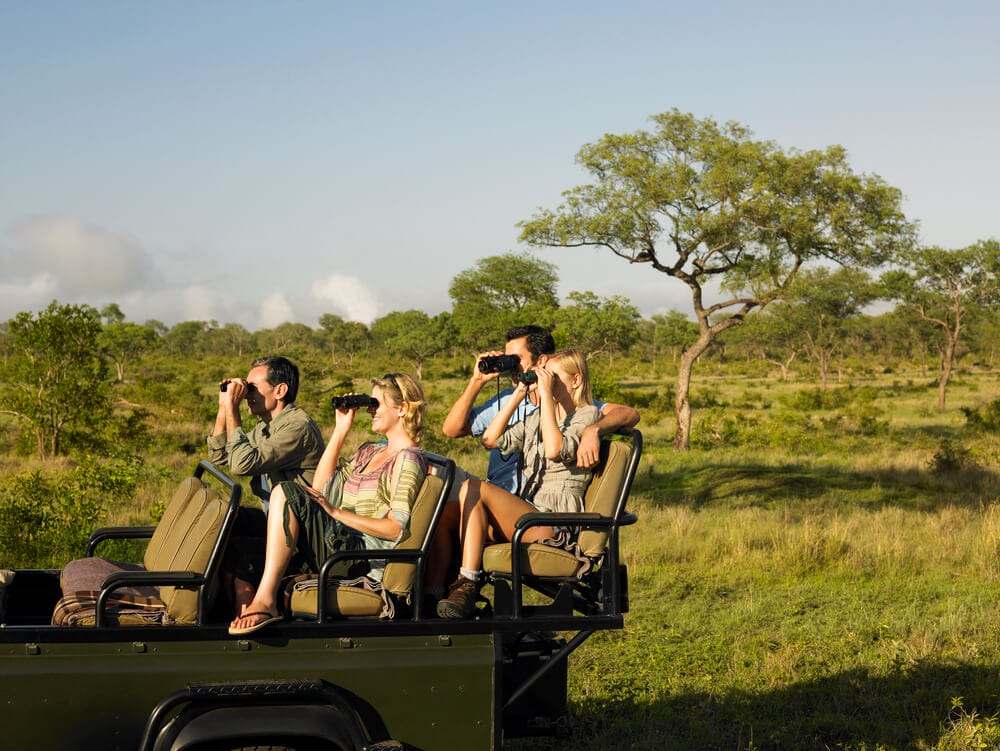
How Rainfall Affects Safari Wildlife Viewing
Learn how rainfall patterns influence wildlife behavior and distribution, and what it means for your safari game viewing experience in Africa.
 Season & Timing Guides
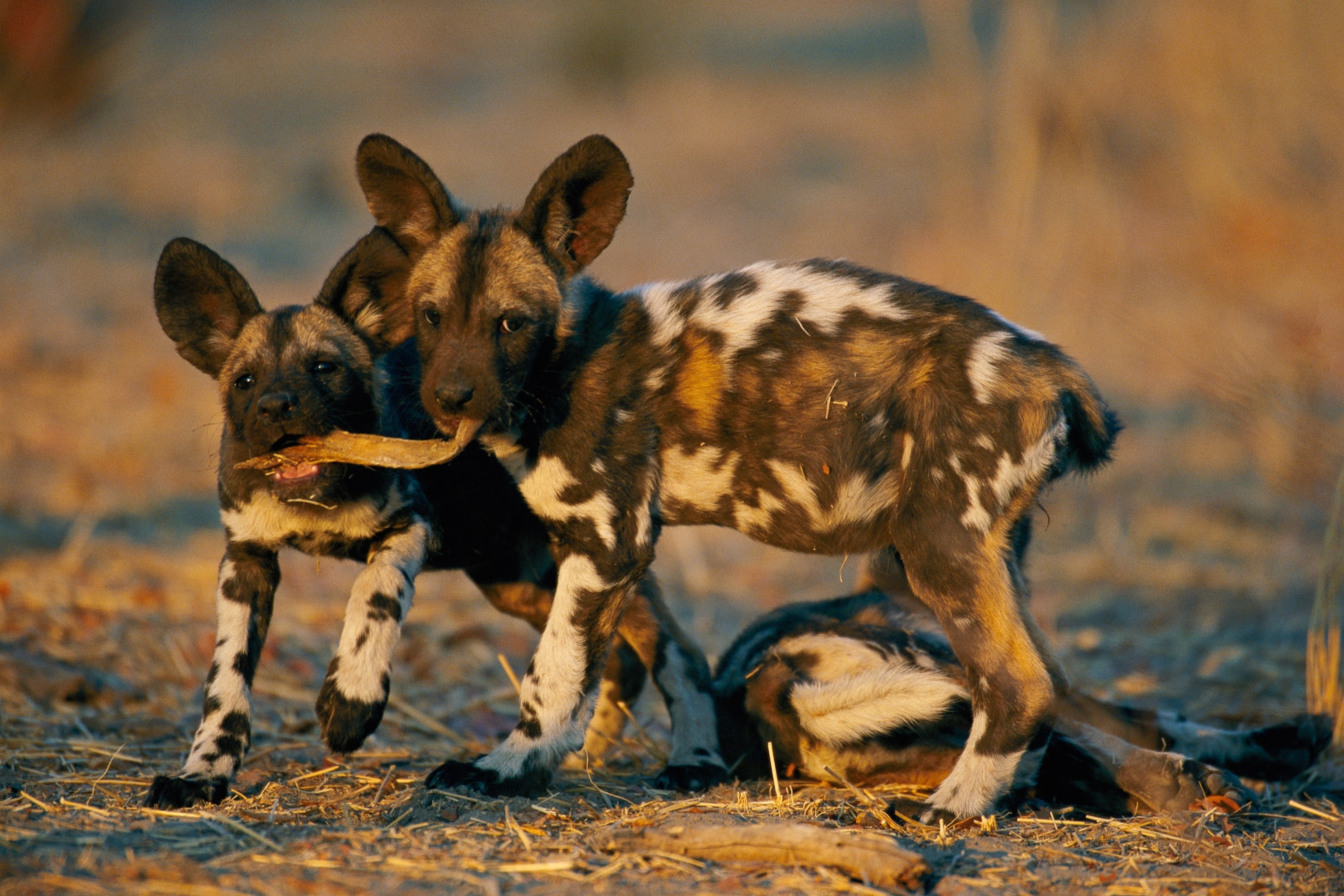
How Moon Phases Affect Safari Wildlife
Discover the surprising ways in which the lunar cycle influences the behavior of predators and prey, and how it can impact your night game drive experiences.
 Season & Timing Guides
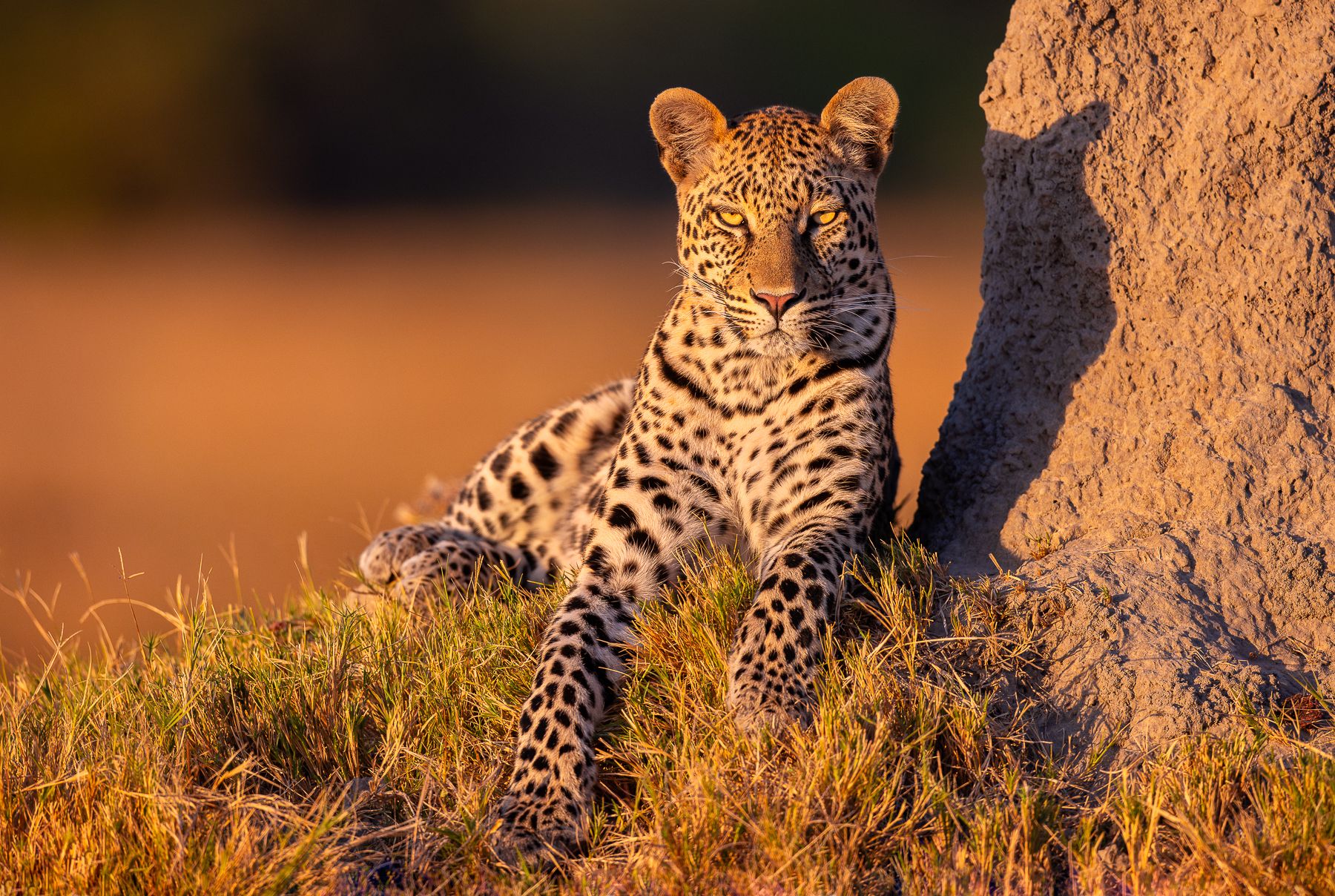
How Tides Affect Coastal Safari Experiences
Learn how the ebb and flow of tides shape coastal ecosystems and influence wildlife activities, from marine life to birdwatching, on a coastal safari.
 Safari Comparison Articles
Birding Safari vs Wildlife Safari
An in-depth comparison of Birding Safari vs Wildlife Safari to help you choose the perfect safari experience. Explore the pros, cons, and key differences to mak
 Safari Comparison Articles
Cultural Safari vs Wildlife Safari
An in-depth comparison of Cultural Safari vs Wildlife Safari to help you choose the perfect safari experience. Explore the pros, cons, and key differences to ma
 Safari Comparison Articles
Predator-Focused Safari vs General Wildlife Safari
An in-depth comparison of Predator-Focused Safari vs General Wildlife Safari to help you choose the perfect safari experience. Explore the pros, cons, and key d