
Discover how to plan your dream safari with our expert guide on How to Plan a Safari Around the Great Migration. Get tips on destinations, costs, and more.
How to Plan a Safari Around the Great Migration
This is a placeholder for the unique content of the article titled 'How to Plan a Safari Around the Great Migration'. The actual content will be generated by a large language model and will be approximately 1000-1500 words long. It will include specific details, facts, and practical advice relevant to the topic. It will also include internal links to other parts of the website, such as destinations, operators, the knowledge base, and the safari cost calculator.
Understanding the Great Migration: A Natural Wonder
The Great Wildebeest Migration is the largest overland mammal migration in the world, a continuous, circular journey of over 1.5 million wildebeest, 200,000 zebras, and 300,000 Thomson's gazelles across the Serengeti-Mara ecosystem. This incredible spectacle is driven by the relentless search for fresh grazing and water, dictated by the seasonal rains. It is a drama of life and death, where the herds face challenges from predators and the environment itself.
Contrary to a common misconception, the Great Migration is not a single event but a year-round phenomenon. The herds are in constant motion, and planning a safari around it requires a deep understanding of their movements. The migration is not a simple north-to-south journey; it is a complex, clockwise rotation through Tanzania's Serengeti National Park and Kenya's Maasai Mara National Reserve.
Expert Insight: While the wildebeest are the main players, the zebras and gazelles play a crucial role. Zebras eat the longer, tougher grasses, preparing the way for the wildebeest, who in turn graze the medium-length grasses. The gazelles then follow, feeding on the shortest grasses and newly exposed vegetation. This symbiotic relationship is a fascinating aspect of the migration to observe.
Still researching? Let us help.
Our advisory team has planned safaris across 9 African countries. We can turn your research into a real plan.
Talk to an AdvisorThe Great Migration: A Month-by-Month Guide
Timing is everything when planning a Great Migration safari. The herds' location varies significantly throughout the year, so your itinerary must be carefully planned to maximize your chances of witnessing this incredible event. Here is a month-by-month breakdown of the migration's typical pattern:
- December to March (Southern Serengeti, Tanzania): This is the calving season, a time of new life and intense predator action. The herds are concentrated in the southern Serengeti and the Ngorongoro Conservation Area, where the volcanic soils provide nutrient-rich grasses for the newborn calves. This is an excellent time for a safari, as the vast, open plains offer incredible game viewing opportunities. You can find more information about this region in our destinations section.
- April to May (Central and Western Serengeti, Tanzania): As the long rains begin, the herds start their journey north and west. This is a transitional period, and the herds can be more dispersed. While the rains can make travel more challenging, this is also a time of lush landscapes and fewer crowds. Our safari operators can help you navigate the logistics of a safari during this season.
- June to July (Western and Northern Serengeti, Tanzania): The herds continue their northward trek, with some crossing the Grumeti River in the Western Serengeti. This is the first of the major river crossings, offering dramatic scenes of crocodiles preying on the wildebeest. By July, the herds are reaching the northern Serengeti, and the first crossings of the Mara River may begin.
- August to October (Northern Serengeti, Tanzania, and Maasai Mara, Kenya): This is the peak of the Great Migration and the most popular time for a safari. The herds are in the northern Serengeti and the Maasai Mara, and the dramatic Mara River crossings are in full swing. This is a time of high drama and incredible photographic opportunities. You can use our cost calculator to estimate the cost of a safari during this peak season.
- November (Central Serengeti, Tanzania): The short rains begin, and the herds start their journey south again, moving through the central Serengeti. This is another transitional period, but it can still offer excellent game viewing as the herds move through the Seronera Valley.
Traveler's Tip: While the month-by-month guide provides a general overview, the timing of the migration can vary from year to year depending on the rains. It is essential to work with a knowledgeable safari planning guide who has access to up-to-date information on the herds' location.
Planning Your Great Migration Safari: Key Considerations
Planning a safari around the Great Migration requires careful consideration of several factors to ensure a successful and memorable experience. Here are some key aspects to keep in mind:
- Booking in Advance: The Great Migration is a popular event, and accommodations, especially during the peak season (August to October), can be booked up a year or more in advance. It is crucial to plan and book your safari well in advance to secure your preferred lodges or camps. Our plan your safari tool can help you get started.
- Choosing the Right Accommodation: There are various accommodation options available, from luxury lodges to mobile camps that move with the herds. Mobile camps offer a more immersive experience, placing you in the heart of the action. Lodges, on the other hand, provide more comfort and amenities. The choice depends on your budget and travel style.
- Selecting a Reputable Safari Operator: A knowledgeable and experienced safari operator is essential for a successful Great Migration safari. Look for operators with a deep understanding of the ecosystem, experienced guides, and a commitment to responsible tourism. Our safari operators can connect you with trusted operators.
- Private vs. Group Safari: You can choose between a private safari, which offers more flexibility and a personalized experience, or a group safari, which is a more budget-friendly option. A private safari allows you to customize your itinerary and spend as much time as you want at sightings.
- Cost of a Great Migration Safari: The cost of a Great Migration safari can vary significantly depending on the time of year, the level of accommodation, and the duration of your trip. Our cost calculator can provide a detailed estimate based on your preferences.
Traveler's Tip: Don't try to cram too much into your itinerary. The Serengeti is a vast park, and travel times between different areas can be long. It is better to focus on one or two key areas to maximize your game viewing time.
Beyond the Migration: Other Wildlife Encounters
While the Great Migration is the main attraction, the Serengeti-Mara ecosystem is home to an incredible diversity of wildlife. Your safari will offer opportunities to see a wide range of other animals, including:
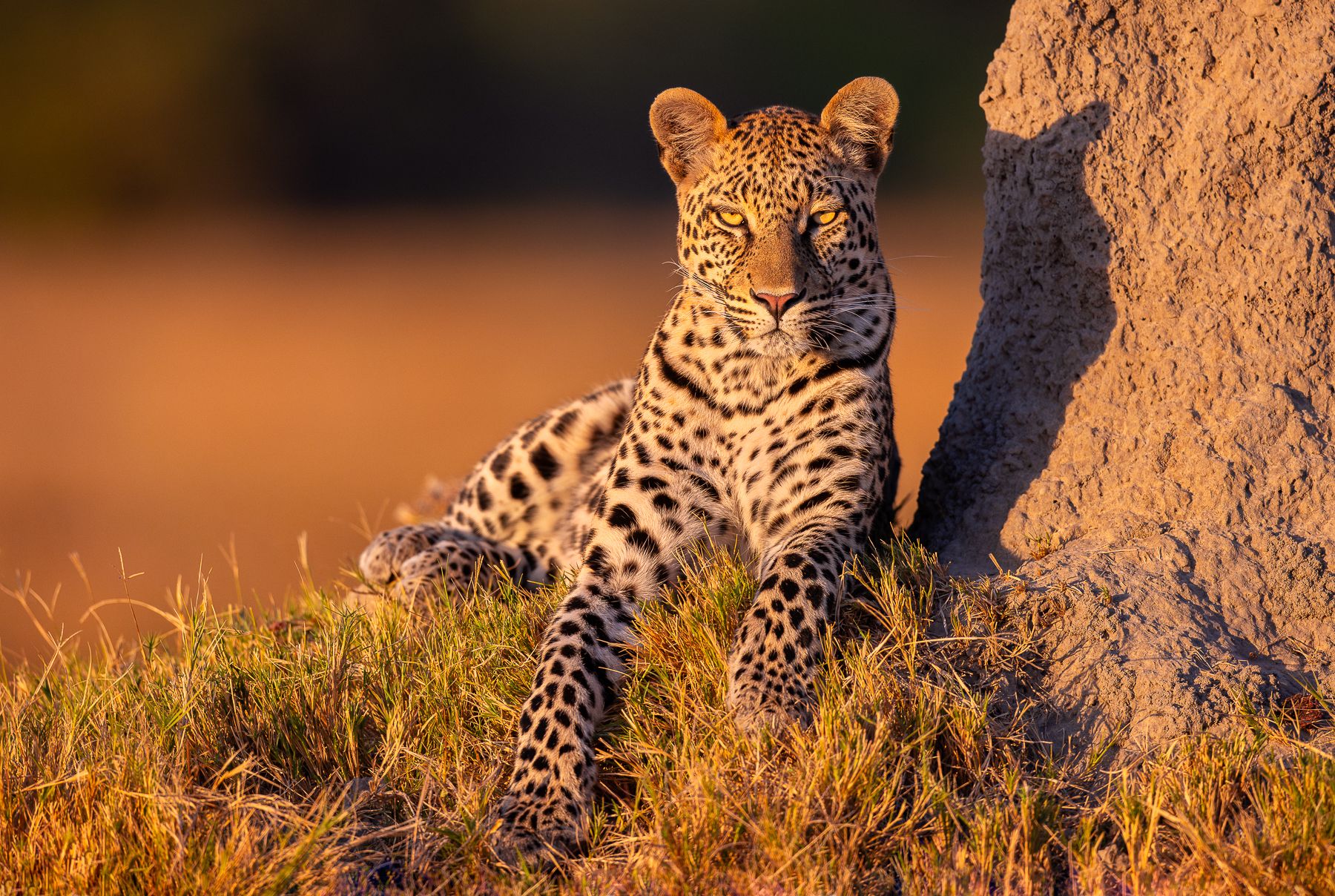
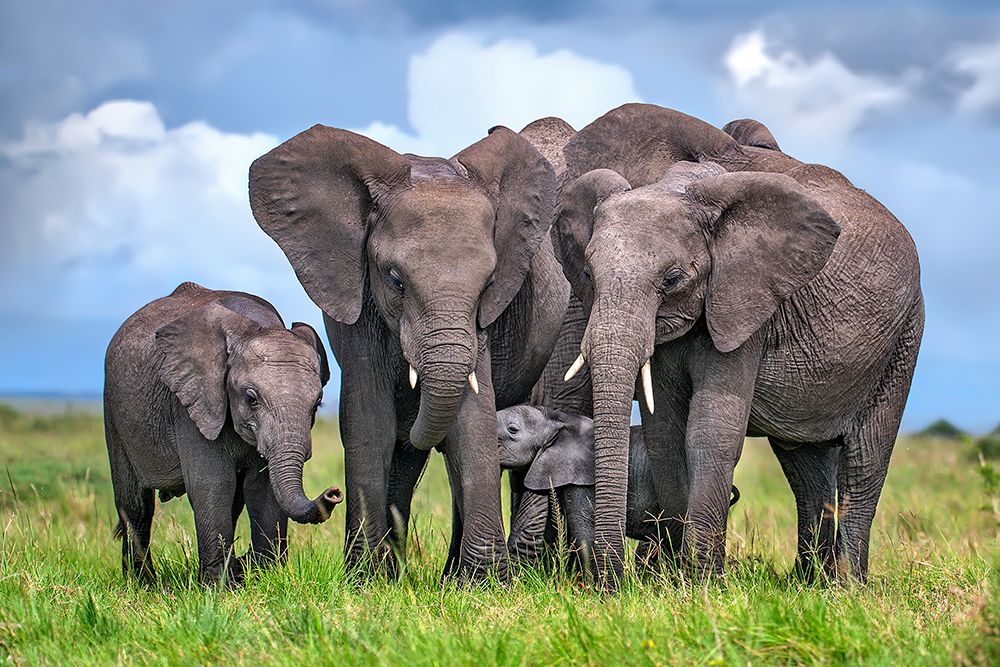
- The Big Five: The Serengeti and Maasai Mara are home to the "Big Five": lion, leopard, elephant, buffalo, and rhinoceros. The Ngorongoro Crater, in particular, is an excellent place to see the black rhino.
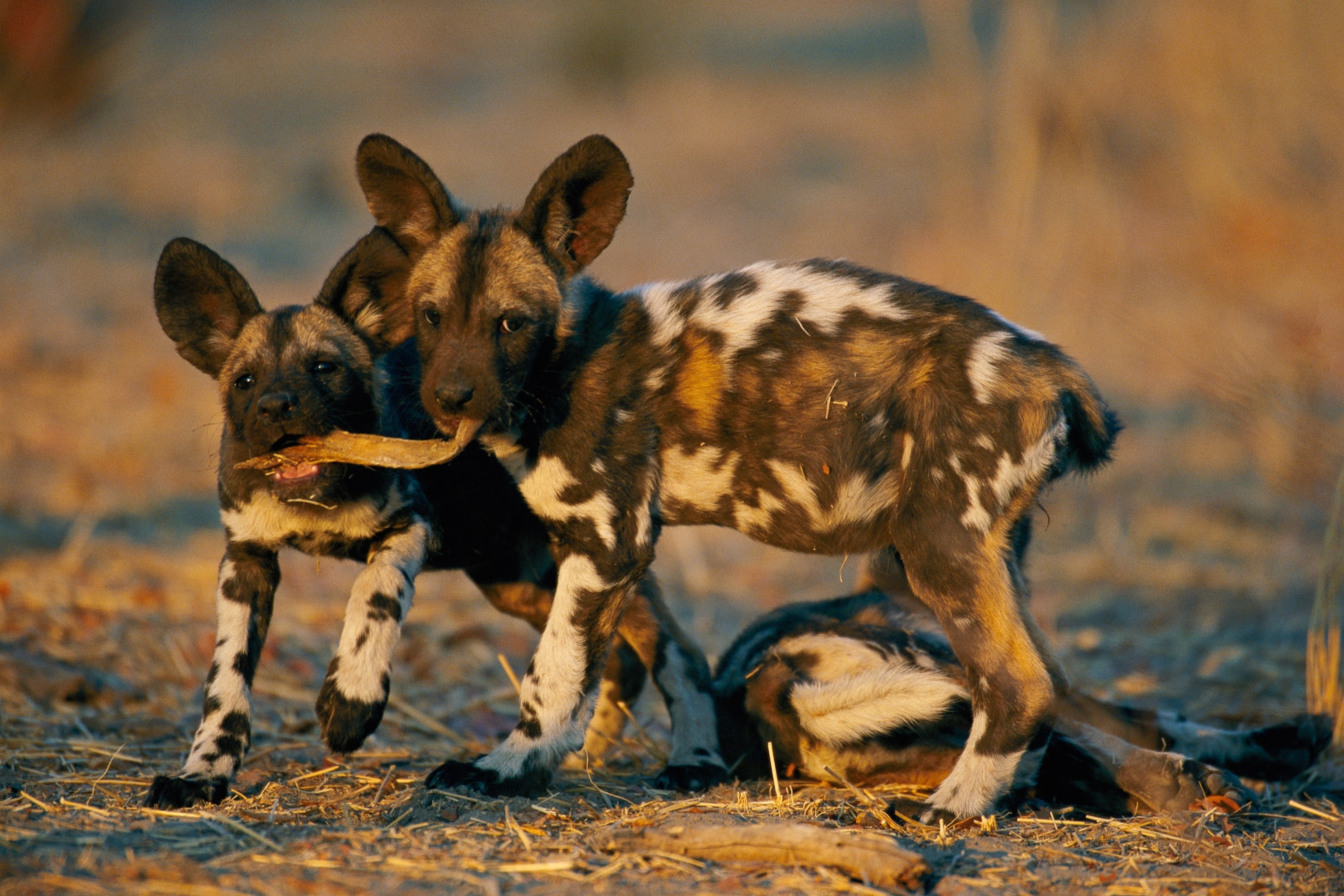
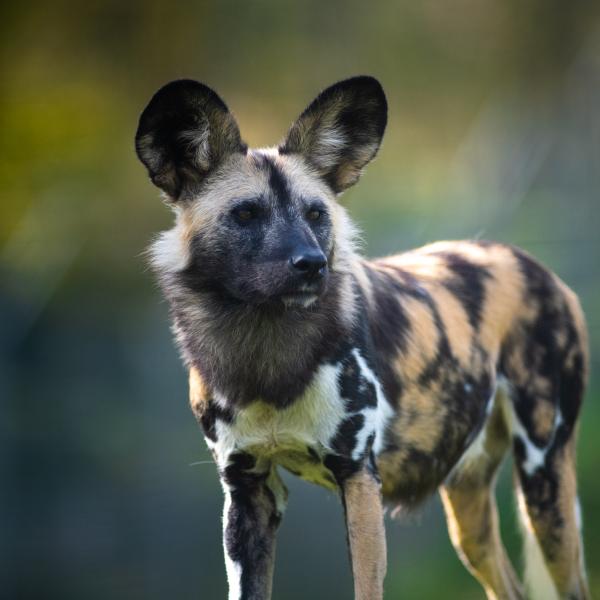
- Predators: The abundance of prey attracts a large number of predators, including lions, leopards, cheetahs, hyenas, and wild dogs. The predator-prey interactions are a thrilling aspect of a Serengeti safari.
- Birdlife: The ecosystem is a birdwatcher's paradise, with over 500 species of birds recorded. From the majestic ostrich to the colorful lilac-breasted roller, the birdlife is as impressive as the mammal sightings.
- Other Herbivores: In addition to the wildebeest, zebras, and gazelles of the migration, you will also see giraffes, hippos, crocodiles, and a variety of antelope species.
Expert Insight: To make the most of your safari, communicate your interests to your guide. If you are a keen birdwatcher or want to see a specific animal, let your guide know, and they will do their best to accommodate your request. Our knowledge center has more information on the wildlife of the Serengeti-Mara ecosystem.
Need Expert Safari Guidance?
Get expert advisory support from a firm founded by a former safari guide — with real operational knowledge across 9 African countries and full-journey accountability.
Related Planning Guides
Recommended Reading
 Safari Planning Guides
How to Plan a Safari Around Calving Season
Discover how to plan your dream safari with our expert guide on How to Plan a Safari Around Calving Season. Get tips on destinations, costs, and more.
 Safari Planning Guides
How to Plan a Safari for the Wildebeest Migration
Learn about how to plan a safari for the wildebeest migration in this comprehensive safari guide covering key insights and practical advice.
 Safari Cost Guides
Cost of a Great Migration Safari
Planning a safari? Learn about cost of a great migration safari. Get expert advice and insights from Safari Intelligence to plan your perfect trip.
 Safari Planning Guides
Safari Planning Guide for First-Time Travelers
Discover how to plan your dream safari with our expert guide on Safari Planning Guide for First-Time Travelers. Get tips on destinations, costs, and more.
 Additional Safari Topics
Great Migration Guide
Planning a Great Migration safari? Our expert guide covers the annual cycle, top destinations, and essential tips for witnessing this incredible wildlife spectacle.
 Destination Guides
Best Safari Destinations for Zebra Migration
Your complete guide to Best Safari Destinations for Zebra Migration. Find the best destinations, planning tips, and more for your next safari adventure.