
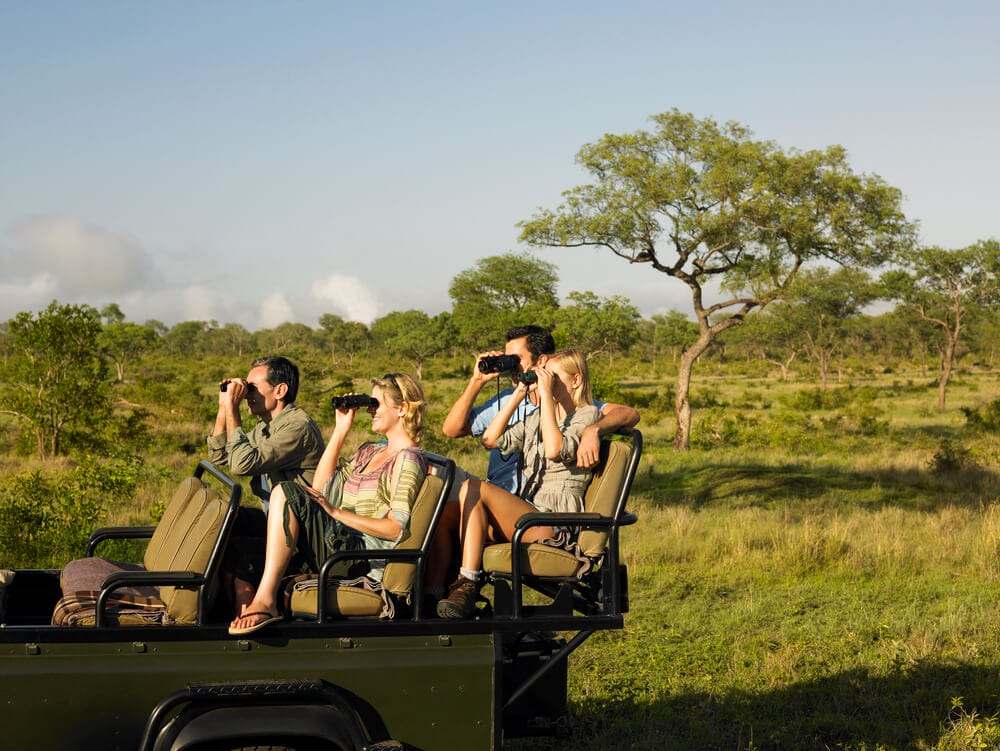
Learn how rainfall patterns influence wildlife behavior and distribution, and what it means for your safari game viewing experience in Africa.
The Impact of Rain on Wildlife Behavior
Rainfall is a fundamental driver of ecosystem dynamics in Africa, and it has a profound impact on wildlife behavior and safari experiences. During the rainy season, water is abundant, and animals tend to disperse across the landscape. This can make wildlife viewing more challenging as they are not concentrated around specific water sources. However, the landscape is lush and green, providing a beautiful backdrop for your safari. For more information on specific destinations, check out our guides.
Game Viewing in the Wet Season
The wet season, often called the 'Green Season,' offers a different kind of safari experience. While game viewing can be more challenging due to the dense vegetation, it is the birthing season for many herbivores, which in turn attracts predators. This is also the best time for birdwatching, as migratory birds are in abundance. Our safari operators can help you weigh the pros and cons of a wet season safari.
Still researching? Let us help.
Our advisory team has planned safaris across 9 African countries. We can turn your research into a real plan.
Talk to an AdvisorGame Viewing in the Dry Season
In contrast, the dry season is characterized by a lack of rainfall, which forces wildlife to congregate around the few remaining water sources, such as rivers and waterholes. This concentration of animals makes for exceptional game viewing opportunities. The vegetation is also less dense, making it easier to spot wildlife from a distance. To understand the cost implications of a dry season safari, use our cost calculator.
Planning Your Safari Around Rainfall
Ultimately, the best time to go on safari depends on your priorities. If you are looking for sheer numbers of animals and easy game viewing, the dry season is your best bet. If you are a keen photographer, birder, or simply want to experience the African bush in its most vibrant state, the wet season has its own unique appeal. Explore our knowledge center for more articles on safari planning.
Regional Rainfall Patterns: East vs. Southern Africa
Understanding that rainfall patterns are not monolithic across Africa is key to sophisticated safari planning. The continent's vastness means that while one region is in the midst of its rainy season, another might be entering its prime dry season. Broadly, we can categorize these patterns into two major zones: East Africa and Southern Africa.
East Africa (Kenya, Tanzania, Uganda, Rwanda): This region experiences two distinct rainy seasons: the “long rains” from April to May and the “short rains” from November to December. The long rains are more intense and can be disruptive, while the short rains are lighter and more sporadic. The peak dry season, and thus the most popular time for wildlife viewing, is from June to October. This is when the Great Migration is in full swing in the Serengeti and Maasai Mara. If you're planning a trip to see this spectacle, our safari operators can help you pinpoint the best locations based on the time of year.
Southern Africa (South Africa, Botswana, Zambia, Zimbabwe, Namibia): This region has a more straightforward single wet season, typically from November to March. The dry season runs from May to October, which is considered the best time for game viewing. The Okavango Delta in Botswana is a prime example of how rainfall in one area can create a unique ecosystem in another. The floodwaters from the Angolan highlands reach the Delta during the dry season, creating a lush oasis that attracts wildlife from all over the region.
> Expert Insight: Don't let the term "rainy season" deter you. In many safari destinations, rain comes in the form of afternoon thundershowers, leaving the rest of the day clear and sunny. These showers can settle the dust, clear the air for photography, and trigger dramatic wildlife behavior.
Done Reading? Let's Build Your Safari.
Skip the guesswork. Work with an advisor who has been on the ground across East and Southern Africa.
Plan With UsThe "Green Season": A Photographer's and Birder's Paradise
The wet season is often rebranded by safari experts as the "Green Season" or "Emerald Season," and for good reason. This is when the African bush transforms into a vibrant, lush landscape, offering a completely different but equally rewarding safari experience.
For photographers, the Green Season is a dream. The air is clear of dust, the colors are saturated, and the dramatic skies of an approaching storm create breathtaking backdrops for your wildlife shots. It's also the time when many animals give birth. The sight of a newborn impala, wildebeest, or zebra taking its first steps is a truly magical experience. This abundance of vulnerable prey also means that predators are more active, and you might witness some incredible predator-prey interactions.
Birdwatchers will also find the Green Season to be the most rewarding time to visit. Migratory birds from Europe and Asia flock to Africa during this time, and the resident birds are in their breeding plumage, making for a spectacular avian display. To learn more about the diverse ecosystems you can visit, explore our destinations page.
Navigating the Shoulder Seasons
The shoulder seasons—the transitional periods between the wet and dry seasons—can offer the best of both worlds. These months, typically March, April, and October in many regions, provide a unique balance of good weather, fewer crowds, and often, lower prices. During the shoulder seasons, you can still enjoy excellent game viewing as the bush is not yet too thick, but you also get to experience the beauty of a greener landscape.
> Traveler's Tip: If you're looking for a more exclusive safari experience without the peak season price tag, the shoulder seasons are an excellent choice. You'll have more of the wilderness to yourself and can often find great deals on accommodation. Use our cost calculator to compare prices for different seasons.
Impact on Safari Activities
Rainfall can also have a direct impact on the types of activities you can enjoy on safari. During the dry season, water sources are scarce, so activities like boat safaris or mokoro trips might be limited in some areas. However, this is the best time for walking safaris, as the thinner bush makes it easier and safer to spot animals on foot.
Conversely, the wet season can make some roads impassable, even for 4x4 vehicles. This might limit your game drives to certain areas of a park or reserve. However, the full rivers and lakes make for excellent boating and canoeing opportunities. For those planning a trip, it's always a good idea to have a contingency plan. Our team can help you plan your safari with these factors in mind.
Practical Considerations for Travelers
If you choose to travel during the wet season, a little preparation goes a long way. Here are a few things to keep in mind:
- Packing: Be sure to pack a lightweight, waterproof jacket and trousers. Quick-drying clothes are also a good idea. Don't forget insect repellent, as mosquitoes are more prevalent during the wet season.
- Vehicles: While most safari operators use well-maintained 4x4 vehicles, it's worth checking with your tour provider about their fleet and their protocols for handling wet conditions.
- Flexibility: Be prepared for the occasional travel disruption. A sudden downpour might delay a game drive or a flight, but it's all part of the adventure. A flexible attitude will ensure you have a memorable trip, no matter the weather.
For more in-depth packing lists and travel tips, be sure to visit our knowledge center.
Need Expert Safari Guidance?
Get expert advisory support from a firm founded by a former safari guide — with real operational knowledge across 9 African countries and full-journey accountability.
Related Planning Guides
Recommended Reading
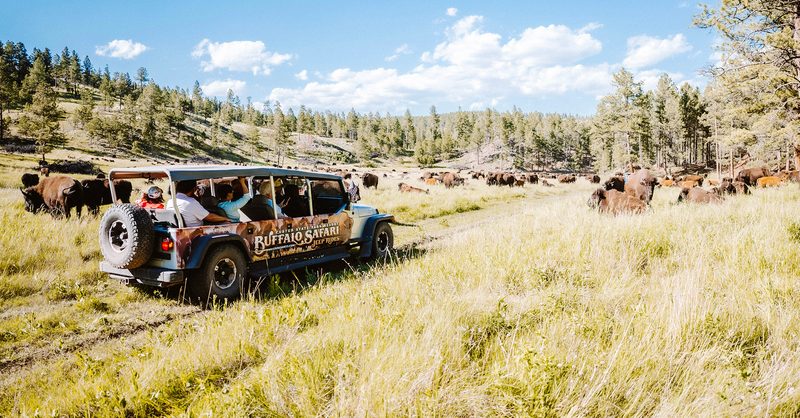 Season & Timing Guides
How Temperature Affects Safari Wildlife Activity
Understand how temperature fluctuations influence the daily activity patterns of safari animals, and how to time your game drives for optimal wildlife sightings.
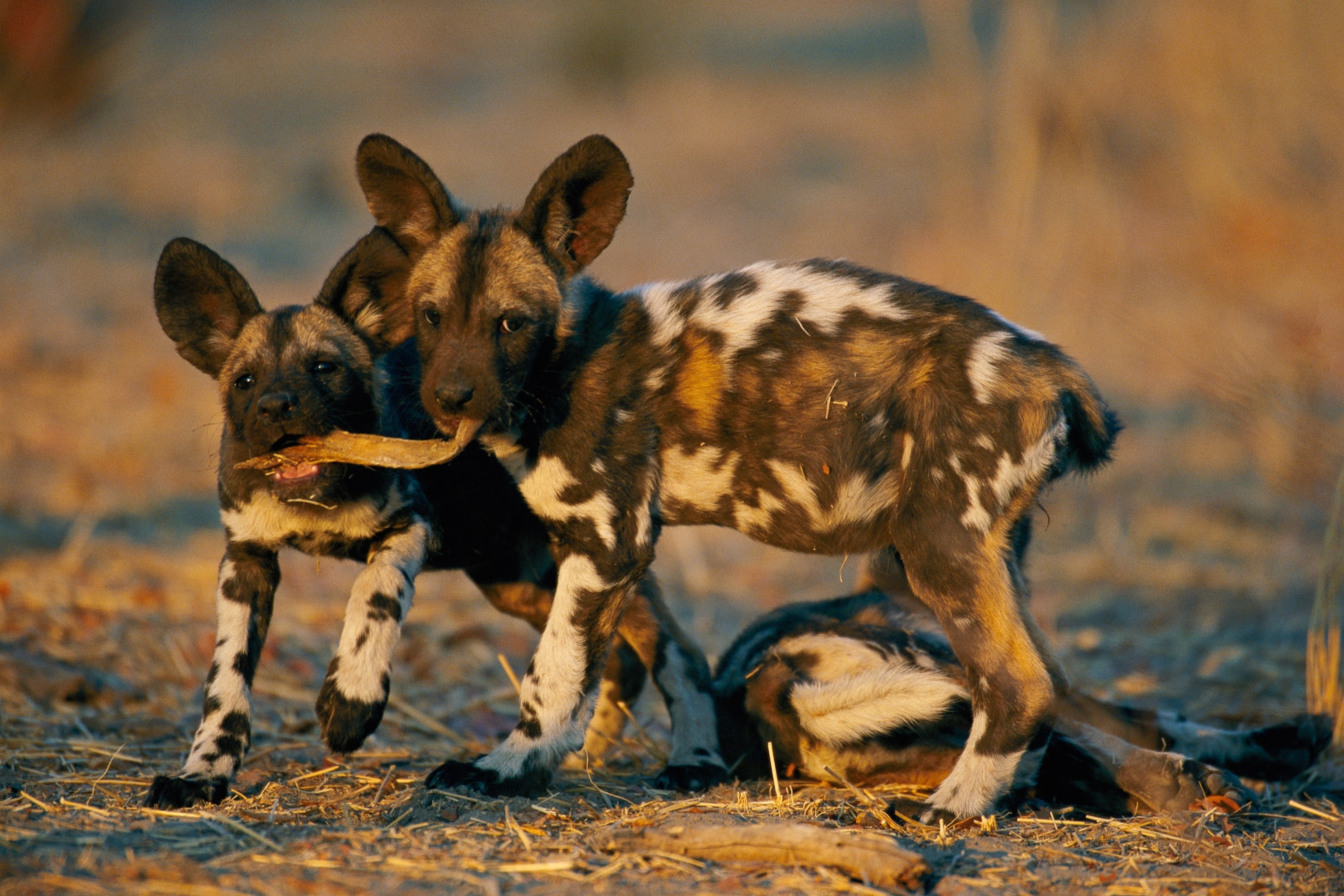 Season & Timing Guides
How Moon Phases Affect Safari Wildlife
Discover the surprising ways in which the lunar cycle influences the behavior of predators and prey, and how it can impact your night game drive experiences.
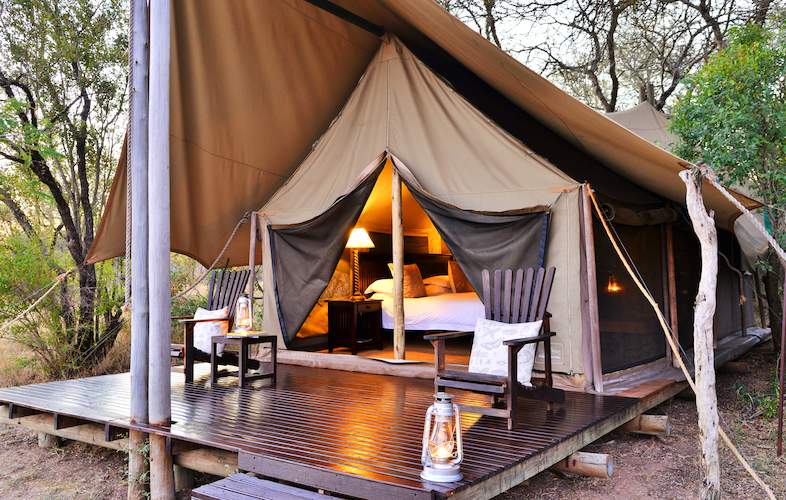 Safari Planning Guides
How to Plan a Safari for Night Wildlife Viewing
Learn about how to plan a safari for night wildlife viewing in this comprehensive safari guide covering key insights and practical advice.
 Destination Guides
Best Safari Destinations for Wild Dog Viewing
Your complete guide to Best Safari Destinations for Wild Dog Viewing. Find the best destinations, planning tips, and more for your next safari adventure.
 Season & Timing Guides
How Tides Affect Coastal Safari Experiences
Learn how the ebb and flow of tides shape coastal ecosystems and influence wildlife activities, from marine life to birdwatching, on a coastal safari.
 Safari Comparison Articles
Birding Safari vs Wildlife Safari
An in-depth comparison of Birding Safari vs Wildlife Safari to help you choose the perfect safari experience. Explore the pros, cons, and key differences to mak