
Learn about the factors that determine gorilla trekking difficulty, including terrain, altitude, and fitness level, to prepare for this incredible wildlife adventure.
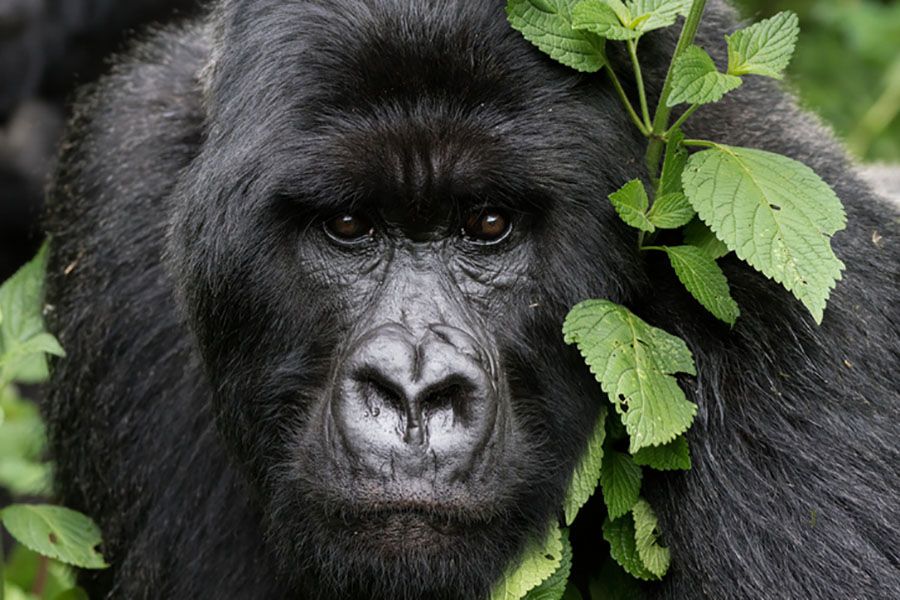
Gorilla trekking is an bucket-list adventure for many wildlife enthusiasts, offering a rare opportunity to meet mountain gorillas in their natural habitat. However, the journey to find them is not a simple walk in the park. It's a physically demanding trek through dense, mountainous rainforests. Understanding the gorilla trekking difficulty level is crucial for preparing properly and ensuring you have a safe and enjoyable experience. The challenge can vary significantly based on several factors, from the specific location of the gorilla family to your personal fitness.
Understanding the Key Factors That Influence Trekking Difficulty
Several variables contribute to how challenging your gorilla trek will be. Unlike a traditional safari game drive, this experience requires you to navigate dense jungle terrain on foot, often for several hours. The primary factors that determine the difficulty are the terrain and vegetation, altitude, weather conditions, and the location of the gorilla family you are tracking.
The Terrain and Vegetation
Gorilla habitats are located in mountainous regions with steep slopes, deep valleys, and thick vegetation. In Uganda's Bwindi Impenetrable Forest, the terrain is particularly rugged, and the name says it all—it's truly an impenetrable jungle. Treks here often involve navigating slippery, muddy paths, crossing streams, and climbing steep hillsides covered in tangled vines and dense undergrowth. Rangers often have to clear a path with machetes as you go. In Rwanda's Volcanoes National Park, the terrain is characterized by volcanic slopes, which can be rocky and challenging to ascend. While the bamboo forests here are less dense than Bwindi's jungle, the hikes are often at a higher altitude.
Altitude and Its Effects
Gorilla trekking takes place at high altitudes, typically ranging from 2,500 to 4,000 meters (8,200 to 13,100 feet). If you are not accustomed to high altitudes, you may experience shortness of breath, fatigue, or even altitude sickness. It is highly recommended to arrive at your destination at least a day or two before your trek to allow your body to acclimatize. Proper hydration is also essential to help mitigate the effects of altitude.
Weather Conditions
The weather in the rainforest is unpredictable, and rain can fall at any time, even during the dry season. A downpour can quickly transform the trails into slippery, muddy tracks, making the trek significantly more challenging. The high humidity can also be draining, so it's important to wear lightweight, moisture-wicking clothing and drink plenty of water. The dry seasons (June to September and December to February) generally offer more favorable trekking conditions, but you should always be prepared for rain.
Location of the Gorilla Family
Mountain gorillas are wild animals, and they are constantly on the move in search of food. The location of the gorilla family you are assigned to track is the biggest variable determining the length and difficulty of your trek. Some gorilla families live in the lower slopes of the mountains and can be reached within a couple of hours. Others roam higher up, requiring a strenuous, full-day hike. You won't know which gorilla family you will be tracking until the morning of your trek, so you need to be prepared for a long day of hiking.
Fitness Level Required for Gorilla Trekking
While you don't need to be a professional athlete to go gorilla trekking, a good level of fitness is essential. You should be able to walk for at least a few hours on uneven, and often steep, terrain. The better your physical condition, the more you will enjoy the experience.
Assessing Your Fitness
A moderate level of fitness is generally sufficient for gorilla trekking. If you can comfortably walk for a few hours, including some uphill sections, you should be able to handle the trek. However, it's important to be honest with yourself about your physical limitations. If you have any concerns, you should consult with your doctor before booking your trip.
How to Prepare
To prepare for your gorilla trek, you should focus on improving your cardiovascular endurance and leg strength. Activities like hiking, jogging, cycling, and stair climbing are all excellent ways to get in shape. The more you prepare, the more confident and comfortable you will feel on the trail. It's also a good idea to break in your hiking boots before your trip to avoid blisters.
Still researching? Let us help.
Our advisory team has planned safaris across 9 African countries. We can turn your research into a real plan.
Talk to an AdvisorGorilla Trekking in Uganda vs. Rwanda: A Difficulty Comparison
Both Uganda and Rwanda offer incredible gorilla trekking experiences, but there are some differences in the difficulty of the treks.
Uganda: Bwindi Impenetrable Forest and Mgahinga Gorilla National Park
Uganda is home to roughly half of the world's mountain gorilla population, with the majority residing in Bwindi Impenetrable Forest. As mentioned earlier, the terrain in Bwindi is very challenging, with steep, muddy slopes and dense vegetation. However, Uganda offers more gorilla families to track than Rwanda, which means there is a greater chance of being assigned a family that is easier to reach. Uganda also offers the Gorilla Habituation Experience, a more immersive and physically demanding experience where you spend up to four hours with a semi-habituated gorilla family.
Rwanda: Volcanoes National Park
Gorilla trekking in Rwanda's Volcanoes National Park is often considered slightly less physically demanding than in Uganda. While the treks are at a higher altitude, the terrain is generally less steep and the vegetation is not as dense. The park is also smaller, so the gorilla families are often easier to locate. However, the permits for gorilla trekking in Rwanda are significantly more expensive than in Uganda.
The Role of Porters and Walking Sticks
Hiring a porter and using a walking stick can make a huge difference in the difficulty of your gorilla trek. Porters are local community members who will carry your backpack, leaving you free to focus on the hike. They also provide invaluable assistance on the trail, helping you navigate slippery sections and offering a steady hand when you need it. Hiring a porter not only makes your trek easier but also provides a direct economic benefit to the local community.
A walking stick is also highly recommended. It will provide you with extra stability on the uneven terrain and help you balance on steep and slippery sections of the trail. Most lodges and park headquarters provide walking sticks for trekkers.
Conclusion: Is Gorilla Trekking Worth the Effort?
While gorilla trekking can be a challenging endeavor, the reward is more than worth the effort. The experience of seeing mountain gorillas in their natural habitat is a truly unforgettable and life-changing experience. By understanding the factors that contribute to the difficulty of the trek and preparing accordingly, you can ensure that you have a safe, enjoyable, and rewarding adventure. So, lace up your hiking boots, embrace the challenge, and get ready for the experience of a lifetime.
Need Expert Safari Guidance?
Get expert advisory support from a firm founded by a former safari guide — with real operational knowledge across 9 African countries and full-journey accountability.
Related Planning Guides
Explore Related Topics
Recommended Reading
 Gorilla Trekking
Gorilla Trekking in Uganda Guide
Our comprehensive guide to gorilla trekking in Uganda covers everything from booking permits and the best time to visit to what to expect on your trek.
 Gorilla Trekking
Gorilla Trekking in Rwanda Guide
Planning a gorilla trekking adventure in Rwanda? Our guide covers everything from booking permits and the best time to visit to what to pack for your trek.
 Gorilla Trekking
Best Time for Gorilla Trekking
Discover the best time for gorilla trekking in Uganda and Rwanda. Our guide covers the dry and wet seasons, permit costs, and what to expect on your trek.
Packing & PreparationGorilla Trekking Fitness Preparation
Learn all about Gorilla Trekking Fitness Preparation in this comprehensive guide.
 Safari Costs
Gorilla Trekking Cost Guide
A comprehensive guide to gorilla trekking costs in Africa. Learn about permit fees, tour prices, and what\
 Safari Planning Guides
How to Plan a Safari and Gorilla Trekking Combo
Discover how to plan your dream safari with our expert guide on How to Plan a Safari and Gorilla Trekking Combo. Get tips on destinations, costs, and more.