
Explore Volcanoes National Park in Rwanda with our guide. Learn about gorilla trekking, golden monkey tracking, volcano hikes, and how to plan your trip.
Nestled in the heart of Central Africa, where misty rainforests embrace the slopes of ancient volcanoes, lies a sanctuary for one of the world's most endangered and captivating primates: the mountain gorilla. Volcanoes National Park, located in the far northwest of Rwanda, is a realm of breathtaking biodiversity, dramatic landscapes, and profound wildlife encounters. This park, part of the larger Virunga Massif, is not just a destination; it's an invitation to witness the raw beauty of nature and the inspiring success of conservation. Whether you are an avid primatologist, a seasoned adventurer, or a curious traveler, this guide will provide you with the essential knowledge to plan an unforgettable journey into the world of the great apes.
The Allure of the Virunga Volcanoes
Volcanoes National Park is defined by the majestic chain of dormant volcanoes that form the Virunga Massif. This dramatic landscape, with its highest peak, Karisimbi, soaring to 4,507 meters, creates a rich mosaic of montane ecosystems. The park's diverse habitats, ranging from dense bamboo forests and lush rainforests to open grasslands and heath, support a remarkable array of flora and fauna.
The Famous Inhabitants: Mountain Gorillas and Golden Monkeys
The park's primary draw is its thriving population of mountain gorillas. Thanks to the pioneering work of Dian Fossey and ongoing conservation efforts, visitors have the rare opportunity to observe these gentle giants in their natural habitat. Beyond the gorillas, the park is also home to the playful and endangered golden monkey, a vibrant primate with a striking orange-gold coat that can only be found in the Virunga mountains. The calls of over 200 bird species, many of which are endemic to the Albertine Rift, add to the enchanting soundscape of the forest.
A Landscape of Volcanoes and Caves
The park is named for the five dormant volcanoes it encompasses: Karisimbi, Bisoke, Muhabura, Gahinga, and Sabyinyo. Each offers unique hiking opportunities, from the challenging ascent of Karisimbi to the scenic crater lake at the summit of Bisoke. The region's volcanic history is also evident in the ancient Musanze Caves, formed 62 million years ago, which offer a fascinating glimpse into the geological forces that have shaped this land.
Unforgettable Experiences in Volcanoes National Park
While gorilla trekking is the undisputed highlight, Volcanoes National Park offers a wealth of other activities that allow you to immerse yourself in its natural and cultural treasures.
Gorilla Trekking: A Face-to-Face Encounter
Gorilla trekking is a once-in-a-lifetime experience that involves hiking through the forest to spend an hour with a habituated gorilla family. The trek can be challenging, but the reward of observing these magnificent creatures as they go about their daily lives is immeasurable. The park issues a limited number of permits each day to ensure the well-being of the gorillas and to provide an intimate and respectful experience for visitors.
Golden Monkey Tracking
For another unique primate encounter, consider tracking the lively golden monkeys. These energetic and charismatic creatures are a joy to watch as they leap through the bamboo forests. The trek is generally less strenuous than gorilla trekking and offers a different but equally rewarding wildlife experience.
Hiking and Volcano Climbs
The park's volcanic peaks provide a stunning backdrop for a variety of hiking trails. You can choose from a range of options, from a day hike to the crater lake on Mount Bisoke to the more demanding two-day trek up Mount Karisimbi. For a hike that combines nature and history, you can visit the Dian Fossey Tomb and the Karisoke Research Center, her former research station.
Cultural and Community Experiences
To gain a deeper understanding of the local culture, you can visit the Gorilla Guardians Village (formerly Iby'Iwacu Cultural Village). This community-based tourism initiative allows you to experience traditional Rwandan life through music, dance, and hands-on activities. It's a wonderful way to support the local community and learn about the people who live in the shadow of the volcanoes.
Still researching? Let us help.
Our advisory team has planned safaris across 9 African countries. We can turn your research into a real plan.
Talk to an AdvisorPlanning Your Volcanoes National Park Adventure
A well-planned trip is key to making the most of your time in Volcanoes National Park. Here are some practical tips to help you prepare for your journey.
Getting There
Volcanoes National Park is located approximately 105 kilometers from Kigali, Rwanda's capital city. The drive to the park headquarters in Kinigi takes about two to three hours on well-maintained roads. While public transportation is available, most visitors arrange for a private vehicle and driver for greater flexibility and convenience.
Best Time to Visit
Gorilla trekking and other activities in the park can be enjoyed year-round. However, the dry seasons, from June to September and December to March, are generally considered the best times to visit. During these months, the trails are less muddy and the chances of rain are lower. The wet seasons, from April to May and October to November, can make trekking more challenging, but the landscape is at its most lush and green.
Permits and Bookings
Gorilla trekking permits are in high demand and should be booked well in advance, especially if you plan to travel during the peak season. A permit costs $1,500 per person and can be obtained through the Rwanda Development Board (RDB) or a reputable tour operator. Golden monkey tracking permits are less expensive and more readily available.
[What to Pack](/knowledge/packing-for-a-safari-adventure)
Sturdy hiking boots, long-sleeved shirts and trousers, a waterproof jacket, and gardening gloves are essential for trekking in the park. You should also pack a daypack with water, snacks, insect repellent, and a camera. Remember that flash photography is not permitted around the gorillas.
A Journey of Discovery and Conservation
A visit to Volcanoes National Park is more than just a safari; it's a journey into the heart of Africa's conservation success story. By participating in responsible tourism, you are not only creating lifelong memories but also contributing to the protection of the mountain gorillas and their fragile habitat. The income generated from tourism supports conservation efforts and provides local communities with a sustainable livelihood, making you a partner in the ongoing effort to ensure that these magnificent creatures continue to thrive for generations to come.
Need Expert Safari Guidance?
Get expert advisory support from a firm founded by a former safari guide — with real operational knowledge across 9 African countries and full-journey accountability.
Related Planning Guides
Explore Related Topics
Recommended Reading
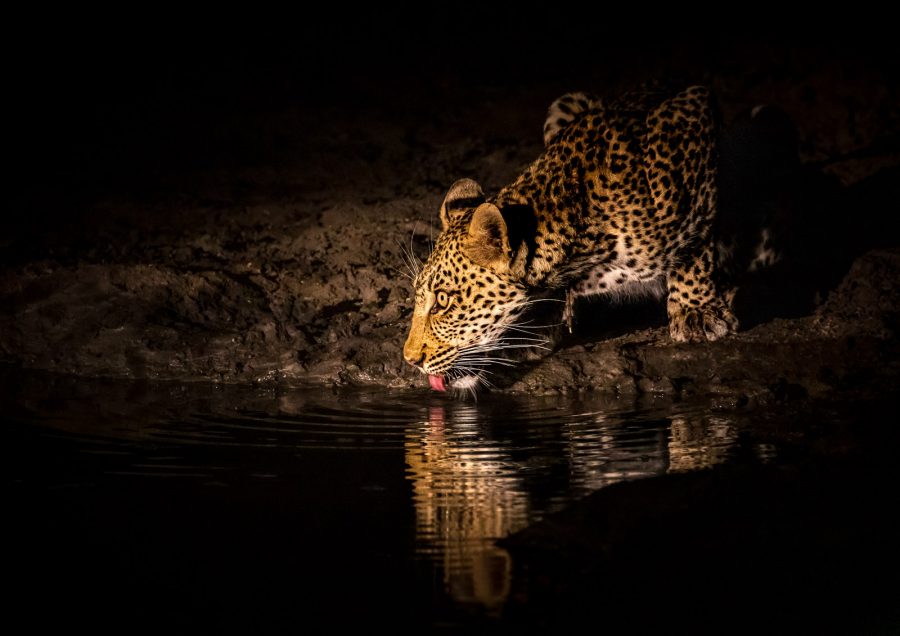
 National Park Guides
Serengeti National Park Guide
Explore the wonders of Serengeti National Park with our expert guide. Learn about the Great Migration, wildlife, and planning your unforgettable Tanzanian safari.
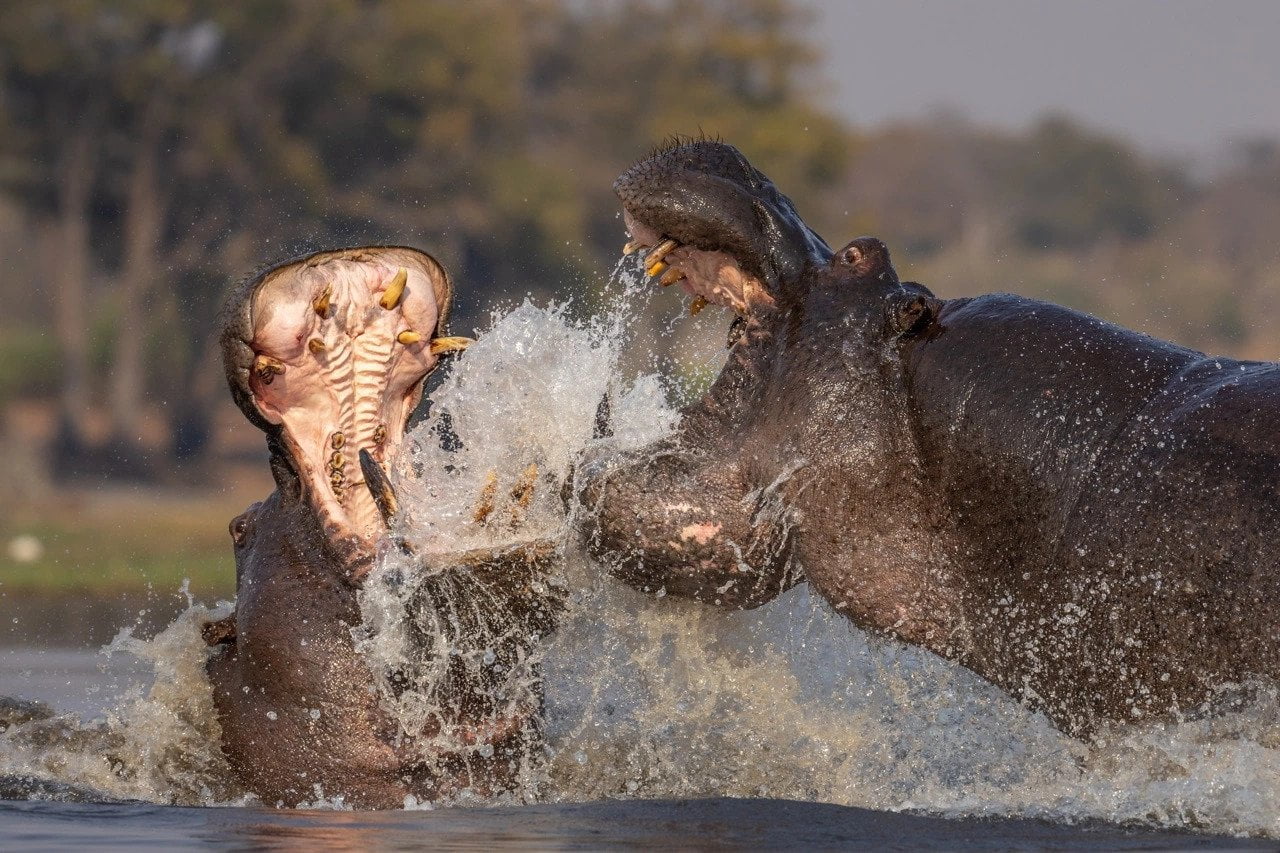
 National Park Guides
Kruger National Park Guide
Discover the ultimate guide to Kruger National Park. Learn about its incredible wildlife, the best time to visit, and how to plan your dream safari adventure.
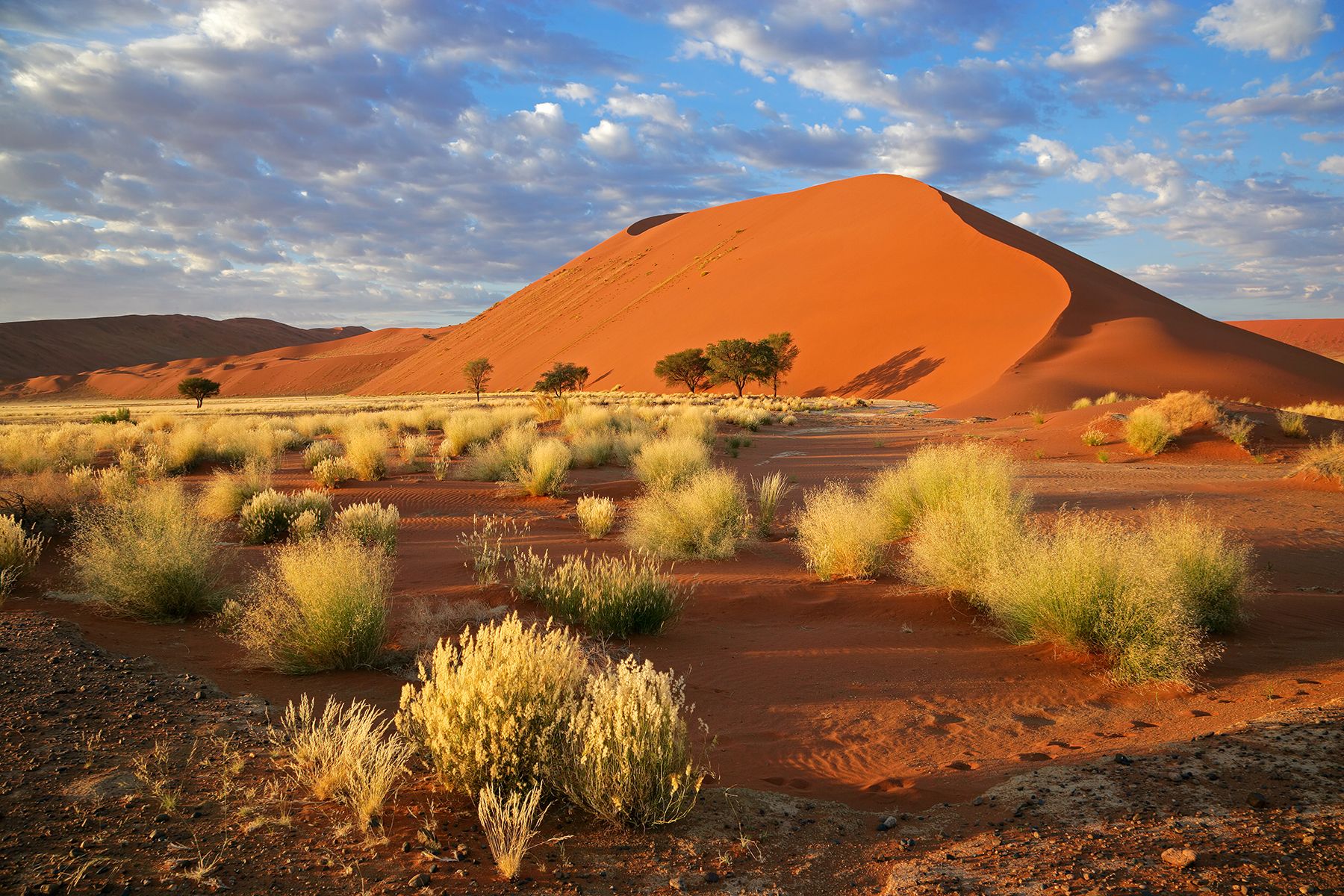
 National Park Guides
Chobe National Park Guide
Discover the ultimate guide to Chobe National Park, Botswana\
 Destination Guides
Complete Guide to Table Mountain National Park
A complete guide to Complete Guide to Table Mountain National Park. Learn about the wildlife, activities, and best time to visit this amazing destination.
 Destination Guides
Complete Guide to Nyerere National Park
Learn about complete guide to nyerere national park in this comprehensive safari guide.
 Destination Guides
Complete Guide to Loango National Park Gabon
Discover everything you need to know about Complete Guide to Loango National Park Gabon. From wildlife and landscapes to lodges and activities, this guide cover