
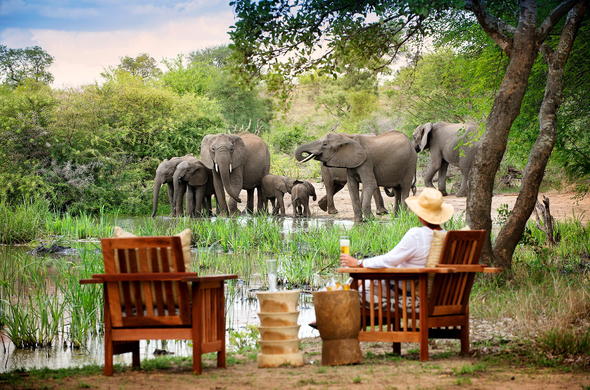
Planning a gorilla trekking adventure? Our comprehensive safety guide covers everything you need to know for a safe and ethical encounter with mountain gorillas.
Gorilla trekking is one of the most profound wildlife experiences on the planet. The opportunity to sit with a family of mountain gorillas in their natural habitat is a rare privilege, offering a glimpse into the lives of these gentle giants. However, it is an encounter that comes with great responsibility. Ensuring the safety of both the gorillas and the visitors is paramount. This guide provides a comprehensive overview of gorilla trekking safety, from understanding gorilla behavior to following the essential rules on the trail. By being a responsible and informed trekker, you can ensure your experience is not only unforgettable but also contributes positively to the conservation of these magnificent primates.
Understanding Gorilla Behavior: Key to a Safe Encounter
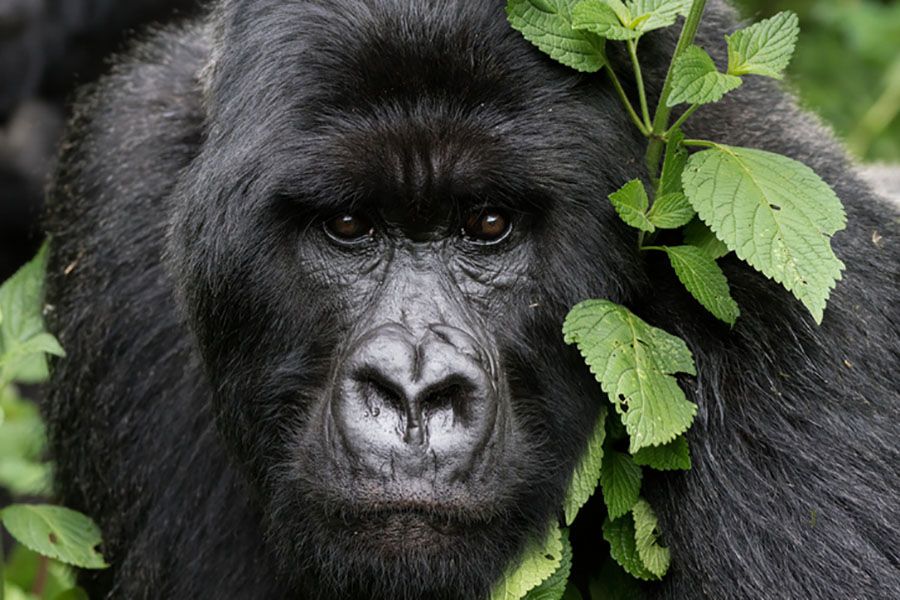
Mountain gorillas are generally peaceful and shy animals, but like any wild animal, they can be unpredictable. Understanding their behavior is the first step toward a safe and respectful encounter. Gorillas live in tight-knit family groups led by a dominant silverback, whose primary role is to protect his family. Recognizing their social structure and communication is crucial.
Vocalizations and Body Language
Gorillas communicate through a variety of vocalizations, from soft grunts and rumbles to loud alarm barks and roars. Your guide will help you interpret these sounds. A low, rumbling sound, often described as a "belch vocalization," is a sign of contentment and is used to communicate between group members. If you hear this, it's a good sign the gorillas are relaxed in your presence.
Body language is equally important. A silverback may beat his chest, but this is not always a sign of aggression. It can be a display of dominance, a way to show off, or even a sign of excitement. However, if a gorilla makes a direct, unwavering stare, it can be a sign of a threat. In such a situation, it is vital to remain calm, avoid direct eye contact, and adopt a submissive posture by crouching down. Never run, as this can trigger a chase response.
The Silverback's Role
The silverback is the protector of the group. He will observe you closely to ensure you are not a threat. It is essential to show respect for his authority. Always follow your guide's instructions, as they are trained to read the silverback's behavior and will know when it is time to move or retreat. Your calm and submissive behavior helps reassure the silverback that you are not a danger to his family.
Before You Go: Essential Gorilla Trekking Preparations
Proper preparation is essential for a safe and enjoyable gorilla trek. This includes being physically ready, having the right gear, and understanding the permit requirements.
Physical Fitness
Gorilla trekking can be a physically demanding activity. It often involves hiking for several hours through dense, mountainous rainforests at high altitudes. The terrain can be steep, muddy, and challenging. It is highly recommended that you have a good level of fitness. Engage in cardiovascular exercises such as hiking, running, or cycling in the months leading up to your trip. The better your physical condition, the more you will enjoy the experience.
[What to Wear](/knowledge/what-clothes-to-wear-on-safari) and Pack
Dressing appropriately is crucial for comfort and safety. Here are some essential items to pack:
- Sturdy Hiking Boots: Waterproof boots with good ankle support are a must.
- Layered Clothing: Wear long-sleeved shirts and long pants to protect against scratches, insect bites, and stinging nettles. Neutral colors are best.
- Rain Gear: A lightweight, waterproof jacket is essential, as the weather can change quickly.
- Gardening Gloves: These will protect your hands as you grip vegetation on steep or slippery sections of the trail.
- Daypack: A small backpack to carry your water, snacks, camera, and rain gear.
- Water and Snacks: Staying hydrated is crucial. Pack at least two liters of water and some high-energy snacks.
Permits and Briefings
Gorilla trekking is a highly regulated activity. You must obtain a permit well in advance, as they are limited in number and sell out quickly. Permits are issued by the wildlife authorities in the respective countries—the Uganda Wildlife Authority (UWA) in Uganda, the Rwanda Development Board (RDB) in Rwanda, and the Institut Congolais pour la Conservation de la Nature (ICCN) in the Democratic Republic of Congo. Before your trek, you will attend a mandatory briefing where the rules and safety guidelines will be explained in detail. Pay close attention to this briefing and do not hesitate to ask questions.
Still researching? Let us help.
Our advisory team has planned safaris across 9 African countries. We can turn your research into a real plan.
Talk to an AdvisorOn the Trail: Safety Rules for Your Gorilla Trek
Once you set out on the trail, a new set of safety protocols comes into play. These rules are designed to protect both you and the forest ecosystem.
Follow Your Guide
Your guide is an experienced professional who knows the forest and the gorillas intimately. Their instructions are not mere suggestions—they are rules that must be followed for your safety. Always walk in a single file line behind your guide, speak in low voices, and avoid making sudden movements.
Respect the Environment
Do not litter. Anything you bring into the forest must be taken back out with you. This includes food wrappers and water bottles. Furthermore, if you need to use the toilet, your guide will instruct you on how to do so in a way that minimizes environmental impact, which typically involves digging a hole and burying the waste.
The Gorilla Encounter: Rules of Engagement
The moment you have been waiting for—the encounter with the gorillas—is governed by strict rules to ensure a peaceful and safe interaction.
The 7-Meter Rule
The most important rule is to maintain a minimum distance of 7 meters (about 23 feet) from the gorillas at all times. This is to protect them from human diseases and to give them the space they need to feel comfortable. Gorillas are highly susceptible to human illnesses, and a common cold could be fatal to them. If a gorilla approaches you, which can happen, especially with curious youngsters, you should slowly move back to maintain the distance.
Behavior During the Encounter
When you are with the gorillas, remain as quiet as possible. Turn off the flash on your camera, as a sudden flash of light can startle or frighten them. Do not eat, drink, or smoke in the presence of the gorillas. Your time with the gorilla family is limited to one hour. This is to minimize disturbance to their daily routine.
Health and Safety: Protecting Yourself and the Gorillas
Your health is directly linked to the health of the gorillas. If you are feeling unwell, it is your responsibility to declare it. You will not be permitted to go on the trek if you have a cold, flu, or any other transmissible illness. While this may be disappointing, it is a critical measure to protect the gorilla population.
Done Reading? Let's Build Your Safari.
Skip the guesswork. Work with an advisor who has been on the ground across East and Southern Africa.
Plan With UsChoosing a Safe and Ethical Gorilla Trekking Experience
Your choice of destination and tour operator can also impact your safety. Gorilla trekking is offered in Uganda's Bwindi Impenetrable National Park and Mgahinga Gorilla National Park, Rwanda's Volcanoes National Park, and the DRC's Virunga National Park. All these locations have established tourism programs with trained guides and trackers. When choosing a tour operator, select a reputable company that prioritizes safety and ethical tourism practices. A good operator will ensure you are well-prepared and that all safety protocols are followed.
By adhering to these safety guidelines, you not only protect yourself but also play a vital role in the conservation of mountain gorillas. Your responsible behavior ensures that future generations will have the same opportunity to experience the magic of a gorilla encounter. It is a journey that will stay with you for a lifetime, made all the more meaningful by the knowledge that you have contributed to the well-being of these incredible animals.
Need Expert Safari Guidance?
Get expert advisory support from a firm founded by a former safari guide — with real operational knowledge across 9 African countries and full-journey accountability.
Related Planning Guides
Explore Related Topics
Recommended Reading
 Gorilla Trekking
Gorilla Trekking in Uganda Guide
Our comprehensive guide to gorilla trekking in Uganda covers everything from booking permits and the best time to visit to what to expect on your trek.
 Gorilla Trekking
Gorilla Trekking in Rwanda Guide
Planning a gorilla trekking adventure in Rwanda? Our guide covers everything from booking permits and the best time to visit to what to pack for your trek.
 Gorilla Trekking
Gorilla Trekking Packing Guide
Planning a gorilla trekking adventure? Our comprehensive packing guide covers the essential clothing, footwear, and gear you need for a safe and unforgettable experience.
 Safari Costs
Gorilla Trekking Cost Guide
A comprehensive guide to gorilla trekking costs in Africa. Learn about permit fees, tour prices, and what\
 Wildlife Guides
Complete Guide to Mountain Gorilla Family Groups
Learn all about Complete Guide to Mountain Gorilla Family Groups in this comprehensive guide. Discover the best time to go, what to see, and how to plan your trip.
 Safari Safety
Safari Camp Safety Guidelines
Learn essential safari camp safety guidelines for a secure and unforgettable African adventure. Our expert tips help you stay safe in the wild.