
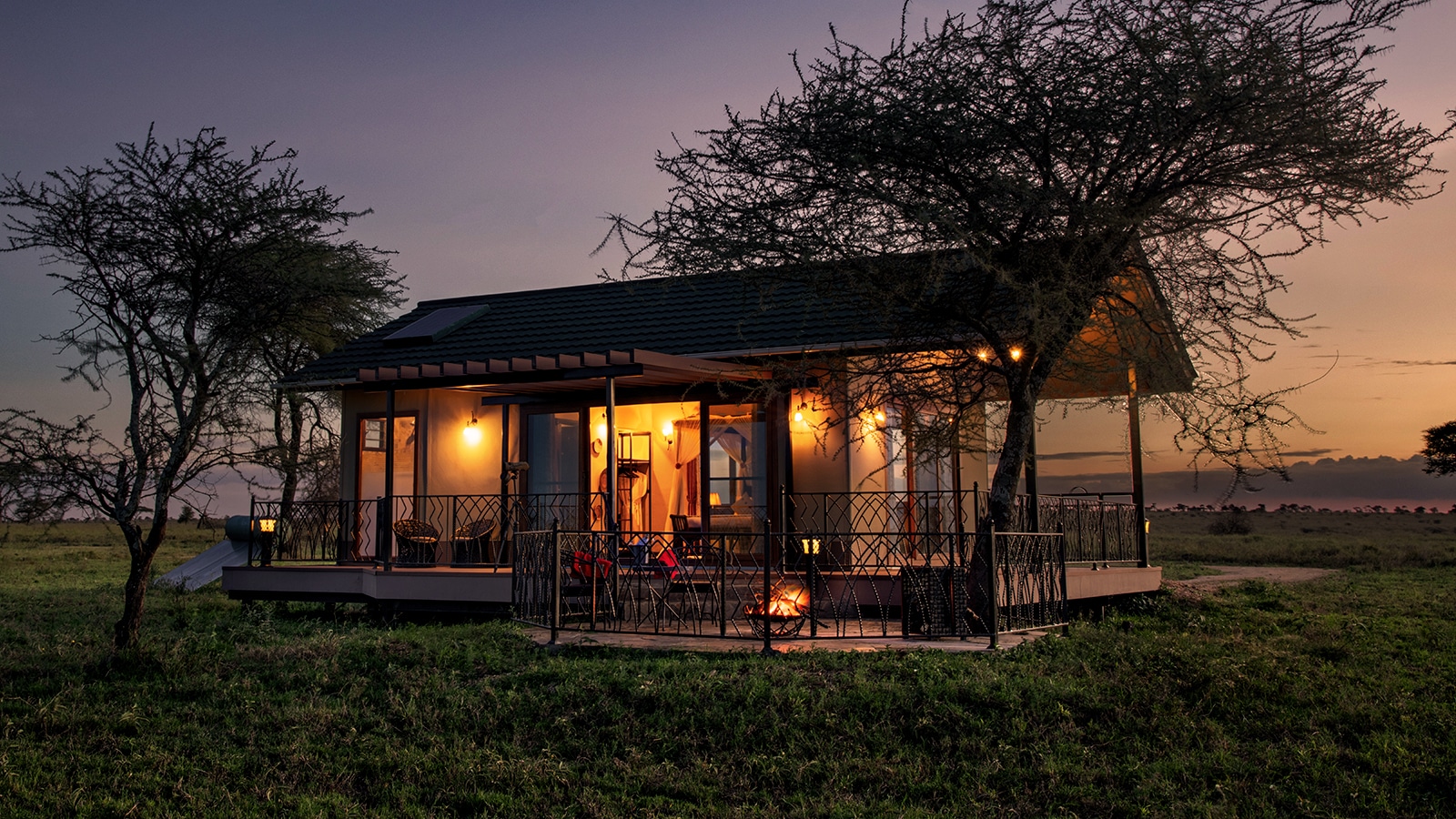
A comprehensive guide to Complete Guide to African Porcupine. Learn about its habitat, behavior, diet, and conservation status.
Complete Guide to African Porcupine
When it comes to complete guide to african porcupine, there is no shortage of opinions. This evidence-based guide cuts through the noise to give you actionable, trustworthy information for your safari planning.
Regional Considerations Across Africa
Southern Africa presents a different landscape for complete guide to african porcupine. Countries like Botswana, South Africa, Namibia, and Zimbabwe each have established infrastructure and practices that reflect their unique environments. The Okavango Delta, for instance, requires water-based considerations that land-based safaris in Kruger National Park do not.
East African safaris, particularly in Kenya and Tanzania, have their own distinct approach to complete guide to african porcupine. The Serengeti-Mara ecosystem, which hosts the Great Migration, requires specific planning considerations that differ from destinations like Amboseli or Ngorongoro. Understanding these regional differences is crucial for optimizing your experience.
Central and West African destinations, including Uganda, Rwanda, and the Congo, offer specialized experiences like gorilla trekking that bring their own set of requirements. These destinations often involve more challenging terrain and different logistical considerations compared to the classic savanna safari.
Still researching? Let us help.
Our advisory team has planned safaris across 9 African countries. We can turn your research into a real plan.
Talk to an AdvisorUnderstanding the Fundamentals
The foundation of complete guide to african porcupine begins with understanding the basic principles. Safari environments across Africa present unique conditions that differ significantly from what most travelers are accustomed to. In East Africa, the vast savannas of Kenya and Tanzania create one set of considerations, while the dense forests of Uganda and Rwanda present entirely different challenges. Southern African destinations like Botswana and South Africa add yet another dimension.
Experienced safari operators emphasize that preparation is the single most important factor in complete guide to african porcupine. This means doing your research well in advance, consulting with knowledgeable advisors, and being willing to adapt your plans based on current conditions. The best safari experiences come from travelers who approach their journey with both enthusiasm and informed flexibility.
Practical Planning Steps
Step two involves researching your options thoroughly. Compare different destinations, operators, and approaches to complete guide to african porcupine. Read reviews from verified travelers, consult with safari operators, and cross-reference information from multiple sources.
Step three is creating a detailed plan that accounts for all aspects of complete guide to african porcupine. This should include timelines, budgets, backup options, and contingency plans. The most successful safari travelers are those who plan thoroughly while remaining flexible enough to adapt to changing conditions.
Seasonal Factors and Timing: Complete Guide to African Porcupine
The timing of your safari significantly impacts complete guide to african porcupine. Dry season months, typically June through October in most East African destinations, offer different conditions than the green season months of November through May. Each period has distinct advantages and considerations.
Weather patterns across Africa are becoming less predictable due to climate change, which adds another layer of consideration to complete guide to african porcupine. Working with operators who have current, on-the-ground knowledge of conditions is more important than ever.
Peak season brings excellent wildlife viewing but also higher prices and more crowded parks. Shoulder seasons offer a balance of good conditions and fewer crowds. Understanding how seasonal factors affect complete guide to african porcupine helps you choose the optimal time for your specific priorities.
Done Reading? Let's Build Your Safari.
Skip the guesswork. Work with an advisor who has been on the ground across East and Southern Africa.
Plan With UsRelated Resources
For more information on planning your safari, explore our destination guides, browse the safari operator directory, or connect with an experienced safari planning guide for personalized guidance.
Understanding the Porcupine's Defensive Arsenal
The African Porcupine’s most famous feature is its formidable coat of quills, but its defensive strategy is more complex than simply having a spiky exterior. When threatened, a porcupine’s first instinct is often to freeze, assessing the danger. If the threat persists, it will begin to rattle its hollow tail quills, creating a surprisingly loud warning sound. This is often accompanied by foot-stomping and guttural growls.
If the predator is not deterred, the porcupine will erect its quills and charge backward, aiming to embed its sharp, barbed spines into the aggressor. These quills are not "shot" or thrown, as is commonly believed, but detach easily upon contact. The barbs make them difficult and painful to remove, and can lead to serious injury or infection, sometimes even death for the predator. Lions, leopards, and hyenas have all been known to be fatally wounded by porcupine quills.
> Expert Insight: While it may seem counterintuitive, the most dangerous quills are the shorter, thicker ones on the porcupine's back and rump. These are the primary weapons used in a defensive charge and can penetrate deep into a predator's flesh.
Diet and Foraging Habits
African Porcupines are primarily herbivores, with a diet consisting of roots, tubers, bark, and fallen fruit. They are nocturnal foragers, using their keen sense of smell to locate food under the cover of darkness. Their powerful claws are well-suited for digging, allowing them to unearth nutritious roots and bulbs. They have also been known to gnaw on bones, a behavior known as osteophagia, to obtain essential minerals like calcium.
This diet can sometimes bring them into conflict with humans, as they are fond of agricultural crops like maize, potatoes, and pumpkins. This has led to them being considered pests in some farming communities. However, their foraging also plays a role in the ecosystem by aerating the soil and aiding in seed dispersal.
Where to See African Porcupines
Due to their nocturnal and elusive nature, spotting an African Porcupine on safari is a rare and special treat. However, certain locations and types of safaris can increase your chances. Parks with a focus on night drives are your best bet. Here are some of the top destinations for potential porcupine sightings:
- South Africa: The Greater Kruger National Park and surrounding private reserves like Sabi Sand and Timbavati are excellent places to look for porcupines. The arid regions of the Kgalagadi Transfrontier Park also offer good opportunities.
- Namibia: The rocky landscapes of Damaraland and the Etosha Pan provide ideal habitats for porcupines. Many lodges in these areas offer night drives, increasing your chances of a sighting.
- Botswana: The Central Kalahari Game Reserve and the Okavango Delta are both home to healthy porcupine populations. Again, night drives are key.
- Kenya: The Laikipia Plateau and the Maasai Mara are both known for their diverse wildlife, including the Crested Porcupine. Consider a stay at a conservancy that offers night game drives.
> Traveler's Tip: When on a night drive, be sure to scan the edges of the road and listen for the tell-tale rustle of quills. A knowledgeable guide with a good spotlight is your greatest asset in finding these shy creatures. For personalized advice on planning a safari that maximizes your chances of seeing unique wildlife like the porcupine, connect with one of our safari operators.
By understanding their behavior and habitat, you can better appreciate the challenges and rewards of spotting an African Porcupine in the wild. For more in-depth information on planning your adventure, explore our destinations page or use our cost calculator to start budgeting for your dream safari.
Need Expert Safari Guidance?
Get expert advisory support from a firm founded by a former safari guide — with real operational knowledge across 9 African countries and full-journey accountability.
Related Planning Guides
Explore Related Topics
Recommended Reading
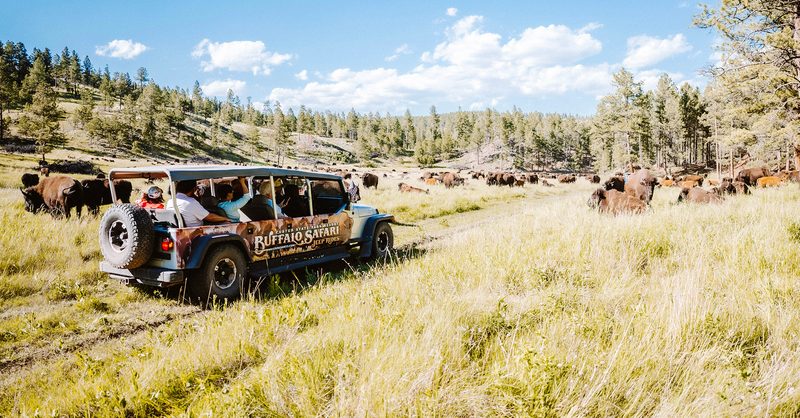 Wildlife Guides
Complete Guide to African Lion Behavior
Delve into the complex social structure, hunting techniques, and communication methods of the African lion. Understand the king of the savanna with this in-depth guide.
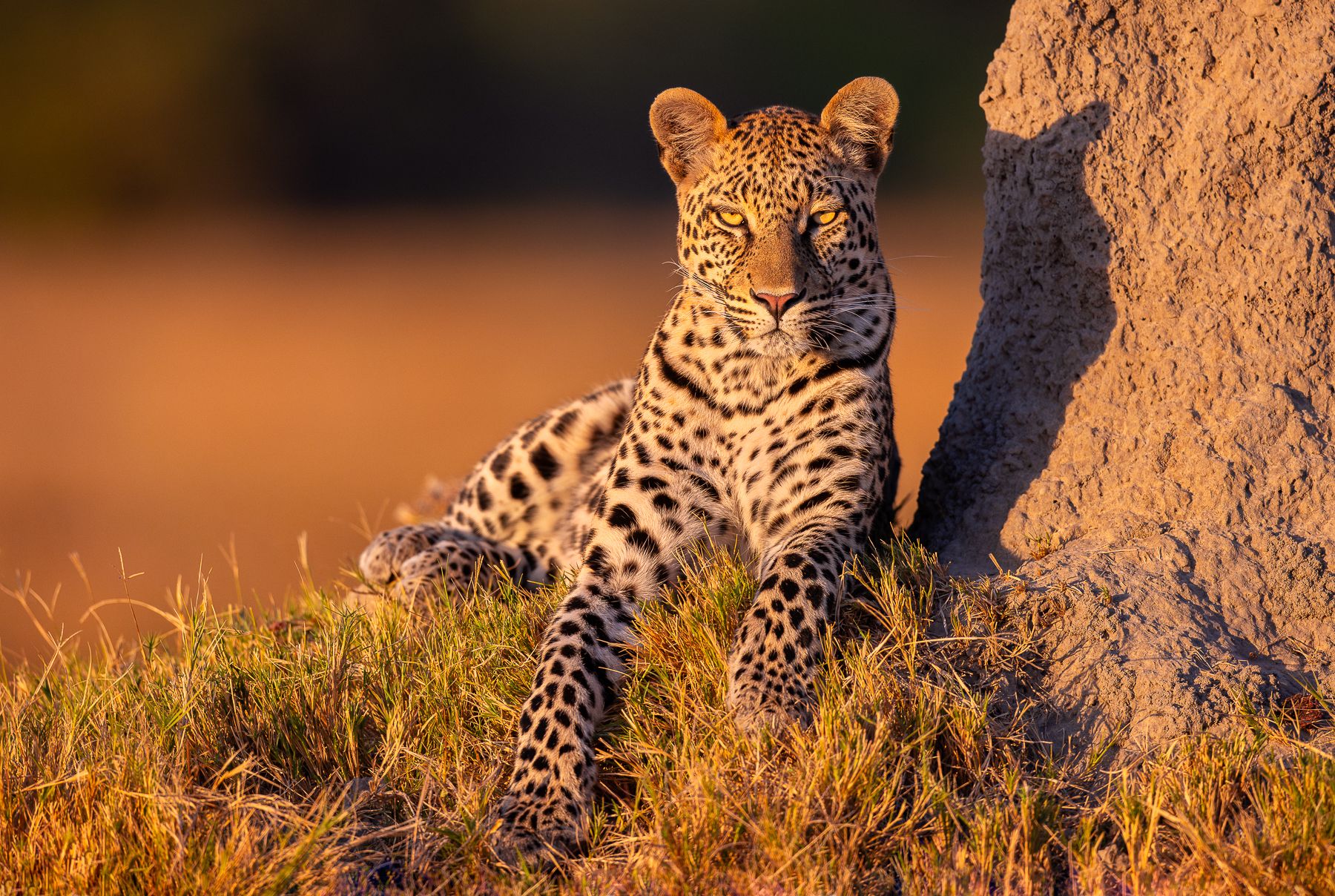 Wildlife Guides
Complete Guide to African Wild Dog Pack Dynamics
Learn all about Complete Guide to African Wild Dog Pack Dynamics in this comprehensive guide. Discover the best time to go, what to see, and how to plan your trip.
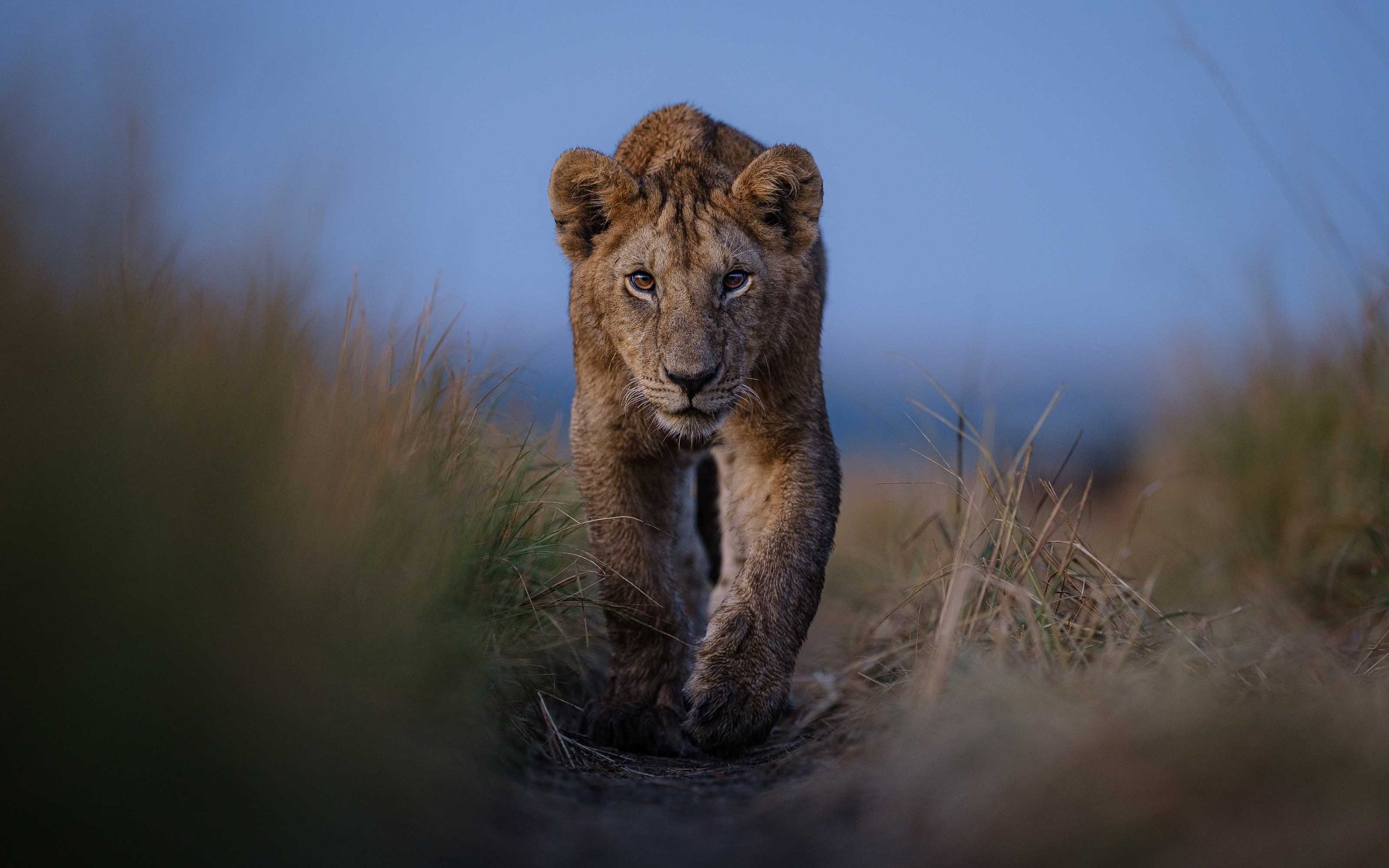 Wildlife Guides
Complete Guide to African Buffalo Herds
Learn all about Complete Guide to African Buffalo Herds in this comprehensive guide. Discover the best time to go, what to see, and how to plan your trip.
 Country Guides
Complete Safari Guide to South Africa
Your complete guide to Complete Safari Guide to South Africa. Find the best destinations, planning tips, and more for your next safari adventure.
 Safari Planning
Step-by-Step Guide to Planning an African Safari
Learn how to plan your first African safari with our step-by-step guide. We cover everything from choosing a destination to booking your trip and packing.
 Destination Guides
Complete Guide to Table Mountain National Park
A complete guide to Complete Guide to Table Mountain National Park. Learn about the wildlife, activities, and best time to visit this amazing destination.