
An in-depth comparison of Desert Safari vs Savanna Safari to help you choose the perfect safari experience. Explore the pros, cons, and key differences to make
Desert Safari vs Savanna Safari
Every safari destination in Africa has its own character, and desert safari vs savanna safari varies accordingly. This guide helps you understand the nuances so you can make informed decisions for your specific itinerary.
Seasonal Factors and Timing: Desert Safari vs Savanna Safari
The timing of your safari significantly impacts desert safari vs savanna safari. Dry season months, typically June through October in most East African destinations, offer different conditions than the green season months of November through May. Each period has distinct advantages and considerations.
Peak season brings excellent wildlife viewing but also higher prices and more crowded parks. Shoulder seasons offer a balance of good conditions and fewer crowds. Understanding how seasonal factors affect desert safari vs savanna safari helps you choose the optimal time for your specific priorities.
Still researching? Let us help.
Our advisory team has planned safaris across 9 African countries. We can turn your research into a real plan.
Talk to an AdvisorRegional Considerations Across Africa
East African safaris, particularly in Kenya and Tanzania, have their own distinct approach to desert safari vs savanna safari. The Serengeti-Mara ecosystem, which hosts the Great Migration, requires specific planning considerations that differ from destinations like Amboseli or Ngorongoro. Understanding these regional differences is crucial for optimizing your experience.
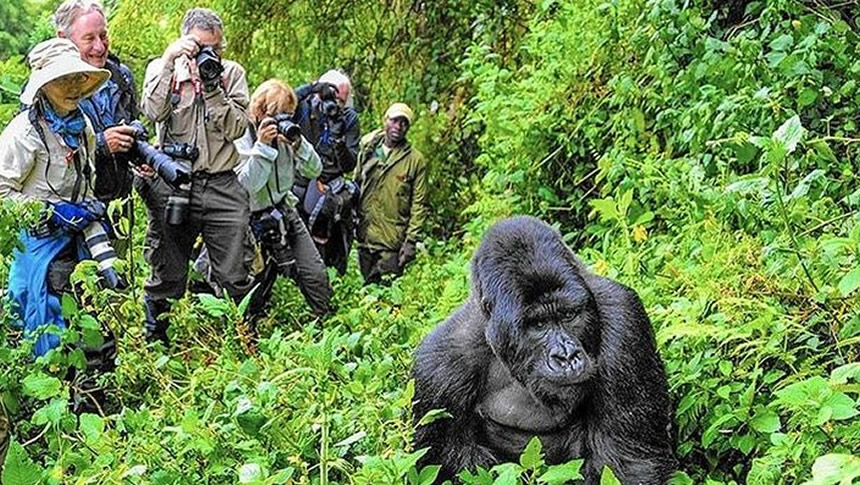
Central and West African destinations, including Uganda, Rwanda, and the Congo, offer specialized experiences like gorilla trekking that bring their own set of requirements. These destinations often involve more challenging terrain and different logistical considerations compared to the classic savanna safari.
Southern Africa presents a different landscape for desert safari vs savanna safari. Countries like Botswana, South Africa, Namibia, and Zimbabwe each have established infrastructure and practices that reflect their unique environments. The Okavango Delta, for instance, requires water-based considerations that land-based safaris in Kruger National Park do not.
Expert Recommendations: Desert Safari vs Savanna Safari
Budget considerations play an important role in desert safari vs savanna safari. While it is tempting to cut corners, experienced travelers consistently report that investing in quality where it matters most leads to significantly better outcomes. The key is knowing where to allocate your budget for maximum impact.
Working with a qualified safari planning guide can significantly improve your experience with desert safari vs savanna safari. Advisors who have personal experience in your chosen destinations can provide insights that no guidebook or website can match. They understand the subtle differences between properties, the best times to visit specific areas, and how to structure an itinerary that maximizes your time.
Safety and Health Considerations: Desert Safari vs Savanna Safari
Safety is paramount when it comes to desert safari vs savanna safari on safari. Reputable operators maintain strict safety protocols and employ experienced guides who are trained to handle a wide range of situations. Always verify that your chosen operator has proper licensing, insurance, and safety certifications.
Travel insurance that specifically covers safari activities is strongly recommended. Standard travel insurance policies may not cover all the activities and situations you might encounter on an African safari. Ensure your policy covers medical evacuation, trip cancellation, and activity-specific risks.
Health preparation is an essential component of desert safari vs savanna safari. Consult with a travel medicine specialist at least six weeks before your departure to discuss vaccinations, malaria prophylaxis, and other health precautions specific to your destinations.
Done Reading? Let's Build Your Safari.
Skip the guesswork. Work with an advisor who has been on the ground across East and Southern Africa.
Plan With UsPractical Planning Steps
Step one in addressing desert safari vs savanna safari is to clearly define your priorities and expectations. Are you focused on specific wildlife sightings, cultural experiences, photography opportunities, or a combination? Your answer will shape every subsequent decision.
Step three is creating a detailed plan that accounts for all aspects of desert safari vs savanna safari. This should include timelines, budgets, backup options, and contingency plans. The most successful safari travelers are those who plan thoroughly while remaining flexible enough to adapt to changing conditions.
A Tale of Two Ecosystems: The Namib Desert vs. the Serengeti Plains
To truly understand the difference between a desert and a savanna safari, let's compare two of Africa’s most iconic landscapes: the Namib Desert in Namibia and the Serengeti Plains in Tanzania. They offer profoundly different experiences, each spectacular in its own right.
The Namib Desert: A World of Sand, Silence, and Survival
A safari in the Namib Desert, particularly in areas like Sossusvlei or Damaraland, is a lesson in adaptation and resilience. The landscape is dominated by some of the world's tallest sand dunes, ancient gravel plains, and stark, rocky mountains. It’s a quiet, almost surreal environment where the scenery itself is a primary attraction.
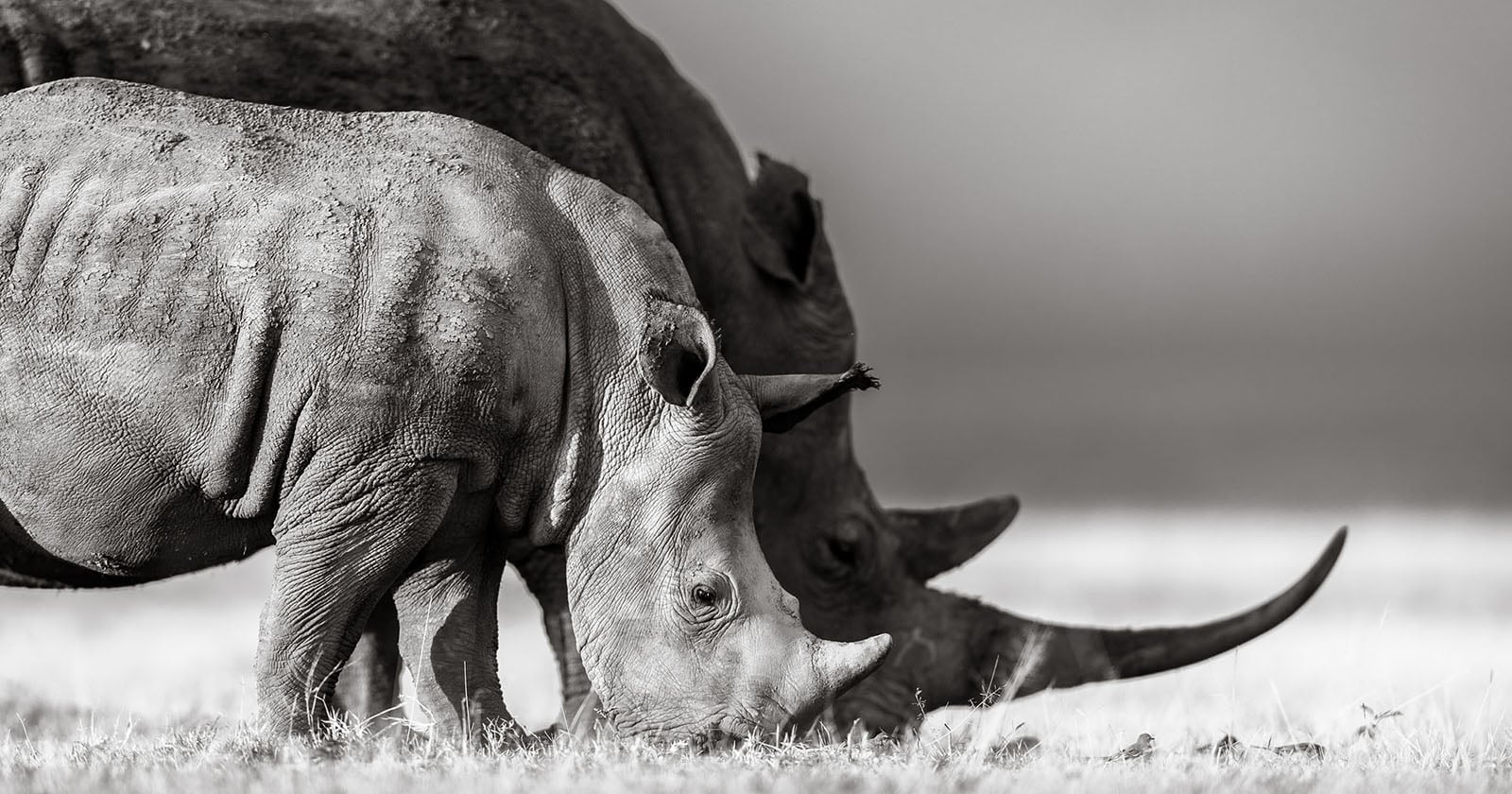
Wildlife here is sparse but highly specialized. You won't find the large herds of a savanna, but you will encounter remarkable desert-adapted species. This includes the famous desert-adapted elephants, which have longer legs and larger feet to traverse the sandy terrain, and the oryx (gemsbok), with its striking appearance and ability to survive without drinking water for long periods. Tracking these elusive animals across the vast, arid landscape is a unique and rewarding challenge. Activities are equally distinct, focusing on exploring the dramatic dunes of Sossusvlei at sunrise, tracking black rhino on foot in Damaraland, and experiencing some of the most brilliant stargazing on the planet.
The Serengeti Plains: A Spectacle of Abundance and Action
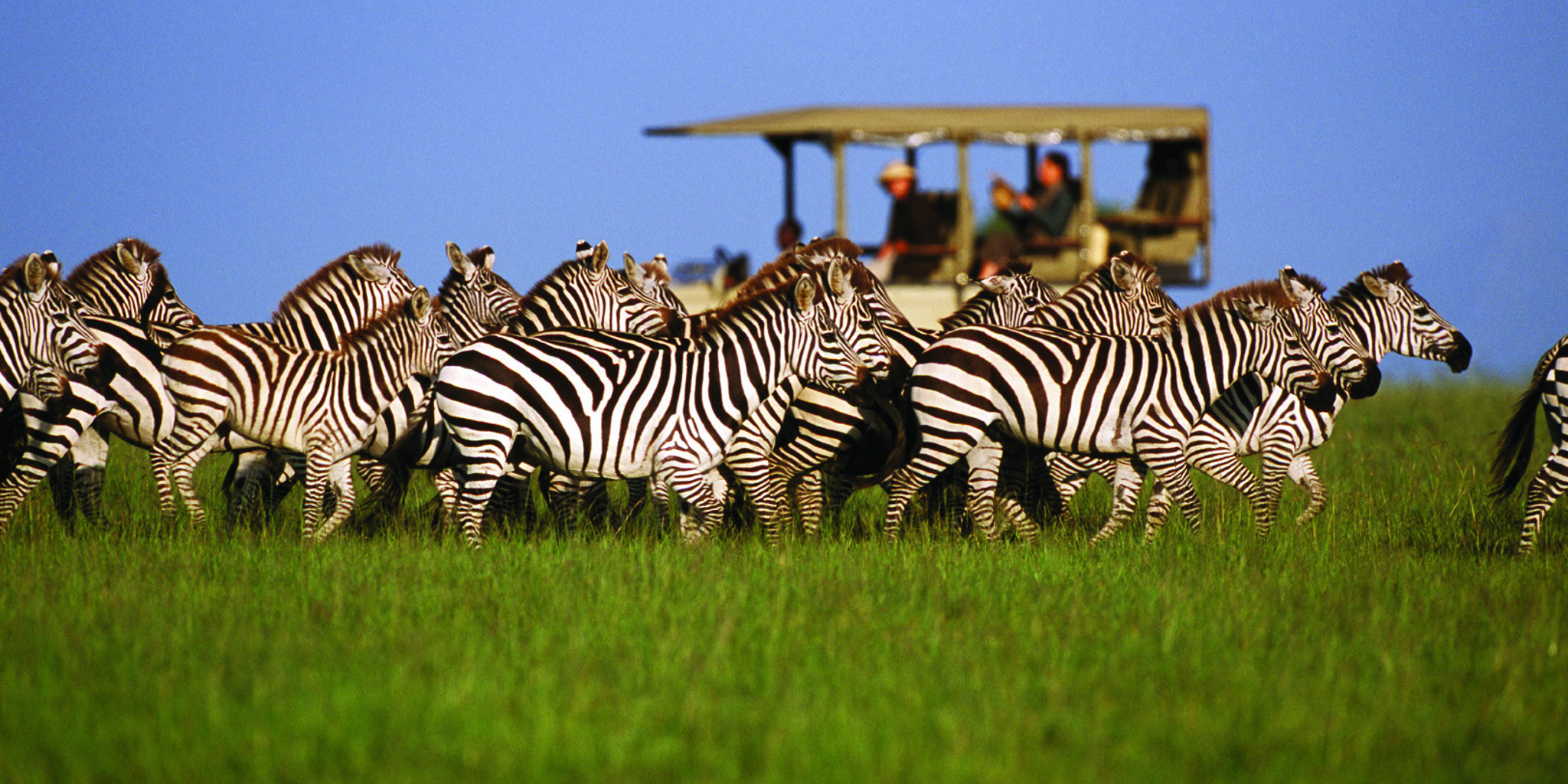
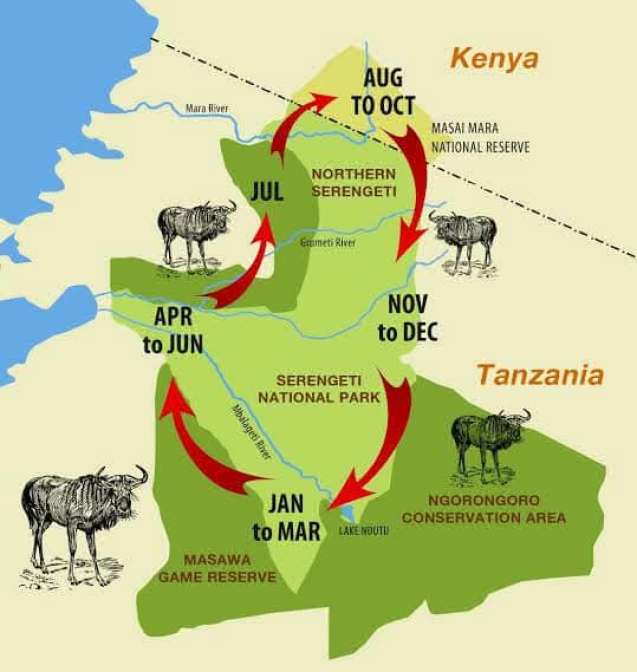
In contrast, the Serengeti Plains represent the quintessential savanna safari. This is a world of vast, open grasslands teeming with life. The sheer volume of wildlife is staggering, and the ecosystem is famous for hosting the Great Migration, where over a million wildebeest and zebra move in a continuous cycle in search of fresh grazing. This is a safari defined by action and abundance.
Game drives in the Serengeti are exceptionally productive, offering frequent sightings of large lion prides, cheetahs scanning the plains from termite mounds, and immense herds of buffalo, elephants, and giraffes. The experience is less about tracking and more about witnessing the grand drama of the animal kingdom unfold. While the landscape is beautiful, the focus is undeniably on the wildlife. A classic day here involves early morning and late afternoon game drives, maximizing your chances to see predators on the hunt and witness the daily rhythms of life and death on the plains.
Related Resources
For more information on planning your safari, explore our destination guides, browse the safari operator directory, or connect with an experienced safari planning guide for personalized guidance.
Need Expert Safari Guidance?
Get expert advisory support from a firm founded by a former safari guide — with real operational knowledge across 9 African countries and full-journey accountability.
Related Planning Guides
Recommended Reading
 Safari Comparison Articles
Namibia Desert vs Etosha Safari
Compare the stark beauty and unique wildlife of the Namib Desert with the classic game viewing of Etosha National Park. This guide will help you plan your perfect Namibian adventure.
 Safari Planning Guides
How to Plan a Safari for Desert Wildlife
Learn about how to plan a safari for desert wildlife in this comprehensive safari guide covering key insights and practical advice.
 Safari Planning Guides
How to Plan a Safari for Savanna Grasslands
Learn about how to plan a safari for savanna grasslands in this comprehensive safari guide covering key insights and practical advice.
 Destination Guides
Best Safari Destinations for Desert Wildlife
Your complete guide to Best Safari Destinations for Desert Wildlife. Find the best destinations, planning tips, and more for your next safari adventure.
 Destination Guides
Best Safari Destinations for Savanna Ecosystems
Your complete guide to Best Safari Destinations for Savanna Ecosystems. Find the best destinations, planning tips, and more for your next safari adventure.
 Luxury Safari Content
Luxury Safari Desert Lodge Experiences
Discover the essentials of luxury safari desert lodge experiences for an unforgettable African safari adventure.