
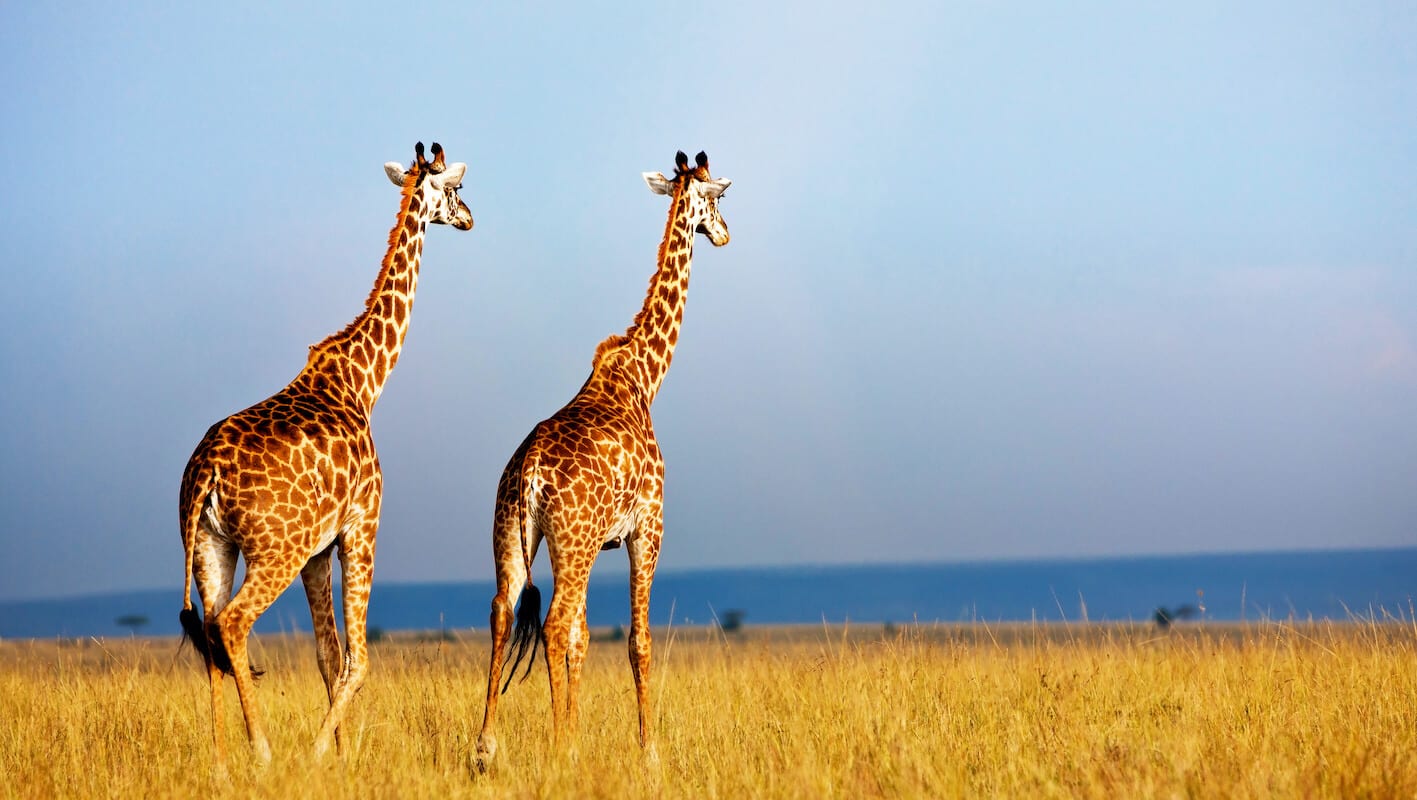
A comprehensive guide to Complete Guide to Bushbaby Species. Learn about its habitat, behavior, diet, and conservation status.
Complete Guide to Bushbaby Species
Whether you are a first-time safari traveler or a seasoned adventurer, complete guide to bushbaby species deserves careful attention. In this guide, we break down everything you need to know, from practical considerations to expert recommendations.
Seasonal Factors and Timing
Weather patterns across Africa are becoming less predictable due to climate change, which adds another layer of consideration to complete guide to bushbaby species. Working with operators who have current, on-the-ground knowledge of conditions is more important than ever.
The timing of your safari significantly impacts complete guide to bushbaby species. Dry season months, typically June through October in most East African destinations, offer different conditions than the green season months of November through May. Each period has distinct advantages and considerations.
Peak season brings excellent wildlife viewing but also higher prices and more crowded parks. Shoulder seasons offer a balance of good conditions and fewer crowds. Understanding how seasonal factors affect complete guide to bushbaby species helps you choose the optimal time for your specific priorities.
Still researching? Let us help.
Our advisory team has planned safaris across 9 African countries. We can turn your research into a real plan.
Talk to an AdvisorMaking the Most of Your Experience: Complete Guide to Bushbaby Species
Finally, remember that a safari is more than just wildlife viewing. The cultural experiences, landscapes, and personal connections you make along the way are equally valuable. Approaching complete guide to bushbaby species with this broader perspective will enrich your entire journey.
Photography enthusiasts should pay special attention to complete guide to bushbaby species as it relates to their equipment and technique. The lighting conditions, distances, and movement patterns of African wildlife create unique challenges and opportunities that benefit from advance preparation.
Regional Considerations Across Africa: Complete Guide to Bushbaby Species
East African safaris, particularly in Kenya and Tanzania, have their own distinct approach to complete guide to bushbaby species. The Serengeti-Mara ecosystem, which hosts the Great Migration, requires specific planning considerations that differ from destinations like Amboseli or Ngorongoro. Understanding these regional differences is crucial for optimizing your experience.
Southern Africa presents a different landscape for complete guide to bushbaby species. Countries like Botswana, South Africa, Namibia, and Zimbabwe each have established infrastructure and practices that reflect their unique environments. The Okavango Delta, for instance, requires water-based considerations that land-based safaris in Kruger National Park do not.
Practical Planning Steps: Complete Guide to Bushbaby Species
Step three is creating a detailed plan that accounts for all aspects of complete guide to bushbaby species. This should include timelines, budgets, backup options, and contingency plans. The most successful safari travelers are those who plan thoroughly while remaining flexible enough to adapt to changing conditions.
Step one in addressing complete guide to bushbaby species is to clearly define your priorities and expectations. Are you focused on specific wildlife sightings, cultural experiences, photography opportunities, or a combination? Your answer will shape every subsequent decision.
Step two involves researching your options thoroughly. Compare different destinations, operators, and approaches to complete guide to bushbaby species. Read reviews from verified travelers, consult with safari operators, and cross-reference information from multiple sources.
Done Reading? Let's Build Your Safari.
Skip the guesswork. Work with an advisor who has been on the ground across East and Southern Africa.
Plan With UsCommon Mistakes to Avoid: Complete Guide to Bushbaby Species
Underestimating the importance of complete guide to bushbaby species is perhaps the biggest mistake of all. Travelers who give this aspect of their safari proper attention consistently report more satisfying experiences than those who treat it as an afterthought.
Another common error is relying solely on online reviews without consulting experienced professionals. While traveler reviews provide valuable perspectives, they often lack the context and expertise that a qualified safari planning guide can offer. The best approach combines both sources of information.
Related Resources
For more information on planning your safari, explore our destination guides, browse the safari operator directory, or connect with an experienced safari planning guide for personalized guidance.
Deeper Dive into Bushbaby Social Dynamics
While often perceived as solitary foragers, bushbabies exhibit a surprisingly complex social structure that varies between species. The social lives of these nocturnal primates are primarily organized around females. Matriarchal clans form the core of bushbaby society, where related females and their offspring share overlapping territories. These groups will often sleep together in dense vegetation or tree hollows during the day, a behavior that provides both warmth and protection from predators.
Young males, upon reaching maturity, are typically forced out of their natal groups to prevent inbreeding. They become nomadic, wandering between female territories and seeking opportunities to mate. This dispersal is a critical phase in a male's life, fraught with dangers, including predation and aggressive encounters with resident males. A male's success is determined by his ability to navigate these challenges and establish his own range, which will ideally overlap with those of several female groups.
> Expert Insight: The social system of bushbabies is a fascinating example of a "dispersed social network." Although they forage alone at night, their interactions and vocalizations reveal a rich and structured social world. Understanding this is key to appreciating their behavior on a night drive.
The Complex Language of Bushbabies
Bushbabies are renowned for their loud, piercing cries, which are often compared to those of a human baby and are the source of their common name. However, their vocal repertoire is far more extensive and nuanced than this single call suggests. Researchers have identified over 25 distinct vocalizations used for a variety of social purposes, including:
- Alarm Calls: Sharp, high-pitched barks to warn of predators like genets, owls, and snakes.
- Contact Calls: Softer grunts and clicks used to maintain contact with other group members while foraging in the dark.
- Aggressive Calls: Chattering and scolding sounds made during territorial disputes.
- Mating Calls: Special calls made by females to signal their readiness to mate.
In addition to vocalizations, bushbabies employ a sophisticated system of olfactory communication. They practice "urine washing," where they urinate on their hands and feet, leaving scent trails as they move through the trees. This allows them to mark their territory, signal their reproductive status, and communicate with other bushbabies. For safari-goers, observing this behavior can be a unique and memorable experience.
Conservation Status: A Mixed but Concerning Picture
While many bushbaby species, like the Senegal bushbaby, are listed as "Least Concern" by the IUCN, this classification can be misleading. Several species and subspecies are facing significant threats, and their populations are in decline. The primary threats to bushbabies are habitat loss and fragmentation, driven by agriculture, logging, and human settlement.
For example, the Rondo dwarf galago (Galagoides rondoensis) is critically endangered, found only in two small forest patches in Tanzania. Its survival is directly threatened by charcoal production and illegal logging. Similarly, the Uluguru bushbaby is also facing threats from habitat destruction in its limited range in the Uluguru Mountains of Tanzania.
> Traveler's Tip: When visiting areas known for bushbaby populations, support conservation efforts by choosing lodges and operators that are committed to sustainable practices. Your tourism dollars can make a real difference in protecting these unique primates and their habitats. For more on responsible travel, visit our knowledge center.
Prime Destinations for Bushbaby Spotting
For travelers eager to catch a glimpse of these enchanting creatures, several destinations across Africa offer excellent opportunities. The key is to join a guided night drive, as this is when bushbabies are active. Some of the top spots include:
- South Africa: The Greater and Lesser Bushbabies are commonly sighted in Kruger National Park, particularly in the riverine forests along the Sabie and Sand Rivers. Private reserves in the Sabi Sand Game Reserve are also excellent locations.
- Tanzania: The woodlands of Ruaha National Park and the forests of the Udzungwa Mountains National Park are home to several species. For a truly unique experience, a visit to the Uluguru Mountains could yield a sighting of the rare Uluguru bushbaby.
- Kenya: The forests of the Aberdare National Park and the acacia woodlands of the Maasai Mara National Reserve are reliable places to find bushbabies.
- Uganda: Kibale Forest National Park, famous for its chimpanzees, is also a hotspot for nocturnal primates, including several species of bushbaby.
When planning your safari, be sure to express your interest in nocturnal wildlife to your safari planning guide. They can help you choose the right destinations and lodges that offer night drives and have experienced guides who are skilled at locating these elusive animals. You can also use our cost calculator to get an idea of what a safari to these destinations might cost.
Ready to start planning? Plan your safari with us today!
Need Expert Safari Guidance?
Get expert advisory support from a firm founded by a former safari guide — with real operational knowledge across 9 African countries and full-journey accountability.
Related Planning Guides
Explore Related Topics
Recommended Reading
 Wildlife Guides
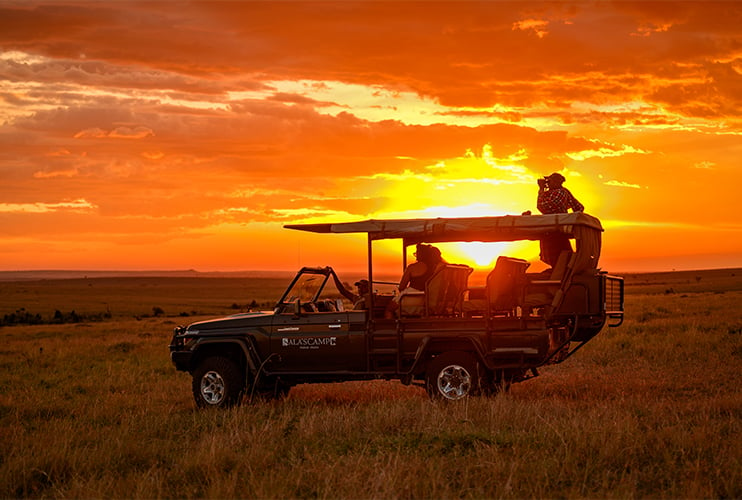
Complete Guide to Giraffe Species and Subspecies
Learn all about Complete Guide to Giraffe Species and Subspecies in this comprehensive guide. Discover the best time to go, what to see, and how to plan your trip.
 Wildlife Guides
Complete Guide to Vulture Species of Africa
Learn all about Complete Guide to Vulture Species of Africa in this comprehensive guide. Discover the best time to go, what to see, and how to plan your trip.
 Wildlife Guides
Complete Guide to Hornbill Species of Africa
Learn all about Complete Guide to Hornbill Species of Africa in this comprehensive guide. Discover the best time to go, what to see, and how to plan your trip.
 Destination Guides
Complete Guide to Table Mountain National Park
A complete guide to Complete Guide to Table Mountain National Park. Learn about the wildlife, activities, and best time to visit this amazing destination.
 Destination Guides
Complete Guide to Garden Route Safari Options
A complete guide to Complete Guide to Garden Route Safari Options. Learn about the wildlife, activities, and best time to visit this amazing destination.
 Destination Guides
Complete Guide to Sabi Sands Game Reserve
A complete guide to Complete Guide to Sabi Sands Game Reserve. Learn about the wildlife, activities, and best time to visit this amazing destination.