

Planning a safari? Learn the difference between black and white rhinos, the best places to see them in Africa, and how your travel can help conservation.
Rhinos are one of Africa's most iconic and sought-after safari animals. Seeing one of these magnificent, armored giants in the wild is an unforgettable experience. But Africa's rhinos are in trouble. Decades of relentless poaching have pushed them to the brink of extinction. Today, both of Africa's rhino species—the black rhino and the white rhino—are conservation-dependent, meaning they would likely go extinct without our protection. This guide will help you understand the differences between the two species, the best places to see them, the threats they face, and how you can contribute to their survival.
Black Rhino vs. White Rhino: What's the Difference?
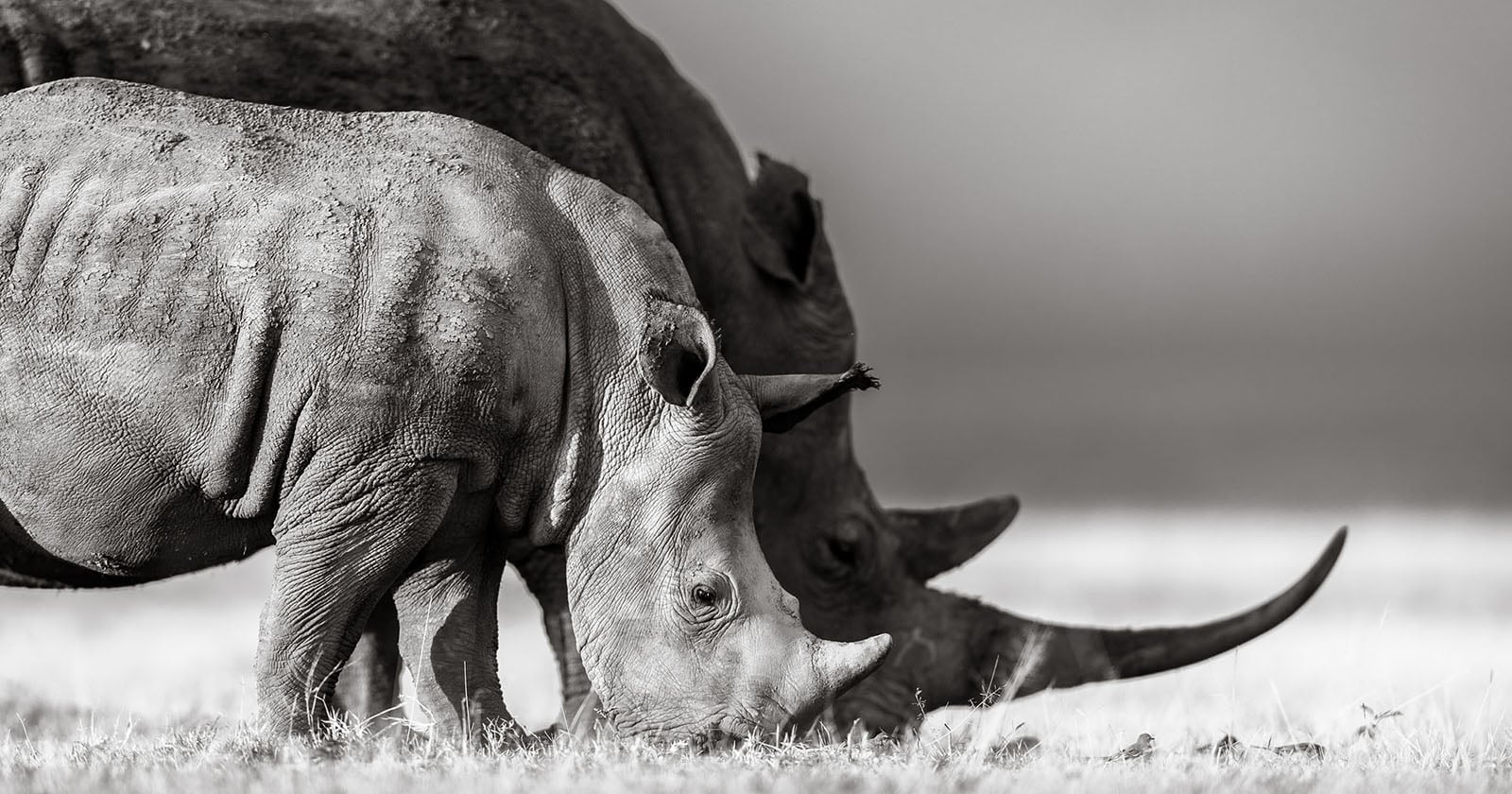
Contrary to their names, both black and white rhinos are actually grey. The name "white rhino" is believed to be a mistranslation of the Afrikaans word "wyd," meaning "wide," which refers to the animal's wide, square lip. Black rhinos, on the other hand, have a pointed, prehensile upper lip. This is the easiest way to tell them apart.
Physical Differences
Beyond their lips, there are other key physical differences between the two species. White rhinos are significantly larger than black rhinos, with a longer, more barrel-shaped body. Black rhinos are shorter and more compact. White rhinos hold their heads low to the ground for grazing, while black rhinos carry their heads high.
Diet and Behavior
Their physical differences are directly related to their diets. White rhinos are grazers, using their wide lips to eat grasses. Black rhinos are browsers, using their pointed lips to grasp leaves and twigs from trees and shrubs. White rhinos are also more social, often found in small groups called "crashes," while black rhinos are more solitary and elusive.
Where to See Rhinos in Africa
Thanks to dedicated conservation efforts, rhino populations are slowly recovering in certain parts of Africa. Today, the majority of the world's rhinos are found in just a handful of countries. If seeing a rhino is a priority for your safari, you'll want to focus on these destinations.
South Africa
South Africa is home to the largest rhino populations in Africa, making it one of the most reliable destinations for rhino sightings. Kruger National Park is a world-renowned stronghold for white rhinos, while Hluhluwe-iMfolozi Park in KwaZulu-Natal is famous for its successful black and white rhino conservation programs. Other excellent options include private game reserves like Sabi Sand and Madikwe.
Namibia
Namibia is another key country for rhino conservation, particularly for the desert-adapted black rhino. Etosha National Park is one of the best places in Africa to see black rhinos, especially at its floodlit waterholes during the dry season. The rugged landscapes of Damaraland are home to a unique population of desert-adapted black rhinos, which you can track on foot with expert local guides.
Kenya
Kenya has a long history of rhino conservation and offers some incredible opportunities to see both black and white rhinos. Ol Pejeta Conservancy is a model for conservation and is home to the last two northern white rhinos on Earth. Lewa Wildlife Conservancy is another black rhino stronghold, and you can also find them in Nairobi National Park, just a short drive from the city center.
Other Notable Destinations
While South Africa, Namibia, and Kenya are the top three, other countries also offer rewarding rhino viewing experiences. Botswana's Okavango Delta has a growing rhino population thanks to successful reintroduction projects. In Tanzania, the Ngorongoro Crater offers a chance to see black rhinos in a spectacular setting. Ziwa Rhino Sanctuary in Uganda is the only place in the country to see wild rhinos, and your visit directly supports the breeding and reintroduction program.
Still researching? Let us help.
Our advisory team has planned safaris across 9 African countries. We can turn your research into a real plan.
Talk to an AdvisorThe Threat of Poaching
The biggest threat to Africa's rhinos is poaching, driven by demand for their horns in some Asian countries, particularly Vietnam and China. Rhino horn is mistakenly believed to have medicinal properties, though it is made of keratin—the same protein found in human hair and fingernails. The illegal wildlife trade is a multi-billion dollar industry, and organized criminal syndicates are heavily involved in rhino poaching.
The Impact of Poaching
Between 2008 and 2021, an estimated 11,000 rhinos were poached in Africa. This devastating loss has had a catastrophic impact on rhino populations, particularly in certain regions. The western black rhino was declared extinct in 2011, and the last male northern white rhino died in 2018. While overall poaching numbers have decreased in recent years, the threat remains severe, and a recent surge in poaching in South Africa is a cause for major concern.
The Human Cost
Poaching doesn't just harm rhinos; it also has a devastating human cost. Rangers who protect rhinos often work in dangerous conditions and risk their lives in the line of duty. Poaching also fuels corruption and instability, undermining local communities and economies that depend on wildlife tourism.
Rhino Conservation Efforts
Despite the grim reality of poaching, there is hope for Africa's rhinos. A global coalition of governments, non-profit organizations, and local communities is working tirelessly to protect them. These efforts are multi-faceted and include a combination of strategies.
Anti-Poaching and Security
On the front lines, highly trained and dedicated rangers patrol rhino habitats, often using advanced technology like GPS tracking, night vision, and aerial surveillance to monitor rhinos and intercept poachers. In some reserves, rhinos are dehorned as a preventative measure to deter poachers. While controversial, this has proven effective in some areas.
Community Involvement
Engaging local communities is crucial for long-term conservation success. Many conservation programs work to create economic opportunities for local people through wildlife tourism, reducing their reliance on illegal activities like poaching. When communities benefit from rhinos, they are more likely to protect them.
Translocations and Reintroductions
To establish new rhino populations and expand their range, rhinos are sometimes moved from areas where they are thriving to new, secure locations. These complex operations, known as translocations, are essential for the genetic diversity and long-term survival of the species. Organizations like Rhinos Without Borders have successfully moved hundreds of rhinos from high-risk poaching areas in South Africa to the relative safety of Botswana.
How You Can Help
As a safari traveler, you can play a direct role in rhino conservation. Your tourism dollars provide a powerful economic incentive for governments and local communities to protect their wildlife. By choosing reputable, conservation-focused safari operators and lodges, you are supporting the work of those on the ground who are dedicated to protecting rhinos.
Support Conservation-Focused Tourism
When planning your safari, ask your tour operator about their commitment to conservation. Do they support local conservation projects? Do they employ local guides? Do they operate in parks and reserves with strong anti-poaching measures? By asking these questions, you can ensure that your trip has a positive impact.
Visit Rhino Sanctuaries
Consider visiting a rhino sanctuary, such as the Ziwa Rhino Sanctuary in Uganda or the Ol Pejeta Conservancy in Kenya. These organizations are on the front lines of rhino conservation, and your visit provides essential funding for their breeding programs, anti-poaching patrols, and community outreach efforts.
Spread the Word
When you return home, share your experiences and what you've learned about rhino conservation with your friends and family. The more people who understand the threats facing rhinos, the more support there will be for their protection. You can also support reputable rhino conservation organizations directly through donations.
Seeing a rhino in the wild is a powerful and humbling experience. These magnificent animals are a vital part of Africa's natural heritage, but their future is far from certain. By understanding the threats they face and supporting conservation-focused tourism, you can be part of the solution. Your safari can be more than just a vacation; it can be a force for good, helping to ensure that future generations have the opportunity to see these incredible creatures in their natural habitat.
Need Expert Safari Guidance?
Get expert advisory support from a firm founded by a former safari guide — with real operational knowledge across 9 African countries and full-journey accountability.
Related Planning Guides
Explore Related Topics
Recommended Reading
 Wildlife Guides
Best Places to See Rhinos
Discover the best places to see rhinos in Africa, from South Africa\
 Wildlife Guides
Wildlife Corridor Conservation in Africa
Learn about Africa\
 Safari Safety
Travel Safety in East Africa
Travel safely in East Africa with our expert tips. This guide covers health, urban safety, and wildlife precautions for your safari in Kenya, Tanzania, and beyond.
 Safari Safety
Travel Safety in Southern Africa
Learn how to travel safely in Southern Africa with our expert guide. Get practical tips on urban safety, safari precautions, and health preparations for your trip.
 Wildlife Guides
Lions of Africa – Behavior and Habitat
Learn about the behavior and habitat of African lions. This guide covers their social structure, hunting techniques, and the best places to see them in Africa.
 Safari Planning Guides
How to Plan a Safari for Rhino Conservation
Learn about how to plan a safari for rhino conservation in this comprehensive safari guide covering key insights and practical advice.