
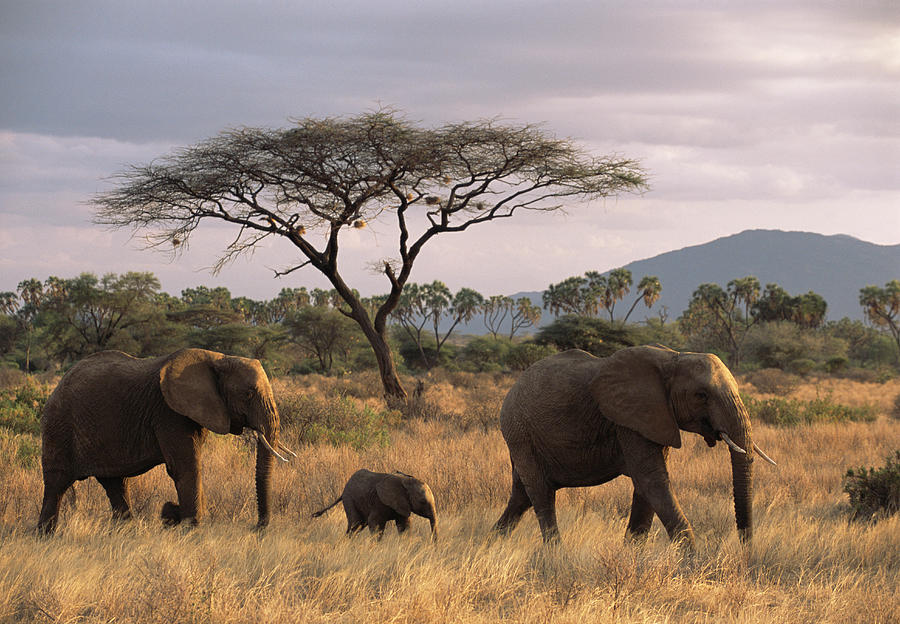
Learn how to manage malaria risk on your African safari. Our guide covers prevention, high-risk vs. low-risk destinations, and essential safety tips for travelers.
''' An African safari is a dream trip for many, but the thought of malaria can be a significant concern. The good news is that with accurate information and proper precautions, the risk of malaria can be effectively managed, ensuring your safari is both safe and unforgettable. This guide will walk you through everything you need to know about malaria risk on safari, from understanding the disease to choosing the right destinations and taking practical preventative measures.
Understanding Malaria and How It Spreads
Before we dive into prevention, it's important to understand what malaria is and how it is transmitted. This knowledge is the first step in protecting yourself.
What is Malaria?
Malaria is a serious and sometimes fatal disease caused by a parasite of the genus Plasmodium. It is transmitted to humans through the bite of an infected female Anopheles mosquito. When the mosquito bites, it injects the parasites into the bloodstream. There are five species of Plasmodium that can infect humans, with Plasmodium falciparum being the most dangerous and the most prevalent in Africa.
Where is Malaria Found in Africa?
Malaria is endemic across much of sub-Saharan Africa, but the risk is not uniform. It varies significantly by country, region, altitude, and season. High-risk areas are typically warm, humid, and have lower altitudes, which are ideal breeding grounds for mosquitoes. Many of Africa's premier safari destinations, including parts of Kenya, Tanzania, Uganda, and Zambia, are located in malarial zones.
When are Mosquitoes Most Active?
Understanding mosquito behavior is key to avoiding bites. The female Anopheles mosquito, which transmits malaria, is most active during the cooler hours of dusk and dawn. This is why you'll often hear advice to be particularly vigilant during the early morning and evening.
High-Risk vs. Low-Risk Malaria Safari Destinations
Choosing your safari destination wisely can significantly reduce your exposure to malaria. Africa offers a wide range of options, from high-risk areas with incredible wildlife viewing to completely malaria-free reserves.
High-Risk Malaria Regions
Some of Africa's most iconic safari destinations are in high-risk malaria areas. This doesn't mean you should avoid them, but it does mean you must take preventative measures seriously. These destinations include:
- Kenya: The Maasai Mara is a world-renowned safari destination but is considered a malarial area.
- Tanzania: The Serengeti, Ngorongoro Crater, and Tarangire National Park are all in malarial zones.
- Uganda: Known for gorilla trekking, Bwindi Impenetrable Forest and other national parks have a high risk of malaria.
- Zambia & Zimbabwe: The areas around Victoria Falls and many of the national parks in these countries are high-risk.
- Botswana: The Okavango Delta and Chobe National Park have a seasonal risk, which is highest during the rainy season.
Low-Risk and Malaria-Free Safari Destinations
For travelers who are pregnant, traveling with young children, or simply wish to avoid anti-malarial medication, there are excellent malaria-free and low-risk options, primarily in Southern Africa:
- South Africa: Many of the country's best game reserves are malaria-free. These include Madikwe Game Reserve, Pilanesberg National Park, and the reserves of the Eastern Cape (like Addo Elephant National Park). Kruger National Park has a low to moderate risk, which is highest in the rainy season.
- Namibia: Much of Namibia, including the iconic Etosha National Park, is considered low-risk or malaria-free, especially during the dry season.
- Botswana: While parts of Botswana are malarial, the Kgalagadi Transfrontier Park is malaria-free.
The Impact of Seasonality on Malaria Risk
The time of year you travel has a significant impact on malaria risk. The risk is highest during and immediately after the rainy season (typically November to April in Southern Africa and March to May/October to December in East Africa) when mosquito populations are at their peak. Conversely, the risk is lowest during the dry season when there is less standing water for mosquitoes to breed in.
Still researching? Let us help.
Our advisory team has planned safaris across 9 African countries. We can turn your research into a real plan.
Talk to an AdvisorPractical Steps to Prevent Malaria on Safari
Preventing malaria is a multi-pronged approach that involves medical advice, medication, and practical steps to avoid mosquito bites. The "ABCD" of malaria prevention is a helpful way to remember the key components: Awareness of risk, Bite prevention, Chemoprophylaxis (anti-malarial medication), and Diagnosis.
Consult a Travel Doctor
This is the most important step in your safari planning. You should consult a travel doctor or a tropical disease specialist at least 4-6 weeks before your departure. They will provide you with the most up-to-date information on malaria risk for your specific itinerary and prescribe the appropriate anti-malarial medication.
Anti-Malarial Medication
There are several effective anti-malarial medications (chemoprophylaxis) available. Your doctor will recommend the best option for you based on your destination, medical history, and personal preferences. Common options include:
- Atovaquone/Proguanil (Malarone): Often preferred due to its effectiveness and fewer side effects.
- Doxycycline: A daily antibiotic that is also effective against malaria.
- Mefloquine (Lariam): A weekly tablet, but it can have neuropsychiatric side effects.
It is crucial to take your medication exactly as prescribed, including the full course before, during, and after your trip.
"Bite Avoidance" is Your Best Defense
No anti-malarial drug is 100% effective, so preventing mosquito bites is your first and most important line of defense. Most safari lodges and camps are well-equipped to help you with this.
Using Mosquito Repellent Effectively
Use an insect repellent containing DEET on all exposed skin. Repellents with 20-35% DEET are effective and generally safe for adults and children over two months of age. Apply it after your sunscreen.
Protective Clothing
Cover up with loose-fitting, long-sleeved shirts and long pants, especially in the evenings and early mornings. Light, neutral-colored clothing (khaki, beige, grey) is less attractive to mosquitoes than dark colors.
Sleeping Under Mosquito Nets
Most safari lodges and camps in malarial areas provide mosquito nets over the beds. Ensure your net is properly tucked in and has no holes. Many lodges also spray the rooms with insecticide in the evening while you are at dinner.
Recognizing Malaria Symptoms
Even with the best precautions, it's important to be aware of the symptoms of malaria.
Common Symptoms of Malaria
Malaria symptoms can develop as early as 7 days after being bitten and can include:
- Fever and chills
- Headache
- Muscle aches and fatigue
- Nausea, vomiting, and diarrhea
These symptoms can be easily mistaken for the flu. If you experience any of these symptoms during or after your trip, it is essential to seek immediate medical attention.
What to Do if You Suspect Malaria
If you suspect you have malaria, you must see a doctor immediately and inform them of your recent travel to a malarial area. Early diagnosis and treatment are crucial for a full recovery.
Special Considerations for Travelers
Certain travelers need to take extra precautions when planning a safari to a malarial area.
Traveling with Children
Children are more vulnerable to severe malaria. It is essential to consult a travel doctor about appropriate anti-malarial medication for children and to be extra diligent with bite prevention. Many families opt for malaria-free destinations to avoid any risk.
Pregnancy and Malaria
Malaria in pregnancy can be very serious for both the mother and the unborn baby. It is generally recommended that pregnant women avoid travel to malarial areas. If travel is unavoidable, strict adherence to preventative measures is essential.
Last-Minute Safari Bookings
If you are booking a last-minute safari, you may not have the recommended 4-6 weeks to start your anti-malarial medication. Consult a travel doctor immediately to discuss your options.
Done Reading? Let's Build Your Safari.
Skip the guesswork. Work with an advisor who has been on the ground across East and Southern Africa.
Plan With UsConclusion
While malaria is a serious consideration when planning an African safari, it should not deter you from experiencing the magic of the continent. By understanding the risks, choosing your destination and time of travel carefully, and diligently following preventative measures, you can enjoy a safe, healthy, and life-changing safari adventure. The key is to be informed, be prepared, and consult with medical professionals to make the best decisions for your trip. '''
Need Expert Safari Guidance?
Get expert advisory support from a firm founded by a former safari guide — with real operational knowledge across 9 African countries and full-journey accountability.
Related Planning Guides
Explore Related Topics
Recommended Reading
 Packing & Preparation
Safari Malaria Prevention Guide
Learn all about Safari Malaria Prevention Guide in this comprehensive guide.
 Destination Guides
Pilanesberg National Park: A Malaria-Free Safari
A complete guide to Complete Guide to Pilanesberg National Park. Learn about the wildlife, activities, and best time to visit this amazing destination.
 Safari Safety
Is African Safari Safe for Travelers?
Is an African safari safe? Our expert guide covers the real risks, safety measures, and practical advice to help you plan a secure and unforgettable journey.
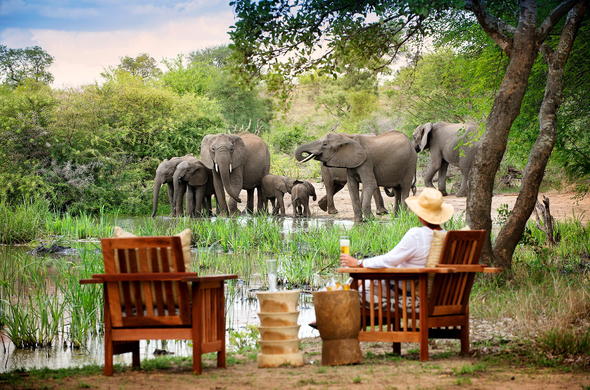 Safari Planning
Step-by-Step Guide to Planning an African Safari
Learn how to plan your first African safari with our step-by-step guide. We cover everything from choosing a destination to booking your trip and packing.
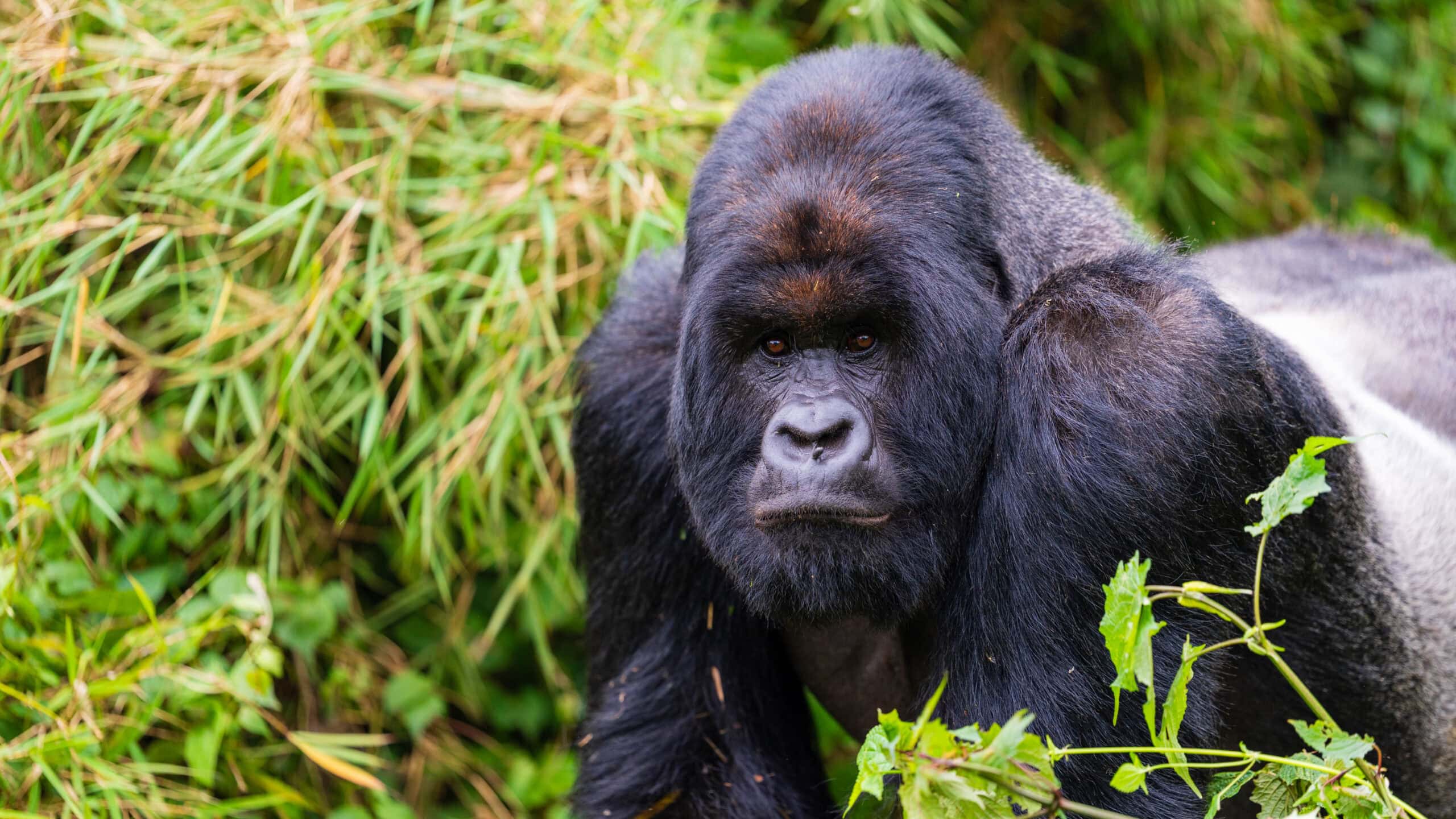 Safari Planning
Choosing the Right African Safari Destination
Planning an African safari? Our guide helps you choose the right destination by breaking down key factors like wildlife, budget, travel style, and top countries.
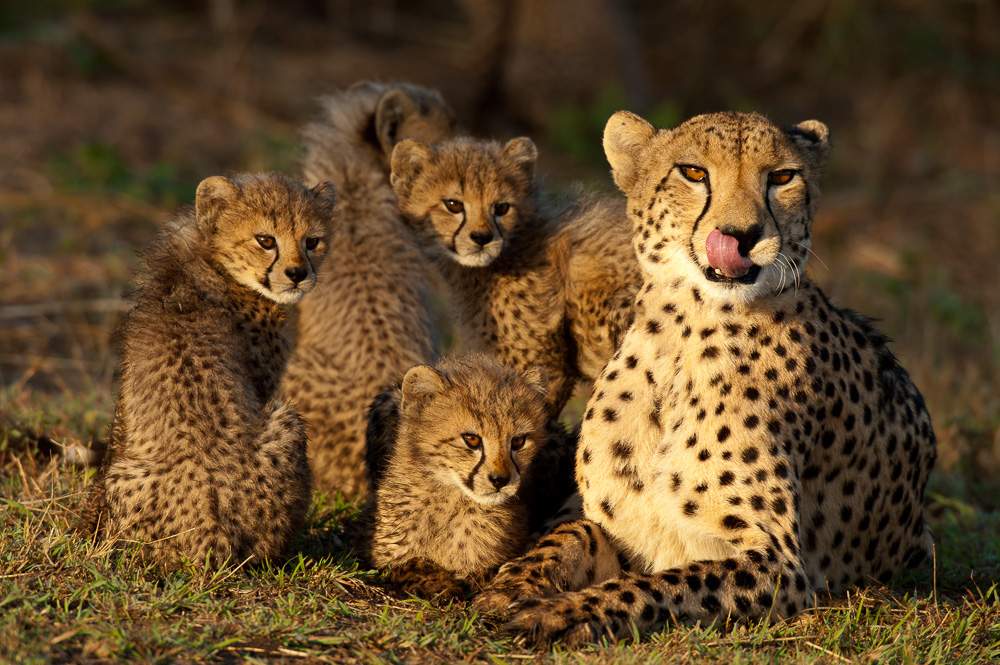 Safari Planning
Vaccinations Needed for African Safari Travel
Learn about the required and recommended vaccinations for your African safari. Our guide covers Yellow Fever, Malaria, and other health precautions for your trip.