
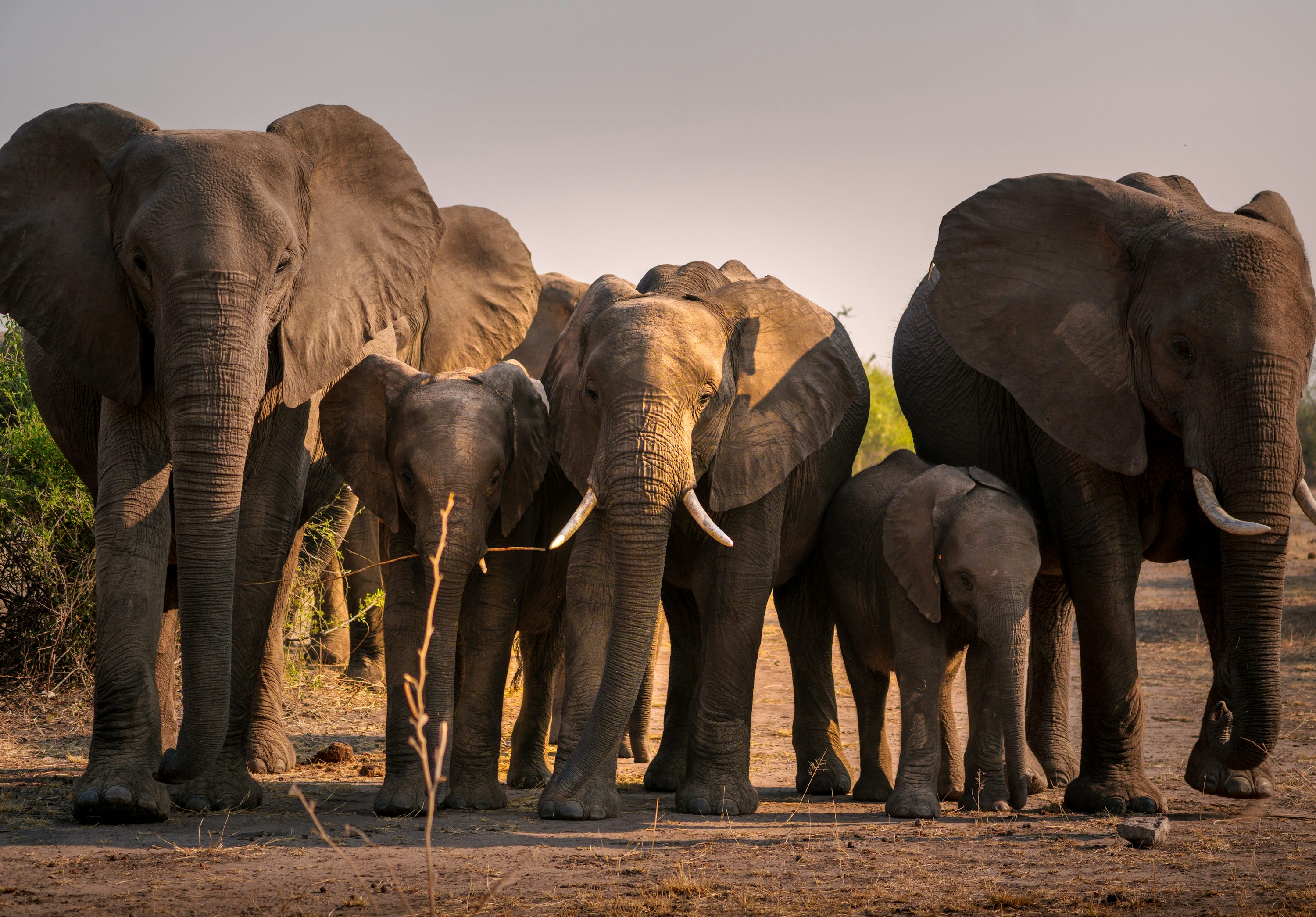
An in-depth comparison of Wetland Safari vs Dry Land Safari to help you choose the perfect safari experience. Explore the pros, cons, and key differences to mak
Wetland Safari vs Dry Land Safari
The safari industry has evolved significantly, and so has the approach to wetland safari vs dry land safari. This guide reflects current best practices and real-world insights from operators across East and Southern Africa.
Common Mistakes to Avoid: Wetland Safari vs Dry Land Safari
Another common error is relying solely on online reviews without consulting experienced professionals. While traveler reviews provide valuable perspectives, they often lack the context and expertise that a qualified safari planning guide can offer. The best approach combines both sources of information.
One of the most frequent mistakes travelers make with wetland safari vs dry land safari is waiting too long to start planning. Popular safari destinations and lodges book up months in advance, especially during peak season. Last-minute planning often results in limited options and higher costs.
Underestimating the importance of wetland safari vs dry land safari is perhaps the biggest mistake of all. Travelers who give this aspect of their safari proper attention consistently report more satisfying experiences than those who treat it as an afterthought.
Still researching? Let us help.
Our advisory team has planned safaris across 9 African countries. We can turn your research into a real plan.
Talk to an AdvisorPractical Planning Steps: Wetland Safari vs Dry Land Safari
Step two involves researching your options thoroughly. Compare different destinations, operators, and approaches to wetland safari vs dry land safari. Read reviews from verified travelers, consult with safari operators, and cross-reference information from multiple sources.
Step three is creating a detailed plan that accounts for all aspects of wetland safari vs dry land safari. This should include timelines, budgets, backup options, and contingency plans. The most successful safari travelers are those who plan thoroughly while remaining flexible enough to adapt to changing conditions.
Safety and Health Considerations
Safety is paramount when it comes to wetland safari vs dry land safari on safari. Reputable operators maintain strict safety protocols and employ experienced guides who are trained to handle a wide range of situations. Always verify that your chosen operator has proper licensing, insurance, and safety certifications.
Health preparation is an essential component of wetland safari vs dry land safari. Consult with a travel medicine specialist at least six weeks before your departure to discuss vaccinations, malaria prophylaxis, and other health precautions specific to your destinations.
Travel insurance that specifically covers safari activities is strongly recommended. Standard travel insurance policies may not cover all the activities and situations you might encounter on an African safari. Ensure your policy covers medical evacuation, trip cancellation, and activity-specific risks.
Understanding the Fundamentals
Experienced safari operators emphasize that preparation is the single most important factor in wetland safari vs dry land safari. This means doing your research well in advance, consulting with knowledgeable advisors, and being willing to adapt your plans based on current conditions. The best safari experiences come from travelers who approach their journey with both enthusiasm and informed flexibility.
The foundation of wetland safari vs dry land safari begins with understanding the basic principles. Safari environments across Africa present unique conditions that differ significantly from what most travelers are accustomed to. In East Africa, the vast savannas of Kenya and Tanzania create one set of considerations, while the dense forests of Uganda and Rwanda present entirely different challenges. Southern African destinations like Botswana and South Africa add yet another dimension.
Done Reading? Let's Build Your Safari.
Skip the guesswork. Work with an advisor who has been on the ground across East and Southern Africa.
Plan With UsMaking the Most of Your Experience
To truly optimize wetland safari vs dry land safari, approach your safari with an open mind and realistic expectations. Africa has a way of surprising even the most experienced travelers, and some of the best moments come from unexpected encounters and unplanned detours.
Finally, remember that a safari is more than just wildlife viewing. The cultural experiences, landscapes, and personal connections you make along the way are equally valuable. Approaching wetland safari vs dry land safari with this broader perspective will enrich your entire journey.
Case Study: Okavango Delta vs. Serengeti National Park
To understand the practical differences between a wetland and a dry-land safari, there is no better comparison than Botswana’s Okavango Delta and Tanzania’s Serengeti National Park. These two iconic destinations offer profoundly different experiences, each shaped by its unique landscape.
The Serengeti is the quintessential dry-land safari destination. Its vast, open savannahs are ideal for traditional game drives in 4x4 vehicles, offering unobstructed views of large predator-prey interactions. This is where you witness the Great Migration, a dramatic spectacle of over a million wildebeest and zebra thundering across the plains. The sheer scale of the Serengeti landscape and the density of its wildlife, particularly big cats, create a sense of epic drama. Activities are primarily vehicle-based, and the experience is defined by covering large distances in search of iconic wildlife moments.
In contrast, the Okavango Delta is a sprawling inland wetland, a maze of deep lagoons, shallow floodplains, and palm-fringed islands. Here, the safari experience is more intimate and water-focused. The signature activity is a mokoro safari, where you glide silently through reed-lined channels in a traditional dugout canoe. This offers an eye-level perspective of the smaller wonders—bell frogs, painted reed frogs, and malachite kingfishers—as well as close, quiet encounters with elephants and hippos. The Delta is also one of the best places in Africa to see the endangered African wild dog. The pace is slower, the experience more immersive, and the focus is on the intricate details of the ecosystem.
Choosing Your Ideal Safari Landscape
Deciding between a wetland and a dry-land safari ultimately comes down to your personal travel style and what you hope to experience.
Choose a dry-land safari in destinations like the Serengeti, Maasai Mara, or Kruger National Park if:
- Your primary goal is to see the "Big Five" and witness classic predator action.
- You enjoy the thrill of fast-paced game drives across vast, open landscapes.
- You are fascinated by large-scale wildlife events like the Great Migration.
Choose a wetland safari in areas like the Okavango Delta, Zambia's Busanga Plains, or Uganda's Murchison Falls National Park if:
- You are a keen birder or enjoy a more holistic, nature-focused experience.
- You prefer quieter, more intimate wildlife encounters away from the crowds.
- You are drawn to unique activities like boating, canoeing, and walking safaris.
- You hope to see rare, water-adapted species like the sitatunga antelope or Pel's fishing owl.
Many of the best safari itineraries combine both. For example, a trip to Botswana might include a few days in the predator-rich Savuti region (a dry landscape) before flying into a water-based camp in the heart of the Okavango Delta. This combination provides a comprehensive and varied safari that captures the best of both worlds.
Related Resources
For more information on planning your safari, explore our destination guides, browse the safari operator directory, or connect with an experienced safari planning guide for personalized guidance.
Need Expert Safari Guidance?
Get expert advisory support from a firm founded by a former safari guide — with real operational knowledge across 9 African countries and full-journey accountability.
Related Planning Guides
Recommended Reading
 Safari Comparison Articles
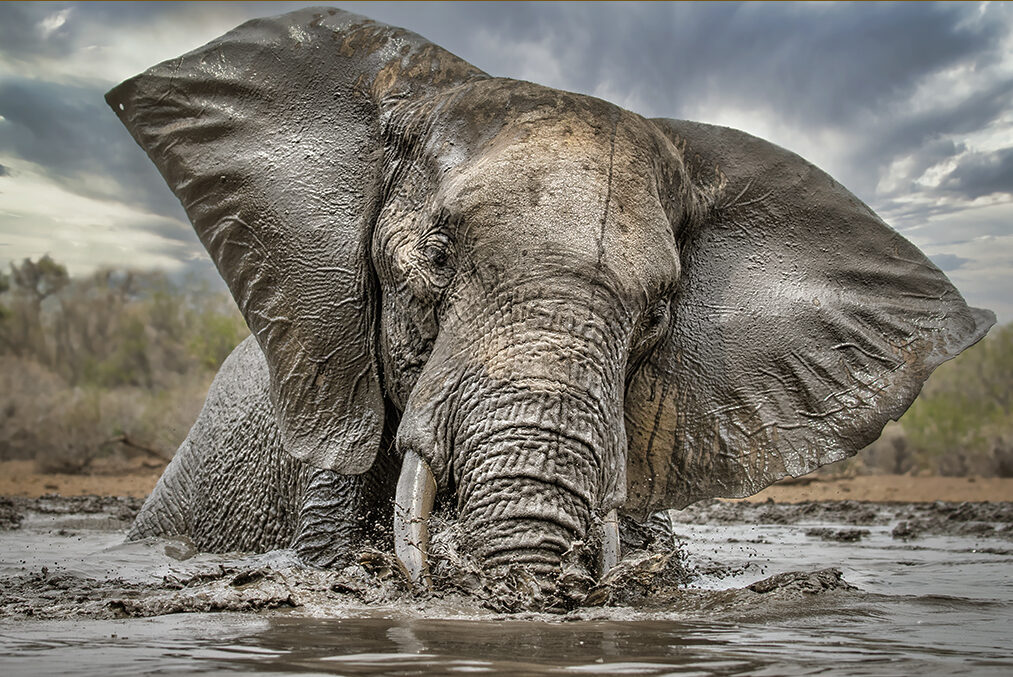
Botswana Delta vs Dry Land Safaris
Explore the unique safari experiences of Botswana: the water-based adventures of the Okavango Delta versus the classic game drives of its dry land reserves. This guide helps you decide.
 Safari Comparison Articles
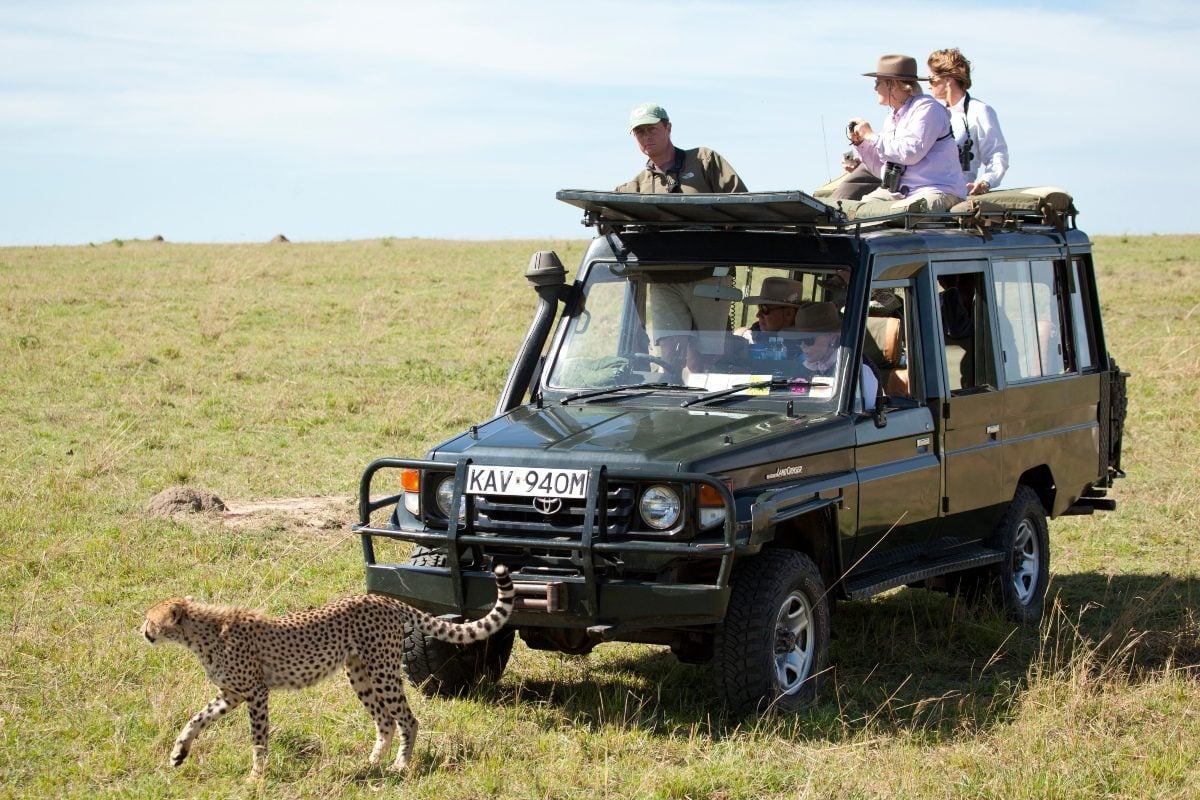
Boat Safari vs Land Safari Comparison
An in-depth comparison of Boat Safari vs Land Safari Comparison to help you choose the perfect safari experience. Explore the pros, cons, and key differences to
 Safari Comparison Articles
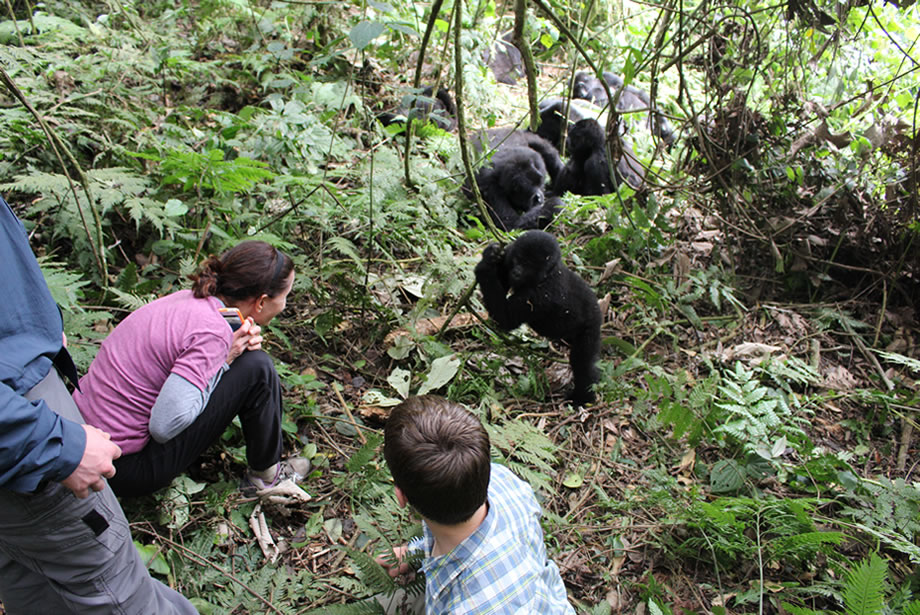
Marine Safari vs Land Safari
An in-depth comparison of Marine Safari vs Land Safari to help you choose the perfect safari experience. Explore the pros, cons, and key differences to make an
 Safari Planning Guides
How to Plan a Safari for Wetland Wildlife
Learn about how to plan a safari for wetland wildlife in this comprehensive safari guide covering key insights and practical advice.
 Destination Guides
Best Safari Destinations for Wetland Wildlife
Your complete guide to Best Safari Destinations for Wetland Wildlife. Find the best destinations, planning tips, and more for your next safari adventure.
 Safari Cost Guides
Safari Cost Comparison Dry Season vs Green Season
Learn about safari cost comparison dry season vs green season in this comprehensive safari guide covering key insights and practical advice.