
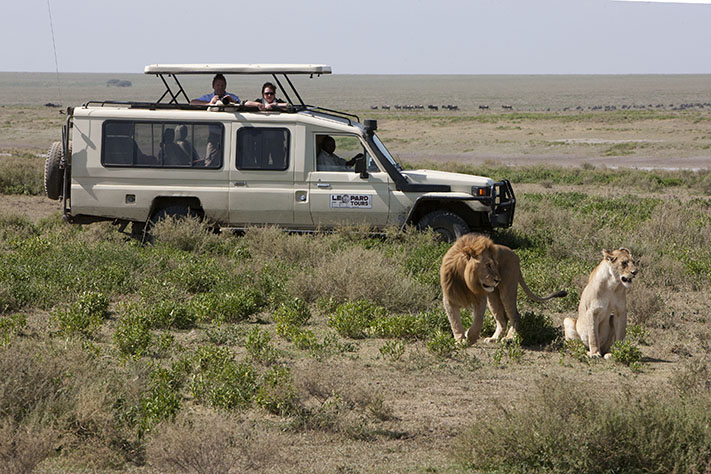
An in-depth comparison of Coastal Safari vs Inland Safari to help you choose the perfect safari experience. Explore the pros, cons, and key differences to make
Coastal Safari vs Inland Safari
Africa offers some of the most incredible wildlife experiences on Earth, and getting coastal safari vs inland safari right is essential to making the most of your journey. Here is what experienced safari guides and advisors recommend.
Seasonal Factors and Timing: Coastal Safari vs Inland Safari
The timing of your safari significantly impacts coastal safari vs inland safari. Dry season months, typically June through October in most East African destinations, offer different conditions than the green season months of November through May. Each period has distinct advantages and considerations.
Peak season brings excellent wildlife viewing but also higher prices and more crowded parks. Shoulder seasons offer a balance of good conditions and fewer crowds. Understanding how seasonal factors affect coastal safari vs inland safari helps you choose the optimal time for your specific priorities.
Still researching? Let us help.
Our advisory team has planned safaris across 9 African countries. We can turn your research into a real plan.
Talk to an AdvisorRegional Considerations Across Africa
East African safaris, particularly in Kenya and Tanzania, have their own distinct approach to coastal safari vs inland safari. The Serengeti-Mara ecosystem, which hosts the Great Migration, requires specific planning considerations that differ from destinations like Amboseli or Ngorongoro. Understanding these regional differences is crucial for optimizing your experience.
Southern Africa presents a different landscape for coastal safari vs inland safari. Countries like Botswana, South Africa, Namibia, and Zimbabwe each have established infrastructure and practices that reflect their unique environments. The Okavango Delta, for instance, requires water-based considerations that land-based safaris in Kruger National Park do not.
Practical Planning Steps
Step three is creating a detailed plan that accounts for all aspects of coastal safari vs inland safari. This should include timelines, budgets, backup options, and contingency plans. The most successful safari travelers are those who plan thoroughly while remaining flexible enough to adapt to changing conditions.
Step two involves researching your options thoroughly. Compare different destinations, operators, and approaches to coastal safari vs inland safari. Read reviews from verified travelers, consult with safari operators, and cross-reference information from multiple sources.
Expert Recommendations
Budget considerations play an important role in coastal safari vs inland safari. While it is tempting to cut corners, experienced travelers consistently report that investing in quality where it matters most leads to significantly better outcomes. The key is knowing where to allocate your budget for maximum impact.
Working with a qualified safari planning guide can significantly improve your experience with coastal safari vs inland safari. Advisors who have personal experience in your chosen destinations can provide insights that no guidebook or website can match. They understand the subtle differences between properties, the best times to visit specific areas, and how to structure an itinerary that maximizes your time.
Safari advisors consistently recommend starting your planning process at least six to twelve months before your intended travel dates. This lead time allows you to secure preferred accommodations, take advantage of early booking rates, and properly prepare for all aspects of coastal safari vs inland safari.
Done Reading? Let's Build Your Safari.
Skip the guesswork. Work with an advisor who has been on the ground across East and Southern Africa.
Plan With UsWhat Defines a Coastal Safari?
A coastal safari offers a unique fusion of terrestrial wildlife viewing and marine exploration, creating a "bush-and-beach" experience in a single destination. Unlike their inland counterparts, these safaris are set in ecosystems where coastal forests, mangrove swamps, and savanna plains meet the Indian Ocean. The focus extends beyond the Big Five to include a diverse array of life, from marine mammals to rare forest-dwelling antelope.
Destinations like Tanzania's Saadani National Park are prime examples, famous as the only wildlife sanctuary in East Africa to border the ocean. Here, it is possible to see elephants and giraffes near the shoreline in the morning and take a boat trip on the Wami River to spot hippos, crocodiles, and diverse birdlife in the afternoon. Similarly, Kenya's Shimba Hills National Reserve, located near Diani Beach, protects a coastal rainforest home to elephants, leopards, and the last breeding population of Sable antelope in the country.
The Classic Inland Safari Experience
The inland safari is the quintessential African adventure, set in the vast, iconic landscapes of the continent's interior. These are the legendary savannas, woodlands, and grasslands of world-renowned parks like the Serengeti National Park in Tanzania, the Maasai Mara National Reserve in Kenya, and Kruger National Park in South Africa. The experience is defined by its sheer density and diversity of large mammals.
Here, the primary activity is the game drive, where you venture out in a 4x4 vehicle in search of the Big Five: lions, leopards, rhinos, elephants, and African buffalo. The drama of the Great Migration, predator-prey interactions, and the sight of immense herds stretching across the plains are hallmarks of the inland safari. It is an immersive and powerful wildlife experience that delivers the classic scenes most people associate with an African safari.
Related Resources
For more information on planning your safari, explore our destination guides, browse the safari operator directory, or connect with an experienced safari planning guide for personalized guidance.
Head-to-Head: A Detailed Comparison
To help you decide, here is a direct comparison of what to expect from a coastal versus an inland safari experience. While both offer incredible moments, they cater to different priorities and travel styles. Understanding these distinctions is the key to planning the perfect trip.
| Feature | Coastal Safari | Inland Safari | | :---------------------- | :---------------------------------------------------------------------------------------------------------------------------------------- | :----------------------------------------------------------------------------------------------------------------------------------------------- | | Typical Landscape | Mangrove forests, coastal plains, river deltas, and ocean beachfronts. A unique mix of bush and beach environments. | Vast open savannas, rolling grasslands, acacia woodlands, and dramatic volcanic craters (like Ngorongoro). | | Key Wildlife | Elephants on the beach, hippos, crocodiles, the rare Sable antelope (in Kenya's Shimba Hills), green turtles, dolphins, and rich marine birdlife. Big cats are present but seen less frequently. | The "Big Five" (Lion, Leopard, Rhino, Elephant, Buffalo), immense herds of wildebeest and zebra (The Great Migration), cheetahs, giraffes, and hyenas. | | Primary Activities | Morning game drives, afternoon boat safaris on rivers (like the Wami River in Saadani), snorkeling, dhow sailing trips, and beach relaxation. | Full-day 4x4 game drives, hot air ballooning over the plains (Maasai Mara/Serengeti), guided walking safaris, and cultural visits with local communities. | | Best For | Travelers seeking a unique blend of wildlife and relaxation, second-time safari-goers, or those wanting to combine a classic safari with a tranquil beach holiday in one location. | First-time safari travelers, avid wildlife photographers, and anyone whose primary goal is to witness the highest density and diversity of large mammals and classic predator-prey action. | | Example Itinerary | A 4-day trip to Saadani National Park in Tanzania, flying from Dar es Salaam. Combine game drives with a boat safari on the Wami River. Lodges like Saadani Safari Lodge offer packages from $500-$700 per person, per night. | A 7-day safari through Tanzania's Northern Circuit, covering Tarangire, Ngorongoro Crater, and the Serengeti. This is the classic route for witnessing the Great Migration and the Big Five. Connect with our safari operators for a custom quote. |
Real-World Scenarios: Which Safari Is Right for You?
Theory is helpful, but practical examples make the choice clearer. Here are two common traveler profiles and which safari type would best fit their goals.
Scenario 1: The First-Time Safari Goer Seeking Classic Wildlife Drama
A couple is planning their first-ever trip to Africa. Their dream is to see the iconic scenes from wildlife documentaries: vast herds of wildebeest, lions stalking their prey across golden plains, and elephants silhouetted against an acacia tree at sunset. They have a 10-day window and a budget focused on maximizing wildlife encounters.
Recommendation: An inland safari is the undeniable choice. A journey through Tanzania’s Serengeti and the Ngorongoro Crater or Kenya's Maasai Mara will deliver the high-density wildlife and dramatic landscapes they envision. They should plan their travel between July and October to witness the Great Migration's dramatic river crossings in the northern Serengeti or Maasai Mara. This itinerary is built for immersive game viewing and delivers the powerful, classic safari experience they are looking for. For more ideas, explore our destination guides.
Scenario 2: The Seasoned Traveler Looking for a Unique 'Bush-and-Beach' Holiday
A family has been on safari before in South Africa's Kruger National Park. This time, they want something different—a trip that combines authentic wildlife viewing with relaxation and activities beyond just game drives. They are traveling with teenagers who have diverse interests, from wildlife to swimming and cultural exploration.
Recommendation: A coastal safari offers the perfect blend. A stay at Tanzania's Saadani National Park would be an excellent fit. Here, they can spend the morning on a game drive seeing giraffes and elephants near the coast and the afternoon relaxing on the beach or taking a boat trip to spot hippos and crocodiles. The proximity to the historic town of Bagamoyo and the marine life of the Indian Ocean provides the variety they seek. This option avoids the long travel days of some inland circuits and provides a more relaxed pace with a wider range of activities, keeping everyone engaged. Browse our operator directory to find companies specializing in these unique coastal itineraries.
Need Expert Safari Guidance?
Get expert advisory support from a firm founded by a former safari guide — with real operational knowledge across 9 African countries and full-journey accountability.
Related Planning Guides
Recommended Reading
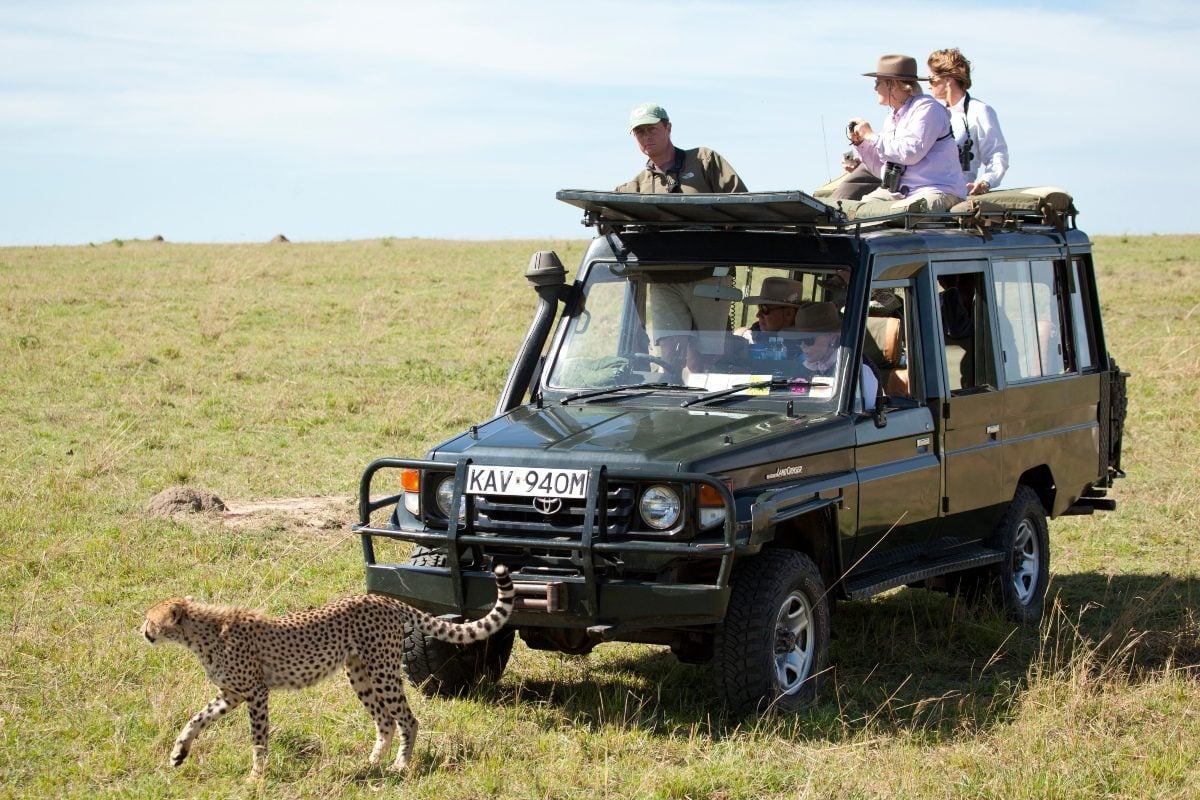 Safari Comparison Articles
Boat Safari vs Land Safari Comparison
An in-depth comparison of Boat Safari vs Land Safari Comparison to help you choose the perfect safari experience. Explore the pros, cons, and key differences to
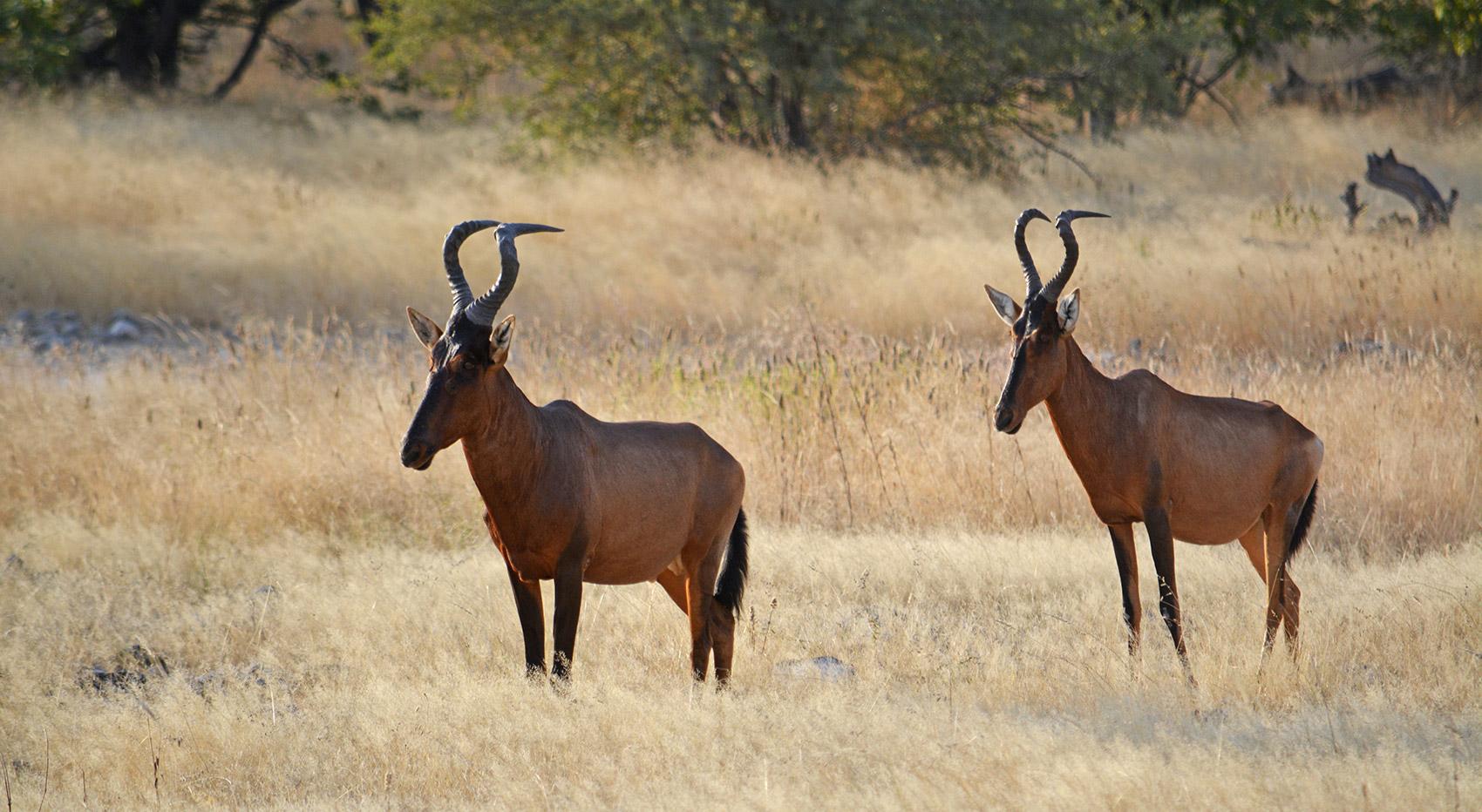 Safari Comparison Articles
Island Safari vs Mainland Safari
An in-depth comparison of Island Safari vs Mainland Safari to help you choose the perfect safari experience. Explore the pros, cons, and key differences to make
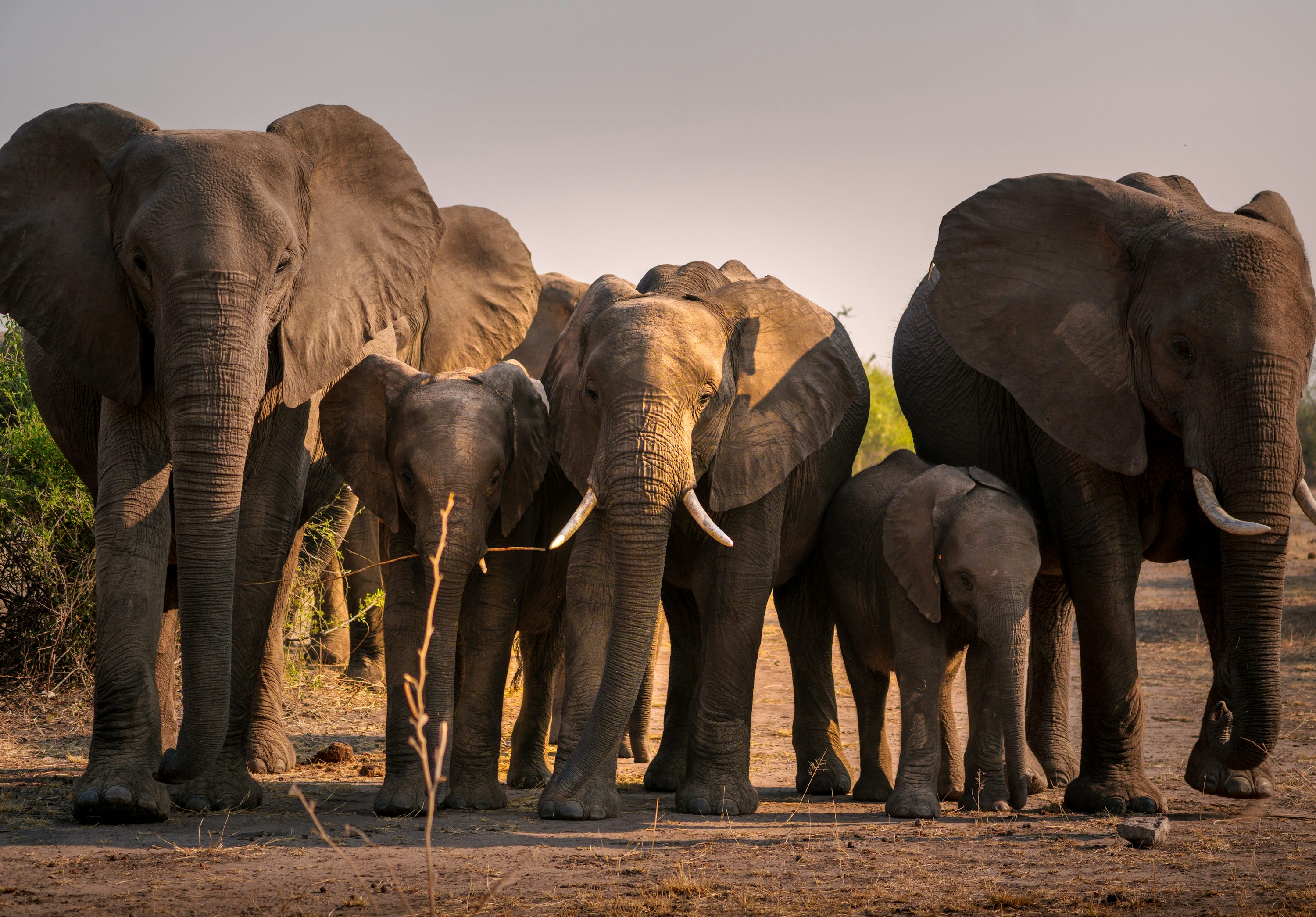 Safari Comparison Articles
Wetland Safari vs Dry Land Safari
An in-depth comparison of Wetland Safari vs Dry Land Safari to help you choose the perfect safari experience. Explore the pros, cons, and key differences to mak
 Safari Planning Guides
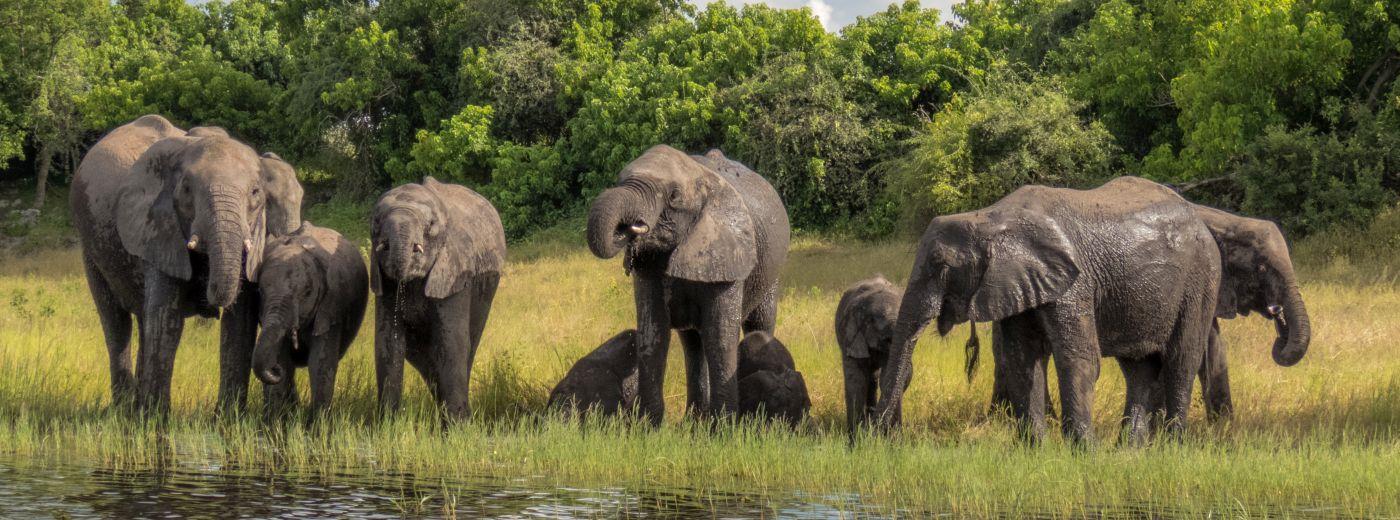
How to Plan a Safari for Coastal Wildlife
Learn about how to plan a safari for coastal wildlife in this comprehensive safari guide covering key insights and practical advice.
 Destination Guides
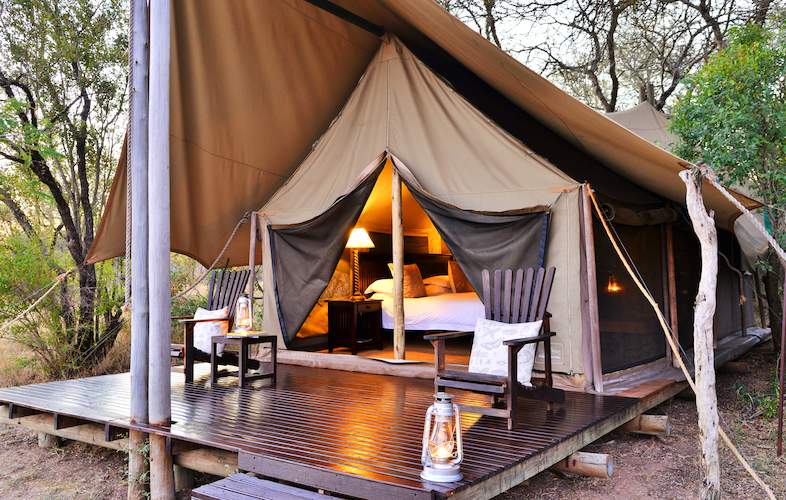
Best Safari Destinations for Coastal Wildlife
Your complete guide to Best Safari Destinations for Coastal Wildlife. Find the best destinations, planning tips, and more for your next safari adventure.
 Season & Timing Guides
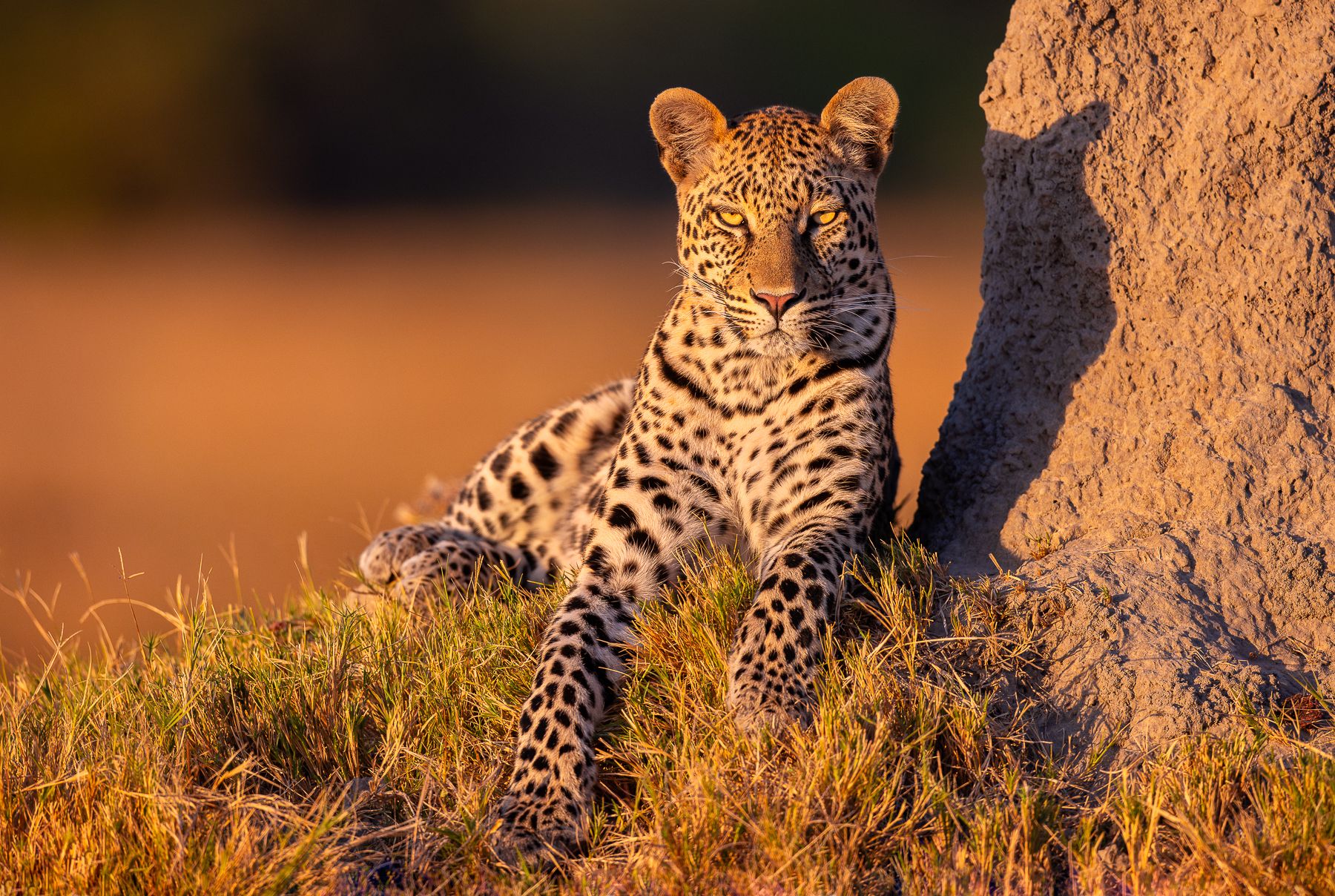
How Tides Affect Coastal Safari Experiences
Learn how the ebb and flow of tides shape coastal ecosystems and influence wildlife activities, from marine life to birdwatching, on a coastal safari.