
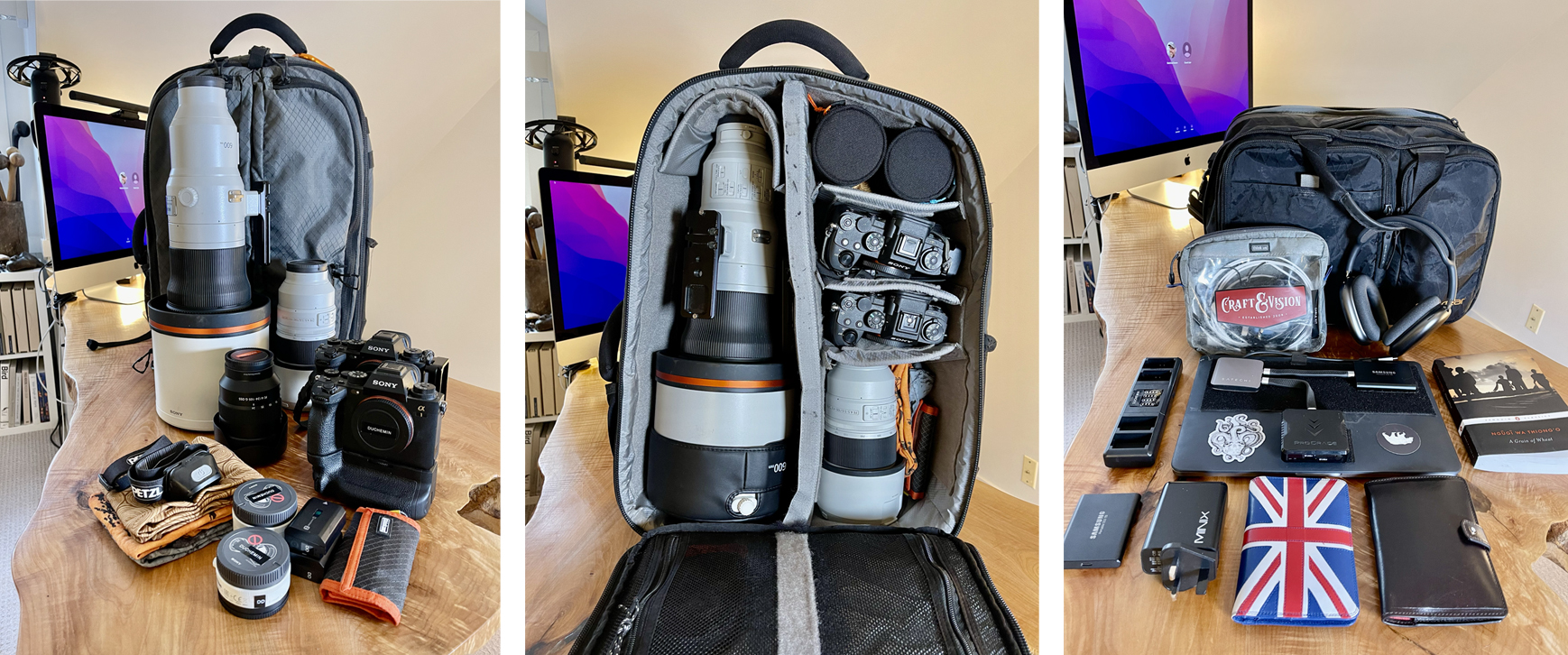
Learn about how to plan a safari for wetland wildlife in this comprehensive safari guide covering key insights and practical advice.
Overview
Planning a safari involves many moving parts, and how to plan a safari for wetland wildlife is one of the most important considerations. Whether you're a first-time visitor or a seasoned Africa traveler, this guide provides the practical knowledge you need to make informed decisions and create an unforgettable experience.
What You Need to Know
When exploring how to plan a safari for wetland wildlife in depth, several factors deserve attention. The geographic diversity of Africa means that conditions, availability, and experiences vary significantly from one region to another. East Africa's open savannas offer a different context than Southern Africa's bushveld or Central Africa's rainforests. Our destination guides provide region-specific information to help you navigate these differences.
Still researching? Let us help.
Our advisory team has planned safaris across 9 African countries. We can turn your research into a real plan.
Talk to an AdvisorPractical Considerations
The practical application of how to plan a safari for wetland wildlife extends beyond the planning phase into the safari itself. Being well-informed allows you to make better decisions in real-time, whether that means choosing the right game drive timing, understanding animal behavior, or knowing when to ask your guide for more information. Preparation and knowledge transform a good safari into an extraordinary one. Start with our planning resources for a structured approach.
Expert Perspective
The safari industry's leading voices agree that how to plan a safari for wetland wildlife is an area where knowledge truly makes a difference. As conservation challenges evolve and tourism patterns shift, staying informed helps travelers make choices that benefit both their experience and the destinations they visit. Browse our operator directory to connect with companies that share this commitment to informed, responsible travel.
Next Steps
As you continue planning your African safari, keep how to plan a safari for wetland wildlife in mind as an important piece of the puzzle. The more you understand about the various aspects of safari travel, the better positioned you'll be to create an experience that exceeds your expectations. Explore our destinations, browse the knowledge center, and connect with our safari operators to take the next step in your journey.
Done Reading? Let's Build Your Safari.
Skip the guesswork. Work with an advisor who has been on the ground across East and Southern Africa.
Plan With UsUnveiling Africa's Premier Wetland Sanctuaries
While iconic destinations like the Serengeti and Kruger National Park are renowned for their sprawling savannas, Africa's wetlands offer a completely different, yet equally mesmerizing, safari experience. These vital ecosystems, ranging from vast inland deltas to coastal estuaries, are biodiversity hotspots teeming with specialized wildlife. Planning a safari focused on these areas requires a unique approach, one that considers seasonality, specialized activities, and a different pace of exploration. For travelers seeking to witness unique species and experience the continent's aquatic heart, a wetland safari is an unparalleled adventure.
The Okavango Delta, Botswana: A Jewel of the Kalahari
Often considered the crown jewel of African wetlands, the Okavango Delta is a vast inland delta that floods seasonally, creating a labyrinth of channels, lagoons, and islands in the heart of the Kalahari Desert. This UNESCO World Heritage site offers a truly unique safari experience, where much of the exploration is done by water.
Expert Insight: A traditional mokoro (dugout canoe) excursion is an absolute must in the Okavango. Gliding silently through the narrow channels, you'll have eye-level encounters with tiny reed frogs, dazzling kingfishers, and perhaps even elephants wading through the water. This slow, intimate form of travel allows you to appreciate the smaller wonders of the delta that are often missed from a vehicle.
Key species to look for include the elusive sitatunga antelope, which has specially adapted splayed hooves for walking on submerged vegetation, and the red lechwe, often seen leaping through the shallow waters. The delta is also a stronghold for predators like lions, leopards, and African wild dogs, which have adapted their hunting techniques to this aquatic environment. To get a better sense of the costs associated with a Botswana safari, you can use our cost calculator.
Bangweulu Swamps, Zambia: In Search of the Shoebill
The Bangweulu Swamps, meaning "where the water meets the sky," is a vast, community-owned protected area in northeastern Zambia. This is one of the best places in the world to see the enigmatic and prehistoric-looking shoebill stork. Planning a trip here requires a sense of adventure, as the area is remote and the logistics can be complex, but the rewards are immense.
Traveler's Tip: The best time to visit Bangweulu in search of shoebills is during the dry season (May to August), when the water levels recede and the birds are more concentrated in specific areas. Be prepared for basic but comfortable accommodation and a truly off-the-beaten-path experience. Our safari operators can help you navigate the complexities of planning a trip to this remote wilderness.
Beyond the shoebill, the swamps are home to vast herds of black lechwe, another endemic species, as well as tsessebe, buffalo, and a rich diversity of other birdlife. The conservation model here, which directly involves the local community, is a powerful example of sustainable tourism.
iSimangaliso Wetland Park, South Africa: Where Ecosystems Collide
Formerly known as the Greater St. Lucia Wetland Park, iSimangaliso is a place of incredible diversity, where a number of ecosystems converge. This narrow strip of land on South Africa's east coast includes pristine beaches, coral reefs, coastal forests, and, most importantly, Africa's largest estuarine system. The park is home to large populations of hippos and Nile crocodiles, and it's not uncommon to see elephants and other savanna species on the shores of the estuary.
One of iSimangaliso's most unique features is the opportunity to witness both marine and wetland wildlife in a single day. You might spend the morning on a boat cruise watching hippos and crocodiles, and the afternoon snorkeling or diving on the nearby coral reefs. In the summer months (November to January), you can even take a guided night tour to see loggerhead and leatherback turtles nesting on the beaches. For more information on South Africa's diverse destinations, explore our destinations page.
Designing Your Ultimate Wetland Safari
A successful wetland safari hinges on careful planning and an understanding of the seasonal dynamics that govern these ecosystems. Here are some key considerations to help you create the perfect itinerary:
| Planning Aspect | Expert Recommendations | | :--- | :--- | | Best Time to Visit | This depends on your priorities. The wet season often brings lush landscapes and fantastic birding, but wildlife can be more dispersed. The dry season concentrates animals around remaining water sources, making for easier game viewing. | | Accommodation | Choose between water-based camps, which offer a constant connection to the aquatic environment, and land-based camps that provide a mix of water and land activities. Each offers a different perspective on the ecosystem. | | Essential Gear | A good pair of binoculars is non-negotiable. Also pack lightweight, quick-drying clothing, a waterproof jacket, insect repellent with DEET, and a waterproof bag for your camera and electronics. | | Health & Safety | Many wetland areas are in malaria zones, so consult your doctor about appropriate prophylactics. Be mindful of tsetse flies in certain regions and always listen to your guide's safety instructions, especially around hippos and crocodiles. |
By carefully considering these factors, you can ensure that your safari is not only enjoyable but also perfectly tailored to your interests. For a deeper dive into the intricacies of safari planning, our knowledge center is an invaluable resource.
The Importance of Responsible Travel
Africa's wetlands are fragile ecosystems facing numerous threats, including climate change, agricultural encroachment, and unsustainable water management. As a traveler, you have the power to make a positive impact by choosing responsible tour operators and lodges that are committed to conservation and community development. By visiting these vital areas, you are not only treating yourself to an incredible experience but also contributing to their long-term protection. When you're ready to take the next step, our team is here to help you plan your safari and ensure that your journey is both memorable and meaningful.
Need Expert Safari Guidance?
Get expert advisory support from a firm founded by a former safari guide — with real operational knowledge across 9 African countries and full-journey accountability.
Related Planning Guides
Recommended Reading
 Safari Planning Guides
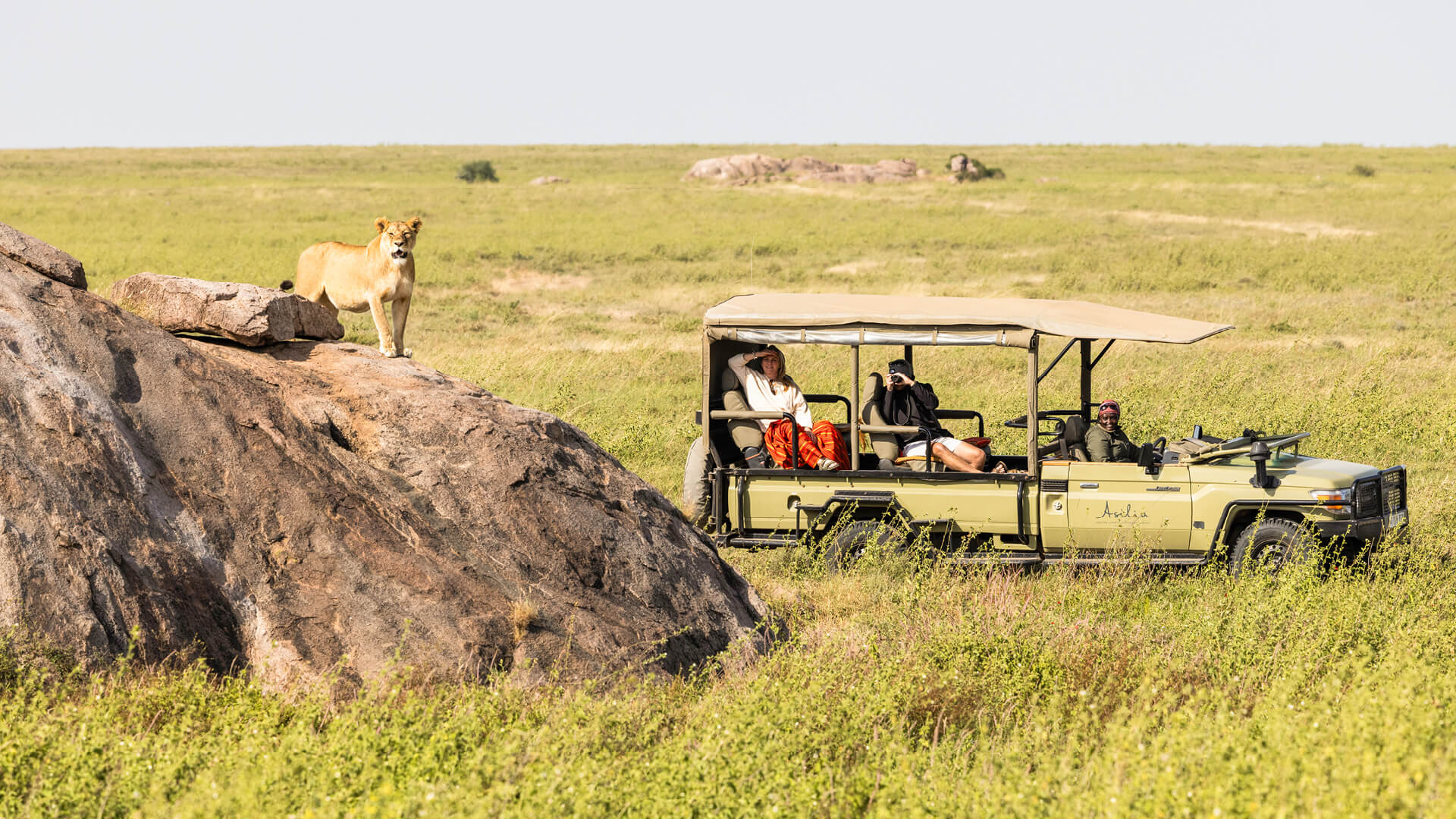
How to Plan a Safari for Wildlife Research
Discover how to plan your dream safari with our expert guide on How to Plan a Safari for Wildlife Research. Get tips on destinations, costs, and more.
 Safari Planning Guides
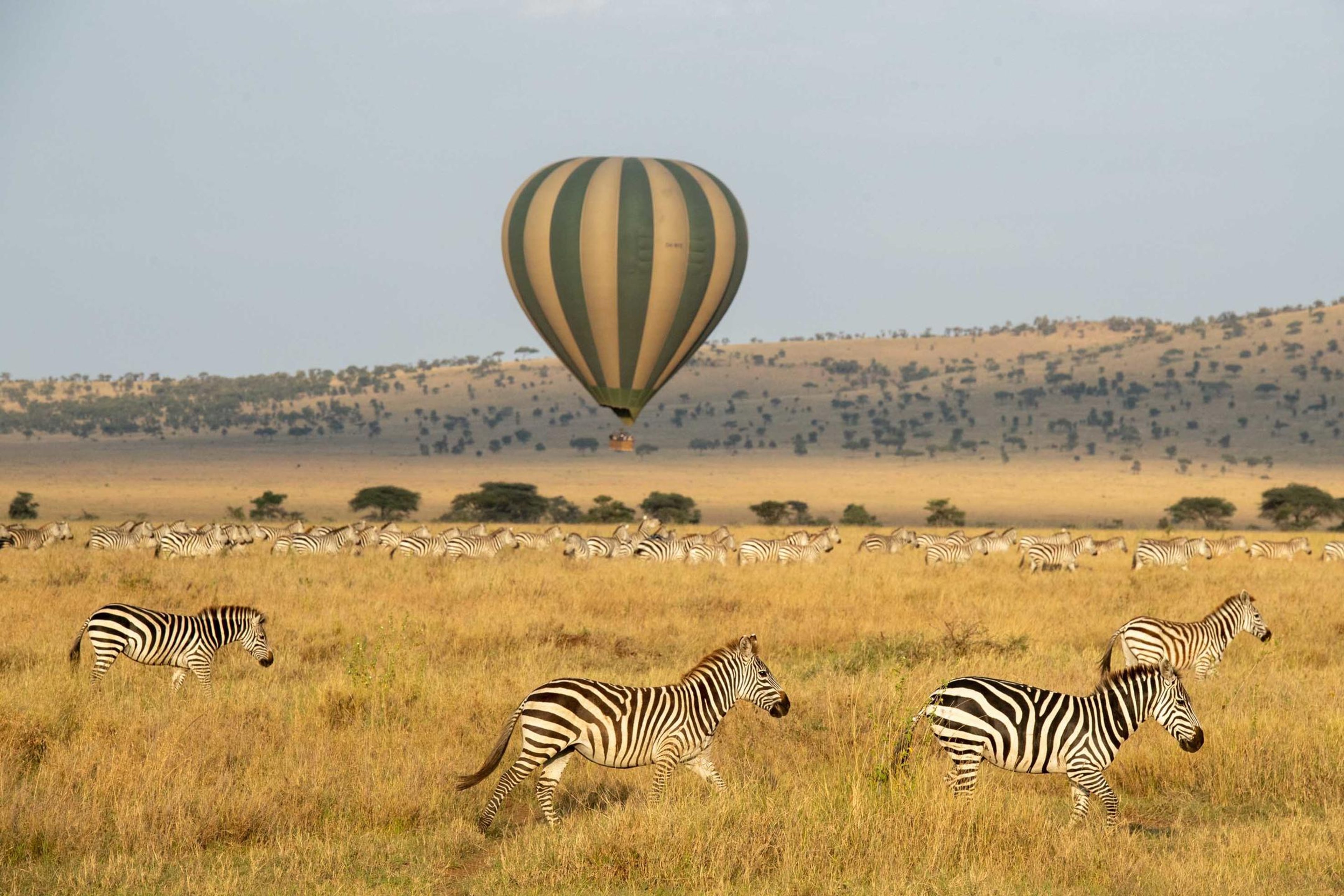
How to Plan a Safari for Wildlife Photography Beginners
Learn about how to plan a safari for wildlife photography beginners in this comprehensive safari guide covering key insights and practical advice.
 Safari Planning Guides
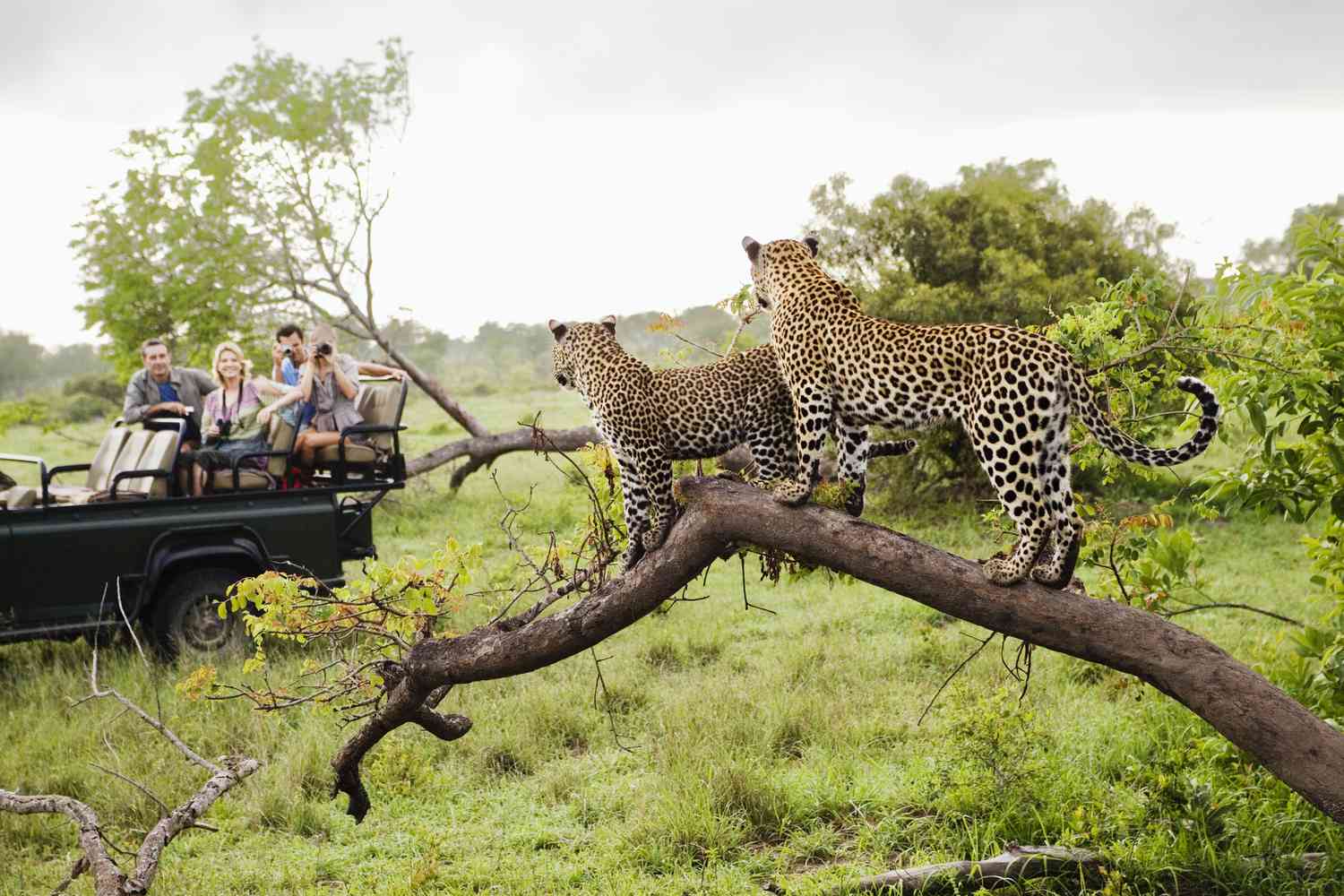
How to Plan a Safari for Experienced Wildlife Photographers
Learn about how to plan a safari for experienced wildlife photographers in this comprehensive safari guide covering key insights and practical advice.
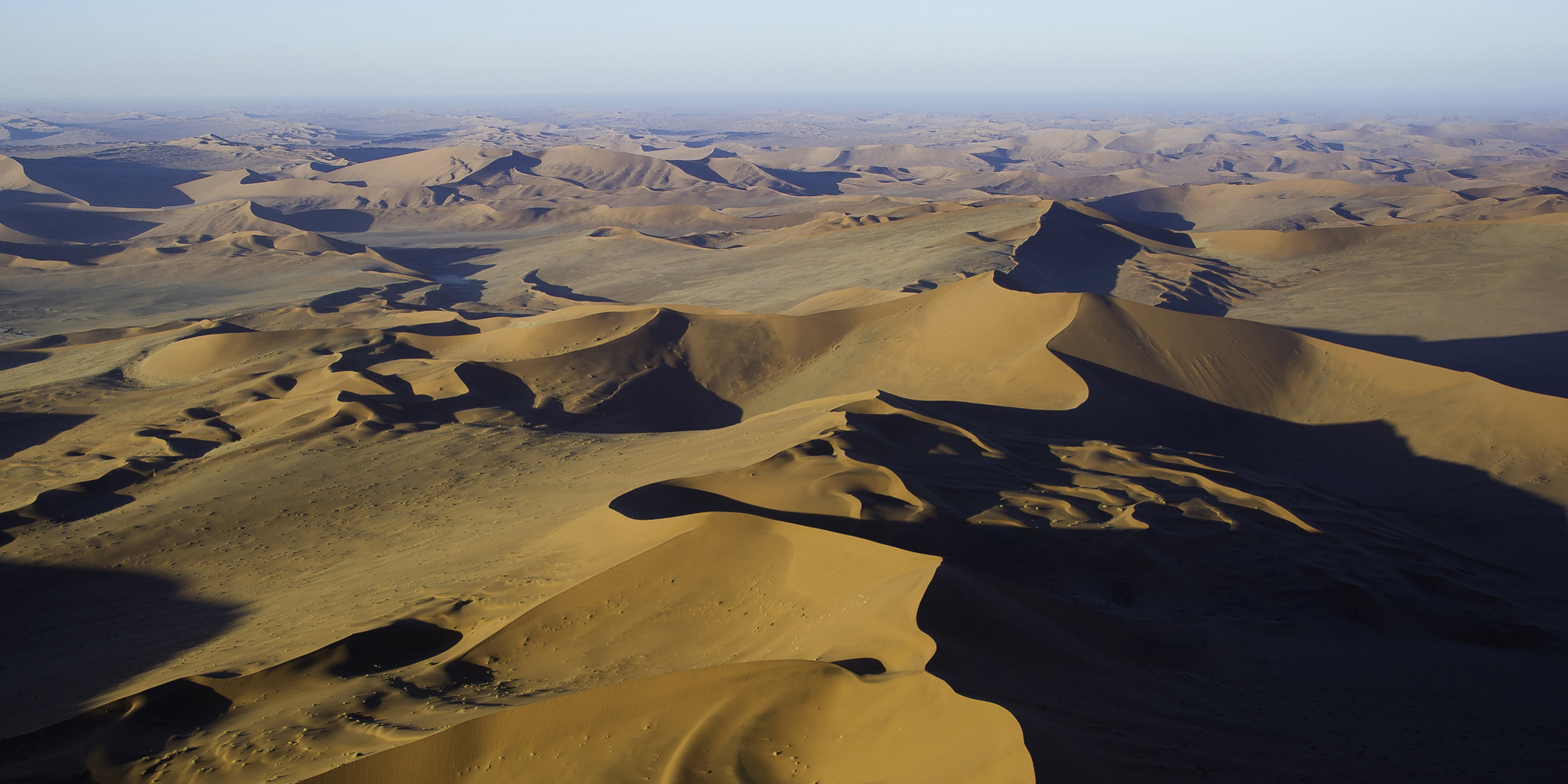 Destination Guides
Best Safari Destinations for Wetland Wildlife
Your complete guide to Best Safari Destinations for Wetland Wildlife. Find the best destinations, planning tips, and more for your next safari adventure.
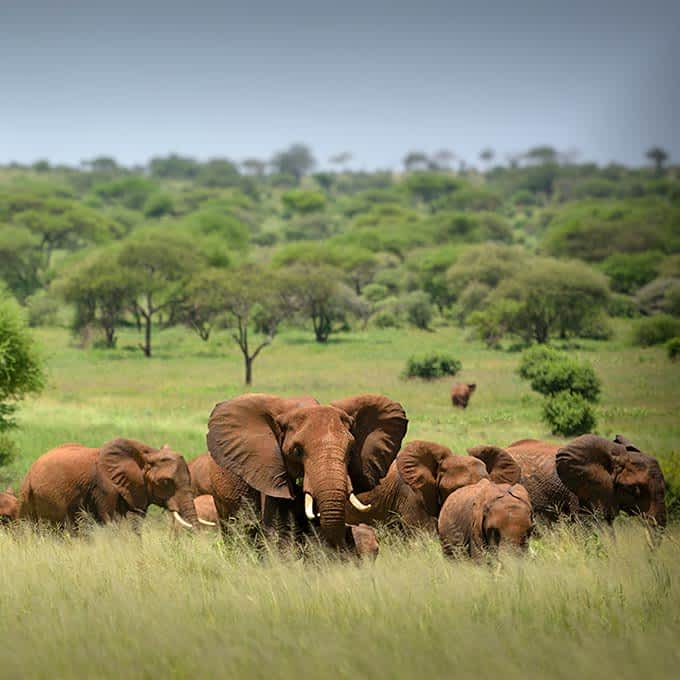 Safari Comparison Articles
Birding Safari vs Wildlife Safari
An in-depth comparison of Birding Safari vs Wildlife Safari to help you choose the perfect safari experience. Explore the pros, cons, and key differences to mak
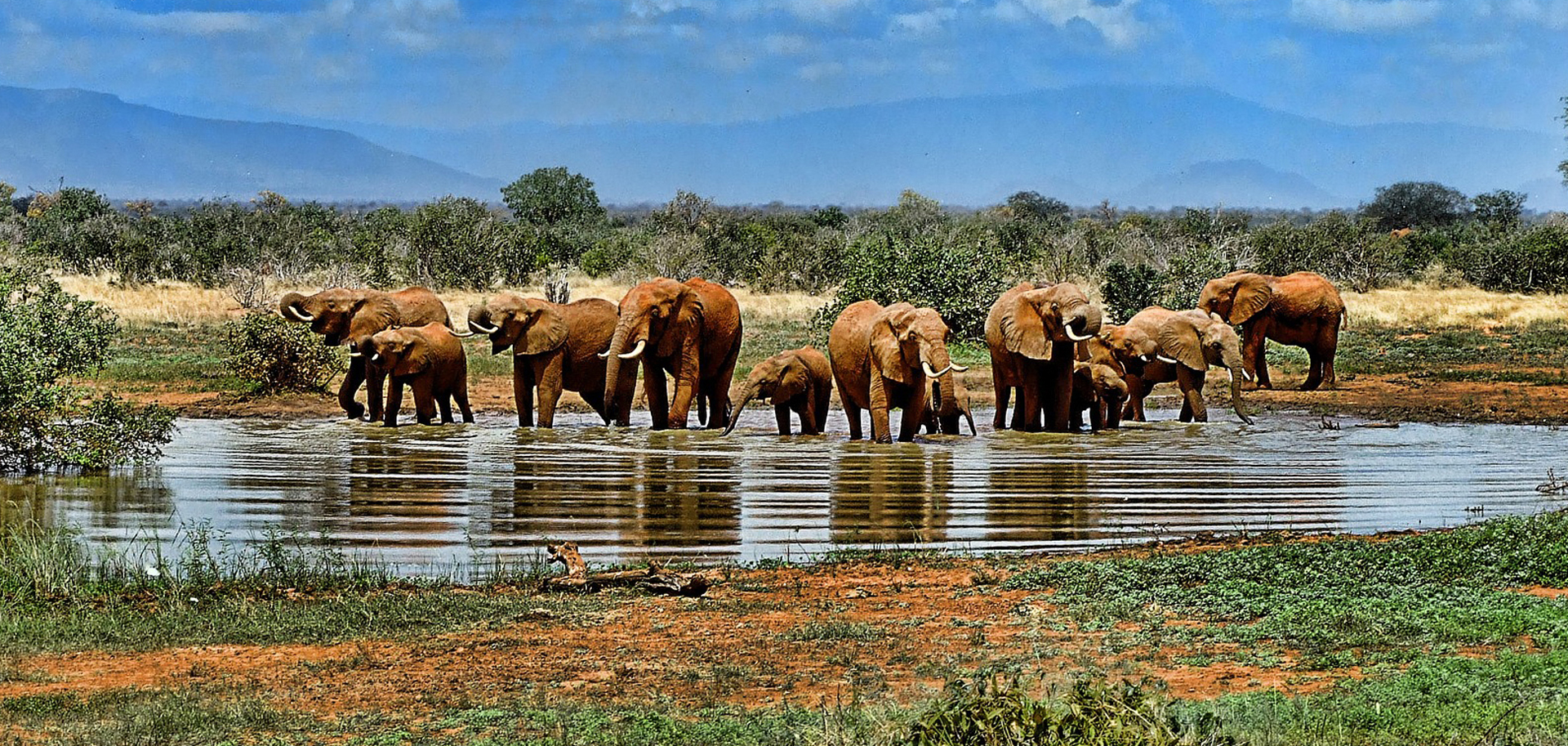 Safari Comparison Articles
Cultural Safari vs Wildlife Safari
An in-depth comparison of Cultural Safari vs Wildlife Safari to help you choose the perfect safari experience. Explore the pros, cons, and key differences to ma